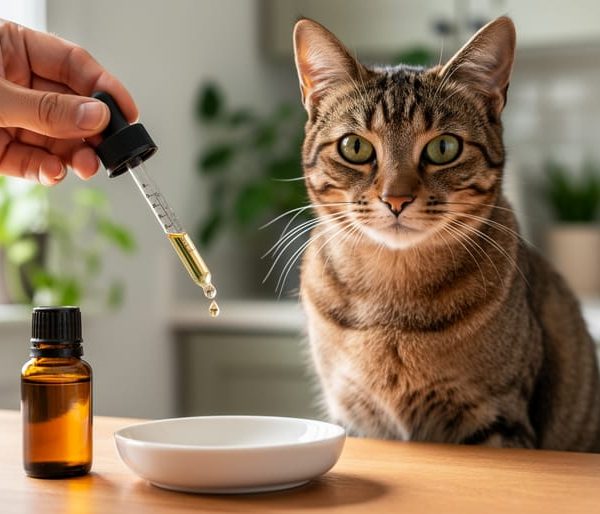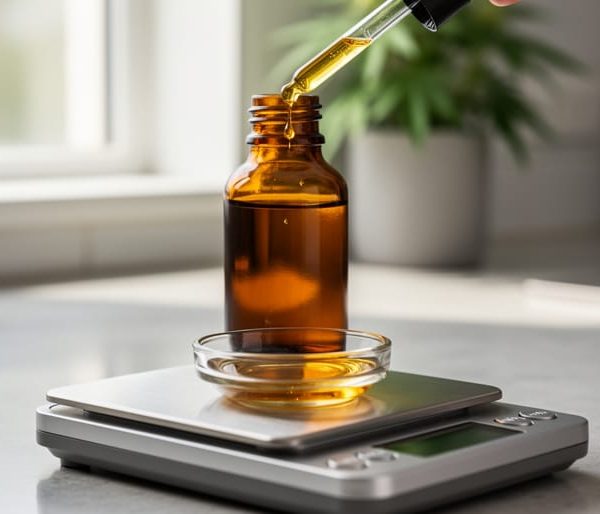
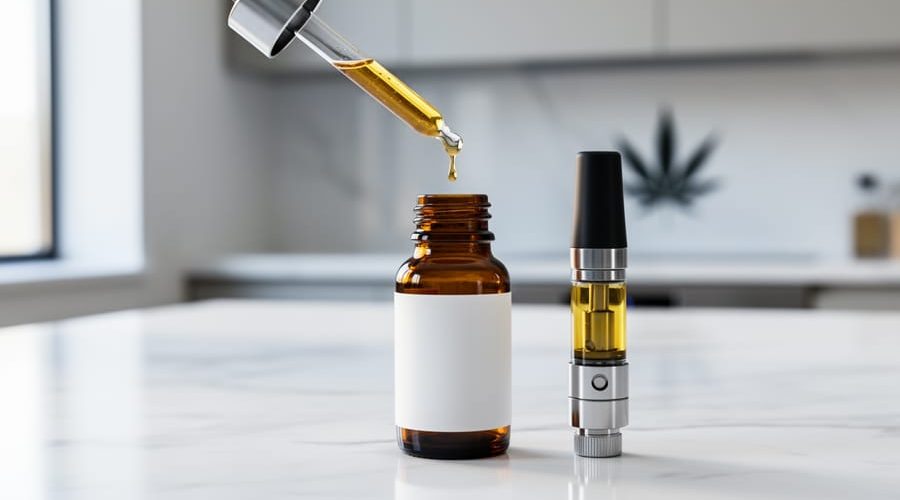
Understand that distilled cannabis oil represents one of the purest forms of cannabis extract available in Canada today, containing upwards of 90% cannabinoids with virtually all plant materials, fats, and impurities removed through a sophisticated refinement process. This crystal-clear oil differs dramatically from full-spectrum or broad-spectrum options because the distillation process isolates specific cannabinoids like THC or CBD while eliminating terpenes, flavonoids, and other compounds—making it nearly tasteless, odorless, and incredibly potent.
Choose distilled oil when you need precise dosing control or want to avoid the earthy taste that comes with less-refined products. I discovered this firsthand when helping my aunt transition from smoking to oils; she found the flavourless nature of distillate far more palatable than full-spectrum alternatives, which she described as tasting like “licking a forest floor.”
Recognize that cannabis oil usage methods for distillates are remarkably versatile. You can consume it sublingually for fast absorption, add it to foods and beverages without altering flavour profiles, use it in vape cartridges, or apply it topically when mixed with carrier oils. The lack of plant matter means distillates won’t clog vaporizers like thicker, full-spectrum oils might.
Consider your priorities carefully before purchasing. If you value the entourage effect—where multiple cannabis compounds work synergistically—distillate may not be your best choice. However, if potency, purity, and flexibility matter most, distilled cannabis oil offers unmatched consistency and control.
What Exactly Is Distilled Cannabis Oil?
Think of distilled cannabis oil as the “vodka” of cannabis products. Just as vodka goes through multiple distillations to create a pure, clear spirit, distilled cannabis oil undergoes a similar refinement process to strip away everything except the most desirable compounds. The result? One of the purest forms of cannabis oil you can find in Canada today.
So what makes distilled cannabis oil different from what you might already know? Let me break it down in simple terms.
The distillation process uses heat and pressure to separate cannabinoids like THC and CBD from all the other plant material, waxes, fats, and chlorophyll found in raw cannabis. What you’re left with is an incredibly pure oil that typically contains 80-95% cannabinoids. That’s significantly higher than crude cannabis oil, which usually sits around 60-70% purity.
Here’s where it gets interesting. Unlike full-spectrum oils that contain the complete range of cannabinoids, terpenes, and other plant compounds, distilled oil is much more selective. The distillation process removes most of these additional elements, creating what many people call a “cleaner” product. Some users prefer this streamlined approach, while others miss the entourage effect that comes from having all those compounds working together.
I remember when I first encountered distilled cannabis oil at a licensed dispensary in Toronto. The budtender explained that this type of oil is particularly popular for vaping and edibles because it doesn’t have that strong “weedy” taste you get with full-spectrum products. That’s because those earthy-tasting terpenes and plant materials have been removed.
The concentrations in distilled cannabis oil can be quite potent. You might find CBD distillates with 85% pure CBD, or THC distillates with similarly high concentrations. This makes dosing more predictable but also means you need to be more careful, especially if you’re new to cannabis products.
Why has distilled cannabis oil become so popular in Canada? It comes down to three main factors: purity, versatility, and consistency. The clear, odorless nature makes it easy to incorporate into various products, the high potency means a little goes a long way, and each batch delivers predictable results.
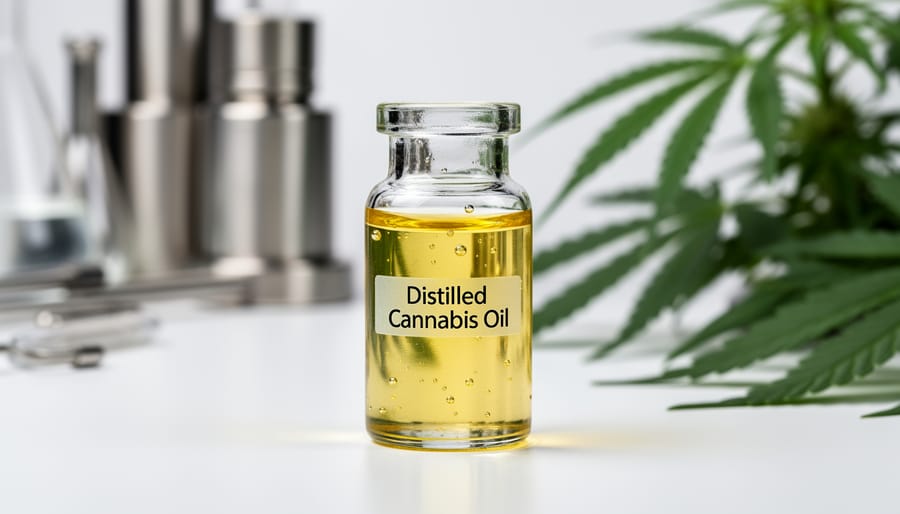
How Distilled Oil Stacks Up Against Other Cannabis Oils
Full-Spectrum vs. Distilled: The Key Differences
The main difference between full-spectrum and distilled cannabis oil comes down to what’s inside the bottle. Full-spectrum oil contains a wide range of cannabinoids, terpenes, and other beneficial plant compounds that work together in what researchers call the “entourage effect.” Think of it like a symphony where all the instruments play together to create a richer experience. Distilled oil, on the other hand, goes through an additional refinement process that removes most or all of these extra compounds, leaving you with primarily pure cannabinoids like THC or CBD, similar to CBD isolate.
Terpene content is where these two really diverge. Full-spectrum oils retain the aromatic terpenes that give cannabis its distinctive smell and may contribute to its effects. Distilled oils typically have little to no terpene content unless they’re reintroduced after processing. This means full-spectrum options often have a stronger taste and aroma, while distilled versions tend to be virtually tasteless and odourless.
When I first tried both types, I noticed the full-spectrum had an earthy, plant-like flavour that some people love but others find off-putting. The distilled version was much more neutral, making it easier to add to foods or take sublingually without any cannabis taste.
So which should you choose? If you’re looking for the potential benefits of the entourage effect and don’t mind the natural cannabis flavour, full-spectrum might be your best bet. If you prefer precise cannabinoid control, want no taste, or need to avoid certain compounds for drug testing purposes, distilled oil offers that clean, targeted approach.
Why Purity Matters (And When It Doesn’t)
Here’s the thing about distilled cannabis oil: it’s incredibly pure, often reaching 80-90% THC or CBD, but that purity comes with trade-offs worth considering.
High-purity distillate gives you predictable, potent effects and a nearly neutral taste. If you’re looking for precise dosing or prefer to avoid cannabis’s earthy flavor, distillate delivers. I remember trying my first distillate vape cartridge and being surprised by how clean and flavorless it was compared to full-spectrum options I’d used before. For medical users who need consistent cannabinoid levels or those who dislike the taste of cannabis, this is a major advantage.
However, the distillation process removes most terpenes and minor cannabinoids. These compounds work together in what researchers call the entourage effect, potentially enhancing therapeutic benefits and creating more nuanced experiences. Some users find high-purity distillate feels one-dimensional or produces effects that fade quickly.
Full-spectrum or broad-spectrum oils retain more of these plant compounds. They taste more like cannabis and may offer richer, longer-lasting effects. The downside? They’re less predictable in potency and flavor profiles vary between batches.
So when does purity matter? If you’re microdosing, need precise control, or want a discreet, tasteless option, distillate excels. But if you’re seeking the fuller therapeutic potential of multiple cannabis compounds and don’t mind stronger flavors, oils with more plant compounds intact might serve you better. Neither choice is wrong; it depends on what you value in your cannabis experience.
The Best Ways to Use Distilled Cannabis Oil
Sublingual Administration: Under the Tongue
Sublingual administration is one of the most popular ways to use distilled cannabis oil, and for good reason. This method involves placing drops of oil directly under your tongue, where it’s absorbed through the mucous membranes and enters your bloodstream quickly.
Here’s how to do it: Use the dropper to measure your dose, lift your tongue, place the oil underneath, and hold it there for 60 to 90 seconds before swallowing. This waiting period is crucial for absorption.
Start with a low dose, typically 2.5 to 5 mg of THC or CBD, especially if you’re new to cannabis. You can always increase gradually based on how you feel. The effects usually begin within 15 to 45 minutes, much faster than edibles, with peak effects around the two-hour mark.
When I first tried this method, I appreciated how quickly I could gauge the effects. Unlike edibles that kept me guessing, sublingual dosing gave me more control over my experience. The taste can be strong depending on the product, so keeping water nearby helps.
This method appeals to many Canadians because it’s discreet, doesn’t require any equipment, and offers a middle ground between smoking and edibles in terms of onset time and duration.
Vaping and Dabbing Distilled Oil
Distilled cannabis oil shines when it comes to vaping and dabbing, thanks to its purity and potency. When I first tried vaping distillate, I was surprised by how smooth and flavourless it was compared to other concentrates—there’s virtually no harshness or plant taste.
For vaping, you’ll need a vape pen or cartridge specifically designed for thick oils. Many Canadian retailers sell pre-filled distillate cartridges that simply screw onto a standard 510-thread battery. These are convenient and beginner-friendly. If you prefer refillable options, you can purchase distillate syringes and fill your own cartridges, though this requires a bit more care since the oil is quite viscous.
Dabbing distillate requires a dab rig, which includes a water pipe, a nail or banger (typically quartz or titanium), and a torch or electronic heating element. You heat the nail, apply a small amount of distillate, and inhale the vapour. This method delivers immediate effects but requires more equipment and practice.
Safety is essential with both methods. In Canada, only purchase products from licensed retailers to ensure quality and safety testing. Start with very small amounts, especially with dabbing, as distillate can contain 80-90% THC. Use your equipment in well-ventilated areas, keep heating elements away from flammable materials, and never leave torches unattended. Store your distillate properly between uses to maintain its consistency and potency.
Adding It to Food and Drinks
Distilled cannabis oil is incredibly versatile in the kitchen, but understanding its fat-soluble nature is key to getting the best results. Because cannabinoids like THC and CBD don’t dissolve in water, they need to be combined with fats or oils to be properly absorbed by your body. This affects both how you prepare your edibles and how effectively your body processes them.
When adding distilled oil to recipes, mix it thoroughly with butter, coconut oil, olive oil, or another fatty ingredient first. This ensures even distribution throughout your dish and maximizes bioavailability. I’ve found that stirring it into melted butter for baked goods or blending it with oil-based salad dressings works beautifully. For beverages, the process requires a bit more creativity since most drinks are water-based. Adding distilled oil to coffee with cream, hot chocolate, or smoothies made with milk or nut butters provides the necessary fat for absorption.
Temperature matters too. While distilled oil is already activated and doesn’t require decarboxylation, excessive heat can degrade cannabinoids. Keep cooking temperatures moderate when possible, and add your oil toward the end of cooking for dishes that require high heat.
Always follow safe dosing practices when making edibles at home. Start with small amounts, label everything clearly, and remember that edibles take longer to take effect than other consumption methods.
Topical Applications
Distilled cannabis oil works differently when applied topically compared to when you ingest it. When you apply the oil directly to your skin, it doesn’t enter your bloodstream in significant amounts, meaning you won’t experience the psychoactive effects you might get from ingesting it. Instead, the cannabinoids interact with receptors in your skin and underlying tissues, providing localized relief.
To use distilled cannabis oil topically, start with a small amount on clean, dry skin. I remember when I first tried this method for muscle soreness after hiking—I was surprised by how quickly the area felt less tense, though the oil itself can be quite thick and sticky. You may want to mix it with a carrier oil like coconut or jojoba oil to make application easier and improve absorption.
The transdermal absorption of pure distilled oil is actually quite limited because cannabinoids are fat-soluble and don’t easily penetrate the skin barrier on their own. That’s why many topical cannabis products include additional ingredients like essential oils or penetration enhancers to help cannabinoids reach deeper tissue layers.
Compared to ingestion methods, topical application offers faster onset for localized issues—usually within 15 to 45 minutes—but won’t provide the full-body effects or duration that edibles or tinctures deliver. This makes it ideal for targeting specific areas of discomfort while maintaining full mental clarity throughout your day.
Finding the Right Dose for Your Needs
Because distilled cannabis oil is significantly more potent than many other cannabis products, finding your ideal dose requires patience and careful attention. The good news? Once you find what works, you’ll have a reliable, effective product in your routine.
The golden rule with distillates is to start low and go slow. If you’re new to cannabis or this particular product, begin with the smallest possible dose—often just a rice grain-sized amount for THC distillate, or slightly more for CBD distillate. I learned this the hard way early in my cannabis journey when I assumed “more is better” and ended up uncomfortably high for hours. Trust me, there’s no rush.
The difference between CBD and THC distillates matters significantly for dosing. CBD distillates are non-intoxicating, so you have more flexibility to experiment without worrying about impairment. Many Canadians start with 10-25mg of CBD and adjust from there. THC distillates, however, demand more caution. Even experienced users often begin with 2.5-5mg of THC, waiting at least two hours before considering more, especially with edible applications.
Individual variation plays a huge role in how distillates affect you. Your body weight, metabolism, tolerance, previous cannabis experience, and even what you’ve eaten that day all influence your response. What works perfectly for your friend might be too much or too little for you.
This is where keeping a journal becomes invaluable. Note the dose amount, time of consumption, method used, and effects experienced over the next few hours. Track both desired effects and any unwanted ones. Over time, you’ll identify patterns and dial in your perfect dose. Our dosing calculator can also help you estimate a starting point based on your specific needs.
Remember, you can always take more next time, but you can’t take less once you’ve consumed it. Patience truly is your best friend when working with these concentrated products.
What to Look for When Buying in Canada
Shopping for distilled cannabis oil in Canada can feel overwhelming at first, but knowing what to look for makes the process much simpler. Since all legal cannabis products must come from licensed retailers—whether physical stores or authorized online platforms—you’re already starting with a safety baseline that many other countries don’t have.
The product label is your best friend when shopping. Look for clear information about THC and CBD content, measured in milligrams per milliliter (mg/mL). Quality distilled oils typically show cannabinoid concentrations ranging from 700 mg/mL to 950 mg/mL or higher. The label should also list the carrier oil used, common expiry dates, and lot numbers. In my experience talking with newcomers, many are surprised to learn that “full spectrum” and “distillate” are different things—distillates are more refined and contain fewer additional plant compounds.
Certificates of Analysis, or COAs, are laboratory reports that verify what’s actually in your oil. While not always displayed on packaging, reputable licensed producers make these available on their websites or upon request. A proper COA shows cannabinoid percentages, confirms the absence of harmful contaminants like pesticides, heavy metals, and residual solvents, and includes testing for microbial contamination. Don’t hesitate to ask your budtender or contact customer service if you can’t find this information—licensed retailers should be able to provide it.
Canadian-specific certifications to recognize include the standardized cannabis symbol (the red octagon with the cannabis leaf) that must appear on all legal products, and licensing information from Health Canada. Products should clearly state the licensed producer’s name.
Price can indicate quality, but the most expensive option isn’t always the best. Compare the total cannabinoid content per bottle to determine actual value. A 30mL bottle at 900 mg/mL THC contains significantly more than a 15mL bottle at 600 mg/mL, even if priced similarly.
Finally, don’t rush your decision. Licensed retailers in Canada aren’t going anywhere, and taking time to research products, read reviews, and ask questions will help you find the distilled oil that works best for your needs.
Common Questions I Get About Distilled Cannabis Oil
Over the years, I’ve heard many of the same questions come up repeatedly when people are exploring distilled cannabis oil. Let me address the most common ones.
How long does distilled cannabis oil last, and how should I store it?
When stored properly, distilled cannabis oil typically maintains its potency for 12 to 24 months. I learned this the hard way when I left a bottle in my car during a hot summer day—the quality definitely suffered. Keep your oil in a cool, dark place like a cupboard or drawer, away from direct sunlight and heat sources. A dark glass bottle helps protect it from light degradation. Some people store theirs in the refrigerator, which can extend shelf life, though the oil may thicken and require warming before use.
Will distilled cannabis oil get me high?
This depends entirely on whether your oil contains THC or CBD. If it’s a THC distillate, yes, it will produce psychoactive effects. CBD distillate, however, won’t cause a high because CBD is non-intoxicating. When I first started using CBD oil for my anxiety, I was relieved to discover I could take it during the day without any impairment. Always check the label to understand what cannabinoids are present and in what concentrations.
Can distilled cannabis oil cause me to fail a drug test?
THC-containing oils will absolutely show up on drug tests, even in small amounts. With CBD oil, there’s a bit more nuance. Pure CBD distillate shouldn’t trigger a positive result, but some CBD products contain trace amounts of THC (under 0.3 percent in legal products). These trace amounts can accumulate with regular use and potentially cause a failed test. If you’re subject to workplace drug testing, this is something to consider carefully.
Is distilled cannabis oil legal in Canada?
Yes, cannabis oils are legal across Canada for adults 19 and older (18 in Alberta and Quebec). You can purchase them from licensed retailers, both physical stores and authorized online platforms. However, there are limits on how much you can possess in public—typically 30 grams of dried cannabis equivalent. One milliliter of oil generally equals one gram of dried cannabis for legal calculation purposes. Always purchase from licensed sources to ensure product safety and compliance with Canadian regulations.
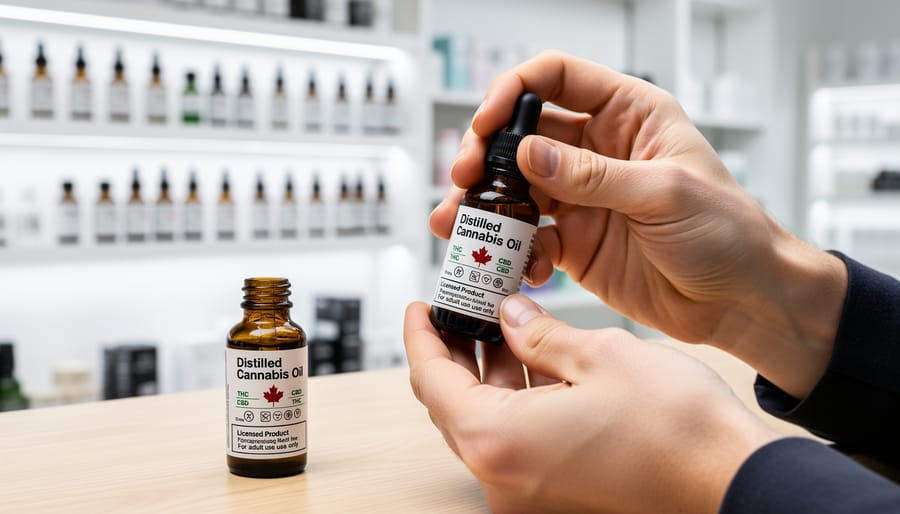
Navigating the world of cannabis oils can feel overwhelming at first, but hopefully this guide has helped clarify where distilled cannabis oil fits into your options. It’s a refined, potent choice that offers versatility and precision, but it’s just one piece of the puzzle when it comes to cannabis oil usage methods in Canada.
The most important thing I’ve learned through my own experience is that there’s no one-size-fits-all approach. When I first started exploring cannabis oils, I assumed the most potent option would automatically be the best. I tried distilled cannabis oil right away and found it too intense for my needs at the time. After stepping back and trying full-spectrum oils with lower THC content, I gradually worked my way up. Now I appreciate distilled oil for specific situations where I need precise dosing and predictable effects, while I use other oil types for different purposes.
My advice? Start slowly, especially if you’re new to cannabis products. Canadian regulations are designed to protect consumers, so take advantage of the detailed labeling requirements and don’t hesitate to ask questions at licensed retailers. Pay attention to how your body responds, keep notes if it helps, and give yourself permission to experiment until you find what works for your individual needs.
Remember that staying informed about evolving Canadian cannabis laws and emerging research will help you make confident, educated decisions. Your cannabis journey is uniquely yours, and finding the right products takes time and patience.