Start with 5-10mg of CBD if you’re new to cannabidiol, taken once daily, and track your response for three to five days before adjusting upward. This conservative approach, recommended for CBD dosage for Canadians, helps you identify your minimum effective dose without overshooting or wasting product.
Calculate your baseline dosage using 1-6mg of CBD per 10 pounds of body weight, depending on symptom severity. Mild anxiety or general wellness sits at the lower end (1-2mg per 10 pounds), while moderate pain or sleep issues require middle range (3-4mg per 10 pounds), and chronic conditions may need higher amounts (5-6mg per 10 pounds).
Divide your total daily amount into two doses—morning and evening—rather than taking everything at once. CBD builds up in your system over several days, and split dosing maintains more consistent blood levels, leading to steadier effects throughout the day.
Expect subtle changes rather than dramatic shifts. At 10-20mg, most people notice gentle relaxation and slightly improved sleep quality within a week. At 25-50mg, pain reduction and anxiety relief become more noticeable after two weeks of consistent use. Doses above 50mg typically address specific medical conditions and should involve healthcare guidance.
Understanding these dosage ranges prevents the most common mistake I see: taking too little for too short a time, then concluding CBD doesn’t work. The right dose paired with realistic expectations creates the foundation for successful CBD use.
Why CBD Dosing Isn’t One-Size-Fits-All
The Variables That Change Everything
Here’s the truth that most dosage charts won’t tell you: two people can take the exact same amount of CBD and have completely different experiences. Why? Because your body isn’t following a generic chart—it’s responding based on your unique biology and circumstances.
Your endocannabinoid system is as individual as your fingerprint. Some people naturally produce more endocannabinoids, while others have fewer cannabinoid receptors. This explains why your friend swears by 10mg while you need 40mg for similar results. There’s nothing wrong with either of you—you’re just working with different biological starting points.
Tolerance also plays a significant role. If you’ve been using CBD regularly for months, you’ll likely need higher doses than someone just starting out. This isn’t necessarily a bad thing, but it’s something to factor into your calculations.
Timing matters more than you might think. Taking CBD with food, especially meals containing healthy fats, can increase absorption by up to 400% compared to taking it on an empty stomach. This means your effective dose could vary dramatically depending on when you take it.
Here’s where I need to add an important caution: CBD can interact with certain medications, particularly those with a grapefruit warning. It affects how your liver processes these drugs. If you’re on any prescription medications, please chat with your healthcare provider before starting CBD. I learned this the hard way when a reader shared their experience—always better to check first.
What the Canadian Research Actually Shows
Here’s what’s important to know: Canadian research on CBD dosing isn’t as extensive as we might hope, but Health Canada has approved specific products at particular dosages, which gives us some guidance.
Clinical trials conducted in Canada and reviewed by Health Canada have typically used dosages ranging from 10 mg to 800 mg daily, depending on the condition being studied. For anxiety-related research, studies have explored ranges between 300 mg and 600 mg as single doses, though some people report benefits at much lower amounts. Pain management studies have examined daily doses starting around 20 mg and going up to several hundred milligrams.
What I find helpful when looking at this research is that it confirms there’s no one-size-fits-all number. The studies show that effective dosing varies significantly based on the person, the condition, and how the CBD is consumed. Sublingual oils showed different absorption rates compared to capsules or topicals.
The takeaway from Canadian research? Start low (around 5-10 mg), go slow, and adjust based on your individual response. Most studies suggest giving each dosage level at least a week before increasing, which aligns with what many experienced Canadian CBD users recommend.
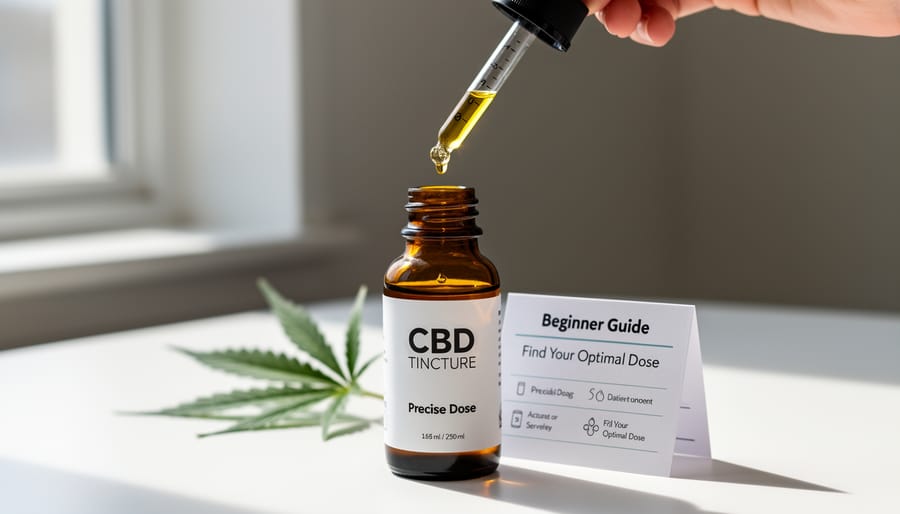
The CBD Dosage Chart: Starting Points by Purpose
For Anxiety and Stress Relief
For managing anxiety and stress, most people find success starting with 10-40mg of CBD per day. I usually recommend beginning at the lower end, around 10-15mg, especially if you’re new to CBD. You can always increase gradually if needed.
When I first tried CBD for my own stress, I started with 20mg in the morning. Within about 30-45 minutes, I noticed a subtle shift – not sedation, but more like the volume got turned down on my racing thoughts. For some people, effects appear within 15-30 minutes with oils or tinctures, while CBD edibles for anxiety typically take 60-90 minutes since they need to pass through your digestive system.
What should you expect? Most users describe feeling calmer and more centered rather than experiencing a dramatic change. You won’t feel high or impaired – it’s more about what you don’t feel. That tight chest feeling might ease, or your mind might stop jumping from worry to worry quite so quickly.
Effects generally last 4-6 hours, which is why many people dose twice daily – once in the morning and again in the afternoon or evening. Keep a simple journal for the first week to track your dose, timing, and how you feel.
For Chronic Pain Management
Chronic pain often requires higher CBD doses to experience meaningful relief, typically ranging from 20-100mg or more per day. Many Canadians I’ve spoken with start conservatively around 20-30mg and gradually increase over several weeks until they find their sweet spot. Some find splitting doses throughout the day works better than one large dose.
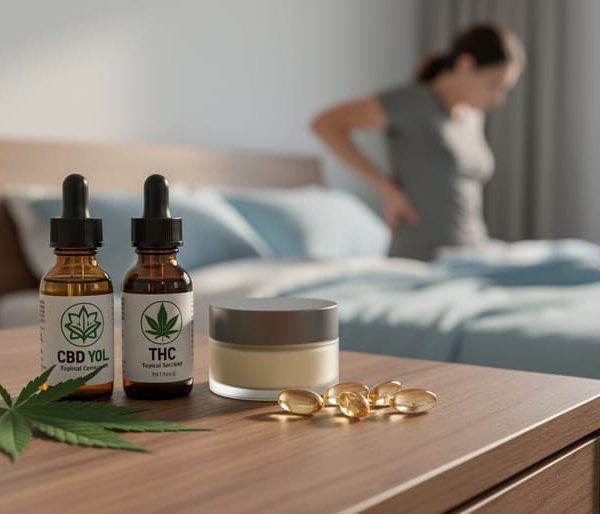
Here’s something worth considering: combining CBD with other cannabinoids can enhance effectiveness. Research suggests CBD and THC together may provide superior pain relief compared to CBD alone, though this requires obtaining THC products through legal channels like licensed cannabis retailers or medical prescriptions.
From a Canadian legal perspective, there’s no upper limit on CBD dosage from hemp-derived products, but Health Canada hasn’t approved specific therapeutic doses for pain management. This means you’re navigating mostly on your own or with guidance from healthcare providers familiar with cannabis therapeutics.
Be patient with this process. Chronic pain management with CBD isn’t usually immediate. Most people report needing 2-4 weeks of consistent use before noticing significant improvements. Keep a simple journal tracking your dose, timing, and pain levels to identify patterns and optimize your approach.
For Sleep and Insomnia
For sleep support, timing matters as much as dosage. Most people find taking CBD 30-60 minutes before bed works best, giving it time to interact with your system as you wind down for the evening. The typical range for sleep is 15-50mg, though some individuals need slightly higher doses if dealing with chronic insomnia.
I’ve found through my own experience that CBD affects sleep quite differently than THC. While THC often makes you feel drowsy and can knock you out quickly, CBD works more subtly by addressing underlying issues like anxiety or physical discomfort that prevent restful sleep. You won’t feel sedated, but you might notice it’s easier to quiet racing thoughts or feel physically relaxed.
Start around 15-20mg and increase gradually over several nights. Many Canadians find success combining CBD with melatonin for additional support. Keep a simple sleep journal noting your dose, timing, and sleep quality. CBD doesn’t work like a sleeping pill, so give it at least a week of consistent use before adjusting. If 30mg isn’t helping after seven days, try increasing to 40mg. Remember, more isn’t always better for sleep specifically.
For General Wellness and Prevention
For general wellness and prevention, most Canadians find success with lower maintenance doses between 5-25mg daily. The key here isn’t taking more—it’s taking it consistently. I’ve found that people who incorporate CBD into their morning routine, much like their multivitamin or coffee ritual, tend to experience better results than those who dose sporadically.
Start at the lower end, around 5-10mg daily, and give it at least two weeks before increasing. At these doses, you’re supporting your endocannabinoid system’s natural balance rather than addressing acute issues. Think of it as nutritional support for your body’s regulatory systems.
Many Canadians I’ve spoken with prefer taking their wellness dose in the morning with breakfast, which helps with absorption and makes it easier to remember. Others split a 20mg dose between morning and evening. There’s no single right approach—what matters is finding a schedule you’ll stick to long-term, because consistency truly trumps quantity when it comes to preventive wellness.
The Start Low, Go Slow Method (And Why It Matters)
Your First Week: The Baseline Phase
Start with a low dose of 5-10mg of CBD once daily, preferably taken at the same time each day. I learned this the hard way when I started – I jumped around with timing and doses, making it impossible to figure out what was actually working. Consistency is everything in this first week.
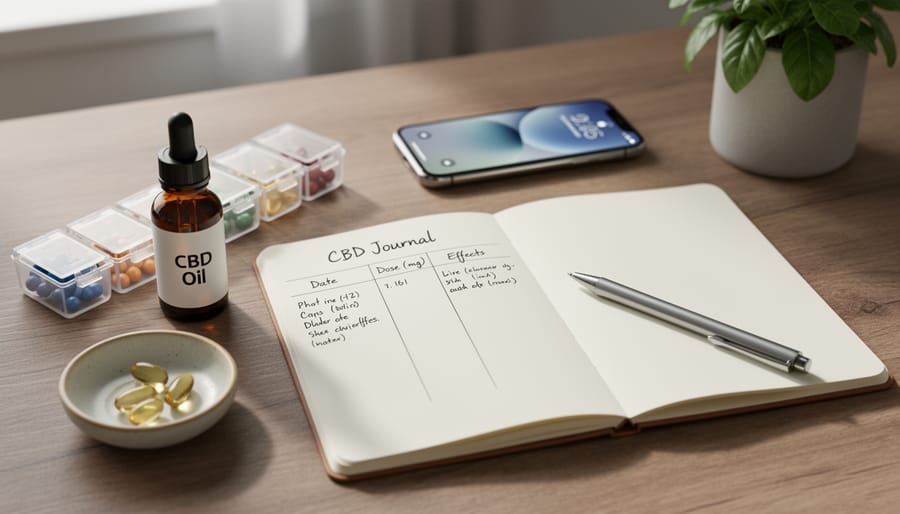
Keep a simple journal, either on your phone or in a notebook. Track three things: your exact dose and time taken, how you’re feeling throughout the day (energy levels, mood, sleep quality, pain levels), and any side effects, no matter how minor. You’re looking for subtle shifts, not dramatic overnight changes.
What should you notice? Honestly, many people don’t feel much in week one, and that’s completely normal. CBD isn’t like pain medication that kicks in within an hour. You might observe slightly better sleep, a touch less anxiety before stressful situations, or reduced inflammation. Some Canadians I’ve spoken with noticed nothing initially, then realized after a week they’d been sleeping through the night without waking.
Don’t increase your dose yet. This baseline week establishes your body’s initial response and helps you identify whether CBD is having any effect at all. Be patient and observant – you’re gathering data, not expecting miracles.
Increasing Gradually Without Overshooting
The golden rule for CBD dosing is slow and steady wins the race. Once you’ve established your starting point, increase by just 5mg every 3-5 days. This gradual approach gives your endocannabinoid system time to adjust and makes it easier to pinpoint your ideal dose without overshooting.
When I first started using CBD for my sleep issues, I was tempted to jump up quickly when I didn’t feel immediate results. I’m glad I resisted that urge. By increasing slowly, I noticed subtle improvements I might have otherwise missed.
You’ll know you’ve found your sweet spot when you experience the desired effects (better sleep, reduced anxiety, less discomfort) without any unwanted side effects. The effects should feel natural, not overpowering. Many people describe it as noticing they feel better without feeling notably different.
Signs you’ve taken too much include drowsiness, dry mouth, lightheadedness, or mild digestive upset. The good news? CBD is remarkably safe, and these effects are temporary. Under Canadian regulations, CBD products are tested for safety and consistency, which helps prevent accidental overconsumption.
If you do take too much, simply reduce your dose and maintain that lower amount for several days before considering another increase. There’s no rush to find your perfect dose immediately.
What Different Doses Actually Feel Like
Low Doses (5-20mg): The Subtle Shift
At this entry-level range, most people describe CBD’s effects as surprisingly understated. You probably won’t feel dramatically different, and that’s actually the point. Think of it as turning down the volume on background noise rather than switching off a light.
What typically happens here is a gentle easing of everyday tension. That tight feeling in your chest when you’re stuck in traffic? It softens. The racing thoughts before a work presentation? They slow to a more manageable pace. One person I spoke with described it as “finally being able to hear myself think without my anxiety shouting over everything.”
This dosage range works best for prevention and maintenance rather than crisis intervention. If you’re dealing with low-grade, persistent anxiety or minor aches, a daily 10-15mg dose might keep things manageable. But if you’re in acute distress or significant pain, you’ll likely need more.
Under Canadian regulations, many commercially available CBD products contain doses in this range per serving, making it easy to start here. The key benefit is functionality. You can take 15mg in the morning and go about your day completely unimpaired, with just a slightly softer edge to life’s irritations.
Moderate Doses (20-50mg): Where Most People Land
This is where most Canadians find their CBD sweet spot. At 20-50mg daily, you’ll likely notice more targeted relief for specific concerns like moderate anxiety, chronic pain, or inflammation. The effects become clearer without breaking the bank, making this range popular for regular users who’ve moved past the experimentation phase.
I personally landed at 30mg when dealing with work-related stress and tension headaches. At lower doses, I felt something subtle, but bumping up to this range made a real difference in how I handled afternoon pressure and evening wind-down. The effects were noticeable within about 45 minutes and lasted several hours.
This dosage range works well for people managing ongoing conditions rather than occasional discomfort. You might take 25mg in the morning for daytime anxiety management or 40mg before bed for sleep issues. Many Canadians split their dose throughout the day, like 15mg morning and 25mg evening, depending on when symptoms peak.
Cost-wise, you’re looking at more investment than micro-dosing but still reasonable for daily use. A 30ml bottle with 1500mg CBD contains fifty 30mg servings, lasting nearly two months with consistent use.
Higher Doses (50mg+): When You Might Need More
Doses of 50mg or higher are typically reserved for managing more severe conditions like chronic pain, significant inflammation, or serious sleep disorders. I’ve spoken with Canadians using these amounts for arthritis or post-surgical recovery who found lower doses simply didn’t provide adequate relief. However, it’s important to understand the concept of diminishing returns—more isn’t always better with CBD. Beyond a certain point, increasing your dose may not produce proportionally better results and can become expensive quickly, especially with premium CBD oils.
At these levels, cost becomes a real consideration. A 50mg daily dose can run through a standard bottle quite fast, potentially costing several hundred dollars monthly. Before committing to higher doses, consult with a healthcare provider familiar with cannabinoid therapy. They can help determine whether you genuinely need this amount or if there are more cost-effective approaches, like combining CBD with other wellness strategies or adjusting timing and delivery methods.
How Product Type Changes Your Dose
Oils and Tinctures: The Most Controllable Option
Oils and tinctures are often the best starting point for CBD newcomers because they offer precise dosing control. When you place drops under your tongue, the CBD absorbs directly into your bloodstream through the mucous membranes, bypassing your digestive system. This sublingual method means effects typically start within 15-30 minutes and you can adjust your dose drop by drop.
Here’s how to calculate: check your product label for CBD concentration (usually mg per ml). If you have a 30ml bottle containing 1000mg CBD, that’s roughly 33mg per ml. Most droppers hold 1ml, so each full dropper contains about 33mg. A single drop? Approximately 1-2mg.
When I first started with CBD, I appreciated how tinctures let me start with just 2-3 drops and gradually increase until I found my sweet spot. Hold the oil under your tongue for 60-90 seconds before swallowing for maximum absorption. This method gives you real-time feedback about what works for your body, making it easier to land on your ideal dose without overshooting or wasting product.
Edibles and Capsules: Convenience vs. Precision
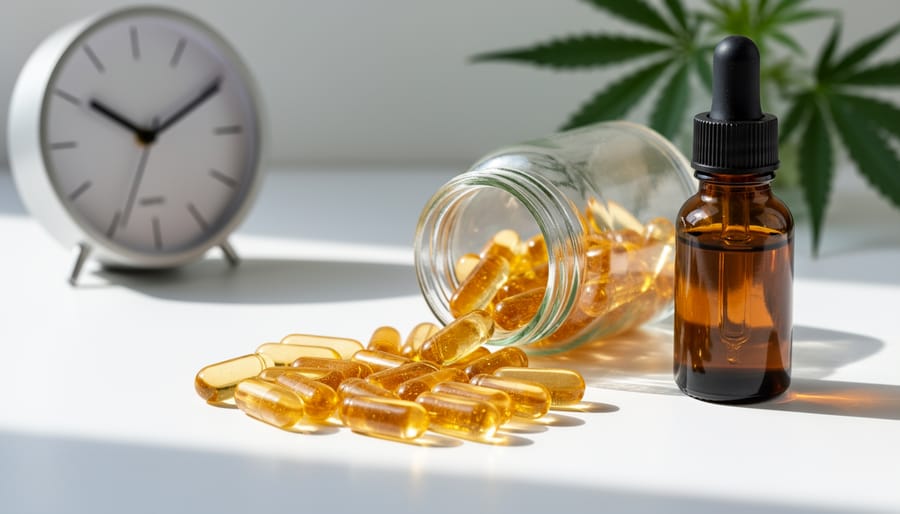
Edibles and capsules offer incredible convenience—pre-measured doses you can take anywhere—but they come with a trade-off in precision. When you swallow CBD, it travels through your digestive system and liver before reaching your bloodstream, which significantly reduces bioavailability to around 6-15%. This means if you take a 25mg capsule, your body might only use 2-4mg effectively. Because of this, edible doses typically need to be 2-3 times higher than sublingual oils to achieve similar effects.
The onset time is also much slower—expect to wait 60-90 minutes before feeling anything, though effects can last 6-8 hours once they kick in. I’ve learned the hard way not to take a second dose too soon when nothing seems to be happening!
When converting from oil to edibles, a general rule is to multiply your effective oil dose by 2.5. So if 10mg of oil works for you, try starting with 25mg in capsule form. Capsules provide more consistency than homemade edibles, where CBD distribution can be uneven. Always check product labels for per-serving CBD content, and remember that taking edibles with fatty foods can improve absorption.
Topicals: A Different Calculation Entirely
Topical CBD products play by entirely different rules than oils, capsules, or edibles. When you apply a CBD cream or balm to your skin, you’re targeting a specific area rather than your entire system, which means the dosage calculations we’ve discussed simply don’t apply here.
With topicals, concentration matters far more than total milligrams. A cream with 500mg of CBD in a 100ml jar delivers roughly 5mg per gram of product. You’re not absorbing all that CBD into your bloodstream; instead, it’s interacting with cannabinoid receptors in your skin and surrounding tissue for localized relief.
I’ve learned through trial and error that checking the mg per ml or mg per gram is crucial. For minor muscle soreness, I might use a product with 3-5mg/ml, but for more stubborn joint discomfort, I look for 8-10mg/ml or higher.
The beauty of topicals is their safety profile. You can reapply as needed without worrying about systemic effects or building up CBD levels in your body. Start with a small amount on the affected area, wait 45-60 minutes to assess, then reapply if needed. Most Canadians I’ve spoken with find success applying topicals 2-3 times daily to problem areas.
Canadian-Specific Dosing Considerations
Understanding Canadian Product Labels
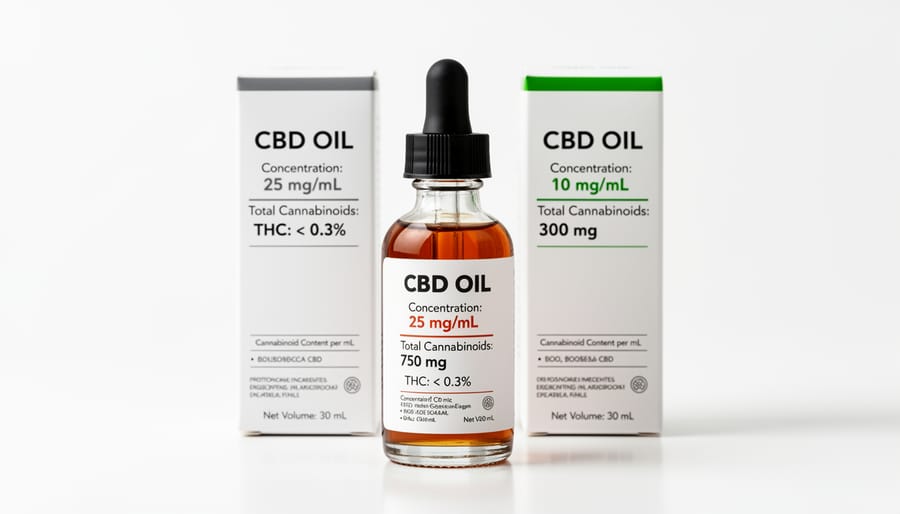
Canadian CBD products can look confusing at first glance, but once you understand the labeling, calculating your dose becomes straightforward. You’ll typically see concentration expressed as mg/mL (milligrams per milliliter) on oils and tinctures, or total mg on capsules, edibles, and topicals.
Here’s what this means in practice: if you have a CBD oil labeled 30 mg/mL and your dropper holds 1 mL, each full dropper contains 30 mg of CBD. Most droppers have markings at 0.25 mL, 0.5 mL, and 0.75 mL, making it easy to measure partial doses. For a 15 mg dose, you’d fill to the 0.5 mL mark.
For capsules and edibles sold in Canadian dispensaries, the total mg per piece is clearly labeled. A package might say “10 mg CBD per gummy,” which means each gummy delivers exactly 10 mg—no math required.
I remember being completely baffled by my first bottle of CBD oil until I realized the dropper itself was my measuring tool. Once I understood that the concentration times the volume equals my dose, everything clicked. Canadian regulations require this information to be clearly displayed, which honestly makes dosing much more reliable than products from unregulated markets.
When Your Dose Stops Working (And What To Do)
I’ve noticed with my own CBD use that after several weeks, the effects I initially felt seemed less pronounced. This is completely normal—CBD tolerance develops differently than with other substances, but it can happen.
If your current dose isn’t providing the same relief, resist the urge to immediately double your intake. First, assess whether external factors have changed—stress levels, sleep quality, diet, or other medications can all influence how CBD works. I learned this the hard way when I kept increasing my dose during a particularly stressful month, only to realize the issue wasn’t tolerance at all.
Consider implementing a cycling strategy. Some users find success taking CBD for five days, then taking two days off each week. Others prefer a more extended approach, using CBD consistently for four to six weeks, then taking a week-long break to reset their system.
Small, incremental adjustments work better than dramatic increases. If you’ve been stable at 20mg but feel it’s losing effectiveness, try increasing to 25mg rather than jumping to 40mg.
Here’s when you should consult a healthcare provider instead of adjusting on your own: if you’re taking other medications (CBD can interact with certain drugs), if your underlying condition is worsening despite CBD use, or if you find yourself needing to increase doses frequently. In Canada, physicians familiar with cannabis medicine can provide guidance tailored to your specific health situation and ensure CBD remains an appropriate option for your needs.
Finding your ideal CBD dosage is truly a personal journey, and that’s perfectly okay. There’s no universal magic number that works for everyone, which means patience and careful self-observation are your best friends as you explore what works for your body. Remember to start low, increase gradually, and give each dose level at least a few days before making changes. Keep notes about how you feel, what time of day you take CBD, and any shifts you notice in your symptoms or overall wellbeing.
It’s also important to remember that CBD is just one tool in your wellness toolkit. It works best when combined with other healthy lifestyle choices like quality sleep, nutritious food, regular movement, and stress management practices. Don’t expect CBD to be a cure-all, but do stay open to the subtle ways it might support your health goals.
I’ve spent years helping Canadians navigate the CBD landscape, and I’m genuinely committed to ensuring you have accurate, unbiased information to make informed choices. With the dosage chart and guidance provided here, you’re equipped to begin your own CBD journey safely and confidently. Trust yourself, listen to your body, and don’t hesitate to consult healthcare professionals when needed. You’ve got this.