
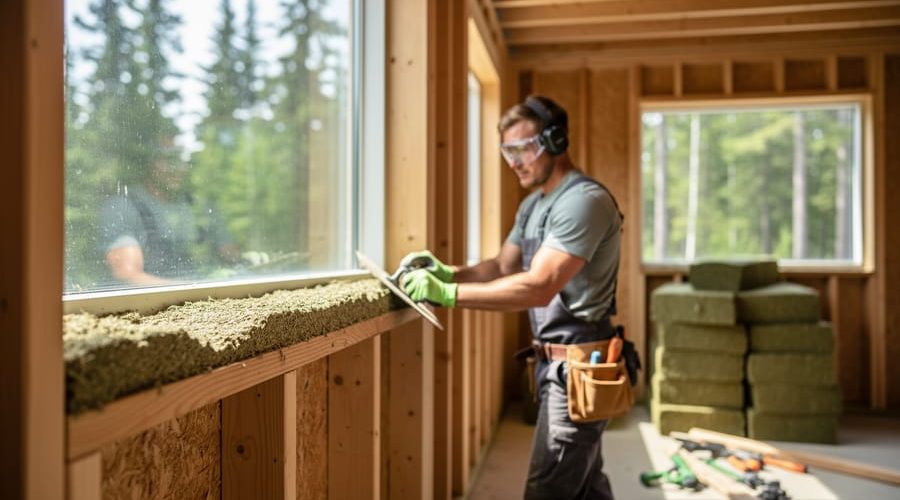
Consider the connection between your CBD wellness journey and the spaces where you live. If you’re already choosing hemp-derived CBD products for their natural benefits, you might be surprised to learn that the same plant family is quietly transforming how Canadians build and renovate their homes. Hemp building materials like hempcrete, insulation, and fiberboard offer carbon-negative alternatives to conventional construction products, aligning with the same environmental values that often draw people to CBD in the first place.
The green building materials market in Canada is experiencing significant growth, driven by stricter building codes, consumer demand for healthier indoor environments, and government incentives for sustainable construction. For CBD users who already understand hemp’s versatility, exploring construction applications represents a natural extension of plant-based living. These materials aren’t just environmentally friendly on paper—they actively improve air quality, regulate humidity, and resist mold, creating healthier homes while sequestering carbon.
I started researching hemp construction materials after renovating my own home and wanting options that matched my commitment to natural wellness products. What I discovered was a surprisingly robust market with real Canadian applications, from residential renovations to commercial projects. Whether you’re planning a building project or simply curious about how hemp extends beyond CBD, understanding this market reveals practical ways to align your living spaces with your values while supporting Canada’s growing hemp industry.
What Makes Hemp a Green Building Material?
If you’re familiar with CBD products, you already know the cannabis plant has incredible versatility. But did you know that same plant family offers solutions for sustainable construction? Let me break down what makes hemp such a standout in the green building materials market.
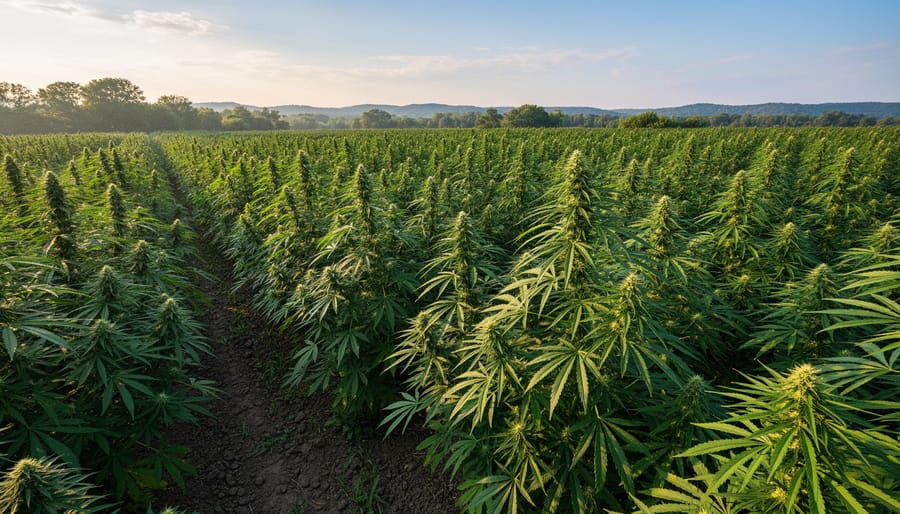
First, it’s important to understand the difference between industrial hemp and CBD hemp. While CBD hemp is cultivated for its cannabinoid-rich flowers, industrial hemp is grown specifically for its strong fibrous stalks and seeds. Both come from the same plant species, Cannabis sativa, but they’re harvested differently and serve distinct purposes. Industrial hemp contains negligible THC levels and focuses on structural strength rather than therapeutic compounds—though both represent valuable cannabis plant applications.
What truly sets hemp apart as a green building material is its remarkable carbon sequestration ability. As hemp grows, it actively pulls carbon dioxide from the atmosphere and stores it within its fibrous structure. When processed into building materials like hempcrete or insulation panels, that carbon remains locked away for the building’s lifetime—sometimes decades or even centuries. Essentially, hemp construction materials act as carbon sinks, helping offset greenhouse gas emissions.
The growth cycle is another game-changer. Hemp reaches maturity in just 90 to 120 days, making it one of the fastest-growing crops available for construction purposes. Compare that to traditional timber, which requires years or decades to harvest sustainably. This rapid renewal means hemp can be produced repeatedly within a single growing season without depleting resources.
Hemp also requires minimal intervention while growing. It naturally resists most pests, reducing the need for chemical pesticides. It thrives in various soil conditions and actually improves soil health by preventing erosion and adding nutrients back into the earth. The deep root systems break up compacted soil, leaving farmland healthier after harvest.
These combined factors—carbon absorption, rapid growth, low environmental impact, and renewable availability—make hemp a genuinely sustainable choice for Canadian builders exploring eco-friendly alternatives.
The Main Hemp-Based Building Materials You Should Know About
Hempcrete: The Star Player
If you’ve been following the cannabis plant family, you already know hemp for CBD and wellness products. But here’s something that might surprise you: this versatile plant is also revolutionizing sustainable construction in Canada through a material called hempcrete.
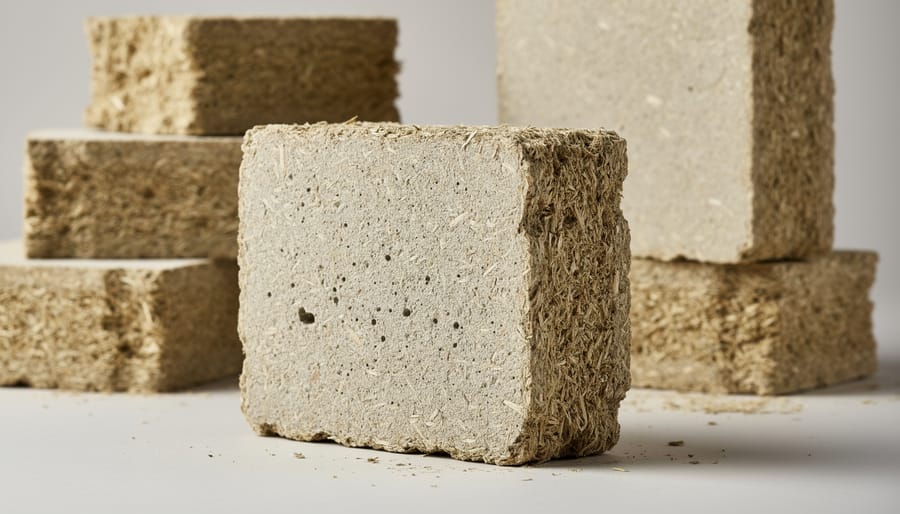
Hempcrete is a bio-composite made from the woody core of industrial hemp plants (called hemp hurd or shiv) mixed with a lime-based binder and water. The result is a lightweight, breathable building material that’s nothing like traditional concrete, despite the name. It’s actually more like a solid insulation that can be used for walls, floors, and roofing systems.
What makes hempcrete special? First, it’s carbon-negative. The hemp plant absorbs CO2 as it grows, and that carbon stays locked in the walls of your building for decades. The lime binder also absorbs CO2 as it cures, making the entire material a carbon sink rather than a source of emissions.
Second, hempcrete regulates moisture naturally. It’s breathable, preventing mold and creating healthier indoor air quality. It also provides excellent thermal and acoustic insulation, keeping Canadian homes warm in winter and cool in summer while reducing noise pollution.
Canadian builders are increasingly turning to hempcrete for renovations and new builds, particularly in eco-conscious communities across British Columbia, Ontario, and Quebec. If you’re curious about the process, you can learn how to make hempcrete yourself, though most projects involve working with specialized contractors who understand proper mixing ratios and application techniques.
Hemp Insulation and Other Products
If you’re familiar with hemp through CBD products, you might be surprised to learn that this versatile plant is making serious waves in sustainable construction. Hemp insulation and other building materials are gaining traction across Canada as eco-conscious homeowners and builders seek alternatives to conventional products.
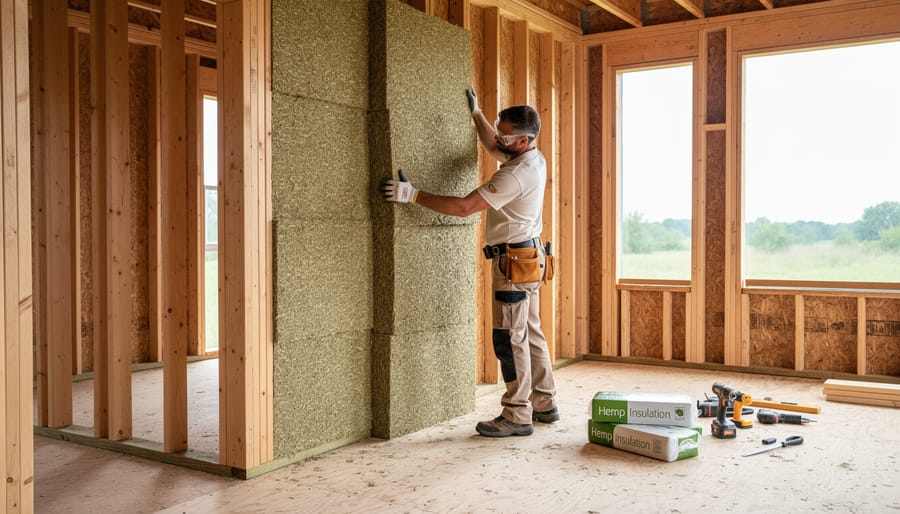
Hemp insulation works similarly to traditional fibreglass batts but offers several advantages. It’s naturally breathable, moisture-resistant, and provides excellent thermal performance—keeping your home warm in Canadian winters and cool during summer heat waves. Unlike fibreglass, hemp doesn’t irritate your skin during installation, making it friendlier for DIY enthusiasts. The material is created from the woody core of industrial hemp plants, which are processed into dense, fibrous batts that fit between wall studs or attic joists.
Beyond insulation, hemp is being transformed into fiberboard for wall sheathing and subflooring. These boards are durable, lightweight, and naturally resist mould—a significant concern in humid Canadian climates. Some manufacturers are even producing hempcrete, a mixture of hemp hurds and lime that creates breathable, carbon-negative walls.
For residential applications, hemp insulation works beautifully in new construction, renovations, and even soundproofing projects between rooms. Commercial builders are exploring hemp products for office buildings and retail spaces where sustainability certifications matter.
The practical reality? Hemp building materials typically cost more upfront than conventional options, though prices are gradually becoming more competitive as production scales up. Availability can be limited in some Canadian regions, so planning ahead for material sourcing is essential. However, the long-term benefits—improved air quality, reduced energy costs, and a smaller environmental footprint—make hemp products worth serious consideration for your next building project.
The Legal Landscape for Hemp Building Materials in Canada
If you’re considering hemp-based building materials for your home or renovation project in Canada, you might be wondering whether it’s actually legal to use these products. I remember when I first learned about hempcrete—my initial thought was, “Wait, can I really build with something related to cannabis?” The short answer is yes, absolutely, and understanding the legal framework will help you move forward with confidence.
The 2018 Cannabis Act was a game-changer for Canada, but here’s what many people don’t realize: industrial hemp has been legal to cultivate in Canada since 1998, long before recreational cannabis legalization. The distinction is crucial. Industrial hemp is defined as cannabis plants containing 0.3% THC or less—far too low to produce any psychoactive effects. This means hemp building materials have never been in the same legal category as cannabis products you might consume.
Building codes in Canada don’t specifically prohibit hemp-based materials, but they do require that any construction material meets certain performance standards. Hempcrete, hemp insulation, and hemp fiberboard need to comply with provincial and territorial building codes just like conventional materials. The good news is that testing and certification are increasingly available as these products gain market traction. Some provinces have been quicker to embrace hemp construction than others, with Quebec and Ontario leading the way in projects and regulatory clarity.
Health Canada regulates hemp cultivation through licensing, ensuring that only approved varieties with minimal THC are grown. This oversight provides quality assurance for the raw materials entering the building supply chain. When you purchase hemp building materials from reputable suppliers, you’re getting products derived from legally grown, tested hemp.
One common misconception I encounter is that using hemp materials might somehow violate local bylaws or affect property values. In reality, these materials are simply alternative construction products, no different legally than choosing bamboo flooring or recycled steel. Your insurance company won’t flag hempcrete walls, and your municipal inspector will evaluate them based on building performance standards, not cannabis-related concerns.
For anyone still hesitant, think of it this way: the hemp plant is incredibly versatile, and construction applications tap into its structural properties while leaving behind any associations with consumption. You’re choosing sustainability, not making a statement about cannabis policy.
Real Benefits: Why Builders Are Making the Switch
When I first learned that builders were actually choosing hemp-based materials over conventional options—not just for environmental reasons, but because they perform better—I’ll admit I was skeptical. But the practical advantages are genuinely changing how construction happens, particularly here in Canada where our climate demands materials that can handle extreme conditions.
Let’s start with what matters most to anyone footing the bill for a building project: long-term cost savings. Hemp insulation and hempcrete deliver exceptional energy efficiency benefits that translate directly to lower heating and cooling expenses. We’re talking about R-values comparable to or exceeding fiberglass, but with superior performance in real-world conditions. Canadian builders in Ontario and British Columbia report heating cost reductions of 20-30% in homes using hemp-based insulation compared to conventionally insulated structures of similar size.
The moisture regulation aspect is particularly valuable in our climate. Unlike traditional insulation that can trap moisture and encourage mold growth, hemp naturally regulates humidity. It absorbs excess moisture when humidity is high and releases it when conditions are dry. For anyone who’s dealt with basement mold or attic condensation issues, this property alone can prevent thousands in remediation costs. One contractor I spoke with in Nova Scotia mentioned he’s seen zero moisture-related callbacks on projects using hemp insulation over a five-year period.
Here’s something that surprised me: hempcrete actually gets stronger over time. Through a process called carbonation, the material absorbs carbon dioxide from the air and gradually mineralizes, increasing in strength and density. You’re literally building with a material that removes carbon from the atmosphere while improving its structural properties. It’s the opposite of most building materials that degrade from day one.
Durability is another practical win. Hemp-based materials are naturally pest-resistant—no chemical treatments needed—and fire-resistant. They don’t provide food for insects, and they won’t support combustion the way wood framing does.
The health benefits hit home for me personally. Hemp materials emit no volatile organic compounds (VOCs), which means better indoor air quality from day one. For families with allergies, asthma, or chemical sensitivities, this isn’t just a nice feature—it’s transformative. Unlike fiberglass that can irritate skin and lungs during installation, hemp is safe to handle without protective gear beyond basic gloves.
The Challenges You Need to Consider
Let me be honest with you—while hemp-based building materials offer impressive benefits, they’re not without their challenges, especially here in Canada. Understanding these limitations upfront will help you make informed decisions and set realistic expectations.
Cost is often the first hurdle. Hemp building materials typically come with a higher price tag than conventional options. Hempcrete, for instance, can cost 10-20% more than traditional insulation and building materials. This premium reflects both the specialized production processes and the current market scale. As someone who’s navigated plenty of CBD product pricing conversations, I understand that initial investment concerns are valid—though it’s worth considering the long-term energy savings these materials can provide.
Availability presents another practical challenge. Unlike lumber or drywall that you can find at any hardware store, sourcing hemp building materials in Canada requires more effort. The market is still developing, and depending on your region, you might face limited supplier options or longer lead times. Some builders report waiting weeks for shipments, which can delay construction timelines.
Building codes add complexity too. While hemp materials are gaining recognition, not all municipalities have updated their regulations to explicitly include them. You may need to work with inspectors who are unfamiliar with these products, potentially requiring additional documentation or testing to demonstrate compliance.
The construction expertise requirement shouldn’t be underestimated either. Installing hempcrete isn’t like hanging drywall—it requires specific knowledge and techniques. Finding contractors experienced with these materials can be challenging, and bringing someone on board without that background means factoring in a learning curve.
Finally, hemp materials often need longer drying times than conventional options. Hempcrete, for example, can take several weeks to fully cure, which extends construction schedules and requires careful project planning.
Where to Find Hemp Building Materials in Canada
Finding hemp building materials in Canada requires a bit of detective work, but the market is growing steadily. Your best starting point is online research combined with direct outreach to manufacturers and distributors who specialize in sustainable construction materials.
Several Canadian companies now produce or import hemp-based building products, though availability varies significantly by province. Start by searching for “hempcrete suppliers Canada” or “hemp insulation Canada” to identify regional options. Many suppliers operate primarily in Ontario, Quebec, and British Columbia, where hemp cultivation is more established, but they often ship across the country.
When I first explored this market for a friend’s renovation project, I was surprised to find that many conventional building supply stores had never heard of hemp materials. Your success will likely come from contacting specialty green building retailers, natural building consultants, or directly reaching out to hemp processors who may connect you with their distribution networks.
Before committing to any supplier, ask these essential questions: What certifications do their products hold? Are they familiar with Canadian building codes in your region? Can they provide technical support or connect you with experienced installers? What’s the lead time for orders, and do they offer sample materials?
Check whether products meet Canadian standards for your specific application, particularly for insulation R-values and fire ratings. Request documentation on the hemp source—ideally Canadian-grown—and ask about the binder materials used, especially in hempcrete products.
Don’t hesitate to join online forums or Facebook groups focused on natural building in Canada, where members often share supplier recommendations and real-world experiences with different products and companies.
If you’ve been exploring CBD and the potential of the cannabis plant, I hope this look into hemp-based building materials has opened your eyes to just how versatile this plant family truly is. Beyond the wellness products many of us have come to trust, hemp is quietly revolutionizing sustainable construction right here in Canada. From hempcrete walls that regulate moisture and temperature to insulation that outperforms conventional materials while capturing carbon, these applications demonstrate the plant’s remarkable potential for environmental good.
The green building materials market in Canada is growing steadily, and hemp is positioned to play an increasingly important role. As someone who’s spent years learning about cannabis regulations and applications in our country, I’m genuinely excited about where this is heading. The same provincial and federal frameworks that have made CBD accessible are now supporting hemp’s expansion into construction, creating opportunities for truly sustainable building practices.
Whether you’re planning a renovation, considering a new build, or simply curious about sustainable alternatives, hemp-based materials deserve a spot on your research list. The future of green building in Canada looks promising, and hemp is helping build it, one eco-friendly brick at a time.