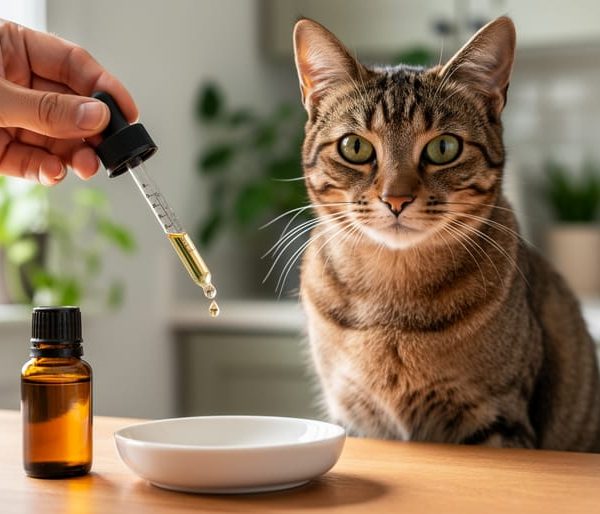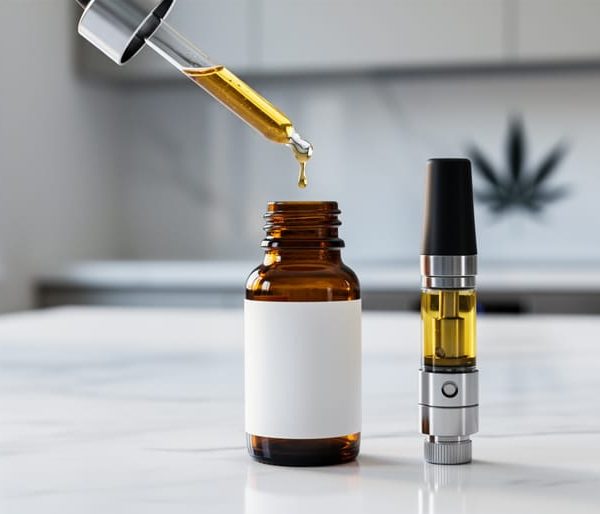
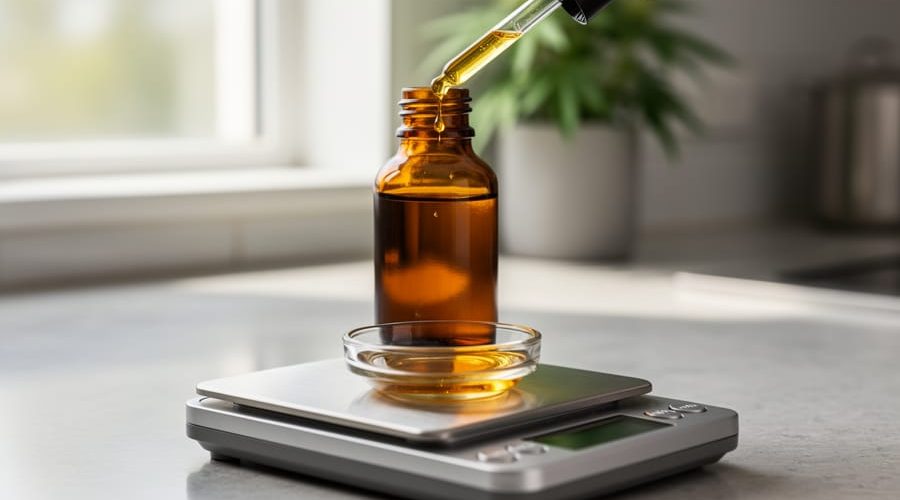
Measure 2 grams of cannabis oil using a digital scale calibrated to 0.1-gram precision, or count approximately 40 drops from a standard dropper bottle if you don’t have a scale. For most Canadian cannabis oils containing 20-30mg THC per milliliter, 2 grams translates to roughly 2 milliliters of product, which could deliver anywhere from 40-60mg of THC depending on your specific oil’s potency.
Start with a fraction of this amount if you’re new to cannabis. I learned this the hard way during my first experience with oil when I assumed “more is better” and ended up uncomfortably sedated on my couch for hours. Most beginners should begin with 0.1-0.2 grams (2-4 drops) and wait 90 minutes to assess effects before considering more. Experienced users might comfortably handle 0.5-1 gram at a time, while 2 grams represents a substantial dose best reserved for those with established tolerance or specific medical needs under healthcare guidance.
Understanding proper cannabis oil usage methods matters as much as the dose itself. You can place the oil under your tongue for faster absorption, mix it into food or beverages for slower onset, or use it topically for localized effects without intoxication. Each method changes how quickly and intensely you’ll feel the effects.
Under Canadian regulations, legally purchased cannabis oils must display THC and CBD content clearly on packaging, making dose calculation straightforward once you understand the measurements.
Understanding the ‘2 Grams’ Measurement
Weight vs. Volume: Why It Matters
When I first started using cannabis oil, I made the rookie mistake of confusing grams with milliliters, and let me tell you, it created some confusion. Here’s the thing: grams measure weight, while milliliters measure volume. They’re not interchangeable, especially with oil.
Cannabis oil is denser than water, so 2 grams doesn’t equal 2 milliliters. Most cannabis oils have a density between 0.9 and 1.0 grams per milliliter, meaning 2 grams of oil typically equals about 2 to 2.2 milliliters. This might seem like a small difference, but it matters when you’re trying to dose accurately.
In Canada, licensed producers often label their products in milliliters on the bottle, but Health Canada’s purchase limits are calculated in grams of dried flower equivalent. This can create confusion when you’re trying to figure out exactly how much you’re consuming.
For practical purposes, if your oil bottle has a dropper marked in milliliters, you’ll need roughly 2 to 2.2 ml to get 2 grams of oil. Most standard droppers hold about 1 ml when full, so you’re looking at approximately two full droppers. Always check your product’s specific density if precise measurement matters for your dosing needs.
What 2 Grams Looks Like in Practice
Understanding what 2 grams of cannabis oil actually looks like can help you measure accurately and dose with confidence. Since oil has different density than water, 2 grams doesn’t directly translate to 2 milliliters, though they’re close enough for practical purposes.
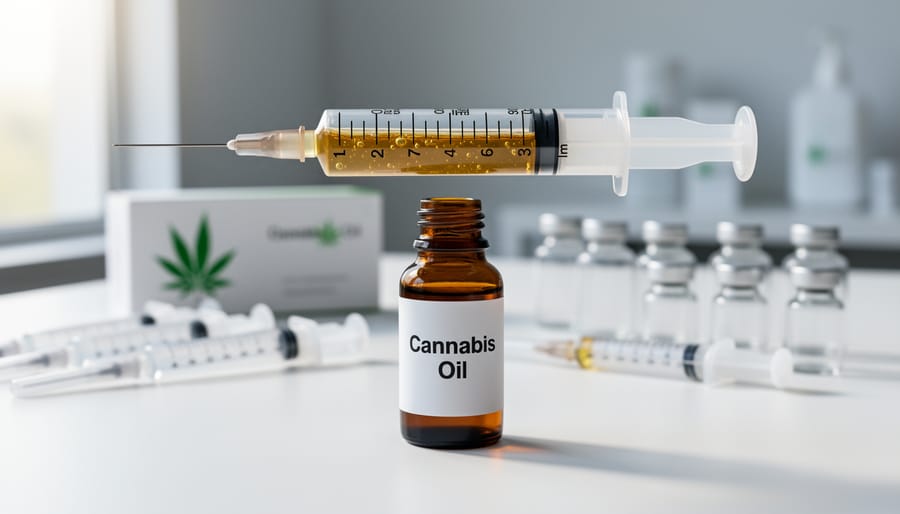
Visually, 2 grams of cannabis oil typically measures just under half a teaspoon, roughly 1.8 to 2 milliliters depending on the oil’s thickness and carrier base. If you’ve ever used a standard oral syringe (which most Canadian cannabis oils come with), it’s about two full 1ml syringes. Picture a small puddle about the size of a dime when dropped onto a surface.
When I first started measuring my CBD oil doses, I was surprised by how little 2 grams actually was. I remember carefully counting out the increments on my syringe, expecting more volume for what seemed like a substantial number. But that small amount can pack quite the punch, depending on concentration.
Most licensed producers in Canada provide graduated syringes or droppers with milliliter markings, making measurement straightforward. If your product lists potency per gram or per milliliter, you can easily calculate your cannabinoid intake. For reference, a standard eyedropper typically holds about 1ml, so you’d need two full droppers to reach approximately 2 grams. Always use the measuring tools provided rather than estimating with household spoons for consistent, safe dosing.
Cannabis Oil Usage Methods for 2 Gram Doses
Sublingual Administration
Sublingual administration is one of the most effective ways to use cannabis oil, offering faster absorption than edibles while remaining simple and discreet. When taking 2 grams sublingually, you’ll place the measured dose under your tongue and hold it there for 60-90 seconds before swallowing. This allows the cannabinoids to absorb directly into your bloodstream through the thin tissue under your tongue.
For accurate measurement, most cannabis oils come with a graduated dropper or syringe. If 2 grams is your target dose, check the concentration on your product label. A standard 1ml of oil typically weighs about 0.9-1 gram, so you’d need approximately 2ml to achieve 2 grams. I learned this the hard way when I first started, assuming volume and weight were identical.
Expect effects to begin within 15-45 minutes, peaking around the 90-minute mark. This is considerably faster than edibles but slower than inhalation methods. The experience tends to last 4-6 hours depending on your metabolism and the oil’s formulation.
One tip from my experience: avoid eating or drinking for 10-15 minutes after administration to maximize absorption. The taste can be quite earthy and strong, so having a glass of water nearby helps, but wait those crucial minutes first. This small patience pays off in effectiveness.
Edible Incorporation
Mixing 2 grams of cannabis oil into food or beverages is one of the most popular consumption methods, especially for those who dislike the taste of oil taken sublingually. The key consideration here is that cannabinoids are fat-soluble, meaning they bind best with fatty ingredients rather than water-based ones.
For best results, incorporate your oil into foods containing healthy fats like avocado toast, smoothies with nut butter, yogurt with full-fat content, or salad dressings made with olive oil. I personally love adding my dose to morning coffee with a splash of cream or coconut oil, which helps the cannabinoids absorb while masking any hemp flavor.
When baking, you can substitute 2 grams of cannabis oil directly into recipes calling for butter or cooking oil. Just remember that heating cannabis oil above 180°C (356°F) may degrade some cannabinoids, so low-temperature recipes like no-bake energy balls or overnight oats work wonderfully.
For beverages, emulsifying the oil is important since it won’t naturally mix with water-based drinks. Adding it to hot chocolate, protein shakes, or smoothies with fatty ingredients ensures better distribution and absorption. Some Canadians prefer purchasing water-soluble cannabis beverages from licensed retailers if mixing proves challenging.
Start by fully incorporating your measured dose into the fatty component of your recipe before adding other ingredients. This ensures even distribution and consistent effects throughout your meal.
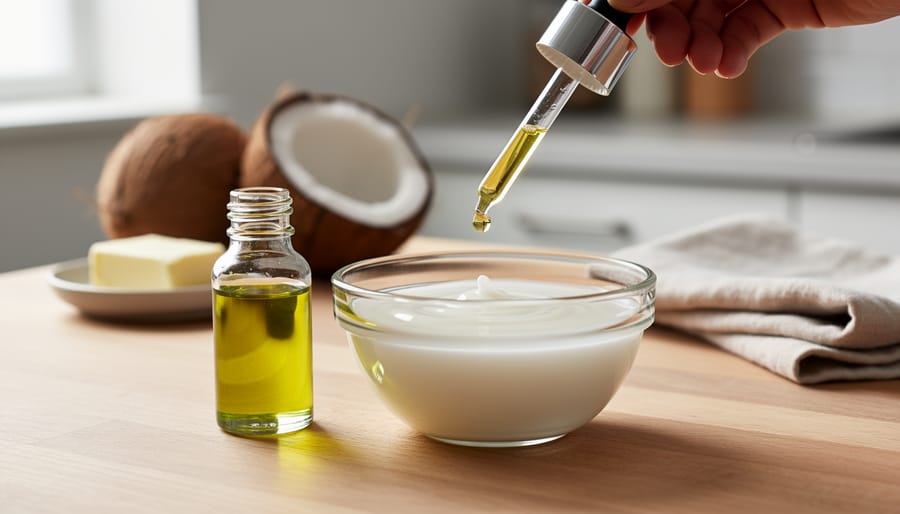
Capsule Filling
Dividing 2 grams of cannabis oil into capsules offers precise, consistent dosing without the need to measure each time. This method is particularly helpful if you prefer swallowing capsules over sublingual administration or want portable, discreet options for on-the-go use.
You’ll need empty gelatin or vegetarian capsules, typically size 00 or 0, which hold approximately 0.5 to 0.95 milliliters. A simple capsule filling machine makes the process faster, though you can fill capsules individually using a small syringe or dropper. For filling your own capsules, gently warm your oil if it’s too thick to work with easily—just don’t overheat it.
Canadian suppliers like Amazon.ca, Vitacost, and specialty retailers such as Harmonic Arts or health stores carry empty capsules. A bag of 100 capsules typically costs between five and fifteen dollars.
When I first tried making capsules, I learned quickly that working in a cool room helps prevent the oil from becoming too runny. If your 2 grams contains 20mg THC per dose and you’re using size 00 capsules, you might create four capsules at 0.5 grams each, delivering consistent 5mg doses.
Store filled capsules in a cool, dark place to prevent degradation. Label them clearly with contents and dosage to maintain safe, controlled consumption.
Topical Application
For targeted relief, 2 grams of cannabis oil can be applied directly to the skin, though you’ll want to dilute it properly first. I learned this the hard way when I tried using concentrated oil straight on sore muscles—it was incredibly sticky and difficult to spread evenly.
The key is mixing your 2 grams with a carrier product. Popular options include unscented lotions, coconut oil, or shea butter. A good starting ratio is mixing those 2 grams into about 30-50 ml of carrier, which creates a manageable consistency. This dilution makes application easier while still delivering concentrated cannabinoids to the affected area.
Topical application makes the most sense when you’re dealing with localized discomfort like muscle soreness, joint stiffness, or skin irritation. The cannabinoids interact with receptors in your skin without entering your bloodstream, meaning you won’t experience psychoactive effects—even with THC-containing oils. This is particularly helpful for Canadians who need relief during work hours or while managing daily responsibilities.
Apply the mixture directly to clean, dry skin and massage gently until absorbed. You can reapply as needed, typically every 4-6 hours. Start with a small test area first to ensure you don’t have any sensitivity to the formulation. Remember that topical effects are localized, so this method won’t address systemic issues the way oral consumption might.
Is 2 Grams Right for You?
Potency Considerations
Here’s the thing about cannabis oil that caught me off guard when I first started exploring it: the label concentration matters way more than the actual volume. Two grams of oil can deliver vastly different experiences depending on its potency.
In Canada, you’ll commonly find CBD oils ranging from 10 mg/mL to 30 mg/mL, while THC oils typically range from 15 mg/mL to 40 mg/mL. Let’s break down what 2 grams actually means for your body.
Since oil density is roughly 0.9 grams per milliliter, 2 grams equals approximately 2.2 mL. With a 20 mg/mL CBD oil, that 2 grams contains about 44 mg of CBD. However, the same volume of a 30 mg/mL product delivers 66 mg of CBD—a 50% increase in active cannabinoids.
For THC products, the calculations become even more critical. Two grams of a 25 mg/mL THC oil contains roughly 55 mg of THC. For reference, Health Canada considers 10 mg of THC a standard recreational dose, meaning this amount represents over five servings for most people.
I always recommend using a CBD oil calculator to determine your exact dosage based on the product’s specific concentration. This removes the guesswork and helps you achieve consistent results.
When comparing products at your local dispensary, don’t just look at the price per bottle. Calculate the cost per milligram of active cannabinoid to understand the real value. A cheaper bottle with lower concentration might actually cost you more in the long run.
Beginner vs. Experienced User Guidelines
For complete beginners, 2 grams of cannabis oil is likely too much to start with. I learned this the hard way early in my CBD journey when I assumed more was better. If you’re new to cannabis oils, whether CBD or THC, the golden rule is to start low and go slow. Most safe dosing guidelines recommend starting with just 0.25 to 0.5 grams to assess your body’s response, especially with THC products available in Canada’s legal market.
For experienced users, 2 grams might be perfectly reasonable depending on your tolerance and goals. If you’ve been using cannabis oils regularly and understand how your body responds, this amount could represent a week’s supply or even a few days’ worth for managing chronic conditions. Many regular users find that 2 grams provides a practical quantity for consistent daily dosing without constant reordering.
Your goals matter significantly here. Someone microdosing CBD for general wellness might stretch 2 grams over several weeks, while someone managing chronic pain with higher-potency THC oil might use this amount more quickly. The concentration of cannabinoids in your oil also plays a crucial role. A 2-gram portion of a low-potency CBD oil differs drastically from the same amount of a high-THC concentrate.
Bottom line: consider 2 grams as a moderate quantity that suits experienced users best, while beginners should view it as a longer-term supply to work through gradually as they build familiarity with effects and optimal personal dosing.
Measuring and Storing Your 2 Gram Dose
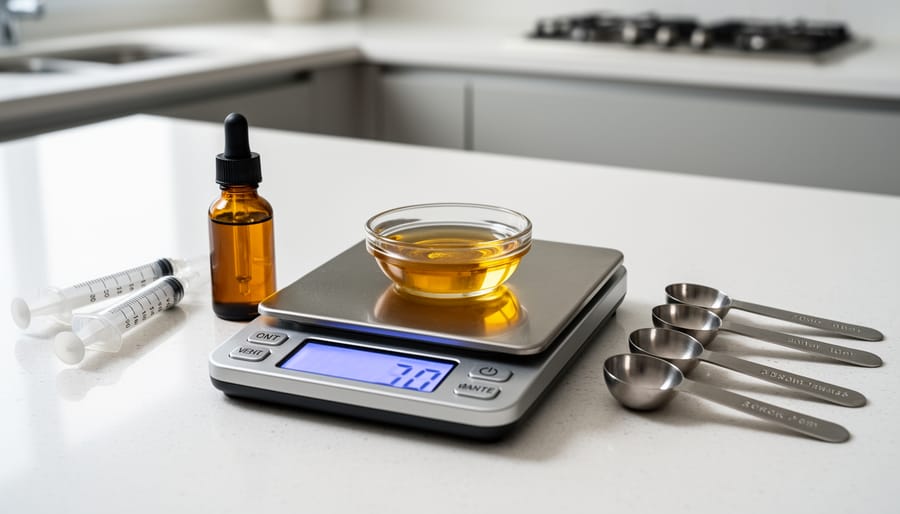
Tools for Accurate Measurement
Measuring 2 grams of cannabis oil accurately doesn’t require expensive equipment, but the right tools make a real difference. Here’s what I’ve found works best for Canadian users at different price points.
For precision measurement, a digital scale is your best friend. Look for one that measures to at least 0.01 grams (10 milligrams). Models like the American Weigh Scales AWS-100 or Fuzion Digital Pocket Scale are available on Amazon.ca for $15-30 and work perfectly for this purpose. I personally keep mine in my kitchen drawer and use it for both oil and ingredient measurements.
If you’re working with liquid oils, 1mL oral syringes provide excellent accuracy since cannabis oil typically weighs close to 1 gram per milliliter. You can pick these up at most Canadian pharmacies like Shoppers Drug Mart or Rexall for just a few dollars. Ask at the pharmacy counter if you don’t see them on shelves.
For budget-conscious users, measuring spoons can work in a pinch. A half-teaspoon holds approximately 2 grams of oil, though this method is less precise due to oil viscosity variations.
Many licensed producers in Canada sell their oils in bottles with graduated droppers or syringes included, which takes the guesswork out entirely. When purchasing, check whether measurement tools come with your product to save money and ensure compatibility.
Storage Best Practices
Proper storage is essential for maintaining the potency and safety of your cannabis oil, especially given Canada’s extreme temperature swings. I learned this the hard way one winter when I left a bottle in my car overnight – the oil crystallized in -25°C weather and became difficult to use.
Store your cannabis oil in a cool, dark place away from direct sunlight, ideally between 15-25°C. A kitchen cupboard away from the stove works well, though avoid bathroom cabinets where humidity fluctuates. Canadian winters and summers can be challenging, so during heat waves, consider storing oil in the refrigerator, though this may thicken the consistency temporarily.
If you’ve pre-measured 2-gram doses using a syringe or small container, label them clearly with the date and strain information. Dark glass containers offer better protection than plastic, as light exposure degrades cannabinoids over time. For those measuring doses in advance, small amber glass vials are inexpensive and preserve potency for several months.
During transport, particularly in extreme Canadian weather, keep oil in an insulated bag. If refrigerated oil becomes too thick to dispense, simply hold the bottle in your hands for a minute or place it in lukewarm water. Avoid microwaving, as uneven heating can degrade cannabinoids and create hot spots.
Properly stored cannabis oil typically maintains potency for 12-18 months, though always check for changes in color, smell, or consistency.
Common Mistakes When Using 2 Grams of Cannabis Oil
Over the years, I’ve noticed several patterns in how people misjudge their 2-gram cannabis oil usage, often leading to disappointing or overwhelming experiences.
The most common mistake? Not shaking the bottle. Cannabis oil naturally separates, with cannabinoids settling at different levels. I learned this the hard way when my first few doses seemed weak, then suddenly hit much stronger. Always give your bottle a thorough shake before measuring to ensure consistent potency throughout.
Another frequent error is ignoring the carrier oil. Many Canadians don’t realize that 2 grams of cannabis oil isn’t pure THC or CBD—it’s cannabinoids suspended in a carrier like MCT or hemp seed oil. The actual cannabinoid content depends on the concentration listed on your Health Canada-approved product label. Assuming all 2 grams is active cannabinoid leads to serious miscalculations.
Starting with the full 2 grams without tolerance is genuinely risky, especially with THC oils. I’ve heard countless stories from readers who thought “it’s just oil” and dove in, only to experience intense discomfort for hours. Canadian regulations require clear labeling, but you still need to do the math based on mg/mL concentration.
Temperature mistakes matter too. Storing cannabis oil in direct sunlight or extreme cold degrades cannabinoids or makes measuring difficult. Keep it in a cool, dark cupboard—treating it like you would cooking oil.
Finally, many people forget to track their timing. Cannabis oil effects can take 30 minutes to 2 hours to appear. Taking another dose because “nothing’s happening” often results in accidentally doubling up, creating unexpectedly strong effects later.
Understanding how to use 2 grams of cannabis oil effectively comes down to one essential principle: your individual response matters most. While we’ve explored what this measurement means, how to dose it, and various consumption methods, the real takeaway is that there’s no one-size-fits-all approach. Your body chemistry, tolerance, and wellness goals will guide your ideal amount.
If you’re just starting out with cannabis oil, remember that 2 grams can last you quite a while when you’re beginning with micro-doses. I’ve seen countless newcomers feel anxious about getting their dosing right, but here’s what I always say: you can always take more, but you can’t take less once you’ve consumed it. Start with the smallest possible amount, wait to see how you feel, and gradually adjust from there. This patient approach not only keeps your experience comfortable but also helps you find your sweet spot without wasting product.
For Canadians using cannabis oil, it’s important to remember your legal responsibilities. Keep your products in their original packaging when possible, store them securely away from children and pets, and never share your cannabis with minors. Only purchase from licensed retailers to ensure you’re getting tested, regulated products.
Whether you’re measuring out those first tentative drops or confidently managing your regular routine, trust the process. Pay attention to what your body tells you, keep notes if it helps, and don’t hesitate to adjust your approach as needed. Your cannabis journey is uniquely yours, and finding what works best may take some experimentation. Be patient with yourself as you learn.