
**Unlock Your Body’s Full Potential: The CBD and Nutrition Connection**
Integrate CBD oil into your morning smoothie or post-workout protein shake to support your body’s endocannabinoid system while absorbing essential nutrients—the healthy fats in these beverages actually enhance CBD absorption. Time your CBD intake strategically around meals rich in omega-3 fatty acids like salmon or avocados to maximize bioavailability and help manage inflammation that often undermines your wellness goals.
Track your body’s response by keeping a simple journal that notes CBD dosage, meal timing, energy levels, and how you feel throughout the day—this personalized data reveals patterns that generic advice can’t capture. Start with 10-15mg of CBD daily and adjust based on your unique nutritional needs, stress levels, and physical activity.
Consider CBD as a complement to, not a replacement for, nutrient-dense whole foods. When I first explored CBD’s role in wellness, I discovered that pairing it with an anti-inflammatory diet—rich in leafy greens, berries, and lean proteins—created synergistic effects that neither approach achieved alone. Your endocannabinoid system works alongside your digestive system, and feeding both properly creates a foundation for sustained energy, better sleep, and improved recovery.
In Canada, where CBD products are federally regulated for quality and safety, you have access to reliable options that can genuinely support your nutritional wellness journey. The key is understanding how this cannabinoid interacts with what you eat, when you eat it, and why that timing matters for your specific health goals.
The Science Behind CBD and Your Digestive System

Understanding the Endocannabinoid System and Nutrition
Your body has a built-in system called the endocannabinoid system (ECS) that plays a surprisingly important role in how you process food and maintain digestive wellness. Think of it as your body’s internal balancing act, with receptor sites throughout your digestive tract that influence everything from hunger cues to nutrient absorption.
The ECS has two main types of receptors—CB1 and CB2—and they’re densely concentrated in your gut. CB1 receptors help regulate appetite, metabolism, and those “I’m full” signals your brain receives after eating. CB2 receptors, meanwhile, support gut health by managing inflammation and maintaining the delicate balance of your digestive system.
When I first learned about this connection, I was dealing with unpredictable appetite changes due to stress. Understanding that my ECS was involved in these signals made me realize why supporting this system might help restore balance. For many Canadians navigating digestive discomfort or irregular eating patterns, this knowledge can be empowering.
Here’s what makes this relevant to CBD: cannabinoids from hemp interact with these same receptors, potentially supporting your body’s natural regulatory processes. While CBD doesn’t directly bind to CB1 receptors like THC does, it influences the system indirectly, which is why people explore it for digestive wellness without experiencing psychoactive effects.
Your gut also contains more ECS receptors than almost anywhere else in your body, highlighting just how interconnected your digestive health is with this fascinating biological system.
What Canadian Research Tells Us
While Canada has been progressive in cannabis legalization, it’s important to understand that Health Canada maintains a cautious stance on CBD health claims. Currently, CBD products can only make approved claims related to epilepsy treatment, and manufacturers cannot legally advertise CBD for digestive or nutritional benefits without proper authorization.
That said, Canadian researchers are actively exploring CBD’s potential. A 2021 study from the University of Calgary examined cannabinoid receptors in the digestive system, suggesting promising avenues for future research. Meanwhile, Health Canada continues to evaluate emerging evidence as more clinical trials are conducted.
What does this mean for you? While we can’t make definitive health claims, many Canadians report positive experiences incorporating CBD into their wellness routines. I always encourage consulting with a healthcare provider familiar with cannabis therapeutics—especially if you’re managing specific digestive concerns.
It’s also worth noting that Canadian CBD products undergo rigorous testing standards compared to many other countries. When you purchase from licensed producers, you’re getting products that meet strict quality and purity requirements, which matters significantly when you’re putting something into your body daily.
CBD for Common Dietary Challenges
Managing Stress-Related Eating Patterns
Stress eating is something I understand all too well. During particularly demanding weeks, I’d find myself reaching for comfort foods without even realizing it—a pattern that left me feeling sluggish and frustrated. When I started exploring stress management with CBD, I noticed something unexpected: my impulse to stress-eat began to diminish.
Research suggests CBD may influence the body’s stress response by interacting with receptors that help regulate cortisol, our primary stress hormone. When cortisol levels spike, many of us experience increased cravings for sugary or fatty foods. By potentially helping to moderate these stress responses, CBD might support more mindful eating patterns.
I started taking a CBD oil about an hour before my typically stressful afternoon meetings. Over several weeks, I found myself making more intentional food choices rather than grabbing whatever was closest. This wasn’t magic—I still needed to be conscious of my habits—but CBD seemed to create a buffer between stress and my automatic response to it. Combined with better CBD for sleep, my overall stress levels became more manageable, which naturally improved my relationship with food.
Supporting Digestive Comfort
Many Canadians experience occasional digestive discomfort, from bloating to general gut unease, and CBD is emerging as a potential tool for promoting digestive wellness. Research suggests that CBD may interact with receptors in our gut—which actually contains part of our endocannabinoid system—to help regulate digestive processes and ease discomfort.
I remember dealing with stress-related digestive issues during a particularly busy work period. After researching CBD’s potential benefits, I started incorporating a low dose of CBD oil into my morning routine. While everyone’s experience differs, I noticed my digestive system felt more settled within a couple of weeks.
If you’re considering CBD for digestive comfort, start with a low dose (around 5-10mg) and take it consistently for at least two weeks before assessing results. Timing matters too—some people find taking CBD oil with meals works best, while others prefer it on an empty stomach. Keep a simple journal noting when you take CBD and how your digestion feels throughout the day.
Look for full-spectrum or broad-spectrum products, as the additional cannabinoids and terpenes may work together to support gut health. Always choose products from licensed Canadian producers who provide third-party testing results, ensuring you’re getting clean, quality CBD that’s safe for digestive wellness.
Appetite Balance and CBD
One of the biggest misconceptions I hear is that CBD will give you “the munchies” like cannabis does. Let me clear this up: CBD and THC affect your appetite in completely different ways. THC directly stimulates appetite by interacting with receptors in your brain’s hunger centers. CBD, on the other hand, doesn’t create those intense food cravings.
What CBD may actually do is help restore balance to your appetite regulation. When I started using CBD for anxiety, I noticed something unexpected—my stress-related eating patterns began to normalize. I wasn’t constantly reaching for snacks during stressful workdays, but I also felt more in tune with genuine hunger signals.
Research suggests CBD interacts with your endocannabinoid system, which plays a role in regulating metabolism and appetite. Rather than forcing hunger or suppressing it unnaturally, CBD may support your body’s natural ability to maintain balanced eating patterns.
In my experience, this meant rediscovering what actual hunger felt like versus emotional eating. For Canadians dealing with stress-related eating habits or seeking better food relationships, CBD might offer gentle support—not as a diet pill or appetite stimulant, but as a tool for overall balance. It’s about working with your body’s natural rhythms, not against them.
Incorporating CBD Into Your Nutritional Routine

Choosing the Right CBD Format for Dietary Wellness
When I first explored CBD for nutritional wellness, I was overwhelmed by the sheer variety of formats available. Each delivery method offers distinct advantages depending on your lifestyle and wellness goals.
**CBD oils and tinctures** remain the most popular choice for nutritional purposes. Taken sublingually (under the tongue), they’re absorbed quickly into your bloodstream, typically within 15-30 minutes. The main advantage? Precise dosing control. You can easily adjust your intake drop by drop, which is particularly helpful when you’re starting out. I keep a bottle in my kitchen and add it to my morning smoothie or take it directly before meals.
**Capsules and softgels** provide the ultimate convenience factor. They’re pre-measured, tasteless, and portable—perfect if you’re already taking other supplements. The downside is slower absorption since they must pass through your digestive system first, which can take 45-90 minutes. However, this also means the effects may last longer.
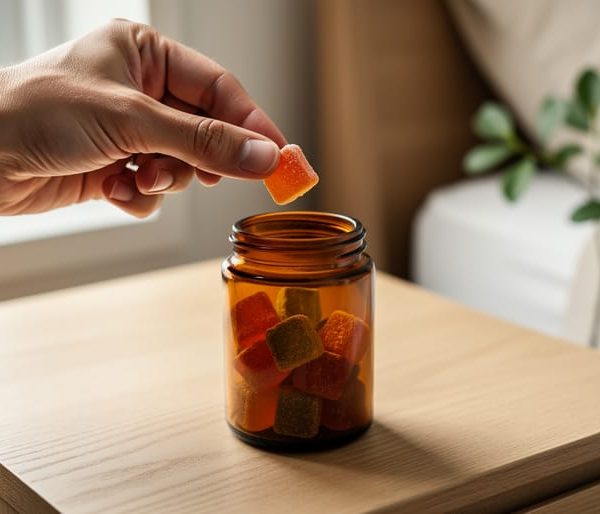
**CBD edibles** like gummies have become incredibly popular across Canada. They’re discreet, taste great, and offer consistent dosing. I’ve found them ideal for maintaining steady CBD levels throughout the day. The trade-off is similar to capsules: delayed onset but extended duration.
**Powders and drink mixes** are emerging options that blend seamlessly into your nutrition routine. They’re water-soluble for better absorption and can be mixed into smoothies, coffee, or protein shakes.
Consider your daily routine, desired onset time, and taste preferences when choosing your format. There’s no “best” option—only what works best for your individual wellness journey.
Timing Your CBD for Optimal Results
Timing plays a crucial role in how effectively your body absorbs and uses CBD for digestive wellness. Based on my experience, taking CBD oil 30 minutes before meals can help prepare your digestive system, particularly if you struggle with appetite regulation or pre-meal discomfort. The fatty acids in CBD oil are better absorbed when consumed with foods containing healthy fats—think avocado, nuts, or olive oil—which naturally enhance bioavailability.
For those dealing with post-meal bloating or discomfort, I’ve found taking CBD shortly after eating can provide targeted relief within 20-40 minutes. Some Canadians prefer incorporating CBD into their morning routine on an empty stomach for general wellness support, though this may cause mild nausea in sensitive individuals.
Consistency matters more than perfection. Whether you choose morning, noon, or evening, maintaining a regular schedule helps your body establish a rhythm. I recommend starting with one consistent time daily and adjusting based on your body’s response. Remember, CBD works best as part of an overall wellness routine rather than a quick fix, so give yourself 2-3 weeks to find your optimal timing.
Dosage Considerations for Nutritional Support
When starting CBD for nutritional support, Health Canada doesn’t provide official dosage recommendations, so most Canadians begin with 5-10mg daily and observe their body’s response. I started with just 5mg in my morning smoothie and gradually increased over two weeks until I noticed improved appetite regulation.
Your ideal amount depends on several factors: body weight, metabolism, and your specific wellness goals. Someone using CBD to support stress-related eating patterns might need a different approach than someone addressing inflammation-related nutritional absorption.
Consider keeping a simple wellness journal tracking your dosage, timing, and any changes in appetite, digestion, or energy levels. This helps identify your “sweet spot” without guesswork.
Start low and adjust slowly—increasing by 5mg increments every 3-5 days allows your endocannabinoid system to adapt. Take CBD with healthy fats like avocado or nut butter to enhance absorption, since cannabinoids are fat-soluble.
Always consult your healthcare provider before beginning CBD, especially if you’re taking medications or have existing health conditions. They can help ensure CBD complements your nutritional plan safely and effectively.
Real Stories: CBD and Nutritional Wellness Journeys

Danielle’s Personal CBD and Nutrition Story
I’ll never forget the morning I realized something had shifted. For years, I’d approached meals with a nagging sense of stress—worrying about inflammation from my autoimmune condition, dealing with digestive discomfort, and feeling like my relationship with food was more clinical than enjoyable. Then I started incorporating CBD into my daily routine, initially just for sleep and anxiety management.
What surprised me wasn’t just the CBD wellness benefits I’d read about—it was how they rippled into my nutrition habits in unexpected ways. Within a few weeks, I noticed I was actually *listening* to my body’s hunger cues instead of eating reactively. My digestion seemed calmer, which meant I could finally enjoy foods that previously triggered discomfort. The chronic inflammation that made meal planning feel like walking through a minefield began to ease.
This shift gave me permission to rebuild my relationship with nutrition from a place of wellness rather than restriction. I started experimenting with anti-inflammatory foods—adding turmeric to my morning smoothie, incorporating more omega-3s—and the combination with CBD felt synergistic. My energy stabilized throughout the day, and those 3 p.m. crashes that used to send me searching for sugar became rare.
CBD didn’t magically solve everything, but it created space for me to make better nutritional choices without the constant background noise of discomfort and stress. That’s when I truly understood how intertwined our wellness practices really are.
Community Insights from Canadian CBD Users
I’ve gathered stories from Canadian CBD users who’ve incorporated it into their wellness routines, and their experiences offer valuable perspectives for anyone considering this path.
Sarah from Vancouver shared that she began using CBD oil about six months ago to help manage her irregular appetite. “I was struggling with stress-related eating patterns,” she told me. “After consulting with my naturopath, I started taking 15mg of CBD daily with breakfast. Within a few weeks, I noticed I was eating more mindfully and feeling satisfied with balanced meals.” Sarah emphasized the importance of maintaining a consistent routine alongside healthy eating habits.
Marcus in Halifax uses CBD to support his recovery after intense workouts. “I’m training for a marathon, and inflammation was holding me back,” he explained. “I take CBD capsules post-workout and feel like my body recovers more efficiently. It’s become as essential as my protein shake.” He stressed that CBD complemented his existing nutrition plan rather than replacing any foundational wellness practices.
From my own experience in Toronto, I found CBD helpful during particularly stressful periods when my digestion felt off. Starting with a low dose and gradually adjusting helped me find what worked for my body without any guesswork.
Remember, everyone’s body responds differently to CBD. These stories aren’t medical advice—they’re simply real experiences from fellow Canadians navigating their wellness journeys. Always start with low doses and consider consulting a healthcare professional, especially if you’re managing specific health conditions.
Navigating CBD Quality and Safety for Dietary Use
Understanding Canadian CBD Regulations
In Canada, CBD products fall under strict regulations managed by Health Canada, and understanding these rules is essential before making any purchases. Unlike some countries where CBD is widely available as a dietary supplement, Canadian law requires that all CBD products be licensed through the Cannabis Act. This means legitimate CBD oils, capsules, and edibles must be purchased from licensed cannabis retailers—either provincial storefronts or authorized online platforms.
What surprises many newcomers is that CBD products marketed as “health supplements” in regular stores aren’t actually legal if they contain cannabis-derived CBD. Health Canada prohibits adding CBD to foods, natural health products, or cosmetics outside the regulated cannabis framework. When I first started exploring CBD for wellness, I assumed the products I saw online were all legitimate, but I quickly learned to verify licensing to ensure safety and legality.
Look for products with clear cannabinoid content labelling, including total CBD and THC amounts. Licensed products undergo testing for contaminants and potency, giving you confidence in what you’re consuming. Always purchase from authorized sources and check for the official cannabis excise stamp—your guarantee that the product meets Canadian safety standards.
Quality Indicators and Red Flags
When I first started exploring CBD for wellness, I quickly learned that not all products are created equal. In Canada, quality CBD products should always come with a Certificate of Analysis (COA) from an independent laboratory. This document verifies the CBD content, confirms THC levels stay within legal limits (0.3% or less), and screens for contaminants like pesticides, heavy metals, and mold.
Look for brands that use CO2 extraction methods rather than cheaper solvent-based processes. CO2 extraction preserves beneficial compounds without introducing harmful chemicals. The label should clearly state the CBD concentration per serving—vague terms like “hemp extract” without specific milligrams are red flags.
Transparency matters enormously. Reputable companies make their COAs easily accessible on their websites and provide batch numbers so you can verify your specific product. They’ll also share information about their hemp source and manufacturing practices.
Watch out for products making exaggerated health claims. In Canada, CBD products can’t legally claim to cure or treat specific diseases. If a brand promises miracle results or seems too good to be true, trust your instincts. Quality companies focus on education and transparency rather than wild promises.

As we’ve explored throughout this article, CBD offers genuine potential as part of a holistic wellness approach to nutrition and overall health. From supporting better digestion to potentially helping manage inflammation and stress, CBD can complement your existing wellness practices in meaningful ways.
The key to success with CBD lies in informed experimentation. Start with lower doses, keep track of how you feel, and adjust gradually based on your body’s responses. Remember that everyone’s experience is unique—what works wonderfully for your friend might require tweaking for you, and that’s completely normal.
I can’t stress enough the importance of consulting with your healthcare provider, especially if you’re taking medications or managing chronic health conditions. This isn’t just a formality; it’s about ensuring CBD integrates safely and effectively with your current health regimen. Your doctor can help you navigate potential interactions and optimize your approach.
Your wellness journey is exactly that—yours. Whether you’re exploring CBD to support better sleep, manage everyday stress, or enhance your nutritional wellness, trust yourself to make informed decisions. Pay attention to how your body responds, stay curious, and don’t be afraid to adjust your approach as needed.
The landscape of CBD in Canada continues to evolve, offering more quality options and clearer guidance than ever before. You have the tools, knowledge, and legal framework to explore CBD safely and effectively. Here’s to finding what works best for your unique wellness path.