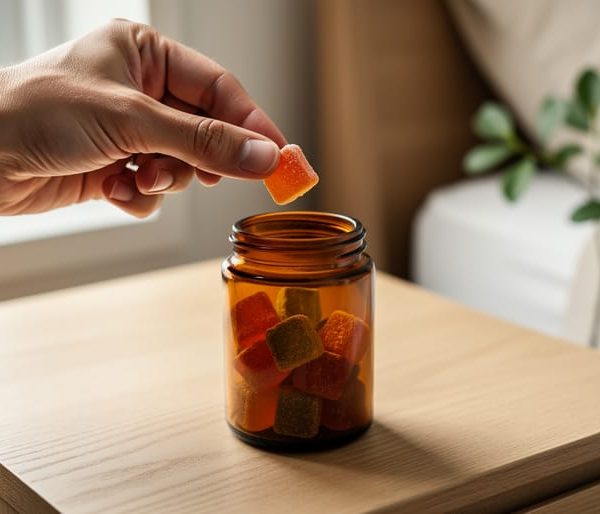

Verify CBD supplement claims by searching “J Diet Suppl” (Journal of Dietary Supplements) in databases like PubMed to access peer-reviewed research that cuts through marketing hype. Look for recent systematic reviews and clinical trials that examine dosing, safety profiles, and efficacy data specific to your health goals—this journal publishes rigorous scientific studies that can validate or debunk product claims you’re encountering.
Cross-reference product labels against published research standards by comparing the cannabinoid concentrations, testing methods, and health claims manufacturers make with what peer-reviewed studies actually demonstrate. If a Canadian CBD brand cites research, track down the original study to ensure they’re representing findings accurately rather than cherry-picking favourable data.
Prioritize studies examining bioavailability and absorption rates to understand why delivery methods matter more than most people realize. Research published in dietary supplement journals reveals that CBD oils, capsules, and topicals have vastly different absorption profiles, which directly impacts how much you’ll need and what results you can expect.
When I first explored CBD and wellness, I wasted money on products making bold claims without scientific backing. Learning to evaluate research helped me distinguish between evidence-based options and marketing fluff. For Canadians navigating Health Canada’s evolving regulations, understanding the science behind CBD supplements empowers you to make informed decisions that align with both research evidence and legal requirements. This approach transforms you from a passive consumer into an educated advocate for your own wellness journey.
Understanding J Diet Suppl and Why It Matters for CBD Users

The Difference Between Marketing Claims and Scientific Evidence
When I first started exploring CBD products in Canada, I was constantly bombarded with impressive-sounding claims on bottle labels and websites. It took me a while to understand the crucial difference between what companies say their products can do and what scientific research actually demonstrates.
Marketing claims are designed to sell products. You’ll see phrases like “supports wellness,” “promotes relaxation,” or “enhances vitality” plastered across CBD supplement packaging in Canadian stores. These statements are carefully crafted to sound beneficial without making specific health claims that would trigger regulatory action from Health Canada. The language is intentionally vague because companies haven’t necessarily proven these effects through rigorous testing.
Scientific evidence, on the other hand, comes from peer-reviewed studies published in journals like the Journal of Dietary Supplements. These investigations follow strict protocols, include control groups, and undergo scrutiny from independent experts before publication. When researchers say CBD shows potential for specific applications, they’re basing this on measurable outcomes from controlled experiments.
Here’s a Canadian example: You might see a CBD oil marketed as “naturally calming” at your local wellness shop. That’s a marketing claim. Meanwhile, actual research published in scientific journals might show CBD’s interaction with serotonin receptors in laboratory settings, but researchers will clearly state that more human trials are needed. The marketing makes it sound like a done deal, while the science acknowledges limitations and calls for further investigation.
This distinction matters because it helps you set realistic expectations and make informed purchasing decisions based on evidence rather than advertising hype.
How to Read CBD Research (Without a Science Degree)
When I first started reading CBD research, I’ll admit I felt intimidated. Those dense paragraphs of scientific terminology seemed designed to keep non-experts out. But here’s what I learned: you don’t need a science degree to extract valuable information from these studies. You just need to know where to look.
Start with the abstract, that summary paragraph at the beginning. It typically answers four key questions: What did they study? How many people or subjects were involved? What did they find? And what do they think it means? If the abstract mentions “statistically significant results,” that’s researcher-speak for findings that probably weren’t due to chance.
Pay close attention to the study design. Randomized controlled trials carry more weight than observational studies. Double-blind studies, where neither participants nor researchers know who got the real CBD versus a placebo, reduce bias. And sample size matters. A study with 500 participants generally provides more reliable data than one with 20.
Here’s the critical part most people miss: limitations. Scroll down to the discussion section where researchers honestly outline what their study couldn’t prove. Did they only test one dose? Was the study duration too short? Were participants all the same age or gender? These limitations don’t invalidate the research, but they help you understand how directly it applies to your situation as a Canadian CBD user.
Finally, look at funding sources, usually listed at the end. Industry-funded research isn’t automatically biased, but it’s worth noting when a CBD company sponsored the study about their own product.
Remember, one study rarely tells the complete story. Look for consistent findings across multiple publications in journals like J Diet Suppl before making decisions about your CBD routine.
Key Findings from J Diet Suppl Research on CBD
Bioavailability and Absorption Studies
One of the most fascinating aspects I’ve discovered while researching CBD is that how you take it matters just as much as what you take. The scientific term for this is bioavailability, which simply means how much CBD actually makes it into your bloodstream where it can do its work.
Studies published in reputable journals show that different delivery methods produce dramatically different absorption rates. When you swallow CBD in capsule or edible form, it travels through your digestive system and liver before reaching your bloodstream. This process, called first-pass metabolism, means only about 6-15% of the CBD you consume actually becomes available to your body. I remember being surprised when I first learned this, thinking about all those gummies I’d tried without much effect.
Sublingual oils, which you hold under your tongue for 60-90 seconds, offer significantly better absorption. Research indicates bioavailability rates of 20-30% because the CBD enters your bloodstream directly through the mucous membranes in your mouth, bypassing the digestive system entirely. This explains why many experienced CBD users in Canada swear by tinctures.
Topical products work differently altogether since they don’t enter the bloodstream but instead interact with cannabinoid receptors in your skin. Studies show they’re best for localized concerns rather than systemic effects.
The practical takeaway here is straightforward: if you’re trying CBD capsules without results, you might need a higher dose to compensate for lower bioavailability, or consider switching to sublingual oils for more efficient absorption. There’s solid science backing why format matters, and understanding this can save you both money and frustration when choosing products that actually work for your needs.

Safety and Interaction Research
When I first started researching CBD, I kept seeing references to the Journal of Dietary Supplements in discussions about safety, and honestly, it felt reassuring to know researchers were taking this seriously. Understanding how CBD interacts with your body, especially if you’re taking other medications, is crucial for Canadian users who want to use it responsibly.
Research published in reputable journals has helped establish CBD’s general safety profile. Most studies indicate that CBD is well-tolerated by most people, with side effects typically being mild when they occur. These can include fatigue, changes in appetite, or digestive discomfort. However, individual responses vary, which is why starting with lower doses is often recommended.
The more important consideration is drug interactions. CBD can affect how your liver processes certain medications through the cytochrome P450 enzyme system. Think of it like this: your liver acts as a processing center for medications, and CBD can slow down that processing for some drugs. This means medications could stay in your system longer than intended, potentially increasing their effects or side effects.
Medications that commonly interact with CBD include blood thinners, certain antidepressants, anti-seizure medications, and some heart medications. If you’re taking prescription medications, having a conversation with your healthcare provider before starting CBD isn’t just smart, it’s essential. Many Canadians find their doctors are becoming more open to these discussions as research expands.
There’s also emerging research about CBD combining with other supplements. For instance, taking CBD alongside melatonin or valerian root for CBD for sleep might enhance drowsiness effects. While this might be your goal, understanding these potential combinations helps you use CBD more effectively and safely.
Canadian users should keep records of all supplements and medications they’re taking when introducing CBD, making it easier to identify any unexpected reactions or interactions.
Quality Control and Product Accuracy Studies
Here’s something that might surprise you: research published in the Journal of Dietary Supplements has consistently revealed significant concerns about label accuracy in CBD products. Multiple studies have found that a shocking percentage of CBD products don’t actually contain what their labels claim.
One landmark study analyzed commercially available CBD products and discovered that approximately 70% were mislabeled. Some contained significantly less CBD than advertised, while others had more. Even more concerning, several products contained measurable amounts of THC despite claiming to be THC-free, which could potentially create legal issues for Canadian consumers or cause unwanted psychoactive effects.
For Canadians, this research is particularly eye-opening because it highlights why purchasing from licensed retailers matters so much. Health Canada’s regulatory framework requires rigorous testing and accurate labeling, but products purchased from unlicensed sources or online retailers outside Canada’s jurisdiction may not meet these standards.
I’ve spoken with readers who thought they were getting poor results from CBD, only to realize later they’d been using products with inconsistent or inaccurate dosing. It’s frustrating because you’re not just wasting money, you’re unable to properly assess whether CBD actually works for you.
These quality control studies emphasize why looking for products with third-party lab testing certificates is essential. While Canadian regulations provide a baseline of protection, independent testing adds another layer of verification. When products consistently contain what they claim, you can make informed decisions about dosing and effectiveness based on actual data rather than marketing promises.

Bridging Research and Real-World CBD Use in Canada
What the Research Says About Dosing
When I started my personal CBD journey, I quickly realized there’s a significant gap between what studies report and what actually works for individual bodies. The Journal of Dietary Supplements publishes controlled research with specific protocols, participants take measured doses under supervision, and results are carefully documented. That’s valuable information, but real life looks quite different.
Most published studies use standardized dosing regimens, often ranging from 10mg to 300mg daily depending on the research goals. However, researchers consistently note that individual responses vary considerably. What works for study participants may not translate directly to your experience because of differences in body weight, metabolism, the condition being addressed, and even your unique endocannabinoid system.
I view research findings as a starting point rather than a prescription. If a study shows positive results at 25mg daily, that gives me a baseline to consider, but I still need to adjust based on how my body responds. Canadian regulations require CBD products to include recommended serving sizes, which manufacturers often base on available research, but remember these are suggestions, not rigid requirements.
The key takeaway from research is this: start with lower doses informed by published studies, then adjust gradually based on your response. Keep notes about what you’re taking and how you feel. This approach respects the science while acknowledging that you’re not a study participant, you’re a unique individual finding what works for you.
Choosing Products Based on Evidence
When I first started researching CBD, I felt overwhelmed by all the marketing claims. Learning to read lab reports changed everything for me. The dietary supplement research published in journals like J Diet Suppl emphasizes that evidence-based decision-making starts with understanding what you’re actually buying.
Think of choosing CBD products like grocery shopping with ingredient labels. You want third-party lab reports, also called Certificates of Analysis (COAs), which verify what’s actually in the bottle. Look for labs accredited by ISO/IEC 17025 standards, which means they follow strict testing protocols.
Key elements to check in any lab report include cannabinoid content (is the CBD amount accurate?), contaminant screening (pesticides, heavy metals, and microbials should be absent or below safe limits), and terpene profiles if you’re interested in the entourage effect. Canadian regulations require accurate labelling, but having independent verification adds another layer of trust.
Research from dietary supplement studies shows that products with transparent testing and clear sourcing information tend to be more reliable. I always check if companies provide batch-specific COAs rather than just generic test results, and whether they clearly state their extraction method and hemp source.
A practical tip: save COAs from products that work well for you. This creates your own reference library and helps you understand what specifications to look for when trying new products. This evidence-based approach takes the guesswork out of your CBD journey.
The Gaps in Current Research (And What They Mean for You)
Long-Term Use Studies: What We’re Still Waiting to Learn
Here’s something I’ve learned from talking with my doctor and reviewing the research: while we have solid short-term safety data on CBD, studies tracking users over years are still relatively rare. Most clinical trials in the Journal of Dietary Supplements and similar publications run for weeks or months, not years.
Does this mean you should avoid CBD long-term? Not necessarily. The existing evidence is generally reassuring, with no major red flags emerging in the studies we do have. But it does mean we’re still in a “proceed thoughtfully” zone rather than a “we know everything” zone.
If you’re planning extended CBD use, consider these practical steps: Start with lower doses and increase gradually. Keep a journal tracking how you feel over time. Schedule regular check-ins with your healthcare provider, especially if you’re taking other medications. In Canada, your doctor can help monitor for any interactions or changes.
The truth is, CBD research is catching up with consumer interest. More long-term studies are underway, and Canadian researchers are contributing valuable data. Until we have those multi-year results, informed caution paired with medical guidance remains your best approach.
Individual Variation and Personalized Approaches
Here’s something I’ve learned through years of exploring CBD: what works beautifully for your friend might do absolutely nothing for you, and that’s completely normal. Research published in journals like J Diet Suppl provides valuable averages and trends, but your body’s unique biology tells its own story.
When studies report that CBD helped 60% of participants sleep better, remember that means 40% didn’t experience the same benefit. Your endocannabinoid system is as individual as your fingerprint, influenced by genetics, existing health conditions, medications, body weight, and even your gut microbiome. This explains why individual CBD responses vary so dramatically.
Think of published research as your starting point, not your destination. Use scientific findings to guide initial dosing and product selection, but give yourself permission to experiment within safe parameters. I recommend keeping a simple journal tracking your dose, timing, product type, and effects. This personal data becomes incredibly valuable.
Start with research-supported doses for your specific concern, then adjust gradually based on your response. Partner with healthcare providers familiar with CBD, especially if you’re managing chronic conditions or taking medications. Science provides the roadmap, but you’re the expert on your own experience.
Staying Informed: Following CBD Research as It Evolves
I’ll be honest—when I first started exploring CBD research, I felt overwhelmed by the sheer volume of studies appearing daily. The trick isn’t reading everything; it’s knowing where to look and how to filter what matters.
Start with Journal of Dietary Supplements (J Diet Suppl) as your foundation. While many articles require a subscription, you can access abstracts for free at PubMed.gov, which gives you the study’s key findings without the dense methodology sections. Your local Canadian library may also provide free database access—I discovered mine offers journal subscriptions I didn’t even know existed.
Set up Google Scholar alerts for specific terms like “cannabidiol” or “CBD safety” to receive notifications when relevant studies publish. This beats scrolling endlessly through search results. I check mine weekly over Saturday morning coffee—it’s become part of my routine rather than a chore.
For Canadian-specific information, bookmark Health Canada’s Cannabis Research page, which compiles studies relevant to our regulatory landscape. The Cannabis Council of Canada also publishes accessible research summaries that translate complex findings into plain language.
Consider following a few reputable researchers on social media platforms like Twitter or LinkedIn. Many share their published work and offer context that journal articles don’t provide. Just verify their credentials first—look for university affiliations and peer-reviewed publication records.
Remember, quality trumps quantity. Reading one well-designed study thoroughly beats skimming ten poorly. Focus on research from the past three years, as CBD science moves quickly. And don’t hesitate to revisit older articles mentioned in newer studies—those citation trails often lead to foundational research worth understanding.
Most importantly, be patient with yourself. Scientific literacy develops gradually, and every abstract you read makes the next one easier to understand.

Navigating the world of CBD supplements can feel overwhelming with all the marketing claims out there, but I hope this look at the Journal of Dietary Supplements has shown you the value of grounding your decisions in solid research. As Canadians, we have access to legally regulated CBD products, which is wonderful, but that doesn’t mean every product lives up to its promises. Understanding the science behind CBD helps you become a truly informed consumer who can separate evidence from hype.
I’ll be honest though—while research gives us the foundation, your personal experience matters too. Everyone’s body responds differently to CBD, and what works for your friend might not work the same way for you. That’s why I’m committed to bringing you both peer-reviewed research and real-world insights here on MY CBD Story. My goal is to empower you with credible, research-backed information so you can make choices that genuinely support your wellness journey, not just follow trends.
Keep asking questions, stay curious about the science, and remember that being an informed consumer means you’re better equipped to find what truly works for you.