The moment someone asks if CBD will make them high, I understand the worry—you’re picturing feeling out of control, failing a drug test, or showing up impaired to work. Let me be direct: CBD won’t produce the intoxicating “high” associated with cannabis, but calling it “non-psychoactive” isn’t entirely accurate either.
Here’s what’s actually happening in your body. CBD is technically psychoactive because it affects your brain chemistry—it can influence mood, reduce anxiety, and promote calm. What it won’t do is impair your judgment, create euphoria, or make you feel stoned. That’s THC’s job, and CBD doesn’t work that way.
I’ve been using CBD for years, and the distinction matters enormously for Canadians navigating workplace policies, driving responsibilities, and personal safety concerns. When I take CBD oil before a stressful meeting, I feel more grounded and less anxious, but I’m completely clear-headed and functional. There’s no giggling, no munchies, no red eyes—just a subtle shift toward balance.
The confusion stems from outdated terminology and CBD’s close relationship with THC. They’re both cannabinoids from the same plant, but they interact with your endocannabinoid system in fundamentally different ways. Understanding this distinction helps you make informed decisions about whether CBD fits your lifestyle, especially when drug testing, legal concerns, or job requirements are on the line.
Let’s unpack exactly what CBD does to your brain, what you’ll actually feel, and how to use it confidently in Canada.
What ‘Psychoactive’ Actually Means (And Why It Matters)
Here’s the thing that confused me for years: when I first heard CBD was “psychoactive,” I nearly put the bottle down. I thought psychoactive meant high, impaired, unable to drive safely. Turns out, I’d completely misunderstood the term.
Let me clear this up because it matters more than you might think.
In scientific terms, psychoactive simply means any substance that affects your mental state or brain function. By this definition, your morning coffee is psychoactive. So is the chamomile tea you drink before bed. Psychoactive doesn’t automatically mean intoxicating or impairing—it just means it does something to your brain chemistry.
CBD is technically psychoactive because it interacts with your nervous system and can influence things like anxiety levels, pain perception, and mood. When I take CBD before a stressful meeting, I notice I feel calmer. That’s a psychoactive effect. But here’s the crucial distinction: I’m not high. My judgment isn’t clouded. I can drive, work, and think clearly.
The term you’re probably actually worried about is intoxicating. That’s what THC does—it impairs coordination, alters perception, and creates that characteristic “high” feeling. CBD doesn’t do this. It won’t make you feel euphoric, giggly, or disconnected from reality.
Why does this distinction matter in Canada? Because understanding that CBD is non-intoxicating helps you make informed decisions about when and how to use it. You can confidently take CBD before work, before driving, or during the day without worrying about impairment. The psychoactive effects are subtle and therapeutic rather than recreational.
Think of it this way: aspirin is psychoactive because it affects how your brain processes pain signals, but no one worries about getting high from it. CBD works similarly—it influences your system in helpful ways without compromising your ability to function normally.

How CBD Interacts With Your Brain
The Endocannabinoid System Explained Simply
Think of your endocannabinoid system, or ECS, as your body’s internal balancing act. It’s a network of receptors spread throughout your brain, organs, immune system, and nervous system that helps regulate everything from your mood and sleep to pain sensation and appetite.
Here’s what makes it interesting: your body naturally produces its own cannabinoids called endocannabinoids. These act like chemical messengers, traveling to ECS receptors to help keep things running smoothly. When you take CBD, it interacts with this existing system, but in a much gentler way than THC.
The ECS has two main types of receptors. CB1 receptors are mostly found in your brain and nervous system, which is where THC likes to bind and create that high feeling. CB2 receptors hang out primarily in your immune system and other tissues. CBD doesn’t directly attach strongly to either receptor. Instead, it works more like a behind-the-scenes facilitator, helping your body use its own endocannabinoids more effectively and interacting with other receptor systems.
This indirect approach is exactly why CBD doesn’t produce the intoxicating effects that THC does, even though both come from the same cannabis plant.
CBD vs THC: Different Pathways, Different Effects
The key difference between CBD and THC comes down to how they interact with your brain’s cannabinoid receptors, and this directly impacts what you feel.
THC binds directly to CB1 receptors concentrated in your brain, which triggers the euphoric high that cannabis is known for. Think of it like a key fitting perfectly into a lock. This direct binding affects memory, coordination, perception, and mood in ways that clearly impair your cognitive function.
CBD takes a completely different approach. Instead of binding directly to CB1 receptors, it works more subtly by influencing them indirectly and interacting with other receptor systems throughout your body. CBD actually modulates how other compounds interact with these receptors, which is why it doesn’t produce that characteristic high. You can learn more about these important distinctions in our detailed guide on CBD vs THC effects.
When I first started exploring CBD, I was honestly skeptical that something from the cannabis plant wouldn’t make me feel intoxicated. But experiencing the difference firsthand made it crystal clear. With THC products, there’s that unmistakable altered state. With CBD, I felt more balanced and calm without any foggy-headedness or loss of control.
This fundamental difference in mechanism also explains why CBD won’t show up on standard THC drug tests and why Health Canada regulates them so differently. Your body processes and responds to these cannabinoids through entirely separate pathways, leading to distinctly different outcomes.
What You Might Actually Feel When Taking CBD
Mental and Emotional Effects
Unlike THC, CBD doesn’t produce euphoria or make you feel “high,” but it does interact with your brain and nervous system in meaningful ways. Many Canadians I’ve spoken with describe the mental effects of CBD as subtle yet noticeable, particularly when it comes to managing everyday stress and maintaining emotional balance.
CBD appears to influence mood regulation by interacting with your body’s endocannabinoid system, which helps maintain emotional equilibrium. Users often report feeling calmer and more centered without any sense of being sedated or mentally foggy. Think of it as turning down the volume on stress rather than switching your brain off entirely.
When I first tried CBD during a particularly hectic work period, I noticed I felt more capable of handling pressure without that overwhelming sense of anxiety. My thoughts remained clear, and I could focus on tasks without distraction. This is a common experience—CBD for anxiety doesn’t impair your ability to think, drive, or work. You won’t experience slowed reaction times or compromised decision-making abilities.
Some people describe improved mental clarity, possibly because CBD helps reduce the mental “noise” that stress and worry create. Others notice better sleep quality, which naturally improves daytime mood and cognitive function.
It’s worth noting that while CBD affects your mental state, these changes don’t constitute impairment in the legal or functional sense. You remain fully capable of normal activities, which is why CBD products are legal across Canada without the same restrictions applied to THC-containing cannabis.
Physical Sensations You Might Notice
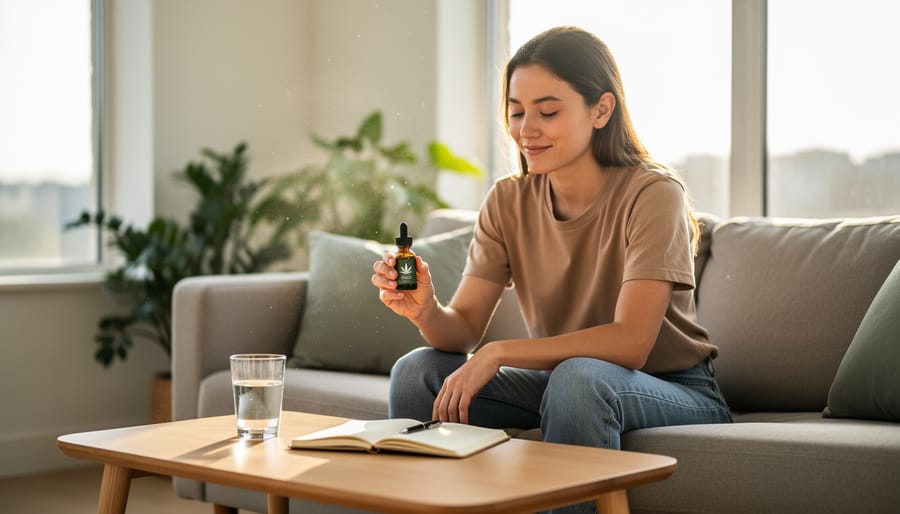
While CBD won’t make you feel high or intoxicated, many people do notice subtle physical sensations in their body, and it’s completely normal to wonder what to expect. Understanding these effects can help you feel more confident when you start using CBD products.
The most commonly reported physical sensation is a gentle sense of relaxation in your muscles. Some users describe it as a subtle “loosening” feeling, similar to how your body might feel after a warm bath or gentle stretching session. This isn’t sedation or impairment—it’s more like your muscles are releasing tension you didn’t even realize you were holding.
You might also notice a reduction in physical tension, particularly in areas where you commonly carry stress like your shoulders, neck, or jaw. I remember when I first tried CBD oil, I realized about 30 minutes later that my shoulders had dropped down from my ears—something I hadn’t consciously noticed happening.
Some people report a mild warming sensation or a feeling of overall ease in their body. Others notice their breathing becomes deeper and more relaxed. It’s important to note that these sensations are typically subtle and don’t interfere with your ability to function normally. You can still drive, work, and go about your daily activities safely.
Everyone’s experience is slightly different, and the intensity of these physical sensations can vary based on the dose, product type, and your individual body chemistry. Start with a low dose to see how your body responds.
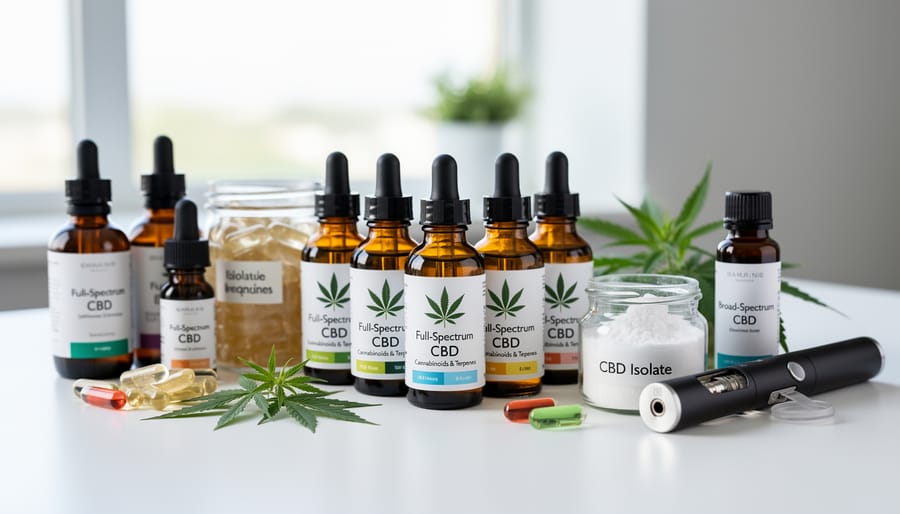
Why Some CBD Products Feel Different Than Others
Not all CBD products are created equal, and you might notice significant differences in how various products make you feel. Understanding why these variations exist is especially important for Canadian consumers navigating our regulated market.
The most significant factor is the type of CBD extract used. Full-spectrum products contain all naturally occurring compounds from the hemp plant, including up to 0.3% THC (the legal limit in Canada), while broad-spectrum products contain multiple cannabinoids and terpenes and cannabinoids but no THC. CBD isolate, on the other hand, is pure CBD with nothing else. I’ve personally noticed that full-spectrum products produce more noticeable effects due to the entourage effect, where compounds work together synergistically.
That trace amount of THC in full-spectrum products can make a difference. While 0.3% isn’t enough to create intoxication, some sensitive individuals report feeling slightly more relaxed or drowsy compared to THC-free options. If you’re particularly concerned about any THC exposure, broad-spectrum or isolate products might be better choices.
Terpenes also play a surprisingly important role. These aromatic compounds contribute to how CBD affects you. For example, myrcene tends to be more sedating, while limonene might feel more uplifting. Two CBD products with identical CBD content but different terpene profiles can produce noticeably different experiences.
Dosage matters considerably too. Taking 10mg versus 50mg of CBD creates very different effects. Finding your proper CBD dosage is essential, and what works for your friend might not work for you.
Quality variations are another crucial factor in Canada’s market. While Health Canada regulates CBD products, standards can vary between licensed producers. Third-party lab testing, accurate labeling, and extraction methods all influence the final product’s consistency and effects.
When I first started using CBD, I was confused why one brand’s oil made me sleepy while another seemed energizing. Understanding these differences helped me make informed choices about which products suited different needs throughout my day. Pay attention to product labels, ask questions about extraction methods, and keep notes about how different products affect you personally.
CBD and Drug Testing: What Canadian Users Need to Know
Here’s a concern I hear often from readers: “Will CBD show up on my workplace drug test?” It’s a legitimate worry, especially if your job involves safety-sensitive positions. Let me break down what you need to know as a Canadian CBD user.
Standard workplace drug tests in Canada screen for THC, not CBD. Since CBD itself isn’t intoxicating and won’t impair your work performance, it’s not what employers are looking for. However, here’s where it gets tricky: full-spectrum CBD products contain trace amounts of THC (up to 0.3% legally in Canada). While this tiny amount won’t make you high, it could theoretically accumulate in your system with regular, high-dose use.
I learned this the hard way when a friend who used full-spectrum CBD daily had concerns about an upcoming employment screening. She switched to a broad-spectrum product (which contains zero THC) about a month before her test and had no issues. It’s worth noting that how long CBD in your system remains depends on various factors including dosage and frequency.
If you’re subject to drug testing, consider these options: choose CBD isolate or broad-spectrum products that guarantee zero THC, request third-party lab certificates showing exact THC content, or discuss your CBD use with your employer beforehand if company policy allows.
From a legal standpoint, using CBD products from licensed Canadian retailers is completely legal and won’t affect your ability to work. However, individual workplace policies vary. Some employers have zero-tolerance policies that might extend beyond legal requirements, so checking your company’s specific guidelines is always smart. Being proactive and informed protects both your wellness routine and your career.
When CBD’s Effects Might Be Concerning
While CBD’s subtle psychoactive effects are generally mild, there are specific situations where even these gentle changes warrant caution and careful consideration.
The most important concern involves activities requiring full alertness and quick reaction times. If you’re driving, operating heavy machinery, or performing tasks where split-second decisions matter, you should understand how CBD affects you personally before engaging in these activities. Even though CBD won’t impair you like THC, some people experience drowsiness or slight changes in focus, especially at higher doses. I always recommend trying CBD for the first time when you’re safely at home with nothing urgent on your schedule.
Medication interactions deserve serious attention. CBD can affect how your liver processes certain medications, potentially altering their effectiveness or side effects. This is particularly relevant for blood thinners, seizure medications, and some antidepressants. If you’re taking prescription medications, consulting your healthcare provider before starting CBD isn’t just a good idea—it’s essential.
Dosage matters significantly. Starting with a low dose (5-10mg) helps you gauge your individual response. Some Canadians find that higher doses increase the likelihood of noticeable psychoactive effects like drowsiness or mental fog. Everyone’s endocannabinoid system responds differently, so what works comfortably for your friend might feel too strong for you.
Pregnant or breastfeeding individuals should avoid CBD entirely, as research on safety during these periods remains limited. When in doubt about whether CBD is appropriate for your situation, speaking with a healthcare provider familiar with cannabis products provides personalized guidance based on your specific health circumstances.
So, does CBD have psychoactive effects? Technically yes, but it won’t get you high or impaired. The key distinction to remember is that while CBD is psychoactive in the sense that it affects your mood and mental state, it’s not intoxicating like THC. You won’t experience euphoria, cognitive impairment, or the classic “high” people associate with cannabis.
For Canadians considering CBD, this is reassuring news. You can explore CBD’s potential benefits for stress, sleep, or discomfort without worrying about impairment at work or in daily activities. When I first tried CBD, I was relieved to discover I could take it in the morning and go about my day completely normally, just feeling a bit more relaxed.
That said, everyone’s body chemistry is different. Start with a low dose, choose products from reputable Canadian retailers that provide third-party lab testing, and give yourself time to see how you respond. If you’re taking medications or have health concerns, chatting with a healthcare provider is always a smart move.
The bottom line? CBD is safe for most people and legal across Canada. With proper information and quality products, you can make confident, informed decisions about incorporating CBD into your wellness routine.