
If you’re reading this through a fog of chronic back pain, post-workout soreness, or arthritis that won’t quit, you’re probably desperate for something—anything—that actually works. I get it. Before I started my own CBD wellness journey, I spent years cycling through medications that either didn’t help or came with side effects I couldn’t tolerate.
The short answer? CBD can help with pain for many people, but it’s not a magic cure-all, and the results vary significantly depending on the type of pain, the product you choose, and your individual body chemistry.
Here’s what actually matters: Research shows CBD interacts with your endocannabinoid system to potentially reduce inflammation and change how pain signals reach your brain. Studies on arthritis, neuropathic pain, and chronic conditions show promise, though Canadian researchers emphasize we need more large-scale human trials. What we do have is growing clinical evidence combined with thousands of personal accounts from people finding real relief.
But let’s be honest—the CBD market in Canada is flooded with products of wildly different quality, and not everyone experiences dramatic results. Some people notice significant pain reduction within days, while others see subtle improvements over weeks, and yes, some don’t respond at all.
This article cuts through the hype to give you evidence-based information about CBD for pain relief, practical guidance on choosing quality products available in Canada, realistic expectations about what CBD can and cannot do, and honest insights from someone who’s navigated this journey personally.
The Science Behind CBD and Pain: What’s Actually Happening in Your Body
How Your Body Processes Pain Signals
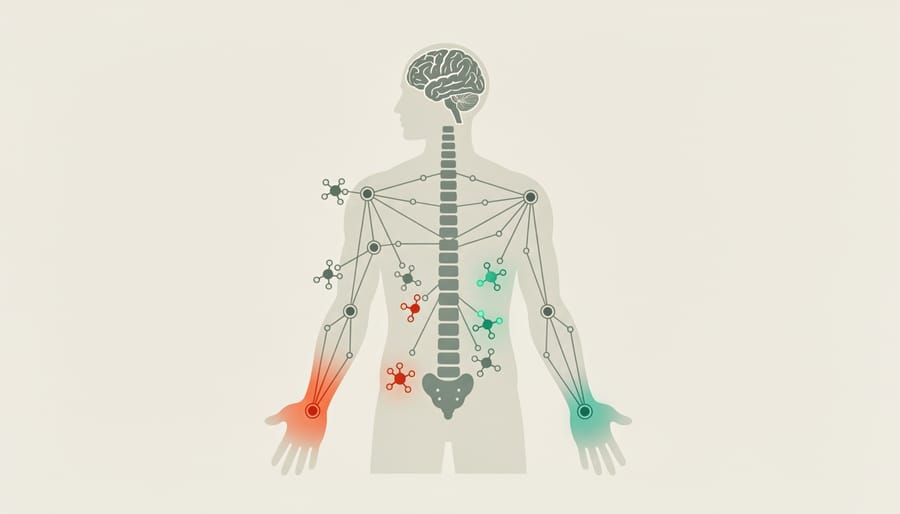
When you stub your toe or experience chronic back pain, your body’s sending distress signals through a fascinating highway system. Pain starts at the injury site, where specialized nerve endings called nociceptors detect damage. These sensors transmit electrical signals through your spinal cord and up to your brain, which interprets them as pain.
Here’s where it gets interesting for CBD users. Your body has an endocannabinoid system, a network of receptors spread throughout your nervous system, immune cells, and organs. This system helps regulate pain perception, inflammation, and how your body responds to injury.
CBD doesn’t work like traditional painkillers that simply block pain signals. Instead, it interacts with this endocannabinoid system, potentially influencing how your body processes and responds to those pain messages. It may help reduce inflammation at the source and could affect how intensely you perceive pain signals once they reach your brain.
Think of it as turning down the volume on your pain alarm system rather than disconnecting the alarm entirely. The signals still travel, but they might not scream quite as loudly. This explains why many Canadians report that CBD doesn’t eliminate their pain completely but makes it more manageable and less overwhelming in their daily lives.
CBD vs. THC for Pain Relief
Understanding the difference between CBD and THC is crucial when you’re choosing products for pain relief in Canada. While both compounds come from cannabis plants, they work quite differently in your body and have distinct legal statuses here.
THC (tetrahydrocannabinol) is the compound that creates the “high” associated with cannabis. It binds directly to cannabinoid receptors in your brain and body, which is why it’s more potent for certain types of pain, particularly nerve pain and severe chronic conditions. In Canada, THC products are regulated through the Cannabis Act and require purchase from licensed retailers. You’ll need to be 19+ (18+ in some provinces) to buy them.
CBD (cannabidiol), on the other hand, doesn’t produce intoxication. It works more indirectly, influencing your body’s endocannabinoid system without that psychoactive effect. This makes CBD appealing if you need daytime pain relief without impairment, or if you’re simply uncomfortable with feeling high.
From my experience talking with Canadians managing pain, many prefer starting with CBD because it allows them to maintain full mental clarity while working, driving, or caring for family. However, some find that products containing both CBD and THC (often called full-spectrum cannabis products) provide better pain relief than either compound alone. This is sometimes called the “entourage effect.”
The practical reality? CBD tends to work better for inflammation-related pain and general discomfort, while THC often proves more effective for severe or neuropathic pain. Many Canadians experiment with both, legally and safely, to find their ideal balance.
Real Stories: Canadians Who Found Relief (and Some Who Didn’t)
Chronic Pain and Arthritis
Inflammatory conditions like arthritis and chronic pain seem to be where CBD really shines in user experiences. I’ve heard from countless Canadians dealing with rheumatoid arthritis, osteoarthritis, and fibromyalgia who report meaningful improvements in their daily comfort levels.
What strikes me most is how consistent these stories are. People describe waking up with less stiffness, being able to garden or play with grandkids again, and reducing their reliance on NSAIDs or other pain medications. One friend with rheumatoid arthritis told me that CBD topicals applied to her hands before bed helped her sleep through the night without waking from joint pain.
The science backs this up to some degree. CBD’s anti-inflammatory properties work differently than traditional pain relievers, targeting the endocannabinoid system rather than just masking symptoms. For inflammatory conditions specifically, this mechanism makes theoretical sense.
That said, results vary widely. Some people notice subtle improvements within days, while others need several weeks of consistent use. A few find no benefit at all. The key seems to be finding the right product format, whether that’s oils for systemic inflammation or topicals for localized joint pain, and giving it enough time to work.

Back Pain and Muscle Tension
Back pain is one of those universal experiences that can range from a nagging ache to completely debilitating. I’ve heard from so many Canadians dealing with chronic lower back issues, tension from desk work, or that stubborn knot between the shoulder blades that just won’t quit.
Sarah, a graphic designer from Vancouver, shared that she started using a CBD topical cream after years of relying on heating pads and ibuprofen for her upper back tension. She applies it directly to the problem areas twice daily and says it’s become part of her routine alongside stretching. While she still has discomfort on stressful days, she feels the CBD takes the edge off enough that she can focus on her work.
Another person I spoke with, Michael from Calgary, deals with chronic lower back pain from an old hockey injury. He uses CBD oil sublingually in the morning and finds it helps him stay more mobile throughout the day. He’s careful to mention it’s not a cure, but it’s given him more comfortable days than he was having before.
What I find interesting is that many people using CBD for muscle tension combine it with other approaches like physiotherapy, yoga, or massage. It seems to work best as one tool in a broader pain management strategy rather than a standalone solution.
Migraines and Nerve Pain
Neurological pain can be incredibly frustrating because it often doesn’t respond well to traditional painkillers. I’ve heard from several Canadians dealing with migraines and nerve pain who’ve turned to CBD when other options fell short.
One woman from Vancouver shared that she’d been experiencing chronic migraines for years, trying everything from prescription medications to dietary changes. She started using a CBD oil tincture at the first sign of her typical pre-migraine symptoms and found that while it didn’t always prevent the migraine entirely, it took the edge off significantly and helped her function through the day.
Another account came from someone managing post-surgical nerve pain in their leg. They described the pain as shooting and burning, which made sleep nearly impossible. After incorporating CBD capsules into their evening routine, they noticed the intensity decreased enough to get a few solid hours of rest.
It’s worth noting that nerve pain is complex, and CBD isn’t a miracle cure. These individuals still had pain, but many described it as more manageable. Some combined CBD with other treatments recommended by their healthcare providers, which seemed to work best for comprehensive relief.
When CBD Didn’t Work
Not everyone finds relief with CBD, and that’s important to acknowledge. I’ve heard from several Canadians who tried CBD for chronic pain without noticeable improvement. Sometimes the dosage wasn’t right, or they didn’t give it enough time—CBD typically needs 2-4 weeks of consistent use. Other times, their pain type simply didn’t respond to CBD. Some conditions, particularly severe nerve damage or inflammatory diseases, may require stronger interventions. If CBD hasn’t worked for you after a proper trial, it doesn’t mean you failed—it just means exploring other options with your healthcare provider makes sense.
What the Research Actually Shows
Types of Pain Where CBD Shows Promise
Based on current peer-reviewed research on CBD, certain pain conditions show more promising evidence than others. Understanding where the science is strongest can help you make an informed decision about whether CBD might work for your specific situation.
Chronic pain appears to be the area with the most substantial research support. Studies focusing on nerve pain, also called neuropathic pain, have demonstrated encouraging results. This type of pain, which often feels like burning, tingling, or shooting sensations, affects many Canadians living with conditions like diabetes or those recovering from injuries.
Arthritis-related pain is another area where CBD shows considerable promise. Many people I’ve connected with through this site report noticeable relief from joint inflammation and stiffness, particularly when using topical CBD products applied directly to affected areas. The anti-inflammatory properties of CBD appear to play a key role here.
Migraine and headache sufferers have also reported benefits, though research in this area is still developing. The potential lies in CBD’s ability to influence serotonin receptors and reduce inflammation that may contribute to headache disorders.
Cancer-related pain, particularly when conventional treatments haven’t provided adequate relief, represents another condition where CBD demonstrates potential. Health Canada has even approved certain CBD-containing medications specifically for cancer pain management.
It’s important to note that individual responses vary significantly, and what works remarkably well for one person may have minimal effect for another.
The Gaps in Current Research
Here’s what we need to be upfront about: while the research on CBD for pain is promising, we still have significant gaps in our understanding. Most current clinical studies have been relatively small or conducted on animals, meaning we can’t always translate those findings directly to human experiences.
We don’t yet have definitive answers about optimal dosing for different types of pain. What works for arthritis might not be the same as what helps with nerve pain or migraines, and the research hasn’t caught up to these nuances. There’s also limited long-term data about using CBD consistently over months or years, which is how many people with chronic pain would actually use it.
Another honest limitation is that CBD products aren’t standardized the way pharmaceuticals are. The concentration and quality can vary between brands, and Health Canada’s regulatory framework is still evolving. This makes it challenging to replicate results from studies in real-world settings.
We also don’t fully understand how CBD interacts with all medications, particularly over extended periods. While we know about some interactions, there’s much more to learn.
This doesn’t mean CBD won’t help you, but it does mean you should approach it as one potential tool rather than a guaranteed solution. Working with healthcare providers who understand both CBD and your specific condition gives you the best chance of success while we wait for more comprehensive research.
Finding the Right CBD Product for Pain in Canada

Topicals vs. Oils vs. Edibles: Which Works Best?
Choosing the right CBD delivery method can significantly impact how well it addresses your specific pain. Each option works differently in your body, and understanding these differences helps you make an informed choice.
Topical CBD products like creams, balms, and salves work best for localized pain. When I first tried CBD for my chronic shoulder tension, I started with a topical. It absorbed directly into the affected area without entering my bloodstream, providing targeted relief within 20-30 minutes. This makes topicals ideal for arthritis, muscle soreness, or skin-related inflammation. The effects typically last 2-4 hours.
CBD oils and tinctures taken sublingually (under the tongue) offer faster systemic relief, usually within 15-45 minutes. They’re excellent for widespread pain, migraines, or conditions requiring whole-body effects. In Canada, you’ll find these readily available at licensed retailers. The effects can last 4-6 hours, making them convenient for managing daily discomfort.
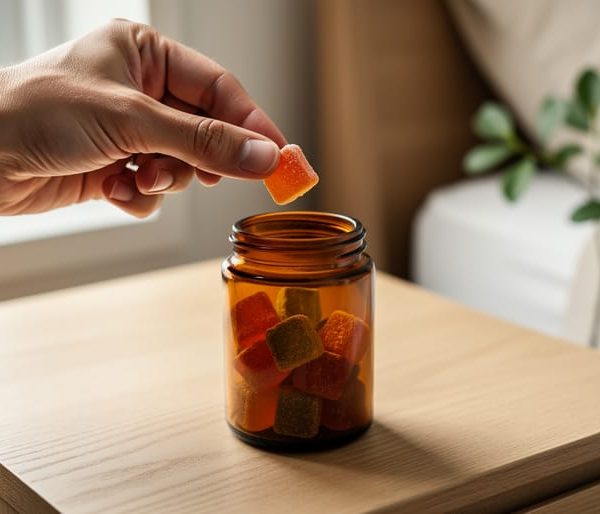
Edibles like gummies or capsules take longest to kick in (1-2 hours) because they must pass through your digestive system. However, they provide the longest-lasting relief, often 6-8 hours, making them perfect for chronic pain or nighttime use.
My personal recommendation? Start with topicals for targeted issues and oils for broader pain management. Many Canadians I’ve spoken with find combining methods works best for their unique situations.
Dosing Guidelines for Pain Relief
Finding your ideal CBD dose for pain isn’t a one-size-fits-all situation, and that’s something I learned firsthand when helping my mom navigate her arthritis discomfort. In Canada, there’s no official standard dosing chart because everyone responds differently based on body weight, metabolism, pain severity, and the specific product you’re using.
Most experts suggest starting low and going slow. If you’re new to CBD, begin with 5-10 mg once or twice daily. Track how you feel over 3-5 days before increasing. Many people find relief anywhere between 10-40 mg daily, though some with chronic pain may need higher doses. The key is patience—CBD isn’t like ibuprofen with immediate effects.
Consider timing too. For ongoing pain management, consistent daily dosing works better than occasional use. Some people split their dose between morning and evening for steady relief throughout the day.
My mom started with just 5 mg each morning and gradually increased by 5 mg weekly until she noticed improvement around 20 mg. What works for her might be completely different for you, and that’s perfectly normal. Keep a simple journal noting your dose, timing, and pain levels to identify what brings you relief without unnecessary expense or side effects.
What to Look for on Canadian CBD Labels
When you’re choosing a CBD product in Canada for pain relief, the label is your best friend. Look for third-party lab testing results—reputable companies will either include a QR code on the package or provide batch-specific test results on their website. These tests confirm the actual CBD concentration and ensure there are no harmful contaminants like heavy metals or pesticides.
Canadian CBD products must display the THC content clearly. Legal CBD oils contain no more than 0.3% THC (or higher if purchased through licensed cannabis retailers). The label should also show the exact CBD concentration in milligrams per milliliter, not just percentages, so you know precisely what you’re getting.
Check for a Health Canada license number or DIN (Drug Identification Number) if it’s a natural health product. This indicates the product has met federal regulatory standards. You’ll also want to see the carrier oil listed—MCT oil or hemp seed oil are common and affect absorption.
From my experience reviewing dozens of Canadian products, clear, detailed labeling usually signals a trustworthy brand that takes quality seriously.
My Personal Protocol: What Works for Me
I’ll be completely transparent here: what works for me might not work exactly the same way for you, but I’m happy to share my approach in case it helps guide your own experimentation.
After trying various methods, I’ve settled on a combination approach that addresses my chronic lower back pain and occasional migraines. My go-to is a full-spectrum CBD oil (1000mg concentration) that I take sublingually every morning with breakfast. I hold it under my tongue for about 60 seconds before swallowing. For me, 25mg in the morning provides baseline relief throughout the day.
When pain flares up, I add a topical CBD cream directly to the affected area. I find this dual approach works better than either method alone. The oil addresses pain from the inside while the topical provides targeted relief where I need it most.
Timing matters in my experience. Taking CBD with food, especially something containing healthy fats like avocado or nuts, seems to improve absorption. I also discovered that consistency is crucial. The benefits built gradually over the first two weeks of daily use rather than providing instant relief.
Beyond CBD itself, I’ve found it works best as part of a broader pain management strategy. I combine it with gentle stretching, adequate hydration, and proper sleep hygiene. Speaking of which, I occasionally use a slightly higher dose in the evening when pain interferes with rest, and I’ve written more about this in my post about CBD for sleep.
One important lesson: I keep a simple journal noting my CBD dose, pain levels, and any changes. This helps me identify patterns and adjust my approach. Remember, this is purely my personal experience, not medical advice. Always consult with your healthcare provider before starting any new supplement regimen.

Setting Realistic Expectations: The Truth About CBD and Pain
Let’s be honest: CBD isn’t a miracle cure, and anyone who tells you otherwise is selling something. After years of working with CBD and talking to hundreds of Canadians about their experiences, I’ve learned that managing expectations is crucial to avoiding disappointment.
First, the timeline. Some people feel relief within 30 minutes of taking CBD oil sublingually, while others need consistent daily use for 2-4 weeks before noticing changes. There’s no one-size-fits-all answer, which can be frustrating when you’re hurting right now. If you don’t feel anything immediately, that doesn’t mean it won’t work—it might just need time to build up in your system.
Here’s what CBD can realistically do: it may reduce inflammation, take the edge off chronic pain, and help you sleep better despite discomfort. What it likely won’t do is eliminate severe acute pain or replace prescription medications for serious conditions. Think of it as a supportive tool, not a complete solution.
Why does CBD work brilliantly for some people but not others? Your unique endocannabinoid system plays a huge role. Factors like your metabolism, the type of pain you’re experiencing, product quality, and dosage all influence results. I’ve seen people with arthritis find significant relief while others with similar conditions notice nothing.
The most common misconception? That higher doses always work better. Sometimes less is more with CBD—it’s about finding your personal sweet spot through patient experimentation. Give it at least a month of consistent use before deciding whether it’s helping.
So, will CBD help with pain? The honest answer is: it might, and for many Canadians, it does. While the research is still catching up to the anecdotal evidence, there’s genuine reason for informed optimism. I’ve personally experienced relief that surprised me, and I’ve heard countless similar stories from others across Canada.
The key is approaching CBD thoughtfully. Start with modest expectations and a quality product from a licensed Canadian retailer. Begin with low doses and give it time to work—this isn’t an overnight solution. Keep a simple journal tracking your pain levels and any changes you notice.
Before you start, talk to your healthcare provider, especially if you’re taking other medications or managing chronic conditions. They can help you navigate potential interactions and determine if CBD makes sense for your situation.
Remember that in Canada, CBD is legal and regulated, which means you have access to tested, quality products. Take advantage of that safety net by purchasing from licensed sources and checking for third-party lab testing.
CBD isn’t a miracle cure, but it’s a legitimate option worth considering as part of your pain management toolkit. Approach it with patience, stay informed, and listen to your body.