
**Brew your morning coffee and get your CBD dose simultaneously** – that’s the promise of CBD K-Cups, single-serve pods that combine ground coffee with hemp-derived cannabidiol. These convenient pods work in standard Keurig machines, delivering both caffeine and CBD in one cup, typically containing 5-25mg of CBD per serving.
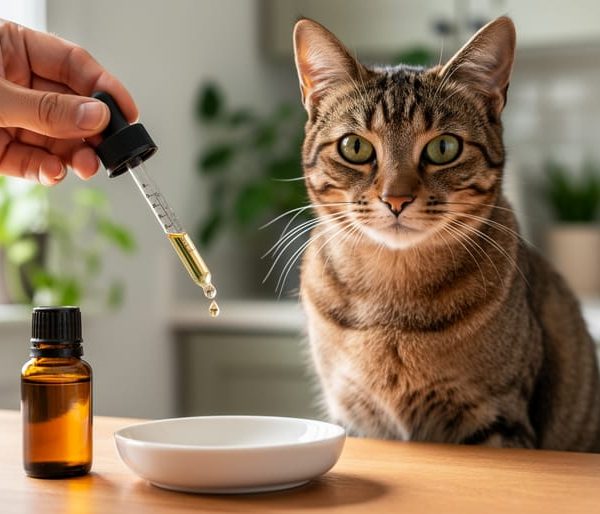
**Evaluate whether this method suits your wellness routine** by considering three key factors. First, absorption rates through ingestion are slower (30-90 minutes) compared to sublingual oils (15-30 minutes), though effects last longer. Second, heat from brewing may degrade some CBD potency – studies suggest temperatures above 160°C can reduce cannabinoid effectiveness. Third, precise dosing becomes trickier since you’re committed to whatever amount the manufacturer includes per pod, unlike oils where you control each drop.
**Understand the Canadian legal landscape** before purchasing. Health Canada permits hemp-derived CBD products, but cannabis-infused coffee must come from licensed retailers under the Cannabis Act. Many CBD K-Cups available online contain hemp extract, which occupies a regulatory grey zone – they’re technically legal if containing under 10mg THC, but aren’t officially approved as natural health products.
**Compare costs realistically**: CBD K-Cups typically run $3-6 per cup versus $0.50-1.50 for regular coffee plus separate CBD oil drops. You’re paying for convenience, but experienced users often find traditional CBD oils offer better value and flexibility. This method works best for consistent morning routines where convenience outweighs customization.
What Exactly Are CBD K-Cups?
CBD K-Cups are single-serve coffee pods infused with cannabidiol (CBD) that work with your standard Keurig or compatible brewing system. Think of them as your regular morning coffee pod, but with CBD already incorporated into the blend. Instead of brewing your coffee and then adding CBD oil as a separate step, the CBD is pre-infused into the coffee grounds themselves.
Here’s how they work: When hot water passes through the K-Cup during brewing, it extracts both the coffee flavors and the CBD simultaneously. This creates a consistent, measured dose in every cup you brew. Most CBD K-Cups contain between 10-25mg of CBD per pod, though this varies by brand and product line.
What makes CBD K-Cups different from simply adding CBD oil to your regular coffee? The main distinction is convenience and consistency. With CBD oil, you need to measure your dose each time, and oil doesn’t mix well with water-based beverages—it tends to separate and float on top. CBD K-Cups solve this problem through specialized infusion processes that bind the CBD to the coffee grounds, ensuring even distribution throughout your drink.
When I first tried CBD K-Cups, I was skeptical about whether they’d deliver the same effects as my usual CBD oil routine. The surprising benefit? No oily residue and no measuring required—just pop, brew, and enjoy.
Quality considerations are crucial here. Reputable CBD K-Cup manufacturers use water-soluble or nano-emulsified CBD, which improves absorption compared to standard CBD oil. Always look for products that provide third-party lab testing results (called Certificates of Analysis) confirming CBD content and verifying the absence of contaminants like pesticides or heavy metals.
In Canada, these products must comply with federal cannabis regulations, meaning they should contain less than 10mg of THC per package and come from licensed producers. This legal framework actually provides additional quality assurance compared to unregulated markets.

How CBD K-Cups Compare to Other Usage Methods
Bioavailability and Absorption
When you drink CBD-infused coffee, the CBD enters your body through your digestive system—the same pathway as CBD edibles. This means it needs to pass through your stomach and liver before reaching your bloodstream, a process called first-pass metabolism.
Here’s what to realistically expect: onset time typically ranges from 30 to 90 minutes, though this varies based on whether you’ve eaten, your metabolism, and your body weight. When I first tried CBD K-Cups, I was surprised it took nearly an hour before I noticed any effects—quite different from CBD oils and tinctures held under the tongue, which can work in 15-30 minutes.
The bioavailability of orally consumed CBD is lower than other methods. Studies suggest only 6-15% of the CBD you ingest actually enters your bloodstream, compared to 20-30% for sublingual oils or up to 56% for vaping. However, the effects typically last longer—around 4-6 hours versus 2-4 hours for traditional CBD oil methods.
The coffee itself might influence absorption. Some research indicates that fatty substances can enhance CBD absorption, so adding cream or milk to your CBD coffee could potentially improve effectiveness, though more research is needed to confirm this.
For Canadians new to CBD, this delayed onset means patience is essential. Don’t assume it’s not working after 20 minutes and consume more—wait the full 90 minutes to assess effects properly.
Convenience Factor
CBD K-Cups offer remarkable convenience for busy Canadians who want their daily CBD without extra steps. Simply pop one into your Keurig, press a button, and you’ve got a perfectly measured dose in under a minute. There’s no measuring droppers, no steeping time to watch, and no specialized equipment beyond the coffee maker you likely already own.
This ease of use makes K-Cups particularly appealing for CBD beginners who might feel overwhelmed by tinctures or other methods. The dosing consistency is built right in—each cup delivers the same amount of CBD every time, eliminating guesswork. I’ve found this especially helpful during hectic mornings when precision isn’t exactly my strong suit before coffee.
However, K-Cups do have limitations compared to other methods. They’re not the most portable option for travel, unlike CBD capsules or tinctures that slip easily into a purse or carry-on. While they’re discreet at home, you’ll need access to a compatible machine, which isn’t always practical at work or on-the-go.
Another consideration is dosing flexibility. K-Cups come in predetermined strengths, so you can’t easily adjust your dose up or down like you can with oils or edibles. For Canadians seeking precise control over their CBD intake, this standardization might feel restrictive despite its consistency benefits.
Cost Considerations
Let’s be honest—CBD K-Cups aren’t the most budget-friendly option out there. Each cup typically contains 5-10mg of CBD and costs between $3-$5 CAD per serving. When I first tried them, I loved the convenience but definitely felt the pinch in my wallet compared to my usual CBD oil.
To put this in perspective, a standard tincture might cost $50-$80 for a bottle containing 30+ servings, working out to roughly $1.50-$2.50 per dose. Edibles fall somewhere in the middle at $2-$4 per serving, while vaping can be even more economical long-term.
The premium you’re paying with K-Cups essentially covers convenience and the coffee experience itself. If you’re someone who already enjoys single-serve coffee and wants to incorporate CBD into that existing routine, the extra cost might feel justified. However, if you’re primarily seeking cost-effective CBD supplementation, traditional oils or capsules will stretch your dollar further.
That said, CBD K-Cups can serve as an excellent introduction to CBD without requiring separate purchases or preparation time. Some Canadian users I’ve spoken with use them occasionally as a treat rather than their primary CBD source—a practical middle ground that balances enjoyment with budget consciousness.
The Benefits of Using CBD K-Cups

Built Into Your Existing Routine
One of the biggest barriers to consistent CBD use? Actually remembering to take it. I learned this the hard way when I bought my first bottle of CBD oil and watched it sit in my cupboard for weeks because I kept forgetting about it.
CBD K-Cups solve this problem beautifully through what behavioural psychologists call “habit-stacking”—attaching a new habit to an existing one. If you’re already brewing coffee every morning, you’re simply swapping your regular pod for a CBD-infused one. No extra steps, no medicinal routine to remember, no bottles to measure from.
This integration makes CBD feel like a natural part of your day rather than something medical or clinical. You’re not “taking your CBD”—you’re just having your morning coffee, which happens to contain CBD. It’s a subtle but meaningful difference, especially for beginners who might feel intimidated by oils, capsules, or other methods.
For Canadians rushing through busy mornings, this seamless approach means you’re far more likely to use CBD consistently. And consistency is key when you’re exploring how CBD might support your wellness goals. The ritual is already there; CBD K-Cups simply enhance it.
Masking CBD’s Natural Taste
One of the biggest advantages of CBD K-Cups is how effectively coffee masks CBD’s naturally earthy, sometimes bitter taste. If you’ve tried CBD oils before and struggled with the flavour—I’ll be honest, I wasn’t a fan when I first started—the robust profile of coffee completely transforms the experience. The natural bitterness of coffee beans complements CBD’s plant-forward taste rather than clashing with it, making it virtually undetectable.
For those who’ve avoided CBD oils specifically because of taste concerns, K-Cups offer a remarkably palatable alternative. Whether you prefer dark roasts with chocolate notes or lighter, fruitier blends, the coffee flavour takes centre stage while the CBD works quietly in the background. It’s essentially getting your wellness routine and morning ritual in one enjoyable cup, without any hemp aftertaste lingering on your palate.
Consistent, Measured Dosing
One of the biggest challenges when you’re new to CBD is figuring out how much to take. I remember my first attempt involved eyeballing CBD oil drops and wondering if I’d taken too much or too little – not the most relaxing experience when you’re seeking calm!
CBD K-Cups solve this problem beautifully. Each pod contains a pre-measured amount of CBD, typically ranging from 5mg to 25mg per cup. You’ll know exactly what you’re getting every single time you brew, which makes it much easier to track what works for your body.
This consistency is especially valuable for beginners who are still determining their ideal dose. You can start with a lower-dose K-Cup in the morning, note how you feel throughout the day, and adjust accordingly. No measuring spoons, no math, no guesswork – just predictable results that help you understand your personal sweet spot.
For Canadians managing specific wellness goals, this reliable dosing also makes it simpler to stay within Health Canada’s recommendations and maintain a consistent routine.
Potential Drawbacks to Consider
Delayed Effects
Here’s the reality that catches some people off guard: drinking your CBD means waiting. Unlike vaping or tinctures that work within minutes, CBD K-Cups deliver cannabidiol through your digestive system, which takes considerably longer to process.
When you drink CBD coffee, the compound travels through your stomach and gets absorbed in your intestines before entering your bloodstream. This journey typically takes 30 to 90 minutes, though I’ve noticed it can vary based on what else you’ve eaten that day. If you’ve just finished a heavy breakfast, you might wait even longer.
This delayed onset makes CBD K-Cups less ideal if you’re seeking quick relief from acute symptoms like sudden anxiety or unexpected discomfort. They work better as a preventative measure or for maintaining steady CBD levels throughout your day.
From personal experience, I’ve learned to time my CBD coffee accordingly—brewing a cup mid-morning when I want effects during afternoon meetings, rather than expecting immediate results. If you need faster-acting CBD, sublingual tinctures or vaping might suit your needs better, though CBD K-Cups excel for those who prefer a slow, sustained release without any learning curve.
Limited Dosage Flexibility
One of the main drawbacks of CBD K-Cups is that each pod contains a predetermined amount of CBD, typically ranging from 5mg to 25mg per cup. This fixed dosing can be problematic if you’re someone who needs a higher therapeutic dose—say 50mg or more—to manage your symptoms effectively. You’d need to brew multiple cups throughout the day, which becomes both expensive and impractical.
On the flip side, if you’re new to CBD or particularly sensitive to its effects, even the lowest-dose K-Cup might be more than you need. Unlike CBD oils or tinctures where you can adjust your intake drop by drop, K-Cups don’t allow for that kind of precision. I’ve spoken with several Canadians who found this limitation frustrating when trying to find their ideal dose. While you can certainly dilute your brewed coffee with water or milk to reduce concentration somewhat, you’re still consuming the full CBD amount in that pod, making true microdosing nearly impossible with this method.
Caffeine Interaction
CBD and caffeine create an interesting dynamic that’s worth understanding before you dive into CBD K-Cups. While caffeine acts as a stimulant, energizing your nervous system, CBD is generally considered calming and may help balance some of caffeine’s edgier effects like jitters or anxiety. Many users report that CBD takes the edge off their morning coffee without diminishing the alertness they’re seeking.
However, everyone’s body chemistry differs. If you’re particularly sensitive to caffeine, starting with a lower-caffeine option or half-caff variety might be wise when introducing CBD into the mix. From my experience chatting with CBD users across Canada, some find the combination helps them enjoy their coffee ritual without the mid-morning crash, while others prefer keeping their CBD separate from their caffeine intake.
There’s no definitive research suggesting harmful interactions between CBD and caffeine, but it’s always smart to start with lower doses of both and see how your body responds. Pay attention to how you feel—if you experience increased heart rate, anxiety, or digestive discomfort, consider adjusting your caffeine intake or timing your CBD differently throughout the day.
What to Look for When Shopping for CBD K-Cups in Canada
Canadian Legal Requirements
In Canada, CBD products exist in a bit of a grey area that’s important to understand before you start shopping for CBD K-Cups. Since cannabis legalization in 2018, CBD falls under the Cannabis Act, which means technically, CBD products should be purchased through licensed cannabis retailers – either provincial online stores or authorized brick-and-mortar shops.
Here’s where it gets interesting: you’ll find CBD products, including beverages and coffee additives, available through legal cannabis retailers, but CBD K-Cups specifically aren’t widely available yet through these official channels. Some hemp-derived CBD products with less than 0.3% THC are sold in health stores and online, though this operates in a regulatory grey zone.
When I first started exploring CBD coffee options, I was surprised to learn that many products marketed online as “CBD K-Cups” to Canadians are actually shipped from the U.S., which technically isn’t compliant with our regulations.
My advice? Look for products from licensed producers (LPs) with Health Canada approval. Check for clear labelling showing CBD content, THC levels (which should be within legal limits), lot numbers, and proper packaging warnings. Licensed retailers will have these details readily available. While the selection might be smaller than what you see advertised elsewhere, you’re guaranteed product safety, accurate dosing, and legal compliance – which matters more than convenience when it comes to what you’re putting in your body.
CBD Source and Quality Indicators
When choosing CBD K-Cups, quality matters significantly for both effectiveness and safety. Start by checking where the hemp originates—Canadian-grown or organically-farmed US hemp typically meets higher standards. The extraction method is equally important; CO2 extraction is considered the gold standard as it avoids harsh chemical residues.
Always look for third-party lab testing results, which should be readily available through QR codes or company websites. These certificates of analysis confirm CBD content and verify the product is free from contaminants like pesticides, heavy metals, and mold.
You’ll encounter different CBD types: full-spectrum (contains all hemp compounds including trace THC), broad-spectrum (similar but THC-free), or CBD isolate (pure CBD only). Full-spectrum often provides enhanced benefits through the “entourage effect,” though isolate might be preferred if you’re sensitive to other cannabinoids.
Don’t forget about the coffee itself! Quality CBD K-Cups should feature premium, freshly-roasted beans alongside quality CBD. After trying several brands myself, I’ve learned that mediocre coffee ruins the experience regardless of CBD quality. Check roast dates when possible and read reviews about taste—your morning ritual deserves both great coffee and effective CBD.

Red Flags to Avoid
When shopping for CBD K-Cups in Canada, watch out for products making exaggerated health claims like “cures anxiety” or “eliminates pain” – legally, CBD companies can’t make these promises. Be wary of brands that don’t clearly display CBD content per serving or lack third-party lab testing certificates. If a product seems suspiciously cheap, it probably is; quality CBD extraction is expensive.
From my experience reviewing countless CBD products, I’ve learned that vague ingredient lists are major red flags. You should know exactly what’s in your cup beyond “hemp extract.” Also, avoid sellers who can’t provide proof their CBD is derived from legal hemp sources. In Canada, legitimate retailers will openly discuss their compliance with Health Canada regulations and provide product documentation upon request. If a company seems evasive about testing, sourcing, or legality, trust your instincts and shop elsewhere.
How to Use CBD K-Cups Effectively
Starting Dosage Recommendations
When you’re new to CBD K-Cups, the golden rule is simple: start low and go slow. Most CBD-infused coffee pods contain between 5-25mg of CBD per serving, which is actually perfect for beginners. I’d recommend starting with a single K-Cup containing 10mg or less, especially if you’ve never tried CBD before.
Here’s what worked for me when I first started: I brewed my CBD coffee in the morning and paid attention to how I felt throughout the day. Don’t expect dramatic, immediate effects—CBD works subtly. Give yourself at least 3-5 days of consistent use before deciding whether to adjust your dosage.
If after a week you’re not noticing the calming or focus-enhancing effects you’re hoping for, consider adding a second K-Cup later in the day or switching to a higher-strength option. Remember, everyone’s endocannabinoid system responds differently based on body weight, metabolism, and individual chemistry.
For those wanting more precision, you can calculate appropriate dosing based on your specific needs and body weight. Keep a simple journal noting the CBD amount, time of consumption, and how you felt—this makes adjusting much easier and helps you find your sweet spot faster.
Best Times to Use CBD K-Cups
CBD K-Cups shine brightest when you’re looking for a gentle, sustained sense of calm woven into your daily rituals. Many users find them perfect for their morning routine—brewing a cup alongside breakfast creates a grounding start to the day without the need for separate CBD administration. The effects typically unfold gradually as you sip, making them ideal when you want to avoid the immediate intensity some other methods provide.
I’ve personally found CBD K-Cups most helpful during my mid-afternoon slump. Rather than reaching for a third coffee (which leaves me jittery), I’ll brew a CBD-infused cup that provides mental clarity without overstimulation. They’re particularly useful for work-from-home Canadians who want to incorporate CBD seamlessly into their routine without drawing attention or requiring special preparation.
These pods work exceptionally well when you’re seeking consistency. Since each K-Cup contains a pre-measured CBD dose, you’ll know exactly what you’re getting every time—unlike tinctures where measurement can vary. They’re also perfect for social settings or shared spaces where you want to enjoy CBD discreetly. However, if you need immediate relief or precise timing for specific symptoms, faster-acting methods might serve you better.
Who Should Consider CBD K-Cups (And Who Shouldn’t)
CBD K-Cups offer a convenient and familiar way to incorporate cannabidiol into your daily routine, but they’re not the perfect fit for everyone. Understanding whether this method aligns with your lifestyle and wellness goals can save you time and money.
**Who CBD K-Cups Work Best For**
If you’re already a coffee lover with a Keurig machine at home or work, CBD K-Cups are a natural addition to your routine. They’re particularly appealing for busy professionals who want to streamline their wellness regimen without adding extra steps to their morning. I’ve found them invaluable during hectic weeks when I barely have time to think, let alone measure out CBD oil.
These products also suit people who dislike the taste of traditional CBD oils or tinctures. The coffee flavor effectively masks any hemp taste, making the experience more enjoyable. Additionally, if you’re someone who appreciates precise dosing without measuring, K-Cups deliver consistent amounts of CBD in every brew.
Beginners exploring CBD for the first time often appreciate the approachable, non-intimidating format. There’s something comforting about incorporating wellness into an existing habit rather than adopting an entirely new practice.
**Who Should Consider Alternatives**
CBD K-Cups might not suit you if you don’t drink coffee regularly or have sensitivity to caffeine. While some brands offer decaf options, selection remains limited in the Canadian market. Those seeking higher CBD doses may find K-Cups insufficient, as most contain relatively modest amounts (typically 10-25mg per cup).
If you’re budget-conscious, other CBD formats often provide better value per milligram. K-Cups carry a premium price due to packaging and convenience factors.
People requiring precise, flexible dosing throughout the day might prefer oils or capsules that allow for easier adjustment. Similarly, if you’re environmentally conscious, the single-use pod format may conflict with sustainability values, despite some recyclable options emerging.
Ultimately, CBD K-Cups excel as a convenient, enjoyable option for coffee-drinking Canadians seeking moderate, consistent CBD intake within their existing routines.
CBD K-Cups represent just one of many ways to incorporate cannabidiol into your daily routine, and whether they’re right for you depends entirely on your individual preferences and lifestyle. Throughout my own journey with CBD, I’ve learned that there’s truly no one-size-fits-all approach to this wellness tool. Some days I reach for my K-Cup because I want the ritual of brewing coffee with added benefits, while other times I prefer different methods altogether.
The beauty of CBD K-Cups lies in their convenience and familiarity—they transform something you’re already doing (making your morning coffee) into an opportunity for CBD consumption. If you’re someone who values simplicity, enjoys coffee regularly, and prefers discrete usage without drawing attention, this method might align perfectly with your needs. However, if you’re seeking higher CBD doses, precise control over your intake, or the most cost-effective option, you’ll likely want to explore alternatives.
As you consider whether CBD K-Cups fit into your life, remember that experimentation is part of the process. What works beautifully for one person might not resonate with another, and that’s completely okay. The Canadian CBD market continues to evolve, offering increasingly diverse options to meet different preferences. Trust yourself to explore, adjust, and find the consumption method that feels right for your unique circumstances. Whether CBD K-Cups become your go-to choice or simply one tool in your wellness toolkit, the most important thing is finding an approach that supports your wellbeing authentically.