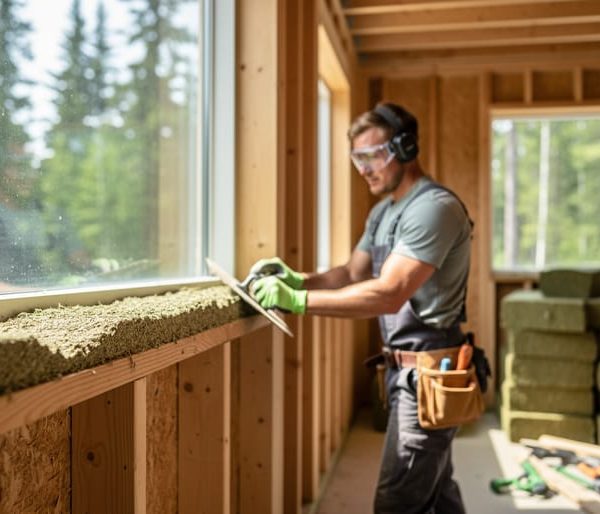
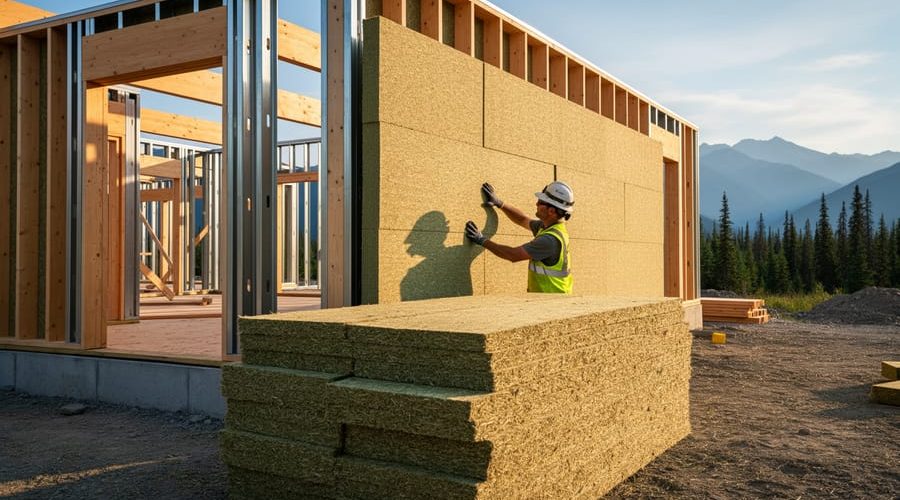
Consider hemp-based insulation panels for your next renovation project—they regulate moisture naturally, resist mold growth, and provide superior thermal performance compared to traditional fiberglass. Hemp grows to maturity in just 120 days without pesticides, making it one of the most renewable building materials available in Canada today.
Replace conventional concrete with hempcrete, a mixture of hemp hurds and lime binder that actually absorbs carbon dioxide as it cures. This breathable material creates healthier indoor air quality while offering excellent insulation values, and it’s already being used in commercial and residential projects across Ontario and British Columbia.
Source reclaimed wood and recycled steel for structural elements—these materials reduce landfill waste while cutting the carbon footprint of new construction by up to 40%. Many Canadian suppliers now offer certified reclaimed lumber that meets building codes without compromising structural integrity.
Install cross-laminated timber (CLT) systems for multi-story construction. This engineered wood product sequesters carbon throughout the building’s lifespan and can replace energy-intensive steel and concrete in structures up to 18 stories tall, as demonstrated in recent Vancouver projects.
The connection between sustainable construction and the cannabis plant family extends beyond building materials. Just as CBD wellness products harness hemp’s natural properties for health benefits, innovative builders are discovering how industrial hemp transforms construction practices. These technologies aren’t just environmentally responsible—they’re creating healthier living spaces while supporting Canada’s growing hemp industry, which produced over 84,000 acres of industrial hemp in 2022 alone.
Why the Cannabis Plant Is Canada’s Secret Weapon for Green Building
The Hemp Plant: More Than Just CBD Oil
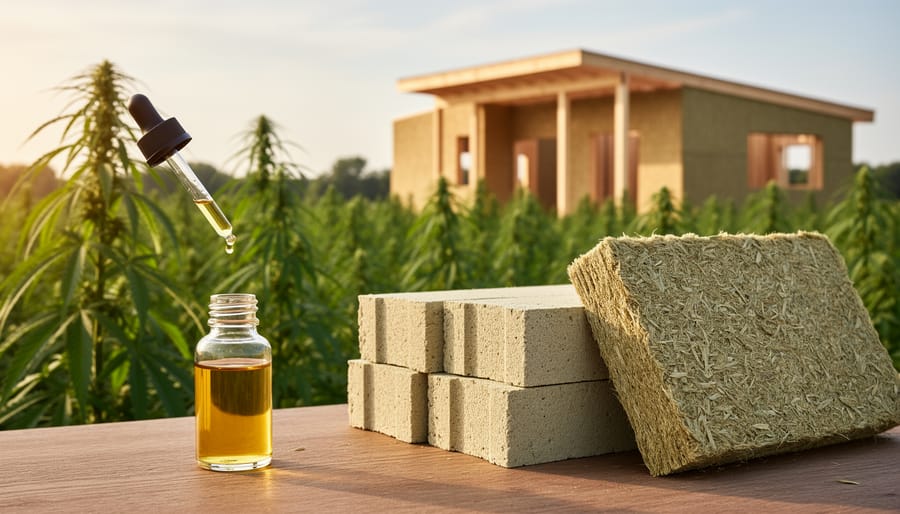
When most Canadians think about hemp, CBD products often come to mind first. But here’s something that might surprise you: the hemp plant is incredibly versatile, and only a small portion of it goes toward CBD extraction. Understanding the different parts of this remarkable plant helps explain why it’s gaining traction in sustainable construction.
The hemp plant belongs to the Cannabis sativa family, but unlike its cousin marijuana, industrial hemp contains minimal THC (under 0.3% in Canada). Think of it this way: while CBD comes from the flowers and leaves through careful extraction processes, the woody inner core and outer fibers have entirely different applications.
The stalk is where construction magic happens. The inner woody core, called hurd or shiv, gets mixed with lime binder to create hempcrete, a lightweight insulating material that’s gaining popularity in green building projects across Canada. The outer bast fibers are incredibly strong and work beautifully for insulation batts, similar to traditional fiberglass but completely biodegradable.
From my conversations with Canadian builders and hemp advocates, I’ve learned that using the whole plant makes economic and environmental sense. Nothing goes to waste. While one part supports wellness through CBD products, another part literally builds our homes. The seeds even provide nutrition and oil for various products.
This multi-purpose nature makes hemp a true sustainability champion, addressing both our wellness needs and our environmental responsibilities as Canadians looking toward a greener future.
What Canadian Law Says About Industrial Hemp
In Canada, industrial hemp is regulated quite differently from cannabis grown for CBD or recreational use, which makes it an interesting option for sustainable construction. Health Canada oversees hemp cultivation under the Industrial Hemp Regulations, which fall under the Cannabis Act. Here’s what makes this relevant: industrial hemp must contain 0.3% THC or less, the same threshold that distinguishes hemp from cannabis in other contexts.
For construction purposes, growers need a license from Health Canada, but the requirements are generally more straightforward than those for CBD production. The regulations focus on THC levels and seed certification rather than the complex testing needed for consumable products. This makes hemp grown specifically for building materials, textiles, or fiber somewhat easier to produce legally.
I’ve spoken with Canadian hemp farmers who’ve mentioned that the licensing process, while still requiring paperwork and compliance, is designed to encourage agricultural innovation. The government recognizes hemp’s environmental benefits and economic potential. If you’re considering hemp-based construction materials, you can feel confident that Canadian regulations support this industry’s growth while maintaining quality and safety standards.
Hempcrete: The Building Material That Actually Cleans the Air
How Hempcrete Works
If you’re familiar with hemp from the cannabis plant family, you might be surprised to learn it’s also revolutionizing sustainable construction. Hempcrete is an innovative building material that’s gaining attention across Canada for its impressive environmental benefits.
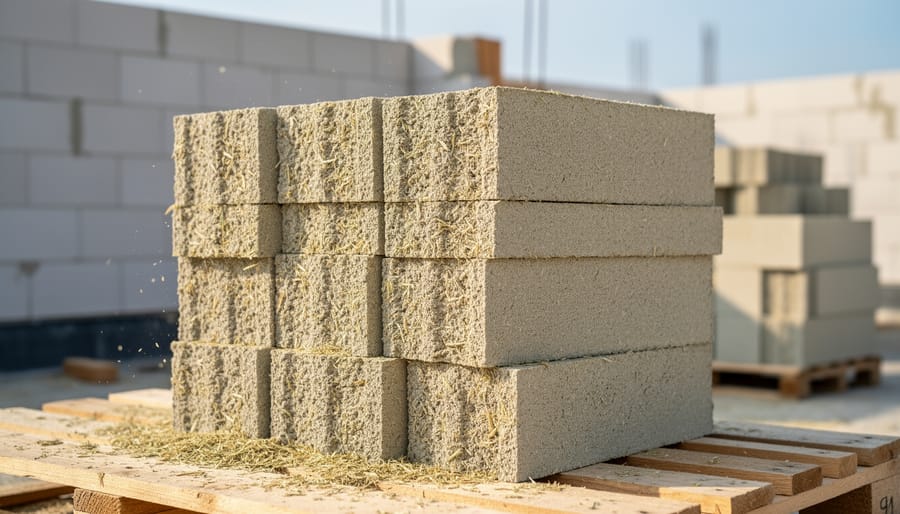
At its core, hempcrete combines two simple ingredients: hemp hurds (the woody inner core of the hemp stalk) and a lime-based binder. When you mix these together with water, you create a lightweight concrete alternative that’s surprisingly versatile. Unlike traditional concrete, hempcrete isn’t used for structural support but works beautifully as insulation and wall infill.
What makes hempcrete truly special is its carbon-negative footprint. Here’s how that works: as hemp plants grow, they absorb carbon dioxide from the atmosphere through photosynthesis. When those plants are harvested and turned into hempcrete, that carbon remains locked inside the material. Meanwhile, the lime binder actually reabsorbs carbon dioxide as it cures and hardens over time. The result? Hempcrete removes more carbon from the atmosphere than is produced during its manufacturing and installation.
Beyond being eco-friendly, hempcrete offers practical benefits for Canadian climates. It regulates humidity naturally, provides excellent insulation, and resists mold and pests. The process of how hempcrete is made is relatively straightforward, making it accessible for various construction projects, from residential homes to commercial buildings across the country.
Canadian Projects Already Using Hempcrete
Hempcrete isn’t just theoretical in Canada – it’s already being used in real projects across the country, proving it can stand up to our challenging climate. One notable example is the Granville Island Hemp House in Vancouver, British Columbia, which demonstrates hempcrete’s viability in Canada’s wet coastal conditions. This project has helped educate builders and homeowners about hemp construction techniques.
In Ontario, several residential homes have incorporated hempcrete into their designs, particularly in custom builds where homeowners prioritize sustainability. These projects have shown that hempcrete performs exceptionally well through harsh Canadian winters, maintaining comfortable indoor temperatures while reducing heating costs.
The True North project in Quebec showcased hempcrete in a demonstration building, allowing architects and contractors to see firsthand how the material behaves in freeze-thaw cycles. Results have been promising, with the material showing excellent durability.
What’s particularly encouraging is that these early adopters are sharing their experiences with the building community. They’re reporting not just environmental benefits, but tangible improvements in indoor air quality and energy efficiency – practical advantages that matter to everyday Canadians considering sustainable building options.
Beyond Hempcrete: Other Hemp-Based Construction Technologies
Hemp Insulation for Canadian Winters
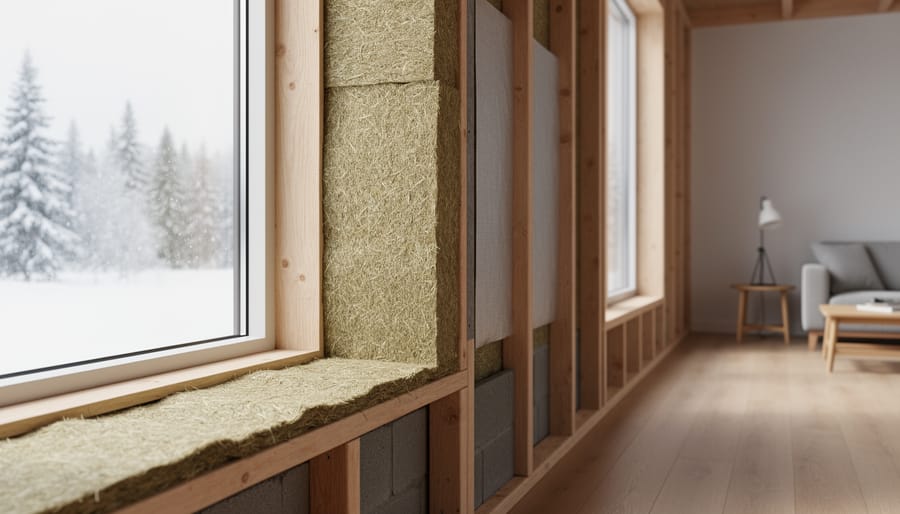
If you’re exploring sustainable building options for Canada’s harsh winters, hemp fiber insulation deserves serious consideration. Coming from the same plant family as CBD, hemp offers impressive thermal performance that holds up remarkably well in our extreme temperature swings.
Unlike traditional fiberglass or spray foam, hemp insulation naturally regulates moisture while maintaining its R-value, which is crucial during those deep freezes followed by sudden thaws we experience across Canada. It typically provides R-3.5 to R-4 per inch, comparable to conventional options, but with added benefits like breathability and mold resistance.
What really impressed me when researching this topic was hemp’s durability in cold climates. Traditional insulation can settle or lose effectiveness over time, but hemp fibers maintain their structure for decades. Plus, it’s naturally fire-resistant without chemical treatments, a reassuring feature for Canadian building codes.
The upfront cost runs about 10-20% higher than fiberglass, but many builders report energy savings that offset this within a few years. Hemp insulation is also entirely recyclable and stores carbon rather than releasing it, making it a genuinely sustainable choice that performs reliably through Canadian winters.
Hemp Fiberboard and Biodegradable Construction Materials
Hemp fiberboard is quietly revolutionizing how we think about building materials in Canada. If you’re familiar with CBD products, you already know hemp comes from the Cannabis sativa plant – the same family that gives us CBD. But here’s something most people don’t realize: hemp’s strong, fibrous stalks make incredibly durable construction materials that are kicking traditional options to the curb.
Hemp fiberboard works similarly to particleboard or MDF, but it’s naturally resistant to mold and pests without harsh chemical treatments. The boards are created by compressing hemp fibers with natural binding agents, resulting in panels that are lighter than conventional materials yet surprisingly strong. Canadian builders are increasingly turning to these boards for insulation, wall panels, and subflooring.
What makes this especially exciting for Canadians is that industrial hemp cultivation became fully legal here in 2018, meaning we’re perfectly positioned to develop a domestic supply chain. Hemp grows quickly – reaching maturity in just four months – and actually improves soil quality while absorbing significant amounts of carbon dioxide.
Beyond fiberboard, hemp is being used to create hempcrete (a concrete alternative), biodegradable insulation, and even roofing materials. These products break down naturally at the end of their lifecycle, unlike fiberglass or foam insulation that sits in landfills indefinitely.
The Sustainability Factor: Why This Matters for Your Health and Environment
Toxic Materials in Traditional Construction
When I first started learning about sustainable building practices, I was shocked to discover just how many toxic chemicals are lurking in conventional construction materials. Many traditional products release volatile organic compounds (VOCs) – these are gases that evaporate into the air from paints, adhesives, carpets, and composite wood products. If you’ve ever noticed that “new house smell,” you’re actually breathing in VOCs, which can cause headaches, respiratory issues, and long-term health problems.
Formaldehyde is another common culprit found in pressed wood products, insulation, and certain finishes. In Canada, where we seal our homes tightly against harsh winters, these chemicals become trapped indoors, creating poor air quality that affects our daily wellbeing.
For health-conscious Canadians – especially those already mindful about what they put in their bodies – it makes sense to extend that awareness to building materials. Traditional drywall, synthetic insulation, and petroleum-based products may seem like standard choices, but they can off-gas for years after installation.
This is where natural alternatives become incredibly important. Materials like hemp-based products, natural wool insulation, and low-VOC finishes offer safer options that don’t compromise indoor air quality. As someone who values wellness and natural solutions, understanding these toxic materials helps you make informed decisions about creating healthier living spaces for you and your family.
The Carbon Footprint Connection
Here’s something I find fascinating about hemp construction materials – they actually remove carbon from the atmosphere rather than adding to it. Unlike traditional building materials like concrete and steel, which produce massive carbon emissions during manufacturing, hemp actively absorbs CO2 as it grows. In fact, one hectare of industrial hemp can absorb up to 15 tonnes of carbon dioxide during its growing cycle.
When hemp is processed into construction materials like hempcrete, that carbon stays locked inside the building for decades or even centuries. This makes hemp buildings carbon-negative, meaning they have a net positive effect on our environment. For those of us who care about the planet – and I’m guessing if you’re interested in CBD, sustainability matters to you – this connection is pretty remarkable.
In Canada, where we’re increasingly focused on reducing our carbon footprint and meeting climate commitments, hemp construction offers a practical way to build greener. The hemp plant, which shares its family tree with cannabis, provides fibres that can replace carbon-intensive materials without compromising quality or durability. It’s one of those solutions where personal values align perfectly with practical benefits, creating structures that actually help heal the environment rather than harm it.
Other Sustainable Building Materials Worth Knowing About
While hemp deserves special attention for its connection to the cannabis family, it’s definitely not the only sustainable building material making waves in eco-friendly construction. Let me walk you through some other innovative options that are changing how we think about building.
Bamboo has become incredibly popular, and for good reason. This fast-growing grass reaches maturity in just three to five years, compared to decades for traditional timber. It’s remarkably strong, naturally resistant to pests, and sequesters carbon efficiently. You’ll find it used for everything from structural framing to flooring and decorative elements.
Recycled materials are another smart choice. We’re talking about reclaimed wood, recycled steel, and even rubber from old tires being transformed into durable building products. In Canada, there’s growing interest in using recycled concrete aggregate, which reduces landfill waste while cutting down on the environmental impact of producing new concrete.
Here’s something that might surprise you: mycelium, the root structure of mushrooms, is being used to create biodegradable insulation and building blocks. This living material grows into custom shapes and fully biodegrades at the end of its life cycle, leaving zero waste behind.
Earth-based materials like rammed earth, cob, and adobe have been used for thousands of years and are experiencing a renaissance. These materials provide excellent thermal mass, are non-toxic, and literally come from the ground beneath our feet. While they require specific expertise to work with, they’re gaining traction in Canadian green building circles, particularly in regions with suitable climate conditions.
Each of these materials offers unique benefits, and many builders combine several approaches to create truly sustainable structures.
Can You Actually Build with Hemp in Canada? The Practical Reality
Finding Hemp Building Materials in Canada
Finding hemp building materials in Canada is easier than you might think, though availability varies by province. In British Columbia and Ontario, where cannabis cultivation is more established, you’ll find the most suppliers and product options. Companies like Nature Fibres Inc. in Manitoba and Just BioFiber in Alberta specialize in hempcrete and hemp insulation products.
Your best starting point is connecting with provincial hemp organizations like the Canadian Hemp Trade Alliance, which maintains directories of suppliers across the country. Many suppliers will ship nationwide, though freight costs for bulk materials like hempcrete blocks can be significant for remote locations.
Local building supply stores are increasingly stocking hemp insulation products, particularly in urban centers. For larger projects requiring hempcrete, you’ll likely need to order directly from manufacturers or specialized distributors. Some suppliers also offer workshops and technical support, which is invaluable if you’re new to working with these materials.
I’ve spoken with several DIY builders who’ve successfully sourced materials through online marketplaces and direct manufacturer relationships. The key is planning ahead, as hemp building materials aren’t always kept in stock like conventional options. Request samples first to ensure product quality matches your project needs.
Cost Comparison and Real-World Considerations
Let’s talk numbers, because sustainable building materials need to make sense for your wallet too. Hemp-based construction materials typically cost 10-20% more upfront than conventional options, though prices are gradually dropping as production scales up in Canada. Hempcrete, for example, ranges from $150-$250 per cubic meter compared to traditional concrete at $100-$150.
Here’s the reality check: installation requires specialized knowledge. You’ll need contractors familiar with hemp materials, and they’re not yet available in every Canadian region. Urban centers like Vancouver, Toronto, and Montreal have more options than rural areas.
The good news? Long-term savings can offset initial costs. Hemp insulation and hempcrete offer superior thermal performance, potentially reducing heating bills by 20-30% in Canadian winters. Plus, many provinces now offer green building incentives. British Columbia’s CleanBC program, for instance, provides rebates for sustainable retrofits.
For average Canadians, hemp materials are becoming more accessible but aren’t quite mainstream yet. Small-scale projects like garden sheds or home additions are more feasible starting points than full house builds. Think of it like the early days of CBD products in Canada – initially expensive and hard to find, but gradually becoming more available and affordable as the market matures.
When I first started exploring CBD products for my own wellness routine, I never imagined I’d eventually be writing about how that same plant could revolutionize the construction industry. But that’s exactly what makes hemp so remarkable. The versatility of this single plant, from the CBD oil you might take for sleep support to the hempcrete that could insulate your home, really speaks to why we should all be paying closer attention to hemp innovations happening right here in Canada.
Throughout this exploration of sustainable construction materials, we’ve seen how hemp-based products like hempcrete, hemp insulation, and hemp fiberboard are addressing real environmental challenges. These aren’t just theoretical solutions. Canadian companies and builders are actively incorporating these materials into projects across the country, creating homes and buildings that are healthier for occupants and gentler on our planet.
What excites me most is how this broader understanding of the cannabis plant family can shift our perspective. Whether you’re using CBD for wellness or considering hemp materials for a renovation project, you’re participating in a larger movement toward sustainable, plant-based solutions. The hemp industry in Canada is evolving rapidly, with new applications and innovations emerging regularly.
I encourage you to stay curious and informed about these developments. Follow Canadian hemp associations, ask questions at your local building supply stores, and keep exploring how this incredible plant continues to offer solutions we’re only beginning to fully appreciate.