If you’ve used cannabis in the past few weeks and have a drug test coming up, 9-carboxy THC is the metabolite that will show up in your urine and potentially cost you a job opportunity. This specific compound isn’t something that gets you high. Your liver produces it when breaking down THC, and it sticks around in your body long after the euphoric effects wear off.
The compound can remain detectable for days in occasional users and up to 30 days or more in regular consumers. That’s a problem many Canadians face despite cannabis being federally legal since 2018, because employers still have the right to conduct workplace drug testing under certain circumstances.
Here’s what makes 9-carboxy THC particularly frustrating: even CBD products marketed as THC-free can contain trace amounts of THC that convert into this metabolite. I’ve spoken with people who used only CBD oil for anxiety or pain relief, assuming they were safe from detection, only to fail a workplace screening. The surprise on their faces when they received those results was heartbreaking.
Understanding this metabolite matters whether you’re a medical cannabis patient managing chronic pain, someone experimenting with CBD for the first time, or an occasional recreational user. Drug tests don’t measure impairment. They measure the presence of 9-carboxy THC, which means you could be completely sober and still test positive from use that happened weeks ago.
This article breaks down the science behind 9-carboxy THC in plain language, explains how long it stays in your system under different circumstances, and provides practical guidance for navigating drug testing while using cannabis products legally in Canada. You deserve clear answers about what’s happening in your body and how to make informed choices.
What Exactly Is 9-Carboxy THC?
How Your Body Processes THC
When you use cannabis, whether through smoking, vaping, or THC consumption via edibles, your body immediately starts breaking down the THC. Here’s what actually happens.
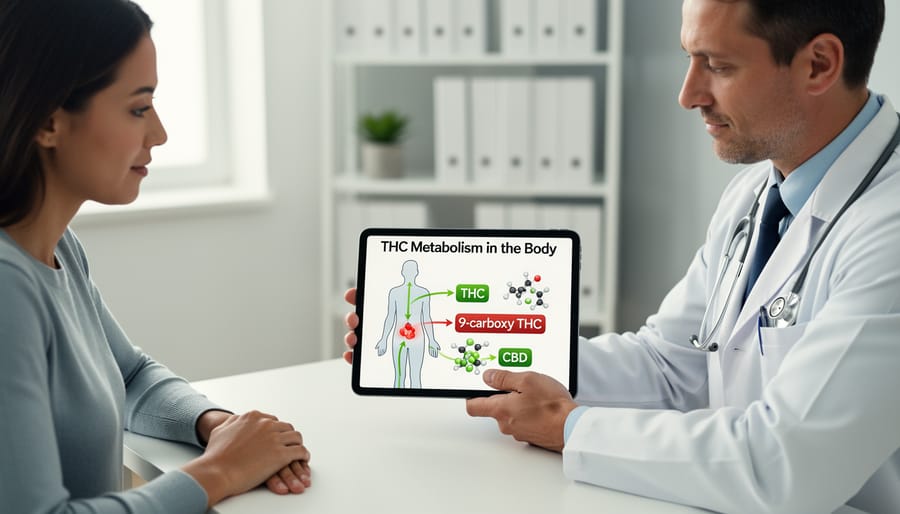
THC enters your bloodstream and produces those psychoactive effects you feel. But your liver sees THC as something that needs processing, like any other substance you ingest. Within minutes, liver enzymes get to work, particularly enzymes from the cytochrome P450 family.
The first transformation creates a metabolite called 11-OH-THC (11-hydroxy-THC). This intermediate compound is actually more potent than regular THC, which is why edibles can feel so much stronger. But your liver isn’t done yet.
The next step converts 11-OH-THC into 9-carboxy-THC, also written as THC-COOH or 11-nor-9-carboxy-THC if you want to get really technical. This is the final stop in the metabolic process. Unlike THC and 11-OH-THC, this metabolite isn’t psychoactive. You won’t feel anything from it. It’s essentially the inactive waste product your body creates to eventually eliminate the THC you consumed.
Here’s the catch: 9-carboxy-THC is fat-soluble and stores itself in your body’s fat cells. THC itself clears out relatively quickly, usually within hours. But this metabolite? It hangs around for days or even weeks, slowly releasing back into your bloodstream before eventually leaving through urine.
This extended stay happens because your body treats fat-soluble compounds differently than water-soluble ones. Instead of flushing out quickly like caffeine or alcohol, 9-carboxy-THC gets tucked away in fatty tissue throughout your body. The more body fat you have and the more frequently you use cannabis, the longer this metabolite sticks around. That’s precisely why drug tests look for this specific compound rather than THC itself.
Why It’s Called a Metabolite
Let me explain what’s happening in your body after you consume cannabis. When you use THC, your liver gets to work breaking it down, similar to how it processes any other substance. This breakdown process creates what scientists call metabolites, which are simply byproducts your body makes when it transforms the original compound.
Think of it like cooking. When you roast vegetables, they change form and produce different chemical compounds. Your liver does something similar with THC. The original THC molecule gets converted into various metabolites, and 9-carboxy THC (also called THC-COOH) is the main one that sticks around.
Here’s the crucial part that surprises many people: 9-carboxy THC won’t get you high. Not even a little bit. While THC itself is psychoactive and binds to cannabinoid receptors in your brain, this metabolite is essentially inactive. It has lost the ability to produce any euphoric or intoxicating effects.
I’ve talked to countless Canadians who assumed that because this metabolite shows up on drug tests, it must mean they’re still experiencing effects from cannabis. That’s simply not how it works. The metabolite is just evidence that your body processed THC at some point in the past. It’s like finding ashes in a fireplace. They prove there was once a fire, but they can’t produce heat themselves.
This distinction becomes really important for drug testing purposes. Tests aren’t measuring whether you’re currently impaired. They’re detecting this inactive leftover compound that can remain in your system for days or even weeks after any psychoactive effects have completely worn off.
9-Carboxy THC in Therapeutic Cannabis Extracts
Will CBD Products Create 9-Carboxy THC?
This is probably the biggest question I get from CBD users worried about drug testing. The short answer: it depends entirely on what type of CBD product you’re using.
Under Canadian law, CBD products sold through legal channels can contain up to 10 mg of THC per package. That’s not much, but here’s the thing: full-spectrum CBD products intentionally include trace amounts of THC (along with other cannabinoids) because they work better together. This is called the entourage effect. Even these tiny amounts of THC will metabolize into 9-carboxy THC in your body.
I learned this the hard way when a friend using “CBD-only” oil tested positive before a job screening. She was shocked. Turns out her full-spectrum tincture contained legal trace amounts of THC that accumulated over weeks of daily use.
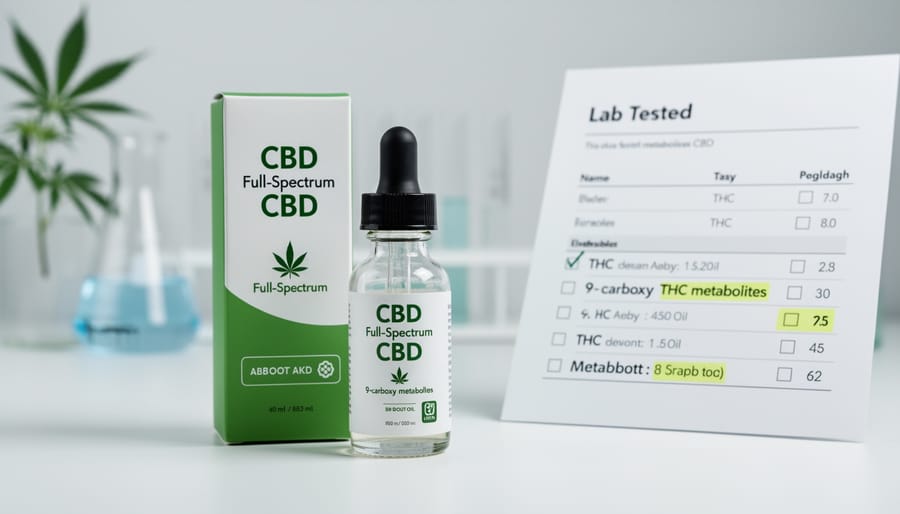
CBD isolate products, on the other hand, contain zero THC. If you’re strictly using pure CBD isolate and the product has proper third-party lab testing to verify this, you shouldn’t produce 9-carboxy THC. But you need to be certain about product quality.
Here’s where Canadian regulations matter. Licensed producers must accurately label THC content, but the hemp-derived CBD market has less oversight. Some products labeled “THC-free” have tested positive for trace THC in independent lab analyses. Always check for certificates of analysis from the manufacturer.
If you’re facing drug testing and using CBD, consider these factors. Daily use of full-spectrum products increases your risk compared to occasional use. Detection windows vary significantly based on frequency and individual metabolism. Your body composition, CBD dosage guidelines and how long you’ve been using the product all play a role.
For absolute certainty, stick with verified CBD isolate products if testing is a concern. Yes, you might sacrifice some therapeutic benefits, but you’ll eliminate the metabolite risk entirely.
Medical Cannabis Patients and Metabolite Levels
For authorized medical cannabis patients in Canada, understanding how regular therapeutic use affects 9-carboxy THC levels matters, especially if you face workplace drug testing or need to explain your medication to healthcare providers.
When you use therapeutic cannabis extracts containing THC regularly, your body accumulates this metabolite in fat tissue. Daily users typically show 9-carboxy THC concentrations significantly higher than occasional recreational users. Someone using medical cannabis twice daily might maintain detectable levels for 30 days or longer after stopping, compared to just a few days for someone who used it once.
The method you choose affects accumulation patterns too. Edibles and oils used for chronic pain management produce different metabolite curves than vaporized products for acute symptom relief. Higher THC concentrations in full-spectrum medical products lead to more substantial metabolite buildup compared to balanced THC/CBD ratios.
I’ve spoken with medical patients who were surprised to test positive weeks after reducing their dosage. One woman managing arthritis had switched to CBD-only products but still showed 9-carboxy THC from her previous THC treatment nearly three weeks later. Her body fat percentage and metabolism played roles in how long those metabolites lingered.
Under Canadian law, having a medical cannabis prescription doesn’t automatically protect you from all employment consequences. Some safety-sensitive positions maintain zero-tolerance policies. If you’re a medical patient facing testing, document your prescription and consider requesting accommodations under human rights legislation. Many employers will work with medical users, but you need proper documentation.
Regular monitoring isn’t standard practice for medical patients unless specifically ordered by your healthcare provider. The focus remains on symptom management and therapeutic benefit rather than metabolite levels. However, knowing that 9-carboxy THC accumulates helps you plan if testing becomes necessary.
The Drug Testing Connection
What Drug Tests Actually Look For
Understanding what drug tests detect can feel overwhelming, especially if you’re using CBD products in Canada and want to stay informed about potential workplace testing. The key thing to know is that most drug tests aren’t actually looking for THC itself. They’re screening for 9-carboxy THC, the metabolite your body creates after breaking down THC.
Different testing methods have varying detection windows and sensitivity levels. Here’s how the main testing types compare:
| Test Type | Detection Window | Typical Threshold | Reliability |
|---|---|---|---|
| Urine | 3-30 days | 50 ng/mL (screening) | High (most common) |
| Blood | 1-2 days | 1-5 ng/mL | Very high |
| Saliva | 1-3 days | 4-10 ng/mL | Moderate |
| Hair | Up to 90 days | 1 pg/mg | High (longer history) |
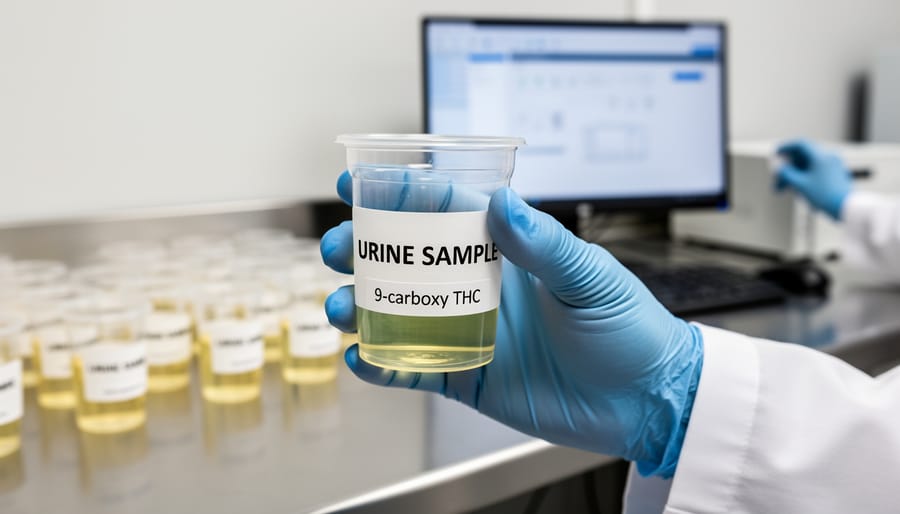
Urine tests dominate workplace and legal testing in Canada because they’re cost-effective and reliable. These tests specifically target 9-carboxy THC concentrations, with initial screenings typically set at 50 nanograms per milliliter. If you test positive at this level, confirmatory testing uses a lower threshold of 15 ng/mL to verify the result.
Blood tests offer a shorter detection window, making them useful for determining recent use or impairment. They measure both THC and 9-carboxy THC, but because metabolites clear from blood quickly, this method rarely catches use beyond 48 hours.
Saliva testing is gaining traction for roadside testing because it indicates very recent consumption. However, it primarily detects parent THC rather than 9-carboxy THC, making it less effective for determining past use patterns.
Hair follicle tests provide the longest detection window, sometimes revealing cannabis use from months ago. They measure 9-carboxy THC incorporated into the hair shaft as it grows, creating a semi-permanent record.
The variation between testing methods matters tremendously if you’re using medical cannabis or CBD products that might contain trace THC amounts.
How Long Does It Stay in Your System?
This is the question that keeps most people up at night, especially if you’re facing a drug test. Unfortunately, there’s no simple answer. 9-carboxy THC sticks around much longer than THC itself, and how long depends on several personal factors.
For occasional users (think once or twice a month), the metabolite typically clears within 3 to 7 days. But if you use cannabis several times a week, you’re looking at detection windows of 15 to 30 days or more. Daily users face the longest timeline. Some studies have found detectable levels for 45 to 90 days after stopping use, particularly in heavy, long-term consumers.
Here’s why the range is so wide: 9-carboxy THC is fat-soluble, meaning it gets stored in your body’s fat cells and releases slowly over time. Someone with higher body fat percentage will generally retain the metabolite longer than someone leaner. Your metabolism plays a huge role too. Age, activity level, hydration, and even genetics influence how quickly your body processes and eliminates this compound.
I’ve spoken with medical cannabis patients in Canada who were caught off guard by positive drug tests weeks after their last dose, despite using legal products responsibly. That’s because standard urine tests detect 9-carboxy THC at very low thresholds, sometimes as low as 15-20 ng/mL, though 50 ng/mL is more common for employment screening.
The type of test matters as well. Urine tests have the detection windows mentioned above. Blood tests typically only catch use from the past few days. Hair follicle tests can theoretically detect use for up to 90 days, though they’re less common and sometimes controversial in accuracy.
If you’re using CBD products exclusively and they truly contain less than 0.3% THC (the Canadian legal limit for hemp-derived products), your risk is lower but not zero. Consistent use of even trace amounts can accumulate over time, potentially leading to detectable levels of 9-carboxy THC.
The bottom line? If testing is a concern, factor in your usage pattern, body composition, and build in extra time beyond the minimum ranges.
The Legal Landscape for Canadians
Workplace Testing Rights and Responsibilities
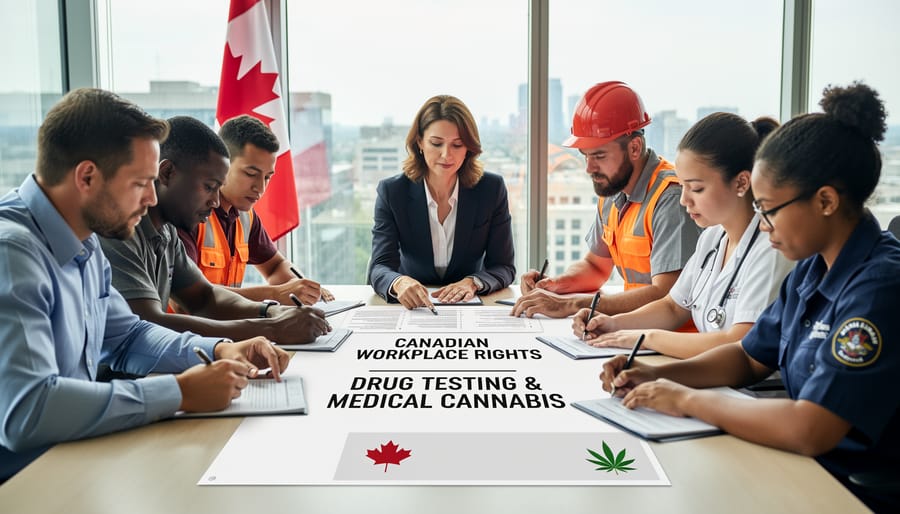
Navigating workplace drug testing in Canada can feel confusing, especially if you’re a medical cannabis patient or someone who uses CBD products. The good news? Canadian employers don’t have unlimited rights to test employees for cannabis, and the rules are quite different from what you might see south of the border.
In Canada, random drug testing is generally not allowed except in specific safety-sensitive positions. Think pilots, truck drivers, or heavy equipment operators. Even then, employers need to demonstrate a clear connection between the testing and workplace safety. They can’t just decide to test everyone on a whim.
Here’s where 9-carboxy THC becomes relevant to your job security. If your employer does require testing, you need to understand what’s being measured. Most standard urine tests detect 9-carboxy THC, which only indicates past cannabis use, not current impairment. I’ve spoken with several medical cannabis patients who successfully challenged positive tests by providing their medical documentation and explaining this distinction.
Medical cannabis patients have specific protections under human rights legislation. If you have a valid prescription and test positive, your employer must accommodate your medical needs unless it causes undue hardship. This means providing documentation to your HR department is crucial.
Employers can test if they have reasonable cause to believe you’re impaired at work or after a workplace accident. Pre-employment testing exists in some industries, but it’s less common than in the United States.
Your responsibilities? Be honest about your medical cannabis use during the accommodation process, follow workplace safety policies, and never consume cannabis during work hours or report to work impaired. Keep your prescription documentation updated and accessible.
If you’re using CBD-only products, you should theoretically test negative for THC metabolites, though cross-contamination in some products remains a concern worth discussing with your employer proactively.
Impaired Driving and Metabolite Levels
Here’s something that catches a lot of people off guard: finding 9-carboxy THC in your system doesn’t actually mean you’re impaired. This is one of the biggest misunderstandings about cannabis testing, and it’s caused real problems for Canadians who thought they were doing everything right.
Think of it this way. If you had a glass of wine on Saturday night, you wouldn’t expect to be considered drunk on Tuesday morning. But with cannabis, the metabolites stick around much longer than the actual effects. You could test positive for 9-carboxy THC weeks after your last use, long after any impairment has completely worn off.
Canada’s roadside testing presents a specific challenge here. The approved screening devices, like the Dräger DrugTest 5000, primarily detect THC itself (the compound that causes impairment) rather than 9-carboxy THC. These devices test oral fluid and look for active THC at a threshold of 25 nanograms per milliliter. If you fail a roadside screening, a blood test typically follows.
Here’s where the law gets tricky. Under Canada’s impaired driving regulations, having 2 to 5 nanograms of THC per milliliter of blood within two hours of driving is a summary conviction offence. Five nanograms or more is an indictable offence. But again, these thresholds measure THC, not the carboxy metabolite.
The problem? Blood THC levels don’t correlate perfectly with impairment either, though they’re certainly better indicators than metabolite levels. Medical cannabis patients and regular users can have detectable THC levels even when completely sober. This remains a contentious legal issue that Canadian courts are still working through.
What Cannabis Users Should Know
Can You Speed Up Elimination?
I’ll be honest: if you’re facing a drug test, you probably won’t like what I have to say. There’s no magic bullet for clearing 9-carboxy THC from your system faster, despite what countless websites and detox products claim.
Let’s talk about what actually works. Time is the only proven method. Your body eliminates this metabolite through natural processes, primarily via your liver and kidneys. You can’t outsmart biology.
What about all those detox drinks and cleanses? The research doesn’t support them. A 2011 study published in the Journal of Analytical Toxicology found that most commercial detox products either don’t work or produce such diluted urine samples that labs flag them as suspicious. You’re essentially paying for expensive water with added vitamins.
Exercise gets tricky. While staying active supports overall metabolism, intense workouts right before a test might actually be counterproductive. THC metabolites are stored in fat cells, and burning fat rapidly can temporarily increase their concentration in your bloodstream and urine. If you exercise regularly, that’s fine, but don’t start an aggressive workout routine two days before testing.
Hydration helps, but only to a point. Drinking water maintains normal kidney function, which is important. However, chugging gallons to dilute your urine will likely result in a failed sample that needs retesting. Labs check for this.
From personal experience, I’ve seen friends panic and waste money on products that promise results in 24 hours. It never works out well.
The factors that truly matter are beyond quick fixes: your body fat percentage, how frequently you used cannabis, your metabolism, and simply how much time has passed since your last use. For most people, 9-carboxy THC clears naturally within a few weeks to a month. Heavy users might need longer.
Choosing Products With Testing in Mind
If drug testing is a concern for you, product selection becomes critical. The type of cannabis product you choose directly impacts whether 9-carboxy THC will show up in your system.
CBD isolates are your safest bet. These products contain pure CBD with no THC whatsoever, which means there’s nothing to metabolize into 9-carboxy THC. Canadian brands like Zatural and Charlotte’s Web offer high-quality isolate options that are clearly labeled and third-party tested. I’ve personally recommended isolates to friends who work in industries with strict testing policies, and they’ve had zero issues.
Full-spectrum products present more risk. These contain the full range of cannabinoids, including trace amounts of THC (up to 0.3% legally in Canada). While that sounds minimal, regular use can absolutely lead to detectable levels of 9-carboxy THC. I learned this the hard way when a reader emailed me after failing a workplace screening despite only using “legal CBD oil.” She hadn’t realized her full-spectrum product contained THC.
Broad-spectrum products fall somewhere in between. They contain multiple cannabinoids but are processed to remove THC. However, quality varies significantly between manufacturers. Some broad-spectrum products still contain trace THC amounts due to incomplete extraction processes.
Always check for third-party lab results, which should be readily available on the company website or product packaging. These COAs (Certificates of Analysis) will show exact THC content. If you’re curious about low-dose THC edibles but face testing concerns, stick with isolates until your situation changes.
Understanding 9-carboxy THC is about more than just passing a drug test. It’s about knowing what’s happening in your body after you use cannabis, whether that’s for managing chronic pain, easing anxiety, or improving sleep. This metabolite tells the story of how your body processes THC, and that knowledge puts you in control.
If you’re a medical cannabis patient in Canada, you have legal protections. But those protections only work when you understand your rights and can communicate clearly about your use. Knowing that 9-carboxy THC can stay in your system for weeks helps you prepare for workplace testing conversations or make informed decisions about when to use your medication.
For those using CBD products exclusively, understanding this metabolite reassures you that trace amounts shouldn’t cause concern in most situations. And if you’re somewhere in between, maybe using occasional THC products alongside CBD, you now have the information to make choices that align with your lifestyle and responsibilities.
Canada’s cannabis landscape gives us freedoms many countries don’t have. That comes with the responsibility to use these products thoughtfully and stay informed.
I’ve spent years helping people figure out what works for their unique situations, and here’s what I know: there’s no one-size-fits-all answer. Your job, your health needs, your body chemistry, they all matter. Take this information and use it to create a cannabis routine that supports your wellbeing without compromising the other parts of your life that matter to you.