
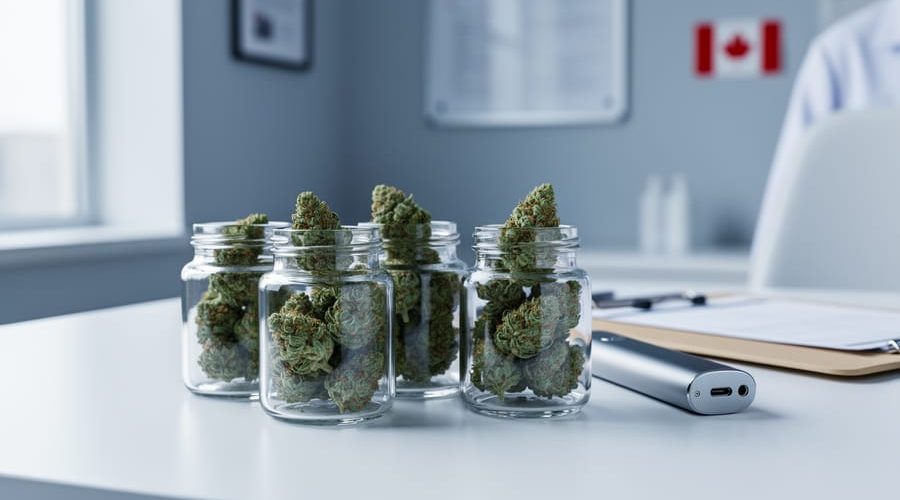
Yes, cannabis has legitimate medical uses in Canada. Health Canada recognizes cannabis as a therapeutic option for qualifying patients, and thousands of Canadians legally access medical cannabis to manage chronic pain, nausea from chemotherapy, multiple sclerosis symptoms, and other serious conditions. Unlike recreational use, medical cannabis comes with healthcare provider oversight, legal protections at work and in housing, and access to higher-potency products not available in retail stores.
I’m Danielle, and I’ve spent years helping Canadians navigate the medical cannabis landscape. When I first started exploring CBD for my own chronic pain in 2018, the distinction between medical and recreational felt murky. Here’s what I’ve learned: medical authorization isn’t just a formality. It opens doors to proper dosing guidance, strain selection based on your specific symptoms, and legal coverage that recreational users simply don’t have.
The science is evolving but substantial. Research supports cannabis for pain management, particularly neuropathic pain that doesn’t respond well to traditional medications. Studies show benefits for appetite stimulation in cancer patients, seizure reduction in certain epilepsy cases, and muscle spasticity in MS. Canadian physicians can authorize medical cannabis when conventional treatments have failed or caused intolerable side effects.
This article walks you through everything you need to know: what qualifies as medical cannabis under Canadian law, which conditions typically meet authorization criteria, the step-by-step process to get your medical document, your rights as a registered patient, and where to find credible support. Whether you’re exploring options for the first time or ready to start the authorization process, you’ll find clear, unbiased answers grounded in Canada’s current regulations.
What Medical Cannabis Is and How It Works
In Canada, medical cannabis refers to cannabis products authorized by a healthcare practitioner for therapeutic purposes under the Cannabis Act and its regulations. Health Canada recognizes cannabis as a legitimate treatment option for patients with certain medical conditions when conventional therapies have proven inadequate or caused intolerable side effects. This formal recognition distinguishes medical cannabis from recreational use, even though both access the same plant.
The key difference lies not in the product itself but in how it’s obtained and used. Medical cannabis requires authorization from a doctor or nurse practitioner who determines appropriate dosing, cannabinoid ratios, and consumption methods based on your specific condition. This creates a supervised therapeutic relationship with clear treatment goals. Recreational users, by contrast, self-select products and doses without medical oversight or documentation.
Cannabis contains over 100 cannabinoids, but two dominate medical applications. THC (tetrahydrocannabinol) produces the psychoactive effects and addresses pain, nausea, muscle spasticity, and appetite loss. CBD (cannabidiol) doesn’t cause intoxication and shows promise for seizure disorders, inflammation, anxiety, and certain neurological conditions. Many patients find CBD and THC together more effective than either compound alone, a phenomenon called the entourage effect. Understanding CBD vs THC helps you work with your practitioner to find the right cannabinoid profile for your needs.
These compounds interact with your endocannabinoid system, a network of receptors throughout your brain, immune system, and organs that regulates pain perception, mood, appetite, and inflammation. THC binds directly to CB1 receptors in the central nervous system, which explains its effectiveness for neuropathic pain and muscle control. CBD works more indirectly, influencing how your body uses its own endocannabinoids and interacting with serotonin and other receptor systems.
From my experience helping readers navigate this landscape, the medical versus wellness distinction matters most when insurance coverage, workplace protections, or higher possession limits come into play. Medical authorization doesn’t guarantee better products, but it does provide legal safeguards and dosing guidance you won’t get purchasing recreationally. That supervised framework becomes crucial when managing serious health conditions.
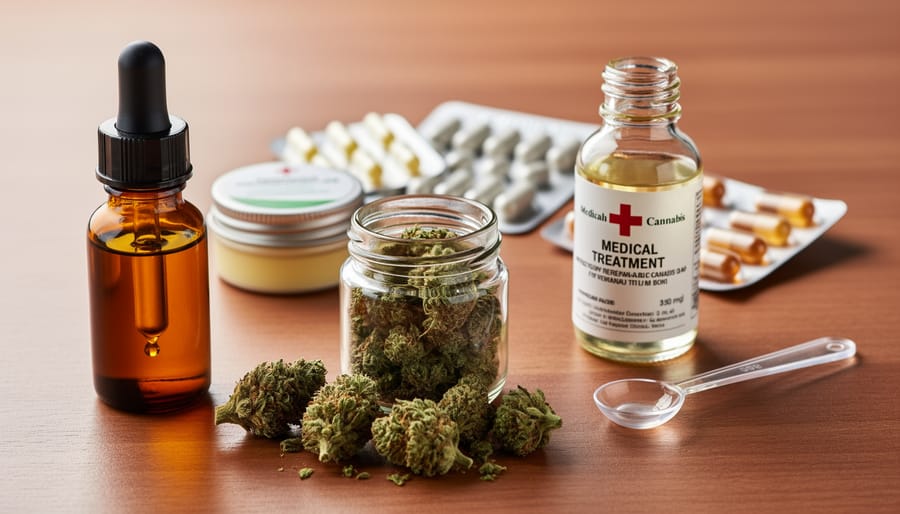
Recognized Medical Uses and Health Canada’s Position
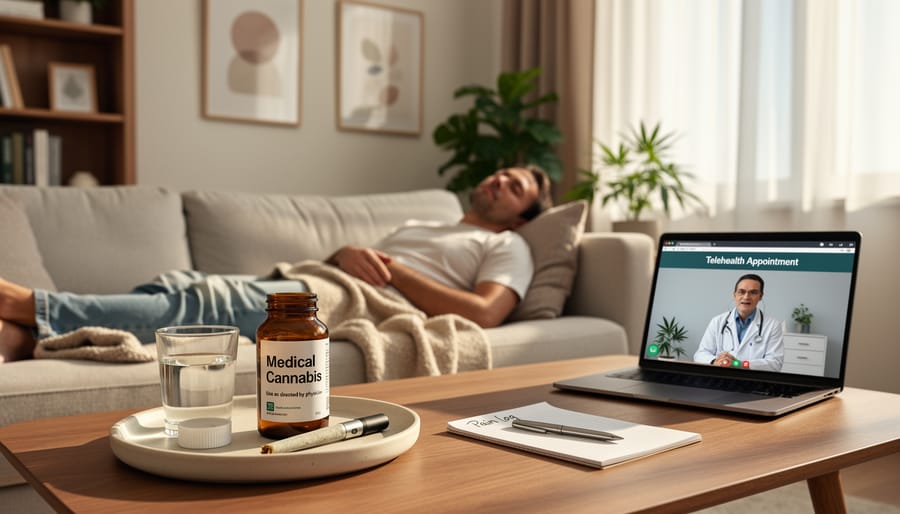
Health Canada does not formally approve cannabis for specific diseases the way it approves pharmaceutical drugs. Instead, the agency authorizes access to cannabis for medical purposes under the Cannabis Regulations when a healthcare practitioner determines it may provide therapeutic benefit. This approach recognizes cannabis as a treatment option while leaving clinical decisions to qualified professionals.
That said, substantial clinical evidence supports cannabis use for several conditions. Chronic pain is the most common reason Canadians seek medical cannabis, and research consistently shows that cannabinoids and pain relief are linked, particularly for neuropathic pain that hasn’t responded to conventional treatments. Many patients report reduced pain intensity and improved sleep quality.
Cannabis has demonstrated effectiveness for chemotherapy-induced nausea and vomiting, particularly when standard anti-nausea medications fail. The anti-emetic properties of THC have been recognized for decades, though practitioners must balance benefits against the risk of cannabis hyperemesis syndrome in long-term heavy users.
Documented therapeutic benefits extend to:
- Muscle spasticity and pain in multiple sclerosis patients
- Seizure reduction in certain treatment-resistant epilepsy forms, particularly Dravet and Lennox-Gastaut syndromes
- Appetite stimulation and weight maintenance in HIV/AIDS and cancer patients
- Symptom management in palliative care, including pain, nausea, and anxiety
- Sleep disorders related to chronic pain or PTSD
- Anxiety and PTSD symptoms, though evidence quality varies
Health Canada’s position emphasizes that while cannabis shows promise for these conditions, it isn’t a first-line treatment. The agency encourages patients and practitioners to consider cannabis when conventional therapies prove inadequate or cause intolerable side effects.
From my experience talking with medical users, the conditions that respond best are those involving chronic pain, chemotherapy side effects, and MS-related spasticity. Patients often describe cannabis as filling a gap when nothing else worked, rather than replacing their entire treatment plan.
What’s crucial to understand is that “medical cannabis” isn’t a standardized medicine. Products vary widely in cannabinoid content, ratios, and delivery methods. A prescription for medical cannabis is actually authorization to access these products and work with your healthcare team to find what helps your specific symptoms.
Who Qualifies for Medical Cannabis in Canada
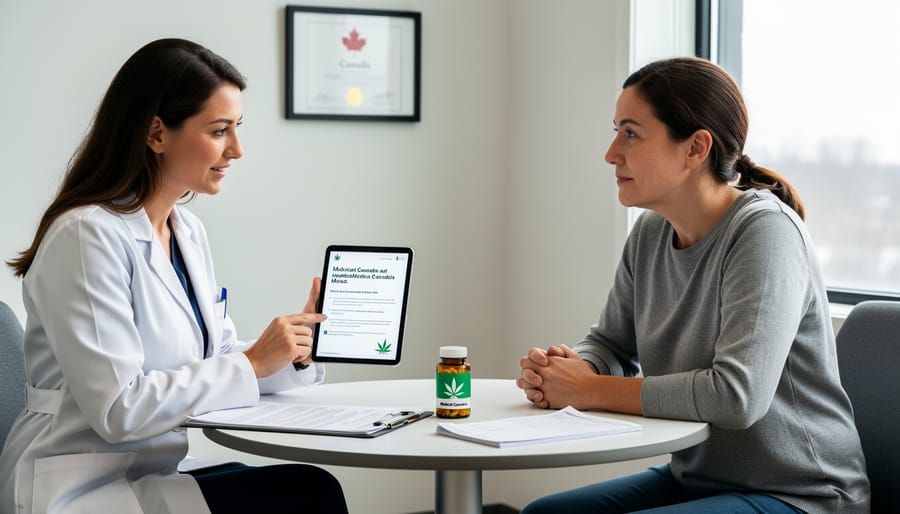
In Canada, there’s no official government list of approved conditions for medical cannabis, eligibility rests entirely on the clinical judgment of your healthcare practitioner. If a doctor or nurse practitioner believes cannabis could help manage your symptoms or underlying condition, they can authorize it for you, regardless of whether your diagnosis appears on any published guideline.
That said, certain conditions commonly receive medical cannabis authorization because research and clinical experience support their use. Chronic pain tops the list: whether it’s arthritis, fibromyalgia, nerve damage, or pain from cancer treatment, practitioners frequently authorize cannabis when conventional medications fall short or cause intolerable side effects. Mental health conditions like anxiety, PTSD, and treatment-resistant depression also qualify, though practitioners typically approach these with extra caution given cannabis’s complex effects on mood and cognition.
Neurological disorders represent another major category. Epilepsy patients, especially those with rare forms like Dravet syndrome, have gained authorization following CBD’s proven anticonvulsant effects. Multiple sclerosis patients use it for muscle spasticity and neuropathic pain. Other qualifying scenarios include nausea and appetite loss from chemotherapy, inflammatory bowel diseases like Crohn’s and ulcerative colitis, insomnia, and symptoms related to HIV/AIDS.
Age isn’t an automatic barrier, though it influences the process. Adults 18 and over can obtain authorization through any willing healthcare practitioner. Minors can access medical cannabis, but they require a parent or guardian as their designated caregiver, and practitioners understandably apply stricter scrutiny given developing brains and limited pediatric research. I’ve spoken with parents of children with severe epilepsy who successfully navigated this route, but it demands more documentation and often specialist involvement.
Provincial variations exist mainly around practitioner availability rather than eligibility itself. Quebec and some other provinces restrict nurse practitioners’ ability to authorize cannabis, meaning you’ll need a physician. Workplace accommodation and insurance coverage rules also shift by province, affecting practical access even when medical eligibility is clear.
The key takeaway: if you have a documented medical condition and your current treatments aren’t working well, you likely qualify. The real question is finding a practitioner comfortable authorizing it, which we’ll cover next.
How to Access Medical Cannabis: The Authorization Process
Finding a Healthcare Practitioner
Finding the right healthcare practitioner is often the first hurdle. Start with your family doctor if you have an established relationship, they know your medical history and can assess whether cannabis might help your specific condition. Be direct about your interest in medical cannabis and why you think it could be beneficial. Some family doctors are comfortable providing medical documents, while others aren’t, and that’s okay.
If your doctor declines or you don’t have a regular physician, cannabis-focused clinics specialize in medical cannabis assessments. These clinics typically offer consultations specifically for cannabis authorization, often with shorter wait times than booking with a new family doctor. You can find them through online searches or patient advocacy groups.
Before your appointment, gather your medical records, current medication list, and any documentation of your condition. Be prepared to discuss your symptoms honestly, previous treatments you’ve tried, and your expectations for cannabis therapy. Don’t exaggerate symptoms, practitioners need accurate information to recommend appropriate dosing and products.
Questions to ask include: What form of cannabis do you recommend for my condition? What’s the suggested starting dose? How will we monitor my response? How often do I need follow-up appointments? Will you provide ongoing care or just the initial authorization?
The Medical Document and Registration
Once your healthcare practitioner agrees to authorize medical cannabis, they’ll provide you with a medical document, not a prescription, but a formal authorization that serves as your legal gateway to accessing products through licensed producers.
The medical document includes several key details: your name and date of birth, the daily quantity of dried cannabis you’re authorized (measured in grams per day), the form of cannabis permitted (dried, oil, fresh, seeds, or plants), and the duration of authorization (typically 3 to 12 months). Your practitioner’s information and signature complete the document.
With this medical document in hand, you’ll register with a Health Canada-licensed producer of your choice. Most licensed producers offer straightforward online registration, you’ll upload or mail a copy of your medical document, provide identification, and create your patient account. The producer verifies your document with your practitioner, which usually takes 24 to 48 hours.
Once approved, you can begin ordering products within your authorized daily limit. Your medical document remains valid until its expiry date, at which point you’ll need to consult your practitioner for renewal if you wish to continue medical cannabis treatment.
Ordering and Receiving Your Products
Once you’re registered with a licensed producer, ordering is straightforward, most operate like any e-commerce site, but with extra verification. You’ll log into your account, browse products within your authorized categories and daily limits, and place your order. Your medical document specifies your daily gram limit and permitted product forms, so the system won’t let you exceed those amounts.
Delivery typically takes three to five business days via Canada Post or secure courier. Products arrive in discreet, unmarked packaging with no external indication of contents. You’ll need to show ID matching your registration upon delivery. Some licensed producers offer expedited shipping for an additional fee.
Under medical authorization, your possession limit is either thirty days’ worth of your prescribed amount or 150 grams of dried cannabis, whichever is greater. If your daily limit is two grams, you can legally possess up to sixty grams at home. Keep your medical document or a copy with you when carrying cannabis, it’s your proof of legal medical access. Most licensed producers include an order summary in each shipment that serves this purpose.
Reordering is simple once you know what works. Many patients set up automatic monthly shipments to ensure they don’t run out between orders.
Your Rights and Responsibilities as a Medical Cannabis Patient
When you become a medical cannabis patient in Canada, you gain specific legal protections that recreational users don’t have, but you also accept responsibilities that go beyond simply following your healthcare practitioner’s recommendations. Understanding both sides helps you advocate for yourself while staying compliant.
| Area | Your Rights | Your Responsibilities |
|---|---|---|
| Workplace | Request accommodation for medical use under human rights law; cannot be fired solely for authorized use | Disclose if impairment affects safety-sensitive duties; never use during work hours if it impacts performance |
| Possession | Carry up to 150 grams or your medical document’s 30-day supply (whichever is greater) in public | Store cannabis securely at home, away from minors; keep your medical document accessible when carrying |
| Travel | Carry medical cannabis within Canada with proper documentation | Never cross international borders with cannabis, even to countries where it’s legal; check provincial rules before interprovincial travel |
| Driving | Hold a valid driver’s license; medical authorization does not restrict your license | Never drive impaired; you can still be charged with impaired driving even with a prescription |
The workplace is where many patients need to assert their rights. Your employer must accommodate your medical cannabis use under Canadian human rights legislation, similar to accommodations for other prescription medications. This might mean adjusting break schedules or allowing you to medicate off-site. However, accommodation has limits, if your role involves operating heavy machinery or other safety-sensitive tasks, your employer can require you to demonstrate that you’re not impaired during work hours. I’ve seen patients work out arrangements like using non-impairing CBD products during the day and saving THC for evenings.
Housing is another protected area. Landlords cannot evict you or refuse to rent to you solely because you’re a medical cannabis patient, even in smoke-free buildings. You have the right to use your medication, though you may need to choose non-smoking methods like oils or edibles if your building prohibits smoking tobacco. Some patients have successfully negotiated designated outdoor areas with their property managers.
Insurance coverage remains inconsistent. While some private insurers and employers now cover medical cannabis, many don’t. Veterans Affairs Canada covers cannabis for eligible veterans, and a few provincial programs offer limited coverage for specific conditions. Check your benefits plan and be prepared to pay out of pocket, it’s frustrating, but the reality for most Canadian patients.
Driving deserves serious attention. Medical authorization doesn’t protect you from impaired driving charges. Police can conduct roadside sobriety tests, and if you’re deemed impaired, you face the same penalties as any impaired driver. The safest approach is waiting several hours after using THC-containing products before driving, though individual tolerance varies. Never assume your prescription is a legal shield behind the wheel.
Balancing Medical Benefits with Health Concerns
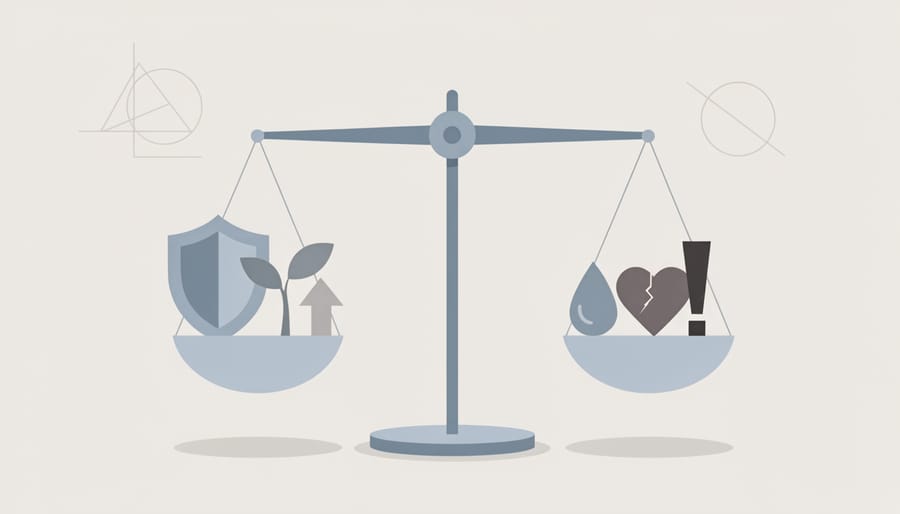
While medical cannabis offers legitimate therapeutic benefits, it’s not risk-free. Understanding the potential side effects and health risks helps you make informed decisions and work effectively with your healthcare practitioner.
Common side effects vary by product type and dosage but often include dizziness, dry mouth, drowsiness, and changes in appetite. Some patients experience cognitive effects like difficulty concentrating or short-term memory issues, particularly with higher-THC products. These effects typically diminish as your body adjusts, but they matter if you drive, operate machinery, or need sharp focus at work.
Smoking or vaping cannabis carries respiratory risks similar to inhaling any combusted material. If you have asthma, COPD, or other lung conditions, oils, capsules, or edibles eliminate this concern entirely. Many medical patients specifically choose non-inhalation methods to avoid irritating their airways.
Mental health considerations deserve careful attention. Cannabis can worsen anxiety or trigger paranoia in some people, especially at higher doses. If you have a personal or family history of psychosis or schizophrenia, discuss this thoroughly with your doctor, as THC may increase risk of psychotic episodes in vulnerable individuals.
Drug interactions present another real concern. Cannabis can amplify the effects of sedatives, blood thinners, and certain antidepressants. Always tell your healthcare practitioner about every medication and supplement you take, and inform other doctors that you use medical cannabis before they prescribe new treatments.
Dependency, while less common than with opioids or alcohol, can develop with regular cannabis use. You might notice CBD tolerance building over time, requiring higher doses for the same effect. Some long-term users experience withdrawal symptoms like irritability, sleep difficulties, or appetite changes when they stop abruptly.
This is exactly why medical supervision matters. Your healthcare practitioner monitors your response, adjusts dosing, watches for interactions, and helps you weigh benefits against risks based on your specific health profile. Medical cannabis works best as part of a comprehensive treatment plan, not as a standalone solution you manage alone.
Where to Get Help and Reliable Information
Finding trustworthy guidance on medical cannabis can feel overwhelming when you’re just starting out. The good news is that Canada offers a solid network of official resources, patient organizations, and expert support to help you navigate the process safely.
Your first stop should always be Health Canada’s official Cannabis for Medical Purposes page. This government resource provides up-to-date information on the legal framework, licensed producers, and patient responsibilities. It’s dry reading, but it’s the authoritative source for what’s actually legal and how the system works. Health Canada also maintains a list of all licensed producers, which you can filter by province to find options near you.
For more patient-focused support, here are some reliable Canadian resources:
- Canadians for Fair Access to Medical Marijuana (CFAMM), advocacy group offering patient education, legal support, and policy updates
- Cannabis Nurses Network, evidence-based guidance from registered nurses specializing in cannabis therapeutics
- Canadian Medical Cannabis Council, industry organization with patient resources and practitioner directories
- Provincial health authorities, many provinces offer specific guidance on medical cannabis through their health websites
If you experience adverse effects or have concerns about a product’s quality, you can report it directly to Health Canada through their online reporting system for cannabis products. This helps regulators identify safety issues and keeps other patients informed.
I always recommend new patients start with their provincial College of Physicians and Surgeons website. These professional bodies often publish guidance for doctors on medical cannabis authorization, which can help you understand what your healthcare provider is considering and what questions to ask.
For day-to-day support, online patient communities can be invaluable, but verify any advice you receive against official sources. What works for one person may not be appropriate for your condition or circumstances. When in doubt, consult your authorizing healthcare practitioner rather than relying solely on anecdotal experiences.
Many licensed producers also offer educational resources and patient support lines. While these are commercial entities, their materials can help you understand different product formats, dosing considerations, and consumption methods once you have your authorization.
How to Apply or Complete the Process
Getting started with medical cannabis in Canada doesn’t involve a formal “application” to a government body, instead, you’ll work directly with healthcare practitioners and licensed producers.
Your pathway breaks down into three clear steps:
First, book an appointment with a healthcare practitioner willing to authorize medical cannabis. This might be your family doctor, a walk-in clinic physician, or a nurse practitioner at a specialized cannabis clinic. Come prepared with your medical history, current medications, and specific symptoms you’re hoping to address.
Second, if the practitioner determines cannabis is appropriate for your condition, they’ll provide a medical document. This isn’t a prescription in the traditional sense, it’s an authorization specifying the daily amount you can possess, the form of cannabis, and the authorization period (typically up to one year).
Third, you’ll register with a federally licensed producer using your medical document. Most licensed producers offer online registration where you upload or mail your document. Once approved, usually within 24 to 48 hours, you can order products within your authorized limits.
That’s it. No government forms, no waiting for permits, no approval letters from Health Canada. The entire process happens between you, your healthcare provider, and your chosen licensed producer.
Frequently Asked Questions
Medical cannabis patients in Canada face many practical questions as they navigate the authorization process and ongoing use. Here are answers to the most common concerns.
How much does medical cannabis cost, and will insurance cover it?
Prices vary widely by product type and licensed producer, typically ranging from $5 to $15 per gram for dried flower. Some private insurance plans and Veterans Affairs Canada cover medical cannabis, but coverage isn’t universal, check with your insurer about requirements like prior authorization or spending caps.
Can I grow my own cannabis with a medical authorization?
Yes, medical cannabis patients can apply to Health Canada for a registration to cultivate their own plants or designate someone to grow for them. The number of plants allowed depends on your daily prescribed amount, with calculations outlined in the Cannabis Regulations.
What’s the difference between buying medical cannabis and just buying recreational?
Medical authorization offers higher possession limits, potential insurance coverage, tax exemptions in some provinces, legal protections for workplace and housing accommodations, and access to healthcare practitioner guidance on dosing and product selection.
How often do I need to renew my medical cannabis authorization?
Medical documents are typically valid for up to one year, though your healthcare practitioner may issue shorter terms initially. You’ll need to schedule a follow-up appointment before expiry to assess your treatment and obtain a new medical document if appropriate.
Beyond these basics, patients often wonder about switching between medical and recreational purchases. You can legally do both, but your medical possession limits don’t stack with recreational limits, they’re separate frameworks. If you have a medical document, you’re subject to the higher medical limits even if you also buy recreationally.
Changing licensed producers is straightforward. You’re not locked into one supplier. Simply register with a different LP using your medical document, though you can only have active registrations with a combined total that doesn’t exceed your prescribed daily amount across all producers.
If you’re travelling within Canada, your medical authorization provides legal protection to possess cannabis up to your prescribed limits, which exceed the 30-gram recreational limit. For international travel, cannabis remains illegal to cross borders in either direction, even with medical authorization. Laws in your destination country apply, and many countries don’t recognize Canadian medical documents.
Yes, cannabis does have legitimate medical uses, ones backed by clinical research, recognized by Health Canada, and accessible through proper legal channels. Throughout this article, we’ve seen that medical cannabis isn’t just anecdotal hope; it’s a regulated treatment option for Canadians dealing with chronic pain, chemotherapy side effects, epilepsy, multiple sclerosis symptoms, and other qualifying conditions.
That said, medical cannabis isn’t risk-free or right for everyone. Side effects happen. Drug interactions exist. Some people experience dependency, mental health changes, or respiratory issues. This is precisely why accessing cannabis through medical authorization matters: you get professional oversight, personalized dosing guidance, and someone monitoring how treatment affects your specific health picture.
The path forward starts with an honest conversation with a healthcare practitioner who understands your medical history. They’ll help you weigh potential benefits against risks, determine appropriate products and doses, and provide the medical document you need to access legal, quality-tested cannabis from licensed producers. This isn’t about navigating the grey market or guessing at dosages, it’s about informed, supervised treatment.
If you’re considering medical cannabis, you’re not alone. Thousands of Canadians successfully manage their conditions this way while staying within their legal rights at work, at home, and in their communities. The process might feel unfamiliar at first, but the resources and support systems exist to guide you through it.
Remember: you deserve accurate information, compassionate care, and access to treatments that genuinely help. Take your time, ask questions, and trust yourself to make the decision that’s right for your health., Danielle