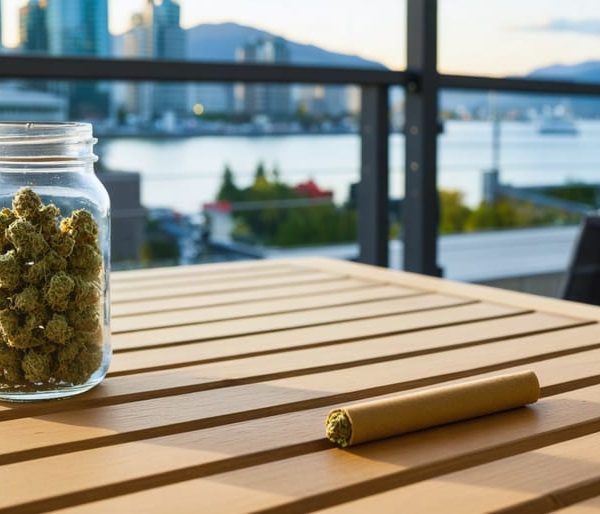

**Yes, cannabis is federally legal in Canada.** Since October 17, 2018, the Cannabis Act has allowed adults across the country to purchase, possess, and use cannabis—including CBD products—within defined limits. This makes Canada one of the few nations with nationwide legalization, though the framework differs significantly from the patchwork of state-by-state laws in the United States.
Understanding what federal legalization actually means for you matters more than the simple yes/no answer. While Ottawa sets the baseline rules—like the 30-gram possession limit and minimum age of 18—each province adds its own layer of regulations affecting where you can buy, consume, and even grow cannabis. This federal-provincial partnership creates variations that might surprise first-time users or those relocating between provinces.
The legalization particularly impacts CBD users, who now have clear pathways to access products that were once in regulatory limbo. Whether you’re exploring CBD for wellness, managing specific health concerns, or simply curious about your options, knowing your rights under federal law—and your province’s specific rules—ensures you stay compliant while making informed choices.

The Cannabis Act: Canada’s Federal Legalization Explained
What Changed on October 17, 2018
October 17, 2018 marked a historic shift in Canadian drug policy. On that date, the Cannabis Act came into full effect, making Canada only the second country in the world to legalize recreational cannabis at the federal level.
Here’s what actually became legal that day. Adults aged 18 or older (19+ in some provinces) could now legally possess up to 30 grams of dried cannabis or its equivalent in public. You could purchase cannabis from provincially regulated retailers—though I remember the initial rollout was pretty limited, with many provinces starting online-only. The ability to share up to 30 grams with other adults also became legal, as long as no money changed hands.
One of the most significant changes was home cultivation. Canadians could now grow up to four cannabis plants per household for personal use, though some provinces like Quebec and Manitoba opted out of this provision. The plants couldn’t exceed one meter in height and had to be grown from licensed seeds or seedlings.
This was dramatically different from the previous medical-only framework that had existed since 2001. Before October 2018, you needed authorization from a healthcare practitioner and had to register with Health Canada to access cannabis legally. The market was entirely medicinal, with strict controls on who could access it and how.
The new system opened cannabis access to all adults, creating a legal recreational market alongside the existing medical program. For CBD users specifically, this meant you no longer needed a prescription to access CBD products, though regulations around concentration levels and product formats still applied.
Medical vs. Recreational Cannabis: Both Are Federally Legal
Yes, cannabis is federally legal in Canada—but here’s where it gets interesting: the federal government actually created *two* distinct legal systems under the Cannabis Act. Both medical and recreational cannabis are legal at the federal level, but they operate quite differently in practice.
Medical cannabis has been federally legal since 2001, well before recreational legalization arrived in 2018. If you have a medical authorization from a healthcare practitioner, you can order directly from federally licensed producers and have products shipped to your door across provincial lines. You’ll also have access to higher potency products and larger possession limits than recreational users.
Recreational cannabis, on the other hand, follows the newer 2018 framework. You don’t need any authorization—just proof you’re 19+ (18+ in Alberta and Quebec)—but you’re limited to purchasing from provincially regulated retailers, whether that’s physical stores or provincial online platforms.
I remember the confusion when I first explained this to my neighbour. She assumed medical cannabis existed in some legal grey area, but it’s actually the more established federal system. Both pathways are completely legal; they just have different access points, product selections, and regulations. The key takeaway? Federal legality covers both, but your experience accessing cannabis will differ significantly depending on which route you choose.
How Federal and Provincial Laws Work Together
What the Federal Government Controls
The federal government in Canada sets the foundation that makes cannabis legal nationwide. Through the Cannabis Act, Ottawa controls the big-picture elements that ensure consistency and safety across the country.
Health Canada oversees production standards and issues licenses to commercial growers and processors. These producers must meet strict quality requirements—everything from pesticide limits to testing protocols. If you’ve ever wondered why licensed cannabis products look so standardized with those familiar packaging warnings, that’s federal regulation at work.
The federal government also manages all import and export activities. You cannot legally bring cannabis across Canadian borders, even between legal jurisdictions. I’ve seen confused travellers at airports who assumed legal meant portable internationally—it doesn’t.
Criminal penalties for illegal production and distribution remain under federal jurisdiction too. While possession is legal, operating outside the licensed system still carries serious consequences. The government maintains these strict boundaries to prevent black market activity and protect public health.
Think of it this way: the federal framework is like the foundation of a house. It provides the structural rules everyone must follow, while provinces get to decorate and arrange the rooms differently based on local preferences.
What Provinces and Territories Control
While the federal government legalized cannabis, each province and territory has significant control over how it’s actually sold and used in their region. Think of it like alcohol—federally legal, but your experience buying and consuming it varies depending on where you live.
**Retail models** differ dramatically. Some provinces like British Columbia allow private retailers alongside government stores, while others maintain stricter government-only models. This affects everything from store locations to product availability.
**Minimum age** requirements are set provincially. Most provinces require you to be 19 years old, but Alberta and Quebec set the bar at 18. When I first learned about these provincial cannabis regulations, I was surprised by how much they differ—it’s definitely worth checking your specific province’s rules before making assumptions.
**Public consumption** rules vary widely. Some provinces allow consumption anywhere tobacco smoking is permitted, while others are much more restrictive. Many prohibit use in vehicles, public parks, or near schools regardless of federal law.
**Home growing** is another area with provincial variation. While federal law permits four plants per household, Quebec and Manitoba have banned home cultivation entirely. Other provinces add restrictions about plant visibility or where you can grow them.
**Public possession limits** also differ. The federal limit is 30 grams of dried cannabis (or equivalent), but provinces can set lower limits. Some also restrict how much you can purchase in a single transaction. Always check your local rules to stay compliant.
Your Rights Under Federal Cannabis Law
Possession Limits You Need to Know
Under federal law, adults in Canada can possess up to 30 grams of dried cannabis in public spaces. This is your baseline limit to remember. But here’s where it gets interesting—not all cannabis products are “dried cannabis,” so Health Canada created equivalency guidelines to keep things fair.
One gram of dried cannabis equals approximately 5 grams of fresh cannabis, 15 grams of edible products, 70 grams of liquid products like oils, 0.25 grams of concentrates, or one cannabis seed. When I first learned these conversions, I found it helpful to keep a quick reference on my phone until they became second nature.
If you exceed these limits, consequences depend on the amount. Possessing slightly over 30 grams but under specific thresholds might result in a fine, while significantly exceeding limits can lead to criminal charges, including potential imprisonment. The severity increases dramatically if minors are involved.
At home, you can possess more—up to four plants per household in most provinces (though Quebec and Manitoba prohibit home cultivation entirely). Provincial rules also affect storage requirements, so always check your local regulations alongside federal guidelines to stay compliant.
Growing Cannabis at Home
Under federal law, Canadian adults can grow up to four cannabis plants per household for personal use. This applies whether you’re cultivating high-THC strains or CBD-rich varieties. The plants must not exceed one meter in height during growth, though this encourages many home growers to explore dwarf or auto-flowering cannabis varieties that naturally stay compact.
When I first heard about the height restriction, I wondered how strictly it’s enforced—turns out it’s more about keeping plants discreet and manageable rather than requiring daily measurements with a ruler!
It’s crucial to note that Quebec and Manitoba have opted out of allowing home cultivation entirely, despite the federal allowance. If you live in these provinces, growing cannabis at home remains illegal under provincial law, and residents must purchase from licensed retailers instead.
For those in provinces where home growing is permitted, remember that “per household” means four plants total, not four per person. Roommates sharing a space still need to stay within that four-plant limit. Plants must also be kept secure and out of public view, particularly away from minors.

Where You Can Buy Legal Cannabis
Since cannabis became federally legal in Canada, purchasing it legally is straightforward—but it’s important to know where to go. Each province operates differently, so your options depend on where you live.
In most provinces, you can buy cannabis from licensed physical retail stores or through provincial online platforms. For example, Ontario residents can visit licensed private retailers or order through the Ontario Cannabis Store website, while British Columbians use BC Cannabis Stores. Quebec operates through the SQDC, and Alberta has numerous private retailers alongside its online platform.
I always recommend sticking with legal sources, even though you might find cheaper options elsewhere. Licensed retailers must follow strict quality control standards, meaning products are tested for contaminants, accurately labeled for potency, and stored properly. When I first started exploring CBD products, knowing exactly what I was getting—and that it was tested for pesticides and heavy metals—gave me tremendous peace of mind.
Buying from illegal sources puts you at risk. You have no guarantee about what’s actually in the product, and unlicensed sellers operate outside regulations designed to protect consumers. Plus, supporting the legal market helps ensure the framework that brought us nationwide legalization continues to thrive.
Check your provincial cannabis retailer website for the most current purchasing options in your area.

CBD Products and Federal Legality: A Special Case
CBD With THC: Regulated Like Cannabis
Here’s where things get more regulated. If a CBD product contains **any amount of THC**—even trace amounts above 0.3%—it’s legally classified as cannabis under the Cannabis Act. This means you can’t just pick it up at your local health store or order it online from wherever you’d like.
These products must be purchased exclusively from licensed cannabis retailers, whether that’s a physical storefront or a provincially-approved online shop. When I first learned this distinction, I was surprised how strictly the line is drawn—even a CBD product with just 1% THC requires the same purchasing process as any other cannabis product.
Age restrictions apply across the board (18+ in most provinces, 19+ in others), and you’ll need valid government ID to make a purchase. The products also come with standardized packaging, Health Canada warnings, and clear THC/CBD content labeling.
This regulatory framework exists to ensure product safety and quality control. While it might feel like an extra step compared to hemp-derived CBD, it does guarantee you’re getting exactly what’s on the label—something that’s particularly important when THC is involved. Similar regulations apply to other cannabinoids, including Delta 8 legal status, which also falls under strict federal oversight.
Hemp-Derived CBD: Different Rules Apply
Here’s where things get interesting for CBD users in Canada. While cannabis falls under the *Cannabis Act*, industrial hemp and its derivatives follow different rules—and this matters more than you might think.
Hemp-derived CBD products containing less than 0.3% THC are regulated as industrial hemp, not cannabis. This seemingly small distinction affects how these products are manufactured, sold, and labeled. Many CBD products you’ll find in health stores or online fall into this category and may be regulated under Health Canada’s Natural Health Products (NHP) regulations instead.
I’ve learned through my own journey that checking labels is absolutely crucial. Products approved as Natural Health Products will display an NHP number on the packaging, indicating they’ve met specific safety and quality standards. Without this designation, you’re in a grey area that could mean inconsistent quality or unclear legal status.
This is particularly important when considering activities like driving with CBD—knowing your product’s THC content and regulatory status protects you legally. Always look for clear labeling showing cannabinoid content, NHP approval, and source verification. If a product seems vague about its origins or compliance, that’s your cue to keep shopping.
Navigating the CBD Market Legally in Canada
When I first started exploring CBD products, I was overwhelmed by the sheer number of options—and not all of them were legal. Here’s what I’ve learned about shopping safely in Canada’s regulated market.
Always purchase from licensed retailers, whether online through provincial websites or authorized brick-and-mortar stores. Legal products display a mandatory excise stamp and clear THC/CBD content on the label. If you’re unsure about CBD legality in Canada or product legitimacy, check if the retailer requires age verification—that’s a good sign they’re following regulations.
Avoid grey-market products promising unrealistic health claims or sold without proper packaging information. These unregulated items haven’t undergone Health Canada’s safety testing and could contain unknown ingredients or incorrect cannabinoid levels. I once nearly bought CBD from an unlicensed website offering “miracle cures”—red flags that saved me from a risky purchase. Stick with transparent retailers who provide batch testing results and clear ingredient lists.
What’s Still Illegal Under Federal Law
Border Crossing: Zero Tolerance
Here’s an important warning that catches many Canadians off guard: even though cannabis is completely legal here, you absolutely cannot take it across any international border—not even into US states where it’s also legal.
This is a zero-tolerance situation. Canadian border officials will seize cannabis if you’re trying to leave with it, and American border agents can ban you from entering the US entirely if you attempt to bring it in. I’ve heard stories from friends who mentioned past cannabis use during casual border conversations and faced serious entry complications as a result.
The reason? Cannabis remains illegal at the US federal level, and border enforcement is a federal matter. This applies whether you’re carrying flower, edibles, oils, or CBD products—it doesn’t matter that CBD might be legal on both sides of the border.
Even admitting to cannabis use (past or present) can create problems at US customs, though Canadian legalization has somewhat normalized these conversations. My advice? Leave your cannabis at home when traveling internationally, and avoid discussing your cannabis use with border officials unless directly asked. Purchase what you need at your destination if it’s legal there, rather than risking serious legal consequences by crossing borders with Canadian products.
Other Federal Prohibitions
While cannabis is federally legal in Canada, significant restrictions remain in place to protect public safety. Understanding these prohibitions is crucial for staying on the right side of the law.
Selling cannabis without a proper license is a serious criminal offence, even if you’re giving it away for free in exchange for donations or other items. Only licensed retailers can sell cannabis products. Similarly, possessing amounts beyond your provincial limit—typically 30 grams of dried cannabis in public—can result in fines or criminal charges.
One of the strictest federal rules involves youth. Giving or selling cannabis to anyone under 18 (or 19 in some provinces) carries severe penalties, including up to 14 years in prison. Even as an adult, using a young person to commit a cannabis-related offence is a federal crime.
The impaired driving laws are particularly important to understand. Canada has zero-tolerance laws for new drivers and strict THC limits for everyone else. Police can conduct roadside testing, and penalties range from immediate license suspensions to criminal records and jail time.
From my conversations with readers, many people don’t realize how seriously Canada takes these restrictions, especially around impaired driving and youth protection.
Yes, cannabis is federally legal in Canada—and it has been since October 17, 2018. If you’ve been wondering whether you can legally use cannabis or CBD products, the answer is reassuring: you absolutely can, as long as you follow the framework established by the Cannabis Act and your provincial regulations.
Navigating Canada’s cannabis laws might seem complicated at first, especially with provincial variations, but the fundamentals are straightforward. You can legally purchase from licensed retailers, possess reasonable amounts, and use cannabis products—including CBD—without federal criminal concerns. The key is staying within the legal boundaries: buy from authorized sources, respect age restrictions, follow possession limits, and be mindful of where you consume.
From my own experience exploring CBD products across Canada, I’ve found that once you understand the basics, using cannabis legally becomes second nature. The landscape continues to evolve, so staying informed about changes in both federal and provincial rules helps you make confident decisions.
Remember, our site offers resources to guide you through product selection, legal updates, and usage tips tailored specifically for Canadians. Whether you’re just starting your cannabis journey or looking to deepen your understanding, you’re well-equipped to explore these options legally and safely.