
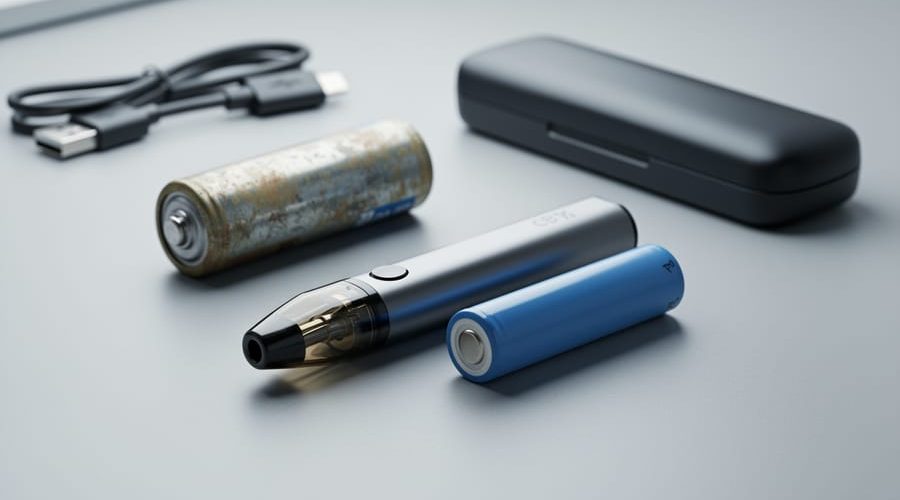
When I first started researching CBD vape devices, I stumbled into a heated debate about battery types that honestly caught me off guard. Two technologies dominate the market: nickel-cadmium (Ni-Cd) batteries and lithium-ion batteries. Understanding the difference isn’t just about getting longer usage between charges. It’s about your safety, your wallet, and whether you’re getting a device that meets Canadian standards.
Here’s what matters most: lithium-ion batteries power the vast majority of modern CBD vapes sold in Canada today, and for good reason. They’re lighter, hold more charge, don’t suffer from memory effect, and contain fewer toxic materials than their Ni-Cd predecessors. Nickel-cadmium batteries, while once standard, are increasingly rare in new devices due to environmental regulations and performance limitations.
The safety conversation around vape batteries often creates unnecessary panic. Yes, battery incidents have made headlines, but context matters enormously. Most problems stem from user error, counterfeit products, or mechanical damage rather than the battery chemistry itself. Both battery types can be safe when manufactured properly and used correctly, but lithium-ion technology has evolved with better built-in safety features.
This guide cuts through the confusion. You’ll learn the real differences between these battery types, what the safety data actually shows, how Canadian regulations affect your choices, and practical steps to protect yourself regardless of which battery powers your CBD vape. No technical jargon, no fear-mongering, just the information you need to make a confident decision.
The Two Battery Types Powering Your CBD Vape
What Makes These Batteries Different
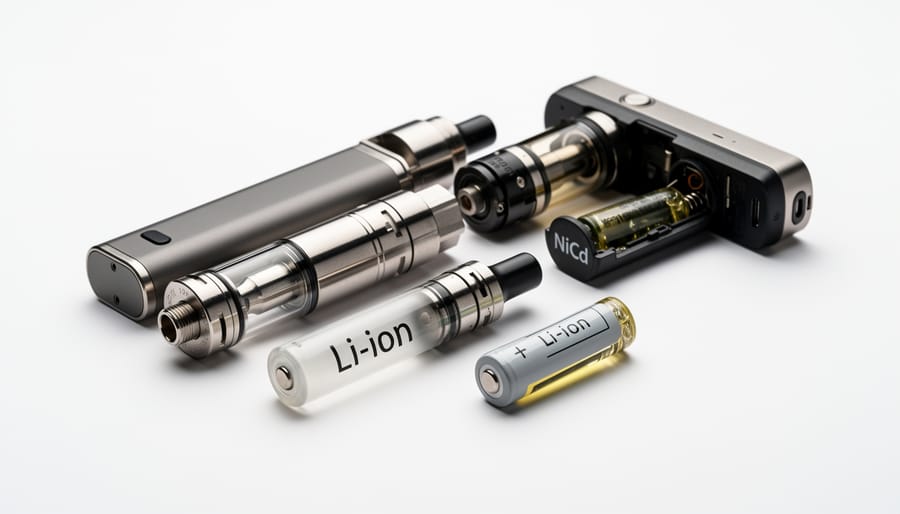
Think of these two battery types as fundamentally different energy storage systems. Nickel-cadmium (Ni-Cd) batteries use a chemical reaction between nickel oxide hydroxide and metallic cadmium to create power. They’ve been around since the 1950s and are known for being tough and reliable, but they’re also heavy and contain toxic cadmium metal.
Lithium-ion batteries, on the other hand, move lithium ions back and forth between two electrodes. They’re the newer technology you’ll find in almost all modern CBD vape devices sold in Canada today. The main reason? They pack way more energy into a smaller, lighter package.
For CBD vapers, here’s what actually matters in your day-to-day experience: lithium-ion batteries hold their charge longer between uses, they’re significantly lighter in your hand or pocket, and they don’t suffer from that frustrating “memory effect” where the battery loses capacity if you don’t fully drain it before recharging. Ni-Cd batteries, while durable, are bulkier and require more maintenance to keep performing well.
I’ve noticed that most reputable Canadian CBD vape manufacturers have completely transitioned to lithium-ion technology, which tells you something about where the industry has landed on this question.
Which Battery Is in Your CBD Vape?
Most CBD vape pens and cartridges sold in Canada today use lithium-ion batteries. You’ll rarely encounter ni-cd batteries in modern vaping devices since they’ve been largely phased out due to safety concerns and environmental regulations.
To confirm which battery type your device uses, check the product packaging or user manual, which should list battery specifications. You can also look at the manufacturer’s website under technical specifications. If you’re shopping online, reputable Canadian retailers typically include battery information in the product description.
From my experience reviewing CBD vape products, rechargeable vape pens almost exclusively contain lithium-ion batteries, while disposable vapes use single-use lithium batteries. If your device charges via USB and is relatively lightweight, it’s definitely lithium-ion.
When purchasing a new CBD vape device in Canada, look for products that clearly state their battery type and include safety certifications. Avoid devices with vague specifications or no battery information listed. If you’re unsure about a product you already own, contact the manufacturer directly or consult with the retailer where you purchased it. Remember, legitimate Canadian CBD retailers should be transparent about the components in devices they sell, including battery specifications, to help you make informed safety decisions.
Safety First: How These Batteries Behave
Lithium-Ion Battery Risks You Should Know
I’ll be honest with you—when I first heard about lithium-ion battery incidents in the news, I felt uneasy about my own vape devices. But understanding what actually causes these problems helped me use my CBD vape with confidence rather than worry.
Thermal runaway is the scary-sounding term you might have heard. It happens when a lithium-ion battery gets damaged or overheats, creating a chain reaction that can lead to fire or explosion. But here’s the important context: these incidents almost always involve specific circumstances that are preventable.
What causes these issues? Physical damage to the battery is a major culprit—dropping your device repeatedly, puncturing it, or exposing it to extreme temperatures. Using the wrong charger or leaving your vape in a hot car are other common triggers. Counterfeit or poorly manufactured batteries from unregulated sources significantly increase risk too, which is why I only purchase CBD vape devices from licensed Canadian retailers.
Watch for these warning signs: your device getting unusually hot during charging or use, bulging or swelling of the battery, strange odours, or your vape behaving erratically. If you notice any of these, stop using it immediately and dispose of it properly at an electronics recycling facility.
The reassuring reality? When you buy quality devices from reputable Canadian suppliers, follow manufacturer charging instructions, and treat your vape with basic care, lithium-ion batteries are remarkably safe. Millions of Canadians use these batteries daily in phones, laptops, and vapes without incident.
NiCd Battery Safety Profile
NiCd batteries come with some unique safety considerations you should understand before choosing a vape device. The most well-known issue is the “memory effect,” where the battery seems to lose capacity if you repeatedly recharge it before it’s fully drained. While this won’t cause immediate danger, it can make your device less reliable over time and potentially create frustration when your vape dies unexpectedly.
The bigger concern is cadmium toxicity. Cadmium is a heavy metal that poses environmental and health risks if batteries aren’t disposed of properly. In Canada, we have strict regulations around battery disposal for this reason. If a NiCd battery ruptures or leaks, exposure to cadmium can be harmful, though this is quite rare with quality devices.
Here’s the good news: you’ll rarely encounter NiCd batteries in modern CBD vapes sold in Canada. Most manufacturers have moved away from this technology specifically because of these concerns. The vaping industry has largely adopted lithium-ion batteries, which don’t contain toxic heavy metals and offer better performance.
If you do come across an older device with NiCd batteries, handle it carefully and never dispose of it in regular household waste. Take it to a designated battery recycling facility to protect both yourself and the environment.
Real-World Safety: What the Numbers Say
Let’s put this in perspective. According to Health Canada and consumer safety data, battery incidents in personal devices are remarkably rare when products meet Canadian safety standards. We’re talking about a few incidents per million devices sold—far less common than accidents involving everyday items like toasters or electric kettles.
I remember when a friend panicked about using her CBD vape after reading sensational headlines about battery fires. When we looked at the actual statistics together, she realized her smartphone battery posed similar (minimal) risks, and she’d never worried about that. The difference? She understood her phone’s safety features.
For lithium-ion batteries in properly manufactured CBD vapes sold through legitimate Canadian retailers, serious incidents are extraordinarily uncommon among responsible users. Most documented problems involve counterfeit products, damaged batteries, or misuse like leaving devices in extreme heat or using incorrect chargers.
Ni-Cd batteries have an even longer track record, though they’re less common in modern vapes. Their main advantage is durability under abuse, but both battery types are safe when you follow basic guidelines: buy from reputable sources, don’t use visibly damaged devices, charge with the correct adapter, and store at room temperature. The reality is that responsible CBD vape users face minimal battery-related risks with either technology.
Performance That Affects Your CBD Experience
Battery Life and Charging Times
Lithium-ion batteries significantly outperform Ni-Cd in both longevity and charging speed, which matters when you’re relying on your CBD vape throughout the day. A lithium-ion vape battery typically lasts 300-500 charge cycles compared to 200-300 for Ni-Cd, meaning your device stays functional longer before needing replacement.
Charging times tell an even more compelling story. Lithium-ion batteries reach full charge in 1-3 hours, while Ni-Cd batteries often require 8-12 hours. From my own experience using CBD vapes during particularly stressful work weeks, quick charging has been essential. I can top up my device during lunch and have it ready for evening use, rather than planning overnight charges.
Lithium-ion batteries also hold their charge better when not in use. If you’re an occasional CBD user who vapes a few times weekly rather than daily, you’ll find lithium-ion devices maintain their charge between sessions. Ni-Cd batteries self-discharge faster, potentially leaving you with a dead device when you need it most. For Canadian users managing anxiety or chronic pain with CBD, this reliability difference isn’t just convenient—it’s about consistent access to your wellness routine.
Consistency in CBD Vapor Production
Here’s something I learned the hard way during my first winter using CBD vapes in Calgary: not all batteries perform consistently as they drain. With NiCd batteries, you’ll notice a gradual decline in vapor production and temperature as the charge depletes. This means your CBD delivery becomes less predictable toward the end of a session, which can be frustrating when you’re trying to manage specific symptoms consistently.
Lithium-ion batteries, on the other hand, maintain stable voltage output throughout most of their charge cycle. This translates to more consistent vapor temperature and quality from your first puff until the battery needs recharging. For CBD users, this consistency matters because temperature directly affects how cannabinoids are vaporized and absorbed. Too cool, and you’re not getting efficient CBD delivery. Too hot, and you risk degrading the beneficial compounds.
In practical terms, lithium-ion devices give you a more predictable experience, which is especially important if you’re new to CBD vaping and still figuring out your ideal dosage. You won’t need to adjust your inhalation technique or frequency to compensate for declining battery performance.
Lifespan and Replacement Costs
When it comes to your CBD vape investment, understanding how long your device will last matters for your wallet. Lithium-ion batteries typically offer 300-500 charge cycles before noticeable degradation, while NiCd batteries can handle 1,000+ cycles. However, here’s the catch: lithium-ion maintains consistent performance throughout its life, whereas NiCd gradually loses capacity.
For Canadian consumers, this means different considerations. A lithium-ion vape might need replacement after 1-2 years of regular use, but you’ll enjoy reliable performance until then. NiCd devices could technically last longer, though you’ll experience diminishing vapor quality over time due to memory effect issues.
Cost-wise, lithium-ion devices generally have higher upfront prices but lower long-term costs since they’re more efficient. I’ve found that investing in quality lithium-ion devices from reputable Canadian retailers often saves money compared to repeatedly replacing cheaper NiCd options. Consider your usage frequency and budget when deciding which technology suits your needs best.
Keeping Your Lithium-Ion CBD Vape Safe
Charging Your Device the Right Way
Whether you’re using a ni-cd or lithium-ion powered CBD vape, proper charging habits can significantly extend battery life and keep you safer. I learned this the hard way when I ruined a perfectly good device by leaving it plugged in overnight for weeks on end.
First, avoid leaving your device charging overnight or for extended periods after it’s fully charged. Lithium-ion batteries especially don’t appreciate being kept at 100% constantly, and this can degrade their capacity faster. Think of it like overfilling a glass – you’re just creating unnecessary stress.
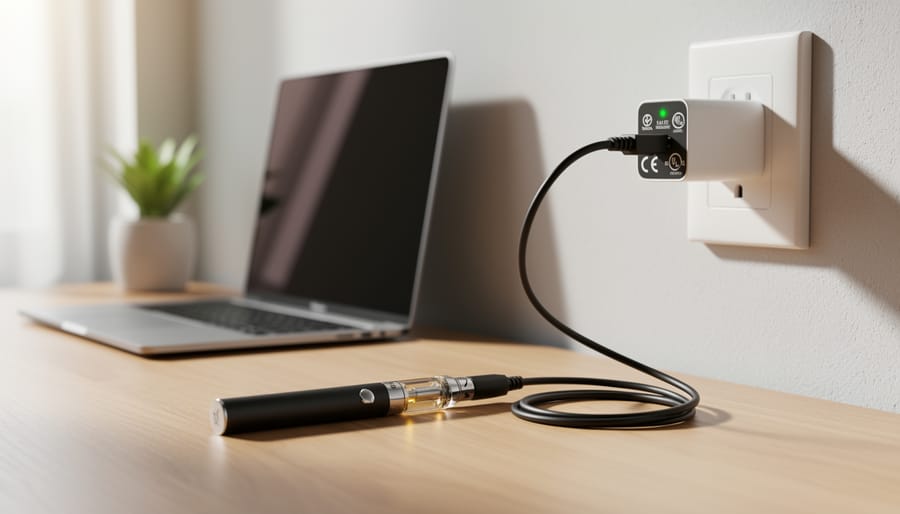
Always use the charger that came with your device or a manufacturer-approved replacement. Those cheap gas station adapters might fit, but they can deliver inconsistent power that damages your battery over time. In Canada’s varying temperatures, this becomes even more important as batteries are already dealing with environmental stress.
Pay attention to warning signs that your battery might be compromised. If your device gets unusually hot during charging, takes much longer than usual to charge, or the battery drains incredibly fast, stop using it immediately. A swollen battery case is an absolute red flag – safely dispose of the device at an electronics recycling facility.
Charge your vape in a visible location on a non-flammable surface, never under pillows or in your car during summer heat.
Storage and Handling Tips
Proper storage makes a real difference in how long your CBD vape battery lasts. Whether you have a ni-cd or lithium-ion device, temperature matters more than most people realize. Both battery types prefer room temperature storage, ideally between 15-25°C. I learned this the hard way after leaving a vape in my car during a Canadian winter – the cold seriously affected its performance.
If you’re not using your device for a while, store lithium-ion batteries at about 40-50% charge rather than fully charged or completely drained. Ni-cd batteries are less fussy but still appreciate being stored in a cool, dry place. Keep batteries away from direct sunlight, heating vents, or anywhere temperatures fluctuate dramatically.
Physical protection is equally important. Store your vape in a protective case to prevent drops and scratches that could damage the battery casing. Never carry loose batteries in pockets or bags with metal objects like keys or coins – this can cause dangerous short circuits.
When traveling, keep your CBD vape in your carry-on luggage rather than checked bags, as cargo holds experience extreme temperature changes. These simple habits protect both your investment and your safety.
When to Replace Your CBD Vape
Knowing when to replace your CBD vape battery is essential for both safety and performance. Watch for these warning signs: noticeably shorter battery life than when new, the device becoming unusually hot during charging or use, physical damage like dents or swelling, and inconsistent power delivery. If your vape takes much longer to charge or won’t hold a charge at all, it’s time for retirement.
Never continue using a damaged battery, especially if you notice any swelling or leaking, as these are serious safety hazards. Most CBD vape batteries last between 300-500 charge cycles, though lithium-ion batteries typically outlast NiCd options.
When it’s time to dispose of your device, don’t toss it in regular trash. In Canada, batteries must be recycled properly due to environmental regulations. Check with your municipality for hazardous waste collection days, or visit retailers like Best Buy, Home Depot, and The Source, which often have battery recycling programs. Call2Recycle operates drop-off locations across Canada specifically for rechargeable batteries. Proper disposal protects both people and the environment from potentially harmful materials.
Choosing a Safe CBD Vape Device in Canada
Safety Certifications That Matter
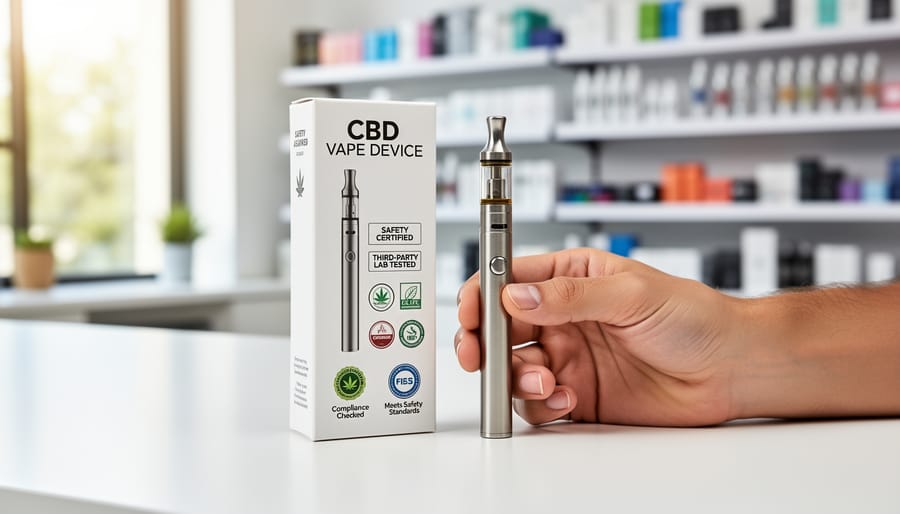
When shopping for CBD vape devices in Canada, look for batteries certified by recognized testing organizations. UL (Underwriters Laboratories) certification is the gold standard, indicating the battery has undergone rigorous safety testing for overheating, short circuits, and other hazards. CE marking shows European safety compliance, while CSA (Canadian Standards Association) certification means the product meets Canadian-specific requirements.
For lithium-ion batteries specifically, UN 38.3 certification confirms safe transport standards have been met, which is particularly important given shipping regulations. You might also see IEC 62133 certification, which addresses rechargeable battery safety.
Here’s what I’ve learned from reviewing countless vape devices: reputable manufacturers display these certifications prominently on packaging or product listings. If you can’t find any safety certifications listed, that’s a red flag. Canadian retailers are required to sell compliant products, but it’s worth double-checking, especially when purchasing online.
These certifications aren’t just bureaucratic paperwork. They represent real testing that helps prevent battery failures, fires, and injuries. Given the proximity of vape batteries to your face during use, these standards genuinely matter for your safety.
Red Flags to Avoid
When shopping for CBD vape devices in Canada, watch out for several concerning signs that might indicate you’re dealing with a subpar or potentially unsafe product.
First, be cautious of devices sold at suspiciously low prices, especially online. I’ve seen counterfeit vape pens flooding certain marketplaces that claim to have lithium-ion batteries but actually contain cheaper, lower-quality cells. These knockoffs often lack proper safety certifications and can pose real risks.
Check for proper labeling and certification marks. Legitimate devices should display information about the battery type, manufacturer details, and safety certifications recognized in Canada. If packaging looks hastily printed or contains spelling errors, that’s a major warning sign.
Avoid purchasing from vendors who can’t or won’t provide clear information about their products’ battery specifications. Reputable Canadian retailers should be transparent about whether they’re selling NiCd or lithium-ion powered devices and provide proper documentation.
Be wary of devices with no brand name or those mimicking popular brands with slight spelling variations. I once encountered a customer who bought what she thought was a name-brand vape pen, only to discover it was a poorly made copy after it stopped working within days.
Finally, steer clear of any seller who dismisses safety questions or pressures you into quick purchasing decisions. Taking time to research is always worthwhile when it comes to battery-powered devices.
Here’s the bottom line: lithium-ion batteries are safe when you treat them with respect. Yes, they’re more powerful than the old ni-cd batteries, but that’s exactly why they’ve become the standard in modern CBD vape devices. With proper care—using the right charger, storing your device correctly, and replacing batteries when they show signs of wear—you can vape with complete confidence.
Personally, I keep my vape devices away from my car’s cupholder in summer and always use the charger that came with my device. These small habits have become second nature, and they give me peace of mind knowing I’m doing everything right. The reality is that battery incidents make headlines precisely because they’re rare, not common.
As you explore CBD vaping in Canada, remember that choosing a reputable device with built-in safety features is your first line of defense. Read your device manual, follow basic safety guidelines, and trust that manufacturers have designed these products with your safety in mind. You’re now equipped with the knowledge to make smart, informed decisions about your vaping experience.