
Take your CBD with omega-3 fatty acids to enhance absorption – the fat-soluble nature of cannabidiol means it binds readily to the essential fats found in fish oil or flaxseed supplements, potentially increasing bioavailability by up to 3-4 times compared to taking CBD alone on an empty stomach.
Separate your CBD dose from iron and calcium supplements by at least two hours. These minerals compete for the same absorption pathways in your digestive system, and I learned this the hard way after wondering why my evening CBD wasn’t working as expected – turns out my calcium-magnesium supplement was blocking its uptake.
Combine CBD with curcumin and black pepper extract for amplified anti-inflammatory effects. The piperine in black pepper not only boosts curcumin absorption but also slows CBD metabolism in your liver, extending its therapeutic window. Many Canadians dealing with chronic pain report better results with this trio than CBD alone.
Stack CBD with B-complex vitamins, particularly B6 and B12, to support your endocannabinoid system’s natural production. These vitamins serve as cofactors in the enzymes that create your body’s own cannabinoids, essentially helping CBD work with your system rather than just supplementing it.
Avoid taking CBD within four hours of high-dose vitamin C supplements (1000mg or more). While vitamin C supports overall wellness, excessive amounts can acidify your digestive tract enough to reduce CBD absorption and effectiveness.
Time your adaptogenic herbs like ashwagandha or rhodiola strategically with CBD – morning adaptogens pair well with daytime CBD for focus and stress management, while evening combinations enhance relaxation. This synergistic approach respects your body’s natural cortisol rhythms while maximizing the calming properties both supplements offer.
What Does CBD Synergy Actually Mean?
The Entourage Effect vs. Nutrient Synergy
You’ve probably heard about the entourage effect if you’ve spent any time researching CBD. It’s the idea that cannabinoids work better together than in isolation—like how CBD combined with other compounds from the hemp plant (such as CBG, CBN, or terpenes) creates a more robust effect than CBD alone. Think of it as a botanical symphony where each instrument enhances the others.
But there’s another type of synergy that doesn’t get nearly enough attention: nutrient synergy. This is what happens when you combine CBD with vitamins, minerals, and other supplements. Instead of cannabinoids working with other cannabinoids, we’re looking at how CBD interacts with nutrients like magnesium, omega-3s, vitamin D, or turmeric.
Both types of synergy matter, but they work differently. The entourage effect is about maximizing what the cannabis plant itself offers—it’s why many people prefer full-spectrum or broad-spectrum CBD over isolates. Nutrient synergy, on the other hand, is about strategically pairing CBD with your existing supplement routine to address specific health goals.
When I first started using CBD, I focused entirely on finding the right product without considering what else I was taking. Once I learned about nutrient synergy, it opened up a whole new dimension of benefits. Understanding both concepts helps you make smarter decisions about not just which CBD product to choose, but how to integrate it into your overall wellness routine for maximum benefit.
Nutrients That Enhance CBD Effectiveness
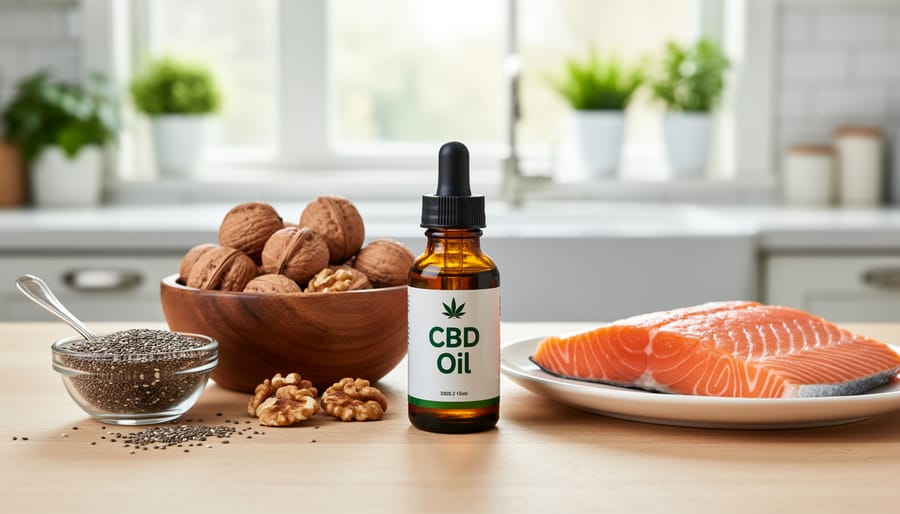
Omega-3 Fatty Acids: CBD’s Best Friend
If you’re already taking omega-3 supplements or eating fatty fish regularly, you’re doing your endocannabinoid system a huge favour. These essential fatty acids are literally the building blocks of endocannabinoids, the compounds your body naturally produces that CBD helps regulate.
Here’s why omega-3s and CBD work so beautifully together: omega-3 fatty acids, particularly EPA and DHA, help maintain the health of cannabinoid receptors throughout your body. They keep cell membranes flexible, which allows CBD to interact more effectively with these receptors. Research suggests that omega-3 deficiency can actually impair endocannabinoid function, potentially reducing CBD’s effectiveness.
Beyond receptor health, omega-3s improve CBD absorption. Since CBD is fat-soluble, consuming it with healthy fats significantly boosts bioavailability. This is why many people make cannabis coconut oil or take CBD with meals containing fats.
I’ve noticed personally that my CBD effects feel more consistent when I’m eating omega-3-rich foods regularly. It’s not dramatic, but there’s a noticeable difference in how balanced I feel.
Great Canadian sources of omega-3s include wild-caught salmon from BC waters, canned sardines, hemp hearts (also grown in Canadian prairies), and walnuts. For supplements, look for products from Canadian companies that test for heavy metals and provide third-party lab results.
If you’re combining CBD with omega-3 supplements, take them together with food for optimal absorption. The synergy between these two can be particularly helpful for managing inflammation and supporting overall wellness.
Vitamin D and CBD: A Winter Essential
Living in Canada means dealing with long, dark winters, and if you’re like most Canadians, you’re probably vitamin D deficient from November through March. I noticed this pattern in my own wellness journey – even when taking CBD consistently, my mood and inflammation seemed harder to manage during winter months until I addressed my vitamin D levels.
Here’s why this matters: vitamin D plays a crucial role in how your endocannabinoid system functions. Research suggests that vitamin D deficiency can actually reduce the number of cannabinoid receptors in your body, which means your CBD may not work as effectively as it could. Think of vitamin D as helping to open the doors that CBD needs to walk through.
Both vitamin D and CBD work on inflammation pathways and mood regulation, but they take different routes to get there. When combined, many users report better results for seasonal mood changes, joint discomfort, and overall winter wellness than with either supplement alone.
For timing, I take my vitamin D in the morning with a fat-containing breakfast (since it’s fat-soluble), and my CBD later in the day. This spacing seems to work well, though there’s no evidence they interfere with each other if taken together. During Canadian winters, consider having your vitamin D levels tested and supplementing accordingly while maintaining your regular CBD routine.
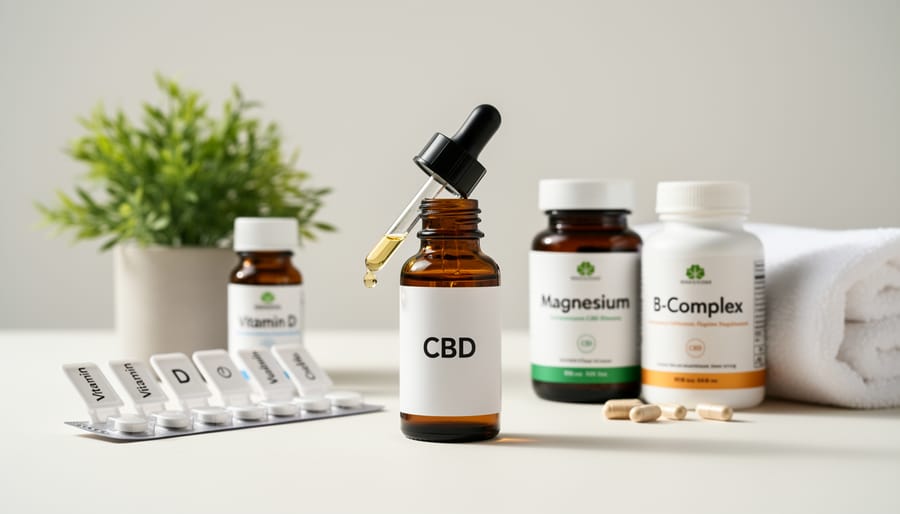
Magnesium: The Relaxation Booster
Magnesium and CBD work together beautifully for stress relief and better sleep. Both interact with your body’s nervous system, but through different pathways. CBD supports your endocannabinoid system, while magnesium acts as a natural muscle relaxant and nervous system regulator. When combined, many people report feeling calmer and experiencing deeper, more restorative sleep.
I started taking magnesium glycinate with my evening CBD oil last winter during a particularly stressful work period. The difference was remarkable—I fell asleep faster and woke up feeling more refreshed than with CBD alone.
Not all magnesium is created equal. Magnesium glycinate is generally the best choice for sleep and relaxation because it’s highly absorbable and less likely to cause digestive upset. Magnesium citrate works well too but can have a mild laxative effect. Avoid magnesium oxide, which has poor absorption rates.
Timing matters significantly. Take magnesium 30 to 60 minutes before your CBD for optimal results. Both work best on a consistent schedule, so aim for the same time each evening. Start with 200-300mg of magnesium alongside your regular CBD dose. Under Canadian regulations, you can purchase magnesium at any pharmacy or health food store without restrictions, making this combination accessible and affordable.
B-Complex Vitamins and Energy Balance
If you’re using CBD to manage stress or boost your energy levels, B-complex vitamins might be one of the most underrated partners in your supplement routine. These essential vitamins—particularly B6, B12, and folate—play crucial roles in how your body processes both CBD and stress itself.
B vitamins are the backbone of your cellular energy production and neurotransmitter synthesis. When you take CBD for stress management, your body is working to balance your endocannabinoid system, and this process requires adequate B vitamins to function optimally. Think of it this way: CBD is directing traffic in your nervous system, while B vitamins are providing the fuel to keep everything running smoothly.
I’ve noticed that when I’m diligent about taking my B-complex alongside CBD during particularly stressful work periods, I feel more sustained energy rather than just relaxation. This makes sense because B vitamins help convert the food you eat into usable energy, while CBD helps regulate your stress response—a powerful one-two punch.
For Canadians dealing with winter months and potential vitamin D deficiency (which often goes hand-in-hand with B vitamin concerns), this combination becomes even more relevant. Just ensure you’re spacing them appropriately—taking B vitamins earlier in the day since they can be energizing.
Curcumin (Turmeric) and Anti-Inflammatory Effects
Curcumin, the active compound in turmeric, pairs beautifully with CBD because they both target inflammation through different pathways. While CBD works on your endocannabinoid system, curcumin blocks inflammatory enzymes directly, creating a one-two punch against pain and swelling.
Here’s the catch: curcumin has notoriously poor absorption on its own. That’s where combining it with CBD gets interesting. The fats in cannabis-infused oil actually help your body absorb curcumin better, since it’s fat-soluble. I’ve found taking them together with a meal containing healthy fats maximizes both compounds.
For practical use, look for curcumin supplements with black pepper extract (piperine), which boosts absorption by up to 2000%. Take your CBD oil and curcumin capsule at the same time, preferably with breakfast or lunch. Many Canadians dealing with arthritis or exercise-related inflammation report noticeable improvements within two weeks of consistent combined use.
What Interferes With CBD (And What to Space Out)
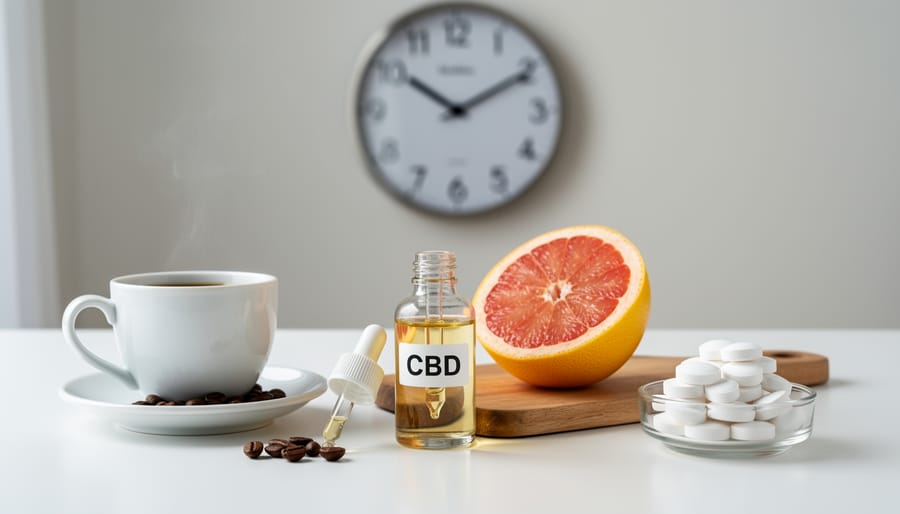
Caffeine: Friend or Foe?
The caffeine-CBD relationship is surprisingly nuanced, and honestly, it took me a while to figure out what worked for my body. Some mornings, I’d take my CBD oil with my coffee and feel wonderfully focused and calm. Other times? Jittery and uncomfortable.
Here’s what I’ve learned: caffeine and CBD are both metabolized by the same liver enzymes. When taken together, CBD can slow down how quickly your body processes caffeine, essentially extending its effects. For some people, this creates a beautiful balance where CBD takes the edge off caffeine’s jitters while maintaining mental clarity. For others, it means caffeine hangs around too long, causing restlessness.
I’ve found the sweet spot is timing. If you’re sensitive to caffeine, try spacing them apart by at least two hours. Your morning coffee at 7 AM, CBD around 9 or 10 AM. This gives your body time to process each compound independently. Alternatively, if you’re someone who metabolizes caffeine quickly and crashes hard, taking them together might actually smooth out your energy curve.
Pay attention to how your body responds. There’s no universal rule here, which is why experimentation is key. Start with smaller doses of both and adjust from there.
Grapefruit and CBD Metabolism
You’ve probably heard the warning about grapefruit and certain medications, and the same caution applies to CBD. Both grapefruit and CBD are metabolized by enzymes in your liver called CYP450. When you consume grapefruit alongside CBD, the citrus essentially competes for these enzymes, potentially slowing down how your body processes CBD. This can lead to higher CBD concentrations in your bloodstream for longer periods than you’d expect.
For most people, this isn’t dangerous, but it does mean your CBD might feel stronger or last longer than usual. If you’re taking prescription medications that also carry grapefruit warnings, you’ll want to chat with your healthcare provider before combining them with CBD. The same enzymes are at play, and the interaction could affect how your medications work.
I learned this the hard way when I started my mornings with grapefruit juice and CBD oil. The effects felt inconsistent until I realized the connection. Now I stick to my grapefruit in the evening, well separated from my morning CBD routine.
If you’re a citrus lover, oranges and lemons don’t have the same enzyme-blocking effects and make great alternatives. Just remember that storage matters too, as CBD product shelf life can be affected by heat and light regardless of what you pair it with.
High-Dose Calcium and Absorption Issues
High-dose calcium supplements, typically those over 500mg, can significantly reduce how much CBD your body absorbs. Calcium competes for the same absorption pathways in your digestive system, which means taking them together is like having two people trying to squeeze through a doorway at once—neither gets through as efficiently as they should.
I learned this the hard way when I first started taking CBD oil alongside my morning calcium supplement. I wasn’t getting the relief I expected until my naturopath pointed out the timing issue. The solution is actually pretty straightforward: space them out by at least two to three hours. Take your calcium with breakfast, then wait until mid-morning or lunch for your CBD dose.
If you’re taking multiple calcium doses throughout the day, try timing your CBD between them. For evening CBD users, consider shifting your calcium intake to morning hours. This simple adjustment can make a noticeable difference in how effectively your CBD works, especially if you’re taking higher therapeutic doses for specific health concerns.
Alcohol and CBD: What Canadians Should Know
Many Canadians wonder whether it’s safe to mix their evening glass of wine with CBD. Here’s what you should know: both alcohol and CBD affect your central nervous system, and combining them can amplify drowsiness and sedation. I learned this firsthand when I took my usual CBD dose before a friend’s dinner party and felt unusually tired after just one drink.
Health Canada hasn’t issued specific warnings against this combination, but they do caution that CBD can interact with various substances. Research suggests that taking them together might intensify the effects of both, potentially impairing coordination and judgment more than either would alone. The liver processes both compounds using similar pathways, which means they can compete for metabolism and affect how long each stays in your system.
If you choose to combine them, start with lower doses of both and wait to see how your body responds. Better yet, consider spacing them out by several hours to minimize potential interactions and give your body time to process each separately.
Creating Your Personal CBD Synergy Strategy
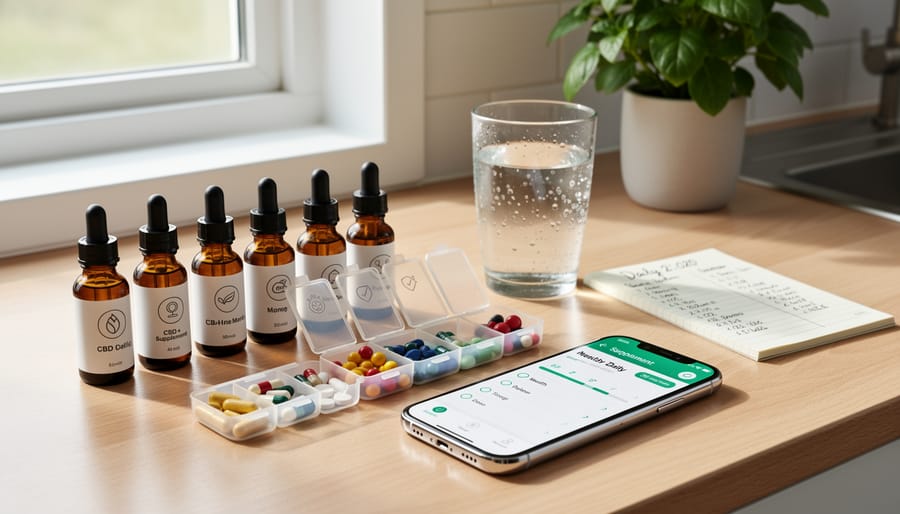
Timing Your Supplements for Maximum Benefit
Getting the timing right can make a real difference in how well CBD and nutrients work together. When I first started combining CBD with my supplements, I took everything at once in the morning and wondered why I felt so sluggish by noon. A bit of strategic spacing changed everything.
For morning routines, consider taking your CBD with fat-soluble vitamins like D3 and omega-3s alongside a meal containing healthy fats. This combination supports absorption and can set a balanced tone for your day. I typically take my CBD oil with breakfast, which includes avocado or nut butter, along with my vitamin D supplement. If you’re using CBD for focus and calm during work hours, this 8-9 AM window works beautifully.
Magnesium and CBD pair wonderfully in the evening, particularly if you’re looking to support relaxation and sleep quality. Taking these together about an hour before bed has become my go-to routine during stressful weeks. Some Canadians I’ve spoken with prefer splitting their CBD dose, taking a smaller amount in the morning with B-complex vitamins for energy support, then a larger evening dose with magnesium.
For vitamin C and other water-soluble nutrients, spacing them a few hours apart from CBD prevents any potential competition for absorption. A simple schedule might look like: CBD with breakfast, vitamin C at lunch, and CBD again with magnesium before bed.
Remember, everyone’s body responds differently. Start with one schedule for at least a week before adjusting, and pay attention to how you feel throughout the day.
Starting Small and Tracking Results
When I first started experimenting with CBD and nutrient combinations, I learned quickly that patience pays off. Rather than introducing multiple supplements at once, add just one synergistic nutrient at a time and give it at least a week before evaluating the results. This approach helps you identify exactly what’s working and what isn’t.
Keep a simple journal noting your CBD dose, the added nutrient, timing, and how you feel throughout the day. I use my phone’s notes app to track energy levels, sleep quality, pain levels, and mood. Be specific about changes you notice, even small ones. For example, “slept 30 minutes longer” or “less afternoon brain fog” are valuable observations.
Watch for improvements in your primary goals, whether that’s better sleep, reduced inflammation, or enhanced calm. Also note any unexpected benefits or unwanted effects. If you’re exploring combinations with cannabis-infused edibles, track onset time and duration as these can shift with different nutrients.
Give each combination at least two weeks before deciding whether to keep it, adjust the dose, or try something different. Your body’s response is the best guide.
Special Considerations for Canadian CBD Users
Navigating the Canadian CBD market comes with its own unique considerations that can impact how you combine CBD with other supplements. Having explored countless Canadian retailers over the years, I’ve learned that our regulatory landscape offers both advantages and challenges when building an effective synergistic routine.
In Canada, all CBD products must be purchased through licensed retailers, either provincially regulated cannabis stores or federally licensed online sellers. This strict oversight actually works in your favor for quality assurance. Unlike some markets, Canadian CBD products undergo testing for contaminants, potency, and accurate labeling. When selecting products to combine with other nutrients, always verify your CBD source is licensed and check the certificate of analysis to confirm cannabinoid content.
One challenge I’ve encountered is that many Canadian CBD products focus solely on cannabinoids without including complementary nutrients. This means you’ll likely need to purchase your omega-3s, magnesium, and adaptogens separately from health food stores or supplement retailers. This isn’t necessarily a drawback, as it allows you to customize dosages precisely, but it does require more planning.
For maintaining potency of both your CBD and accompanying supplements, proper storage matters significantly in Canada’s varying climate. Keep products in cool, dark places, especially during humid summers or dry winters.
Provincial differences also affect product availability. Some provinces offer wider CBD product selections than others, which can impact your ability to find specific formats like water-soluble CBD that might better complement certain nutrients. Online federally licensed retailers often provide more variety and detailed product information, making it easier to plan synergistic combinations.
Always consult with a healthcare provider familiar with Canadian regulations before starting any new supplement routine, especially if you’re taking prescription medications alongside CBD and nutrients.
Here’s the truth I’ve learned after years of experimenting with CBD: there’s no one-size-fits-all formula. What works beautifully for your neighbor might do absolutely nothing for you, and that’s completely normal.
Finding the right CBD synergies is genuinely a personal journey. I remember feeling frustrated when a combination that everyone raved about online didn’t give me the results I expected. It took me months of careful observation and patience to discover that my body responds best to CBD taken with omega-3s in the morning and magnesium at night. Your ideal combination might look completely different, and that’s exactly how it should be.
This is why I can’t stress enough the importance of working with a healthcare provider who understands both CBD and your individual health situation. In Canada, we’re fortunate to have increasing numbers of practitioners who are knowledgeable about cannabis therapeutics. They can help you navigate potential interactions with medications you’re taking and suggest combinations worth exploring based on your specific health goals.
Start slowly, change one variable at a time, and keep notes on how you feel. Pay attention to energy levels, sleep quality, pain management, or whatever outcome you’re seeking. Give each combination at least two weeks before making adjustments.
Remember, optimizing your CBD routine is a journey, not a race. There’s no deadline for figuring this out. Be patient with yourself, stay curious, and celebrate the small discoveries along the way. You’re learning what your unique body needs, and that knowledge is invaluable.