
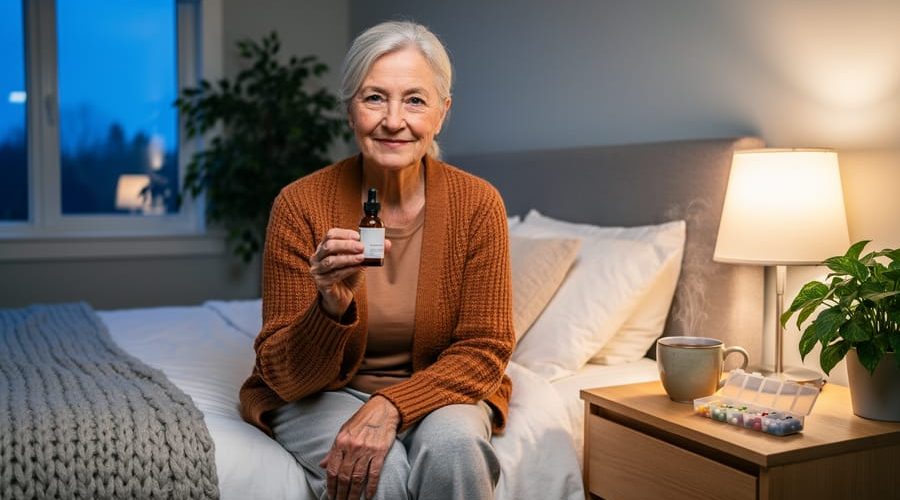
Talk with your doctor before starting CBD, especially if you take blood thinners, heart medications, or drugs with grapefruit warnings—CBD can significantly alter how these medications work in your body. Begin with the lowest possible dose (2.5-5mg) and wait at least two hours to assess effects, as seniors often experience heightened sensitivity to cannabinoids due to age-related changes in metabolism.
For Canadians over 65, CBD represents both promise and complexity. While research suggests potential benefits for chronic pain, sleep disturbances, and inflammation—concerns that affect most older adults—the reality is more nuanced than marketing claims suggest. The Canadian cannabis landscape offers legal access and regulated products, yet seniors face unique considerations that younger users don’t encounter.
The medication interaction question isn’t hypothetical. Most Canadians over 65 take at least four prescription medications daily, and CBD affects the same liver enzymes that process common drugs like warfarin, statins, and certain antidepressants. This doesn’t make CBD off-limits, but it demands medical oversight and careful monitoring.
Sleep and pain management present compelling use cases. Many seniors report improved sleep quality and reduced reliance on NSAIDs or sleep medications, but individual responses vary dramatically. The key lies in understanding what CBD can realistically offer, recognizing red flags in product marketing, and navigating Canada’s legal marketplace with confidence. This isn’t about replacing proven treatments—it’s about informed decision-making for complementary support that respects both the potential benefits and very real limitations of CBD for older adults.
Why Seniors Are Exploring CBD in Canada
The Changing Perception of Cannabis Products
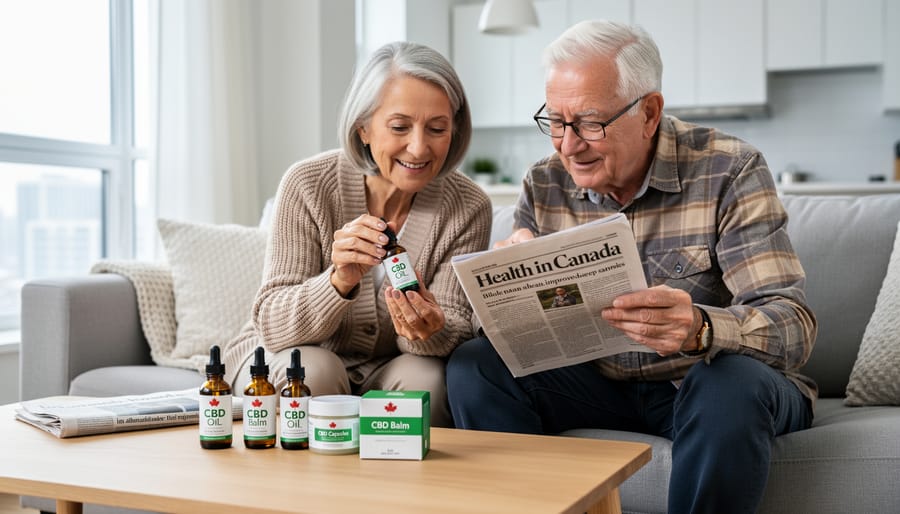
Since cannabis legalization in Canada in 2018, attitudes toward cannabis products have shifted dramatically, particularly among older adults. Many seniors who once viewed cannabis with skepticism are now curious about its potential wellness benefits, especially products that don’t produce a “high.” This is where understanding the difference between CBD and THC becomes important.
CBD (cannabidiol) and THC (tetrahydrocannabinol) are both compounds found in cannabis plants, but they work very differently. THC is the psychoactive component that creates the euphoric feeling associated with marijuana use. CBD, on the other hand, is non-intoxicating and won’t impair your thinking or daily activities. This distinction has been crucial in helping seniors feel more comfortable exploring CBD for concerns like chronic pain, sleep difficulties, and general wellness.
The legal framework in Canada has also provided seniors with access to regulated, quality-tested products from licensed retailers, which offers reassurance about safety and consistency. This regulatory oversight has helped bridge the gap between traditional healthcare approaches and alternative wellness options, making it easier for older Canadians to have informed conversations with their healthcare providers about incorporating CBD into their routine.
What Seniors Are Looking For
Canadian seniors are turning to CBD for relief from specific, daily challenges that often come with aging. From conversations I’ve had with older Canadians exploring CBD, four health concerns consistently rise to the top.
Arthritis pain is perhaps the most common motivator. Chronic joint inflammation and stiffness can make simple tasks like opening jars or climbing stairs frustratingly difficult. Many seniors are curious whether CBD’s reported anti-inflammatory properties might offer relief without the stomach issues that sometimes accompany traditional pain relievers.
Sleep problems rank second. Whether it’s difficulty falling asleep, staying asleep, or achieving restorative rest, insomnia affects quality of life significantly. Seniors often mention waking multiple times nightly or feeling unrested despite spending adequate time in bed.
Anxiety is another driving factor, though it’s sometimes less openly discussed. Worries about health, finances, or losing independence can create persistent stress that affects both mental and physical wellbeing.
Finally, there’s a growing interest in reducing dependence on prescription medications. Some seniors take five or more daily medications and are understandably concerned about side effects and interactions. They’re exploring whether CBD might allow them to reduce certain prescriptions under medical supervision, particularly sleep aids or pain medications.
CBD for Chronic Pain Management in Older Adults
How CBD Works with Your Body’s Pain Signals
Your body has a built-in system called the endocannabinoid system, or ECS for short. Think of it as your internal regulation network that helps maintain balance throughout your body. This system is involved in managing pain signals, inflammation, sleep patterns, and mood. Everyone has one, regardless of whether they’ve ever used cannabis products.
The ECS works through receptor sites found throughout your body, primarily two types: CB1 receptors (mostly in your brain and nervous system) and CB2 receptors (mainly in your immune system and tissues). These receptors are like locks, and your body naturally produces keys called endocannabinoids that fit into them.
When you take CBD, it doesn’t directly lock into these receptors the way THC does. Instead, CBD works more indirectly. It helps your body hold onto its own natural endocannabinoids longer, allowing them to have a greater effect. CBD also interacts with other receptor systems involved in pain perception, like serotonin and vanilloid receptors.
For seniors dealing with chronic pain, this matters because CBD may help reduce the intensity of pain signals reaching your brain. It also appears to have anti-inflammatory properties, which can be particularly helpful for conditions like arthritis where inflammation is a key problem.
I’ve spoken with many older adults who describe CBD’s effect on pain as taking the edge off rather than completely eliminating it. It’s not a miracle cure, but for some, it provides enough relief to improve daily comfort and mobility.
Types of Pain CBD May Help
CBD shows promise for several pain conditions that commonly affect older adults, though it’s important to have realistic expectations about what it can achieve.
For arthritis, emerging research suggests CBD may help reduce joint inflammation and the associated discomfort. Many seniors report improved mobility and less stiffness, though CBD won’t reverse joint damage or cure arthritis itself. It may work best as part of a comprehensive pain management approach alongside traditional treatments.
Neuropathic pain, that burning or tingling sensation from nerve damage often related to diabetes or shingles, is another area where CBD shows potential. The endocannabinoid system plays a role in how we process nerve signals, and some users find CBD helps take the edge off this particularly stubborn type of pain.
General inflammation throughout the body may also respond to CBD’s anti-inflammatory properties. This could potentially benefit conditions from fibromyalgia to inflammatory bowel issues, though more research is needed to confirm these effects.
I’ve spoken with seniors who’ve found CBD helpful for managing chronic back pain and osteoarthritis discomfort, allowing them to reduce (not eliminate) their reliance on over-the-counter pain relievers. However, it’s crucial to understand that CBD isn’t a miracle cure. It typically provides modest pain relief rather than complete elimination, and effects vary significantly between individuals.
CBD works best when viewed as one tool in your pain management toolkit, not a replacement for medical care. Always discuss CBD use with your healthcare provider, especially if you’re managing multiple chronic conditions or taking prescription medications.
Finding the Right CBD Product for Pain
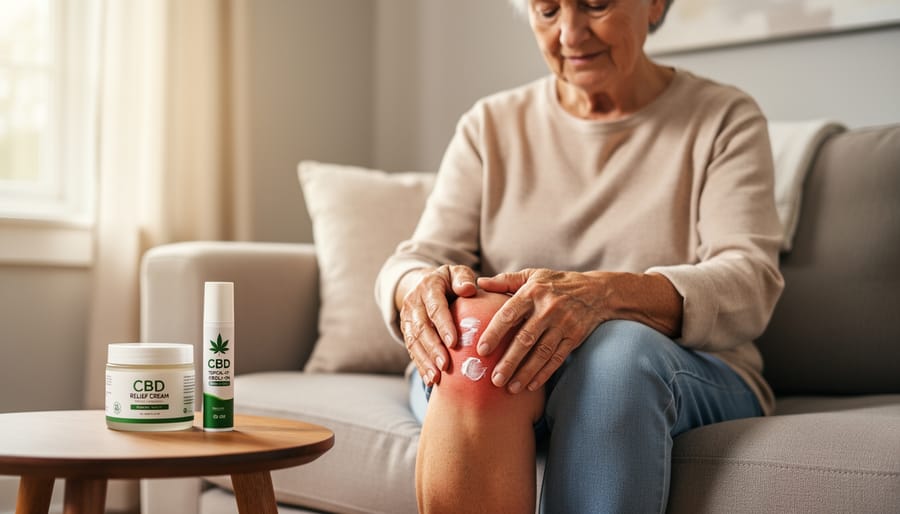
When choosing CBD products for pain management, seniors often benefit most from starting with topicals. Creams, balms, and roll-ons applied directly to sore joints or muscles provide localized relief without entering the bloodstream, making them the safest option for those taking multiple medications. I’ve heard from numerous seniors who appreciate this targeted approach for arthritis pain.
Oral products like oils and capsules offer whole-body relief but require more careful consideration. Start with a very low dose, typically 2.5-5mg once daily, and increase gradually over several weeks. Many seniors find that less is more with CBD, and patience is essential. Since metabolism slows with age, effects may take longer to notice but also last longer.
For Canadian shoppers, look for products with clear lab testing certificates and specific CBD content listed in milligrams, not just percentages. Health Canada-approved retailers provide the most reliable options. Based on feedback I’ve received, seniors seem to have the most success with full-spectrum or broad-spectrum products rather than isolates, though individual responses vary considerably. Always purchase from reputable sources that provide third-party testing results.
Better Sleep: Can CBD Really Help Seniors Rest?
Why Sleep Gets Harder As We Age
As we get older, our bodies naturally produce less melatonin, the hormone that signals it’s time to sleep. This shift often means seniors spend less time in deep, restorative sleep and wake more frequently throughout the night. It’s frustrating, and if you’re experiencing this, you’re definitely not alone.
Beyond these natural changes, many seniors face additional sleep disruptors. Prescription medications for conditions like high blood pressure, heart disease, or depression can interfere with sleep quality or make you feel restless at night. Chronic pain from arthritis, neuropathy, or other age-related conditions can make finding a comfortable sleeping position nearly impossible. And let’s not forget about anxiety—worries about health, finances, or family can keep your mind racing when you’re trying to rest.
These factors often create a frustrating cycle: poor sleep leads to daytime fatigue, which can worsen pain perception and anxiety, which then makes the next night’s sleep even more challenging. Understanding what’s behind your sleep struggles is the first step toward finding solutions that work for your specific situation.
How CBD May Support Better Sleep
Many seniors struggle with sleep issues, whether it’s difficulty falling asleep, staying asleep, or experiencing restful sleep throughout the night. While CBD isn’t a sedative that simply knocks you out, it may support better sleep by addressing some of the underlying factors that keep you awake.
Research suggests CBD interacts with our endocannabinoid system, which plays a role in regulating various functions including sleep-wake cycles. More importantly for many older adults, CBD may help manage anxiety and racing thoughts that often prevent restful sleep. When your mind is calmer and less preoccupied with worry, falling asleep naturally becomes easier.
I’ve spoken with several seniors who’ve shared that CBD taken about an hour before bedtime helps them feel more relaxed without the grogginess associated with traditional sleep medications. One woman in her seventies told me she appreciated that CBD didn’t make her feel “drugged” but simply helped quiet her anxious thoughts enough to drift off naturally.
CBD may also address physical discomfort that disrupts sleep. Chronic pain or inflammation can make it difficult to find a comfortable sleeping position or stay asleep through the night. By potentially reducing these physical discomforts, CBD creates better conditions for quality rest.
It’s important to understand that CBD works differently than conventional sleep aids. Rather than forcing sleep, it may create an environment where natural, restorative sleep becomes more achievable by tackling the root causes keeping you awake.
Timing and Dosing CBD for Sleep
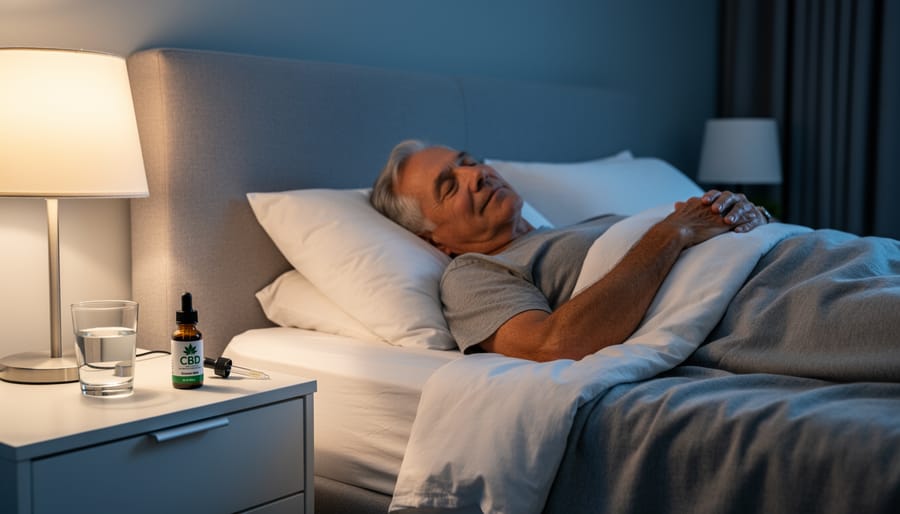
Timing matters considerably when using CBD for sleep. Most seniors find taking CBD oil 30-60 minutes before bedtime works best, giving the compound time to take effect. If you’re using capsules, consider taking them 60-90 minutes prior since they digest more slowly than sublingual oils.
Start conservatively with dosing. I typically recommend seniors begin with 5-10mg of CBD about an hour before bed, then gradually increase by 5mg every few days if needed. Many find their sweet spot between 15-25mg for sleep support. Remember, everyone’s endocannabinoid system responds differently, so patience is essential while finding your ideal dose.
For nighttime use, consider Canadian products specifically formulated for sleep. Brands like Redecan Reign Drops or Aurora Drift offer balanced CBD formulations, while Pure Sunfarms CBD oil provides a reliable, budget-friendly option. Some products combine CBD with sleep-supporting terpenes like myrcene or minor cannabinoids like CBN, which may enhance relaxation.
Expect subtle rather than dramatic effects initially. CBD won’t knock you out like prescription sleep aids. Instead, most seniors notice they feel calmer at bedtime, experience fewer nighttime awakenings, and wake feeling more refreshed. Give any new product at least one week of consistent use before evaluating its effectiveness.
The Critical Conversation: CBD and Medication Interactions
How CBD Affects Medication Processing
Your liver has a remarkable system for processing medications, and understanding how it works doesn’t require a medical degree. Think of your liver as having a team of workers called cytochrome P450 enzymes – let’s just call them P450 for short. These enzymes are responsible for breaking down most medications so your body can use them properly and eventually eliminate them.
Here’s where CBD comes into the picture: it can interfere with how quickly these P450 enzymes do their job. When you take CBD, it temporarily occupies some of these enzymes, which means they’re not available to process your other medications at their normal rate. It’s like having fewer workers on the assembly line – things move more slowly.
When medications stay in your system longer than expected, their effects can become stronger or last longer than intended. This is particularly important for seniors who often take multiple medications daily. That blood thinner your doctor carefully calibrated? CBD might cause it to stay in your system longer, potentially increasing bleeding risk. The same applies to many common medications including some blood pressure drugs, cholesterol medications, and certain antidepressants.
Less commonly, CBD can actually speed up the processing of certain medications, making them less effective. This two-way interaction is why having an honest conversation with your healthcare provider about CBD use is essential, especially if you’re managing multiple prescriptions. They can help monitor for any changes and adjust dosages if needed.
Common Senior Medications That May Interact with CBD
If you’re taking prescription medications, it’s essential to understand that CBD can interact with many common drugs seniors rely on daily. Here’s what you need to know.
The simplest way to think about CBD interactions is the “grapefruit warning” comparison. You know how some medication bottles warn against eating grapefruit? That’s because grapefruit affects liver enzymes that metabolize drugs. CBD works similarly—it can slow down how your body processes certain medications, potentially making them more potent or last longer in your system.
Blood thinners like warfarin are particularly concerning. CBD may increase bleeding risk by affecting how your body breaks down these medications. If you’re on warfarin or similar anticoagulants, you’ll need closer monitoring from your doctor if you decide to try CBD.
Blood pressure medications including ACE inhibitors and beta-blockers can also interact with CBD. Since CBD may have mild blood pressure-lowering effects on its own, combining it with these medications could cause your blood pressure to drop too low, leading to dizziness or falls.
Diabetes medications merit caution too. Some research suggests CBD might affect blood sugar levels, which could require adjustments to your insulin or other diabetes drugs.
Sedatives and anti-anxiety medications like benzodiazepines can become more potent when combined with CBD, potentially causing excessive drowsiness or confusion. This includes sleeping pills, some antidepressants, and even over-the-counter antihistamines.
Other commonly prescribed medications that may interact include certain antibiotics, antifungals, immunosuppressants, and pain medications including opioids.
In my conversations with seniors across Canada, I’ve learned that many don’t realize even “natural” products can interact with medications. That’s why having an honest conversation with your pharmacist or doctor before starting CBD is absolutely critical—not optional.

Having the CBD Conversation with Your Doctor
Open communication with your healthcare provider is essential before adding CBD to your wellness routine, especially if you’re taking other medications. Many seniors worry their doctor might dismiss CBD outright, but Danielle reminds us that “most physicians appreciate when patients come prepared with specific questions rather than asking for blanket approval.”
Start by explaining why you’re interested in CBD – whether it’s for sleep, pain management, or another concern. Bring a list of all your current medications, including over-the-counter supplements, as this helps your doctor assess potential interactions. If you’ve already researched specific CBD products, bring those details too, including the cannabinoid profile and dosage you’re considering.
Ask direct questions: “Are there any known interactions with my current medications?” and “What symptoms should I watch for that might indicate a problem?” Request guidance on starting doses and how long to try CBD before evaluating its effectiveness.
If your regular doctor isn’t knowledgeable about CBD, consider asking for a referral to a healthcare provider with cannabinoid experience. Document your CBD use in a journal, noting dosage, timing, and any changes in symptoms or side effects. Share this information at follow-up appointments to help your healthcare team monitor your progress and adjust your overall treatment plan safely.
Getting Started Safely: A Practical Guide for Canadian Seniors
Choosing Quality CBD Products in Canada
When I help my parents navigate CBD products, I always tell them the same thing: quality matters more than ever when you’re taking other medications. In Canada, you want to look for products from Health Canada-licensed retailers, which ensures you’re getting regulated, tested products rather than untested items from the grey market.
Start by checking the label for key information. Look for the total CBD content in milligrams, not just percentages, and verify whether it’s full-spectrum, broad-spectrum, or CBD isolate. Licensed products will have clear dosage instructions and a lot number for traceability.
Next, ask for the Certificate of Analysis (COA). This lab report confirms what’s actually in the bottle and proves it’s been tested for potency, pesticides, heavy metals, and contaminants. Reputable retailers should provide this readily, either on their website or upon request. If they can’t or won’t, that’s your first red flag.
Purchase from licensed cannabis retailers in your province, whether in-store or through authorized online platforms. These retailers must follow strict regulations. Avoid products making medical claims like “cures arthritis” or “treats insomnia,” as Health Canada prohibits health claims on CBD products. Also steer clear of products with vague labeling, missing contact information, or suspiciously low prices.
Remember, if something seems too good to be true with pricing or promises, it probably is. Your safety depends on choosing quality, especially when managing multiple health conditions.
Start Low, Go Slow: Dosing for Beginners
For seniors new to CBD, the golden rule is simple: start with a low dose and increase gradually. I typically recommend beginning with 2.5-5mg of CBD once daily, preferably in the morning so you can monitor how you feel throughout the day. This conservative approach is especially important for older adults, as your body may metabolize CBD differently than younger users.
After maintaining your initial dose for 3-5 days, you can slowly increase by 2.5-5mg increments if needed. This slow progression helps you find the minimum effective dose without overshooting and experiencing unwanted effects like drowsiness or digestive discomfort.
Keeping a symptom journal is invaluable during this process. Note your dose, timing, what you ate beforehand, and most importantly, how you felt throughout the day. Track specific symptoms you’re targeting—whether it’s pain levels, sleep quality, or anxiety—and rate them on a simple scale. This written record helps you recognize patterns that might otherwise go unnoticed.
Give each dose level at least a week before deciding whether CBD is working. Some seniors notice improvements within days, while others need 2-3 weeks of consistent use. If you haven’t experienced any benefits after reaching 20-25mg daily, CBD may not be the right solution for your particular condition.
What to Expect and When to Adjust
Most seniors notice subtle improvements within 3-7 days for sleep support, though pain relief may take 2-4 weeks of consistent use. Everyone responds differently, so patience is key during this initial period.
Mild side effects like drowsiness, dry mouth, or slight digestive changes occasionally occur but typically resolve within a few days. If you experience persistent discomfort, reduce your dose by half and gradually increase again.
Consider adjusting your approach if you haven’t noticed any benefits after four weeks at an appropriate dose. You might need a different CBD format—perhaps a topical cream works better than oil for localized pain, or a different ratio of CBD to other cannabinoids suits your needs.
Always inform your doctor about any new symptoms, especially if you’re taking multiple medications. In my conversations with seniors using CBD, those who kept simple journals tracking their dose, timing, and effects found it much easier to identify what worked best for their individual situation.
CBD holds genuine promise for seniors navigating the challenges of chronic pain and sleep disturbances. The research, while still developing, points to real potential benefits that many older adults have already experienced firsthand. However, this isn’t about jumping on a wellness trend—it’s about making thoughtful, informed decisions that prioritize your safety and wellbeing.
The medication interaction piece cannot be overstated. If you’re taking prescription medications, particularly blood thinners, heart medications, or anything metabolized by your liver, a conversation with your healthcare provider isn’t just recommended—it’s essential. Many doctors in Canada are becoming more familiar with CBD, and having an open dialogue ensures you can explore this option without compromising your existing treatment plan.
Start conservatively if you do decide to try CBD. Low doses, quality products from reputable Canadian sources, and patience to observe how your body responds will serve you far better than aggressive dosing or unrealistic expectations. Everyone’s experience differs, and what works beautifully for your neighbor might not be your answer.
I’ve spent considerable time helping seniors and their families understand this space, and what strikes me most is how empowering it can be when approached correctly. You deserve to explore options that might improve your quality of life, but you also deserve honest, balanced information that respects both the possibilities and the precautions. Stay curious, stay cautious, and make choices that feel right for your unique situation.