
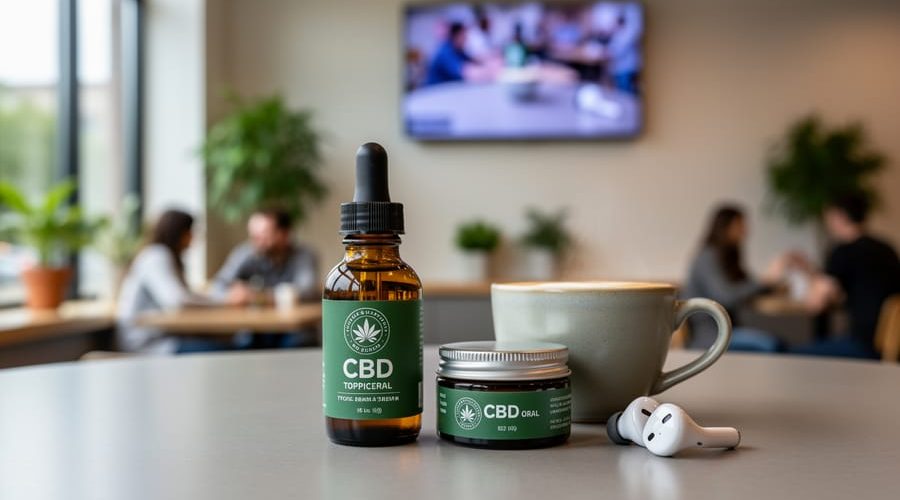
Turn on your television, scroll through social media, or walk into your local wellness shop, and you’ll notice CBD everywhere. From celebrity endorsements to mainstream news coverage, cannabidiol has transformed from a controversial compound into a household wellness staple in less than a decade. This cultural shift didn’t happen overnight—it’s the result of changing legal landscapes, influential media narratives, and countless personal stories shared across platforms.
Understanding how CBD entered popular consciousness helps explain why so many Canadians now consider it a normal part of their wellness routines. The media played a crucial role in normalizing conversations about what CBD is and how people use it, moving discussions from underground forums to morning talk shows and lifestyle magazines.
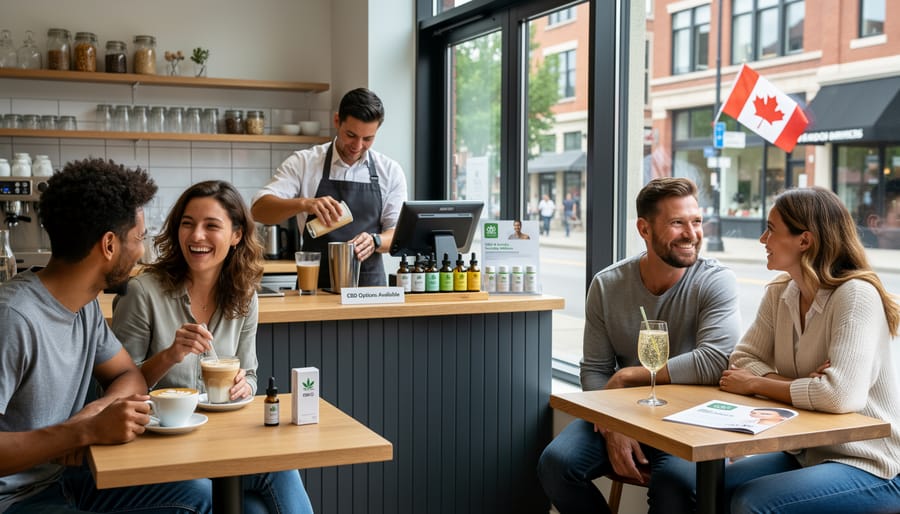
As someone who discovered CBD during my own wellness journey, I’ve watched this evolution firsthand. I remember when mentioning CBD meant raised eyebrows and concerned questions. Now, my friends casually discuss CBD products over coffee, and my local yoga studio sells CBD-infused topicals at the front desk. This acceptance didn’t emerge from scientific studies alone—it grew from consistent, positive media representation that gradually reshaped public perception.
This article explores how television shows, social media influencers, news outlets, and celebrity advocates transformed CBD from taboo to trending. We’ll examine the specific moments and media forces that drove this change, analyze how representation affected public attitudes, and consider what this visibility means for Canadian consumers navigating today’s CBD marketplace.
The Timeline: CBD’s Journey from Stigma to Spotlight
The Pre-2018 Underground Era
Before Canada legalized cannabis in 2018, CBD existed in a grey zone that most Canadians never encountered. Unless you were deeply connected to alternative wellness circles or had personal health challenges that led you to explore unconventional options, you probably hadn’t heard much about it. I remember those days well—CBD was something whispered about in yoga studios and shared in small online forums, not discussed openly at dinner parties.
The few early adopters who discovered CBD before legalization often learned about it through word-of-mouth or international sources. Some traveled to places where hemp-derived products were more accessible, while others navigated the murky legal landscape to import products for personal use. Health food stores occasionally carried hemp seed oil, but products specifically marketed for their CBD content were rare and risky for retailers to stock.
This underground era meant that information was limited and often unreliable. Without mainstream media coverage or regulatory frameworks, Canadians interested in CBD had to rely on American sources or anecdotal evidence from small wellness communities. The lack of public conversation made CBD feel mysterious and somewhat countercultural—a far cry from the household name it would become just a few years later.
Canada’s Cannabis Act: The Cultural Turning Point
I remember exactly where I was on October 17, 2018—watching the news coverage with my morning coffee, realizing this was genuinely happening. The Cannabis Act legalization wasn’t just a policy change; it was the moment Canada collectively decided to have a different conversation about cannabis and CBD.
Almost overnight, CBD stopped being whispered about and started appearing everywhere. Canadian magazines that had previously skirted around the topic suddenly featured CBD wellness guides. Major retailers like Shoppers Drug Market announced plans to carry cannabis products. Even my local yoga studio started hosting CBD education nights—something unthinkable just months earlier.
What struck me most was how quickly mainstream Canadian media embraced CBD storytelling. CBC aired documentaries exploring the medical potential. The Globe and Mail published business sections tracking the emerging industry. CTV’s morning shows featured segments on CBD skincare and wellness products, treating them as lifestyle choices rather than controversial topics.
This cultural shift gave everyday Canadians permission to be curious. Suddenly, discussing CBD at dinner parties or asking your doctor about it became normalized. The stigma didn’t vanish completely, but legalization created space for honest, open dialogue.
For someone like me, who’d been exploring CBD quietly for years, it felt validating. The cultural turning point wasn’t just about legal access—it was about finally being able to share experiences, ask questions publicly, and see CBD recognized as a legitimate wellness option in Canadian society.
The Post-Legalization Boom
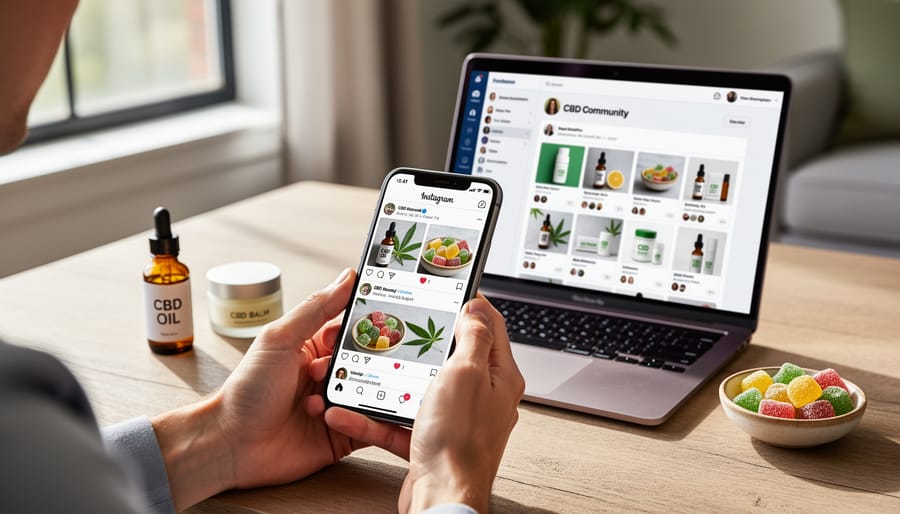
Between 2019 and 2024, CBD went from niche wellness product to household name. After Canada legalized cannabis in 2018, CBD products flooded the market, and the media couldn’t get enough of the story. I remember scrolling through Instagram in 2020 and suddenly seeing CBD everything—lattes, face creams, dog treats. It felt like overnight, CBD had become completely normal.
Mainstream news outlets shifted from “is this legal?” coverage to lifestyle pieces about incorporating CBD into daily routines. Lifestyle magazines featured CBD skincare reviews alongside traditional beauty products. Food bloggers experimented with CBD-infused recipes. Even financial news covered the booming CBD market as a legitimate investment opportunity.
The normalization happened across platforms simultaneously. Podcasts dedicated entire episodes to CBD education. YouTube influencers shared their personal experiences. TikTok creators posted everything from comedic skits about CBD misconceptions to genuine testimonials about anxiety relief.
What struck me most was how quickly CBD lost its taboo status in Canada. By 2022, discussing CBD at dinner parties or recommending it to friends became as ordinary as suggesting a new vitamin supplement. This widespread visibility helped legitimize CBD for curious Canadians who might have been hesitant just years earlier.
Celebrity Endorsements That Changed Everything
Wellness Influencers and Lifestyle Brands
Social media wellness influencers played a massive role in bringing CBD into everyday conversations. These personalities, from yoga instructors to nutritionists, started sharing their personal CBD routines alongside their green smoothies and meditation practices, making it feel less like an alternative remedy and more like another self-care essential.
I remember scrolling through Instagram around 2018 and suddenly seeing CBD everywhere in my feed. Wellness podcasters were discussing CBD for sleep and stress management with the same casual tone they used for discussing supplements or skincare. Lifestyle bloggers were photographing aesthetically pleasing CBD oil bottles next to their morning coffee. This constant, normalized presence made CBD seem accessible rather than intimidating.
What made these influencers particularly effective was their relatability. They weren’t making medical claims; they were simply sharing what worked in their own lives. A busy mom talking about how CBD helped her unwind after chaotic days, or a fitness enthusiast explaining their post-workout recovery routine, these stories resonated because they felt genuine.
For Canadians watching this unfold, there was an added layer of validation when these discussions aligned with our legal framework. Wellness influencers helped bridge the gap between “cannabis is legal” and “CBD is something I might actually try,” transforming cultural curiosity into mainstream acceptance.
Athletes Speaking Out
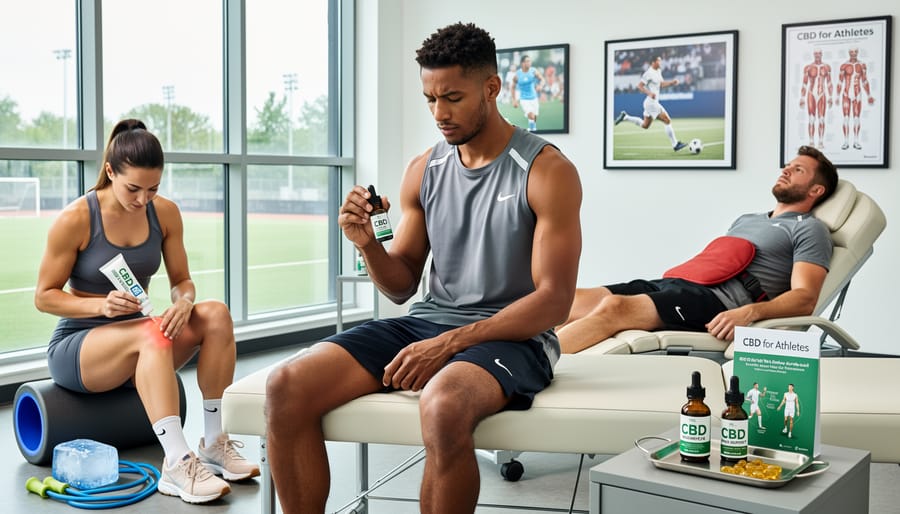
Professional athletes have become some of CBD’s most influential advocates, fundamentally changing how we perceive cannabis-derived products. When former NFL players started openly discussing CBD as part of their recovery routines, it challenged the stoner stereotype that had long dominated cannabis conversations.
Athletes like retired NFL running back Mike James and former NBA player Al Harrington haven’t just mentioned CBD in passing—they’ve launched their own CBD companies and spoken extensively about using it for chronic pain, inflammation, and sleep issues related to their careers. These aren’t recreational users; they’re professionals managing legitimate health concerns under intense physical demands.
What strikes me about these athlete endorsements is their honesty. Many describe trying every pharmaceutical option available before turning to CBD, sharing stories that resonate with anyone who’s dealt with chronic pain. In Canada, where professional athletes in leagues like the CFL have also begun discussing CBD, this conversation feels particularly relevant as our regulations continue to evolve.
The impact extends beyond individual testimonials. When high-performance athletes publicly choose CBD over prescription painkillers, it sends a powerful message about safety and efficacy. It’s positioned CBD as a wellness tool rather than a vice, making everyday Canadians more comfortable exploring it for their own recovery and pain management needs.
The Mainstream Celebrity Effect
When celebrities started talking openly about CBD, it created a ripple effect that legitimized the conversation for millions of people. I remember when Seth Rogen shared his enthusiasm for cannabis wellness products, including CBD, making it feel less taboo to discuss openly. His authentic approach resonated with Canadians who were navigating our newly legal cannabis landscape.
Athletes became particularly influential voices. NHL players like Riley Cote spoke about CBD for pain management and recovery, which was significant given hockey’s importance in Canadian culture. When people who push their bodies to extreme limits endorse CBD for wellness, it catches attention.
Gwyneth Paltrow’s Goop featured CBD prominently, though her recommendations sometimes leaned premium. Closer to home, Canadian wellness influencers and entrepreneurs began sharing their CBD experiences on platforms like Instagram, creating a more relatable narrative for everyday users. These endorsements didn’t just sell products—they sparked conversations at dinner tables and coffee shops across the country, transforming CBD from an unfamiliar compound into something your neighbour might casually mention trying.
CBD on the Small Screen: Television’s Role in Normalization
News Coverage and Educational Programming
Canadian news coverage of cannabis and CBD has undergone a remarkable transformation over the past decade. I remember watching the news in 2015 and seeing cannabis portrayed almost exclusively through a criminal justice lens, with dramatic footage of police raids and warnings about drug abuse. Fast forward to today, and the conversation has shifted dramatically.
Following legalization in 2018, major Canadian networks like CBC and CTV began featuring balanced segments about CBD’s potential benefits, featuring interviews with researchers, healthcare providers, and everyday Canadians sharing their experiences. Programs like CBC’s Marketplace have aired investigative pieces examining CBD product quality and safety, helping consumers make informed decisions rather than simply discouraging use.
The Fifth Estate produced a documentary exploring the medical cannabis industry that treated CBD users as patients seeking relief rather than recreational drug users. Local news stations across provinces now regularly feature segments on CBD without the sensationalism that once dominated cannabis coverage.
This educational approach has been crucial for Canadians like us who want reliable information. Rather than relying solely on marketing claims or anecdotal social media posts, we now have access to journalistic investigations that examine product testing, regulatory compliance, and scientific research, helping us navigate the CBD market with greater confidence.
CBD in Scripted Content
Television writers have increasingly woven CBD into storylines as a casual, everyday element rather than a dramatic plot device. In shows like “Grace and Frankie,” the characters launch a CBD-infused personal lubricant business, treating the cannabinoid as just another wellness product alongside face creams and vitamins. This normalization reflects how many Canadians now view CBD – as something you might pick up at a health store without a second thought.
The sitcom “Disjointed” featured a dispensary setting where CBD products appeared alongside recreational cannabis, helping viewers distinguish between the two. Meanwhile, dramas like “Mom” showed characters using CBD oil for anxiety management in passing scenes, no different from taking a multivitamin or brewing herbal tea.
I’ve noticed these portrayals rarely sensationalize CBD use. Characters don’t experience dramatic transformations or questionable side effects. Instead, someone might mention they’ve added CBD drops to their morning routine, or a background character orders a CBD latte. This casual treatment mirrors real conversations I have with Canadians who’ve integrated CBD into their daily wellness practices.
Even reality TV has joined in. Shows like “The Real Housewives” franchise occasionally feature cast members discussing CBD skincare or tinctures during routine scenes. These aren’t sponsored moments or special episodes – just reflections of what’s become commonplace in many households. For Canadian viewers, seeing CBD treated as unremarkable on screen reinforces its legitimacy as a wellness option worth exploring.
Social Media: Where CBD Culture Lives and Thrives
Instagram’s CBD Aesthetic
If you’ve scrolled through Instagram or walked into a trendy boutique lately, you’ve probably noticed something: CBD products look completely different than cannabis products of the past. This visual transformation played a huge role in making CBD feel approachable and mainstream.
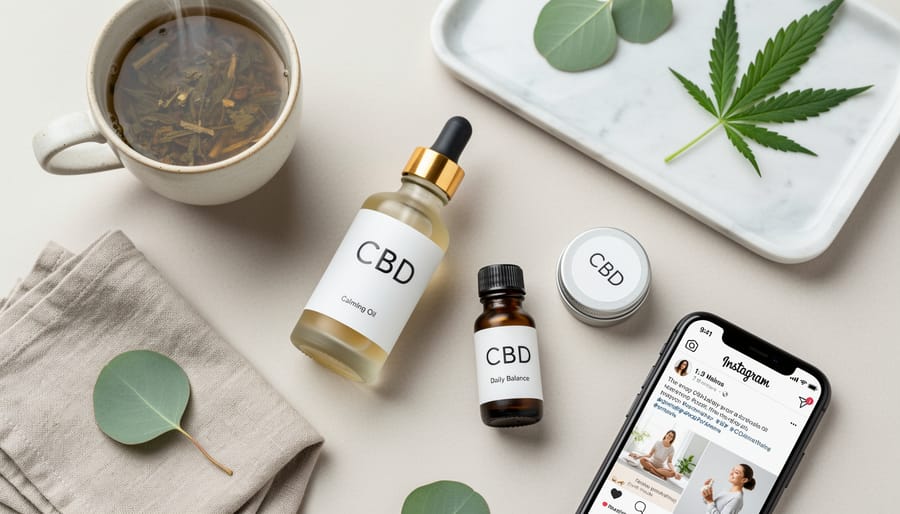
The aesthetic became distinctly minimalist—think soft pastels, clean white backgrounds, and sleek dropper bottles that wouldn’t look out of place beside your expensive skincare. Brands like Lord Jones and Charlotte’s Web pioneered packaging that resembled luxury wellness products rather than anything associated with counterculture. This was intentional design meant to signal safety, purity, and sophistication.
Lifestyle photography followed suit. Instead of stereotypical stoner imagery, CBD brands featured yoga studios, morning coffee rituals, and bedside tables. Influencers shared their CBD routines alongside green smoothies and meditation apps, positioning it firmly within wellness culture rather than recreational drug use.
I remember being struck by how “normal” it all looked when I first started researching CBD. The clean, calming visuals made it feel less intimidating to explore as an option for my own wellness journey. This visual language communicated that CBD was for everyone—professionals, parents, fitness enthusiasts—not just a specific subculture. By making CBD look beautiful and aspirational, Instagram helped remove the stigma that had surrounded cannabis products for decades.
TikTok Education and Trends
TikTok has completely transformed how Canadians discover and learn about CBD. When I first started researching cannabidiol, I had to dig through lengthy articles and scientific papers. Now, creators are breaking down everything from dosing tips to product reviews in 60-second videos that anyone can understand.
The platform’s algorithm has made CBD education accessible to people who might never have sought it out otherwise. I’ve watched videos explaining the difference between CBD and THC rack up millions of views, with comment sections full of Canadians asking thoughtful questions about legality and safety. What strikes me most is how these short videos demystify CBD without oversimplifying it.
Certain trends have gone viral in the Canadian CBD space, like morning routine videos featuring CBD oil or skincare tutorials incorporating CBD topicals. These authentic moments from everyday users feel more relatable than traditional advertising. I’ve also noticed mental wellness creators sharing their CBD experiences, which has helped normalize conversations around anxiety and sleep struggles.
The democratization of information through TikTok means misinformation can spread quickly too, so I always remind readers to verify claims through credible sources and understand Canadian-specific regulations before trying products featured in viral videos.
Online Communities and Support Groups
Beyond mainstream media, some of the most valuable CBD conversations happen in online communities where real people share their genuine experiences. I’ve found that platforms like Reddit, Facebook groups, and dedicated forums have become essential spaces for Canadians navigating their CBD journeys.
Reddit communities such as r/CBD and r/CanadianCannabisLPs host daily discussions where users ask questions, share product reviews, and troubleshoot their experiences. What I appreciate about these spaces is the honest, unfiltered dialogue—people discuss what worked, what didn’t, and everything in between without the polish of marketing materials.
Facebook groups specifically for Canadian CBD users have flourished since legalization, offering region-specific advice about where to purchase products, navigating provincial regulations, and comparing brands available domestically. These groups often become supportive communities where beginners feel comfortable asking basic questions without judgment.
Dedicated forums like Cannabis Culture Forums provide structured discussions organized by topic, making it easier to find specific information about dosing, product types, or legal questions. Many experienced users generously share their knowledge, creating an informal mentorship environment.
For those just starting out, these communities offer something traditional media can’t—real-time, peer-to-peer support from people walking the same path. Just remember to verify information with credible sources, as community advice, while helpful, shouldn’t replace professional medical guidance.
Print and Digital Media: The Think Pieces That Mattered
Mainstream Magazines Jump Aboard
I remember flipping through a glossy fashion magazine at my dentist’s office around 2018 and doing a double-take when I saw a full-page CBD skincare ad. This wasn’t some niche wellness publication—it was Vogue. That moment really drove home how dramatically things had shifted.
Suddenly, magazines that had carefully avoided anything cannabis-related were running CBD features in their health, beauty, and lifestyle sections. Elle was profiling CBD facial serums. Harper’s Bazaar included CBD balms in their editor’s picks. Even more conservative titles like Martha Stewart Living began covering CBD-infused recipes and home products.
For mainstream magazines, CBD represented a sweet spot: trendy enough to attract younger readers, but legally distinct enough from THC-rich cannabis to feel safe for advertisers and traditional audiences. The wellness angle made it especially appealing—framed as self-care rather than anything controversial.
I noticed Canadian publications like Chatelaine and Today’s Parent following suit, though often with more emphasis on the legal landscape here. They’d typically include sidebars explaining Canada’s specific regulations, which I appreciated as someone navigating this space.
This magazine coverage didn’t just reflect changing attitudes—it actively shaped them, giving millions of readers permission to explore CBD without feeling like they were doing something edgy or alternative.
The Power of Personal Stories
When wellness influencers and everyday people began sharing their personal CBD journeys on social media and blogs, something shifted. These weren’t celebrity endorsements or polished advertisements—they were real stories from people managing anxiety before work presentations, athletes dealing with post-workout soreness, or parents trying to sleep better.
I started MY CBD Story because I saw the power of these authentic narratives. When I shared my own experience trying CBD for the first time—the uncertainty, the questions I had, the relief I eventually found—readers told me they felt less alone in their curiosity. That’s what personal stories do: they remove the intimidation factor and make CBD feel accessible.
Podcasts featuring long-form interviews with CBD users, YouTube vlogs documenting month-long trials, and Instagram posts showing real routines created a cultural permission slip. People weren’t just hearing about CBD anymore; they were seeing neighbours, coworkers, and friends talk openly about their experiences. In Canada specifically, these personal narratives helped bridge the gap between legalization and actual understanding, transforming CBD from a mysterious compound into something your yoga instructor or colleague might casually mention over coffee.
The Double-Edged Sword: Hype Versus Reality
When Media Overclaims CBD Benefits
I’ll be honest—I’ve rolled my eyes at more than a few CBD headlines over the years. “CBD Cures Everything!” or “Miracle Molecule Eliminates Chronic Pain Instantly!” These kinds of claims don’t just misrepresent what CBD can actually do; they set people up for disappointment and potentially undermine the legitimate benefits that do exist.
Here’s what I’ve noticed: many media outlets latch onto preliminary research—often from petri dish studies or animal trials—and leap straight to human health claims. A headline might scream “CBD Destroys Cancer Cells!” when the actual study simply showed cannabidiol affected certain cells in a lab setting, which is miles away from being an effective cancer treatment in humans.
The truth is, while CBD shows real promise for specific conditions like certain epilepsy syndromes, anxiety, and inflammation-related issues, it’s not the cure-all that sensational headlines suggest. When I see articles claiming CBD can “reverse aging,” “boost your immune system instantly,” or “replace all your medications,” I know they’re not grounded in scientific evidence.
For Canadians exploring CBD, this media hype creates confusion about what’s legal, what’s safe, and what actually works. I’ve had readers tell me they expected immediate, dramatic results based on something they read online, only to feel frustrated when CBD didn’t live up to those inflated promises. Setting realistic expectations based on actual research is crucial for making informed decisions about whether CBD is right for you.
The Importance of Balanced Coverage
With CBD featured everywhere from morning shows to celebrity Instagram posts, it’s easy to get caught up in the hype. That’s precisely why balanced, fact-based coverage matters so much. When I started MY CBD Story, I’d seen too many Canadians make purchasing decisions based solely on influencer posts or sensationalized headlines, without understanding dosing, product quality, or even whether CBD was legal in their situation.
Responsible media representation means presenting both the potential benefits and limitations of CBD, acknowledging what research actually supports versus what’s speculative. It means being transparent about product testing, ingredient sourcing, and realistic expectations. At MY CBD Story, I prioritize helping readers understand Canadian-specific regulations, recognize quality markers in products, and navigate the sometimes overwhelming marketplace.
The difference between celebrity endorsements and evidence-based information can literally be the difference between wasting money on ineffective products or finding something that genuinely helps. When media outlets and content creators commit to balanced coverage, they empower consumers to make informed decisions rather than impulsive ones driven by trends. That’s the responsibility we all share in this space.
What This Means for You as a Canadian CBD Consumer
Using Media as a Starting Point, Not the Final Word
When you see your favourite celebrity talking about their CBD routine or notice CBD featured in a lifestyle segment, it’s natural to feel curious or even validated in your own interest. I’ll be honest—when I first started exploring CBD, seeing it discussed on shows I trusted made me feel less alone in my questions. But here’s what I learned: media coverage is a fantastic starting point for your CBD journey, not the destination.
Think of celebrity endorsements and media features as conversation starters. They raise awareness and spark interest, which is valuable. However, the products mentioned might not be available in Canada, may not meet Canadian regulatory standards, or simply might not be right for your specific needs. Canadian regulations are quite different from what you might see discussed in American media, so a product praised on a U.S. talk show might not even be legal here.
Instead, use these media moments as jumping-off points. When you see CBD mentioned, let it prompt questions: What benefits are they claiming? What type of CBD product is it? Then, seek verified Canadian sources for answers. Check Health Canada’s website for regulatory information, consult with healthcare providers familiar with CBD, and look for Canadian-specific reviews and resources. This approach helps you build informed decisions based on credible information rather than celebrity influence alone.
Canadian-Specific Considerations
When you’re seeing CBD featured in American shows, international news, or global wellness trends, remember that what’s available and legal elsewhere doesn’t always translate directly to Canada. I’ve noticed this confusion firsthand when readers ask me about products they’ve seen celebrities using or supplements mentioned in popular podcasts—often these aren’t available here or don’t meet our standards.
Canadian regulations are actually more stringent than many other countries, which means some of the CBD products portrayed in media simply aren’t sold in Canada. For instance, edibles like gummies and certain beverage formats have specific restrictions here. Before getting excited about a product you’ve seen online or in a show, check whether it’s licensed for sale in Canada through Health Canada’s database.
Availability also varies significantly. While Americans might casually pick up CBD products at gas stations or mainstream retailers, our distribution channels are more regulated. This isn’t necessarily a bad thing—it often means better quality control and safety standards.
When consuming media about CBD, I always encourage adding a mental filter: “Is this relevant to my Canadian context?” Look for Canadian-specific sources, check local availability, and understand that our medical cannabis framework shapes how CBD products reach consumers here differently than elsewhere.
Looking back over the past decade, CBD’s transformation from a misunderstood compound hiding in cannabis’s shadow to a household wellness ingredient has been nothing short of remarkable. I remember when mentioning CBD in casual conversation meant preparing for a lengthy explanation about what it was and wasn’t. Now, it’s as common a topic as discussing vitamins or meditation apps.
This cultural shift matters enormously for reducing stigma. When your favourite celebrity discusses their CBD routine or a respected documentary explores cannabis science, it opens doors for conversations that were once shut tight. Media representation, whether in sitcoms or serious journalism, has helped normalize something that many Canadians were curious about but hesitant to explore.
That said, I encourage you to approach CBD information with both appreciation and critical thinking. Not everything you see in media is accurate, and the hype doesn’t always match the science. Canada’s regulatory framework gives us advantages many other countries don’t have, including product safety standards and legal clarity that some media coverage from other regions simply doesn’t reflect.
This is precisely why MY CBD Story exists. I’ve witnessed this transformation firsthand and understand how overwhelming the information landscape can be, especially when so much content isn’t relevant to Canadian consumers. My goal is to provide you with reliable, locally-focused guidance that cuts through both the sensationalism and the outdated stigma. Stay curious, stay informed, and remember how remarkable it is that we can have these conversations openly today.