
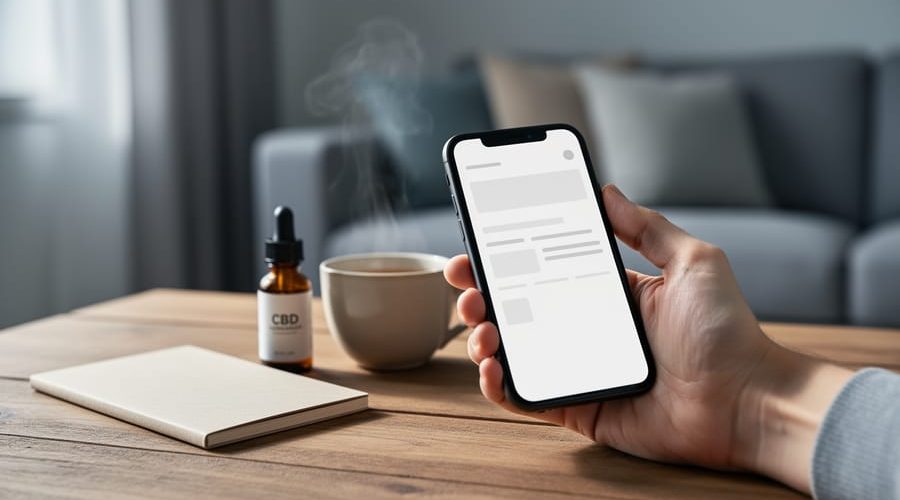
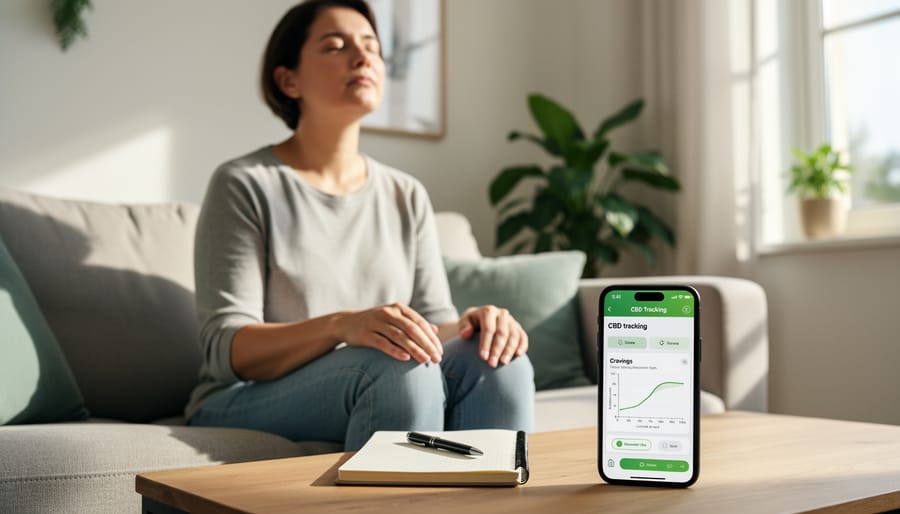
A harm reduction chart for CBD and cravings is a simple tracking system where you record your CBD dose, timing, craving intensity (on a 1-10 scale), and any relevant notes each day for at least two weeks to identify patterns and determine whether CBD genuinely helps manage your cravings. This structured approach takes about two minutes per day and requires nothing more than a notebook or smartphone app, but the data you collect becomes your personal roadmap for understanding what works for your body.
I’ve watched friends in recovery struggle with the noise around CBD. Everyone has an opinion, supplement companies make big promises, and sorting out what’s actually helpful feels overwhelming when you’re already dealing with enough. That’s why I’m a firm believer in tracking your own experience rather than relying on anyone’s assumptions, including mine.
Early research suggests CBD may influence the brain’s reward pathways and stress response, but the evidence is still developing and results vary significantly between individuals. Some people notice meaningful support in managing their cravings, while others see little effect. A harm reduction chart removes the guesswork. You’re not committing to CBD long-term or accepting someone else’s experience as your own. You’re simply gathering honest data about your body’s response.
In Canada, CBD is legal and regulated under the Cannabis Act, which means you have access to lab-tested products with reliable dosing information. That legal framework makes tracking much easier since you know what you’re actually taking. This guide will walk you through creating your chart, using it safely alongside any existing recovery support, and reading your results without falling into common interpretation traps.
Understanding Harm Reduction Charts and CBD’s Role
Harm reduction charts are simple tracking tools that help you observe patterns without demanding perfection. Instead of setting rigid rules or goals you might fail to meet, these charts document what actually happens when you use a particular strategy, in this case, CBD, to manage cravings. The philosophy behind harm reduction is meeting yourself where you are right now, not where you think you should be. If complete abstinence isn’t your current reality or goal, harm reduction offers a compassionate alternative focused on reducing negative consequences rather than achieving an all-or-nothing outcome.
In addiction recovery contexts, tracking methods matter because they shift your perspective from guilt to curiosity. When you write down what you experience rather than what you wish you experienced, patterns emerge that your memory alone might miss. You might notice that cravings spike at certain times, or that specific stressors make them worse. This awareness becomes the foundation for intentional choices rather than reactive ones.
CBD enters this framework as one potential tool among many. Research suggests that CBD reduces heroin craving and anxiety in some individuals, though studies remain limited and results vary widely. The compound interacts with your endocannabinoid system, which plays a role in stress response and reward pathways. Whether CBD helps you specifically isn’t something anyone can predict, which is exactly why tracking matters.
Your harm reduction chart creates a written record that removes guesswork. Instead of wondering whether that CBD oil you tried last month made any difference, you’ll have data showing what happened on days you used it versus days you didn’t. This information belongs to you, reflects your unique response, and helps you make informed decisions about whether to continue, adjust, or try something different. The chart doesn’t judge whether you’re succeeding or failing, it simply shows you what’s happening so you can decide what comes next.
Tools and Materials You’ll Need
Creating a harm reduction chart doesn’t require expensive equipment or specialized tools. Most people already have what they need to start tracking, and a few simple additions can make the process more effective and sustainable.
Required Materials
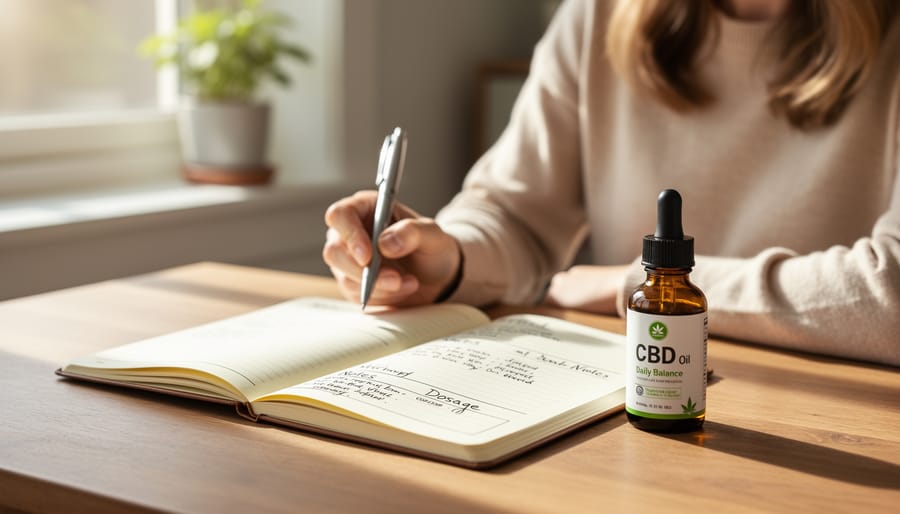
- A dedicated journal or notebook with dated entries, or a digital tracking app that allows custom fields and timestamped notes
- Your chosen CBD product with clear labeling showing CBD content per dose (oils, capsules, or edibles work well for consistent tracking)
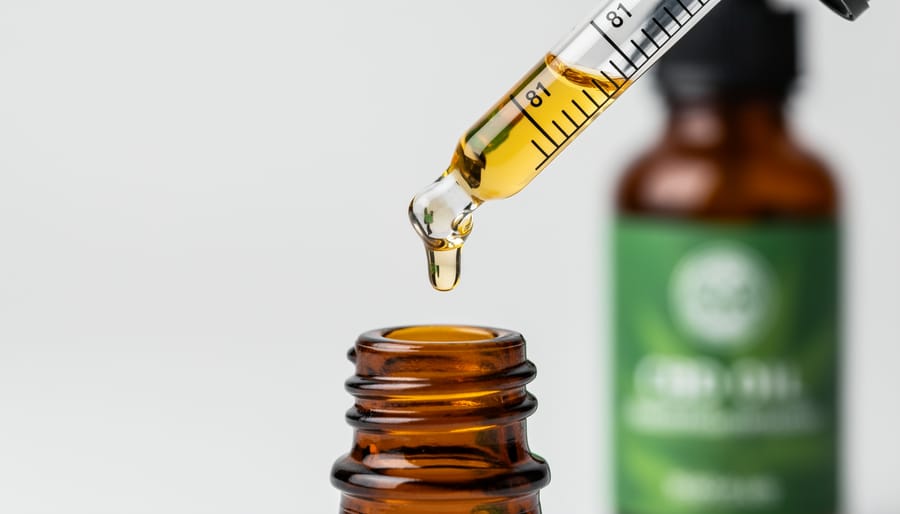
- A measurement tool appropriate to your CBD format: dropper with markings for oils, or simply the product’s serving size information for capsules and edibles
- A pen or pencil if using a physical journal, ensuring you can make entries even when devices aren’t accessible
Choose a CBD product that fits your routine and budget. Full-spectrum, broad-spectrum, and isolate products all work for tracking purposes, what matters most is consistency and accurate dosing information. I’ve found that oils offer the most dosing flexibility when you’re still figuring out what works, while capsules provide the easiest consistency once you’ve established a routine.
Optional but Helpful Items
A calendar or planner helps you mark tracking days and notice weekly patterns. A mood tracking app can capture emotional states alongside craving intensity, revealing connections you might otherwise miss. Some people find a simple voice recorder useful for quick observations throughout the day, which they transfer to their main chart later. A privacy folder or password-protected app matters if you share living space and want to keep your recovery work confidential.
The key is choosing tools you’ll actually use. A fancy app you never open won’t serve you as well as a basic notebook you keep by your bedside.
Safety Considerations Before Starting
Before you begin tracking CBD and cravings, take time to set up safely. This isn’t about scare tactics, it’s about protecting yourself while exploring a complementary approach.
Talk to your healthcare provider first, especially if you’re in a formal recovery program or taking any medications. CBD can interact with certain drugs, including some commonly prescribed during recovery like benzodiazepines, antidepressants, and opioid replacement therapies. Your liver processes both CBD and many medications through the same enzyme pathways, which can affect how your body handles these substances. Drug interaction risk guidance shows that CBD can influence how medications are metabolized, making some less effective or increasing their concentration in your bloodstream.
If you’re working with a recovery counselor, addiction specialist, or treatment program, let them know you’re considering this tracking approach. They can help you integrate it safely with your existing care plan. Some programs have specific policies about substance use during recovery, and transparency matters.
In Canada, CBD is legal when sold through licensed retailers, but the Canadian cannabis regulations set clear limits on THC content in CBD products. Make sure you’re purchasing from legal sources that provide lab testing results. This matters because THC can complicate recovery for some people, and you want to know exactly what you’re putting in your body.
Recognize when professional support is needed. If your cravings intensify despite tracking efforts, if you experience withdrawal symptoms, or if you find yourself relying on CBD as your only coping mechanism, reach out to a healthcare provider or support service. Crisis lines and addiction support services exist for a reason, use them when you need them.
This tracking method works best when it sits alongside other recovery tools like therapy, support groups, and healthy routines. It’s one piece of your approach, not the whole solution. Go into this with realistic expectations and a safety-first mindset.
Step-by-Step: Creating Your Harm Reduction Chart
Step 1: Identify Your Craving Patterns
Before you introduce CBD into your routine, spend 3-5 days simply observing yourself. Grab a notebook or open a notes app and jot down when cravings hit. Don’t try to fight them or change anything yet, just notice.
Each time a craving strikes, record three things: the time of day, how intense it feels on a scale of 1 to 10, and what you were doing or feeling beforehand. Maybe you notice cravings spike after stressful phone calls, during your afternoon slump, or when you’re bored in the evening. These patterns matter.
This baseline period gives you something concrete to compare against later. Without it, you’re guessing whether CBD actually helps or if you’re just having a better week. I’ve seen people skip this step and then struggle to figure out if their approach is working, they have no reference point.
Keep your notes simple and honest. You’re not performing for anyone. If Tuesday was rough and you had eight cravings, write that down. If Wednesday brought only two, note that too. The goal is clarity about your starting point, not perfection.
Step 2: Design Your Chart Columns
Your chart needs five core columns to capture the full picture of how CBD interacts with your cravings. Here’s what to track and why each matters.
Date and Time creates your timeline. Note both when you take CBD and when cravings hit. This reveals patterns you’d otherwise miss, maybe cravings spike every Tuesday after work, or Sunday evenings consistently challenge you.
Craving Intensity uses a 1-10 scale where 1 is barely noticeable and 10 is overwhelming. This subjective rating gives you a baseline and shows trends over time. Don’t overthink the number; your gut reaction works fine.
CBD Dose and Type records exactly what you took: “15mg CBD isolate oil” or “10mg full-spectrum gummy.” Specificity matters because different products and amounts produce different effects, and you’ll need this detail when reviewing what works.
Time of Administration tracks when you took the CBD relative to when cravings appeared, before, during, or after. This timing relationship often proves crucial in understanding effectiveness.
Outcome Notes captures everything else: did the craving fade, how long that took, what else was happening (stress, poor sleep, skipped meals), and how you felt overall. These qualitative observations add context that numbers alone can’t provide.
Together, these columns transform scattered observations into actionable data about your unique response patterns.
Step 3: Establish Your CBD Starting Point
Choosing where to start with CBD requires a cautious approach, especially when you’re in recovery. Most harm reduction practitioners suggest beginning with a low dose, somewhere between 5 and 10mg per day, and maintaining that level for at least 5-7 days before considering any increase. This “start low and go slow” principle gives your body time to adjust and helps you notice subtle effects without overwhelming your system.
For product type, consider your lifestyle and preferences. Oils and tinctures offer flexible dosing (you can measure drops precisely), while capsules provide consistency but less adjustability. Broad-spectrum or isolate CBD products avoid THC entirely, which many people in recovery prefer. If you’re working with a healthcare provider, discuss your choice with them first.
The key is establishing one consistent variable: same product, same dose, same time of day for your initial tracking period. If you change multiple factors at once, you won’t know what’s actually influencing your cravings. Pick a time when cravings typically occur, for some that’s evening, for others it’s afternoon, and take your CBD about an hour beforehand. This consistency creates reliable data for your chart and helps you identify genuine patterns rather than random fluctuations.
Step 4: Track Consistently for 2-4 Weeks
Consistency is where patterns become visible. For the first two to four weeks, treat your chart as a daily non-negotiable, like brushing your teeth. Fill it in at the same time each day if possible, many people find evenings work well, when they can reflect on the full day’s experiences.
Set a phone reminder or attach the habit to something you already do reliably. Missing a day or two won’t ruin everything, but large gaps make it harder to spot meaningful trends. If you forget, jot down what you remember and move forward without guilt.
During this initial tracking period, resist the urge to draw conclusions too quickly. You might notice that CBD seems helpful one week, then less so the next, that’s normal. Craving patterns fluctuate based on stress, sleep, hormones, and countless other factors. A person in early recovery might discover that their cravings spike on weekends regardless of CBD timing, or that Thursday afternoons are consistently difficult.
Your only job right now is to observe and record honestly. Notice what you’re seeing, but hold off on making major changes or declaring success or failure. The data needs time to accumulate before you can separate genuine patterns from random variation.
Step 5: Review and Adjust
After two to four weeks of consistent tracking, set aside 30 minutes to review your chart with fresh eyes. Look for patterns rather than isolated incidents: did your cravings tend to decrease when you took CBD at a specific time of day? Were certain doses more helpful than others? Did particular situations or stressors make CBD less effective?
Start by comparing your baseline craving intensity (from before you introduced CBD) to your recent entries. Some people notice their peak craving times shift or become less intense. Others find CBD works well for stress-triggered cravings but not for habitual ones. Your chart should reveal these distinctions if you’ve been logging honestly.
Pay attention to what didn’t work as much as what did. If taking CBD in the morning made no difference to afternoon cravings, that’s valuable information. If a higher dose caused drowsiness without reducing cravings, you’ve learned something important about your personal response.
Based on these observations, make one adjustment at a time. If evenings are your toughest window, try shifting your CBD dose an hour or two earlier. If your current amount seems ineffective, increase gradually (by 5-10mg) and track the change for another week before deciding. Avoid changing multiple variables at once, or you won’t know what made the difference.
This review process isn’t about perfection. It’s about gathering real information on what supports your specific recovery journey, then refining your approach accordingly.
Reading and Interpreting Your Chart Data
After a few weeks of tracking, you’ll have collected enough data to start seeing patterns. This is where your harm reduction chart becomes most valuable, but it’s also where interpretation requires careful thinking.
Start by looking for timing correlations. Did your cravings decrease on days when you took CBD at specific times? If you consistently took CBD in the morning and noticed fewer afternoon cravings compared to your baseline week, that’s worth noting. Similarly, if you took CBD during high-stress periods and found those triggers less overwhelming, you’re identifying a potential pattern. Don’t rush to conclusions after three entries, you need a consistent trend over multiple days.
Pay equal attention to what didn’t work. Maybe evening doses made no difference to your late-night cravings, or perhaps certain CBD products seemed ineffective compared to others. Negative data is just as valuable as positive results because it helps you refine your approach.
Here’s something crucial to understand: correlation doesn’t equal causation. Just because your cravings dropped the same week you started CBD doesn’t automatically mean CBD caused the reduction. Maybe that week you also got better sleep, dealt with less stress at work, or started using other coping strategies more consistently. Your chart might show multiple factors working together, and that’s perfectly fine. The goal isn’t to prove CBD is a miracle solution but to understand what combination of factors helps you personally.
Your subjective observations matter more than trying to create scientific certainty. How did you feel? Did the CBD seem to take the edge off, even if it didn’t eliminate cravings entirely? Did it help you pause before acting on an urge? These qualitative details, noted in your outcome column, often reveal more than intensity numbers alone.
Everyone responds differently. What works for someone else might not work for you, and that’s not a failure of the method. Your chart exists to reveal your individual patterns, not to match someone else’s experience.
Verification: How to Know If It’s Working
Knowing whether your harm reduction chart is showing real progress requires both measurable indicators and honest self-reflection. Start by comparing your current data against the baseline you established before introducing CBD, this gives you objective reference points rather than relying on memory.
Signs your approach is working:
- Craving intensity scores on your chart consistently trend downward over 2-4 weeks
- The time between cravings lengthens compared to your baseline period
- You’re successfully using other coping strategies (breathing exercises, calling a friend, taking a walk) when cravings do occur
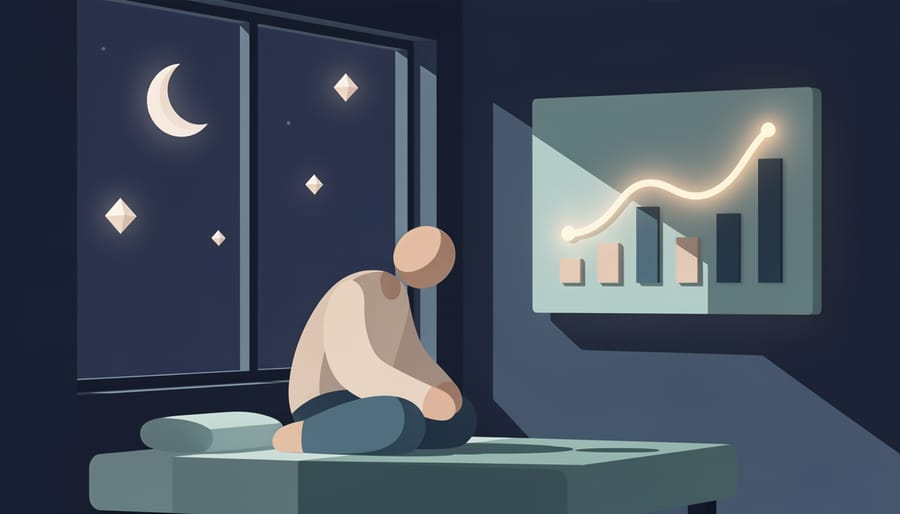
- Sleep quality improves, as evidenced by falling asleep faster or waking less frequently
- You feel more capable of managing stressful situations without returning to old patterns
- Your chart shows you’re maintaining consistency with CBD timing and dosing rather than chaotic or desperate use
Signs that adjustments are needed:
- Craving intensity or frequency remains unchanged after four weeks of consistent tracking
- You’re increasing CBD doses frequently without corresponding benefit
- New problems emerge, such as fatigue, digestive issues, or mood changes
- You find yourself avoiding your chart or lying in your entries
- Cravings intensify despite following your tracking protocol
- You’re isolating more or abandoning other recovery supports
Remember that progress isn’t always linear. Some weeks will look messier than others, and that’s normal. What matters is the overall trend and whether you’re learning about your patterns. If your chart shows minimal change after a month, that’s valuable information, it might mean adjusting CBD timing, trying a different product format, or recognizing that CBD isn’t the right tool for your situation. There’s no failure in discovering what doesn’t work for you.
Common Questions About CBD Harm Reduction Charts
As you start tracking CBD for cravings, questions will come up about the process itself. Here are answers to the most common concerns people have when using harm reduction charts.
How long should I keep my harm reduction chart?
Continue tracking for at least 2-4 weeks to establish patterns, then maintain it as long as it feels helpful. Many people find ongoing tracking valuable during vulnerable periods even after identifying what works.
What if I miss a day of tracking?
Missing occasional entries won’t derail your efforts. Just resume tracking the next day without judgment, the goal is progress, not perfection.
Should I share my chart with my doctor or counselor?
Yes, if you’re comfortable doing so. Your tracking data can help healthcare providers understand your experience and offer better support, though you control what information you share.
Can I use this chart alongside other recovery tools?
Absolutely. Harm reduction charts work well with therapy, support groups, medication-assisted treatment, and other coping strategies, they’re meant to complement, not replace, your existing support system.
Privacy matters, especially when tracking something as personal as cravings and recovery efforts. Your chart is yours alone unless you choose to share it. If you’re using a digital app, review its privacy settings and consider whether cloud storage feels safe for you. Some people prefer old-fashioned paper journals specifically because they maintain complete control over who sees their information.
When it comes to sharing data with healthcare providers, bring your chart to appointments if you want their input on patterns you’ve noticed. A doctor or counselor who understands harm reduction will view your tracking as evidence of self-awareness and active participation in your wellbeing. They might spot correlations you missed or suggest adjustments based on their clinical experience. That said, you decide what to reveal and when.
Integrating this approach with other recovery tools often strengthens both. If you attend support group meetings, your chart can help you articulate what you’re experiencing. If you’re working with a therapist, tracking data might reveal emotional triggers worth exploring in sessions. If you use meditation or exercise as coping strategies, note those in your chart alongside CBD use to see how different approaches interact.
Some people worry that tracking will become obsessive or that they’re “doing it wrong.” There’s no perfect way to maintain a harm reduction chart. If daily logging feels overwhelming, try weekly summaries instead. If certain columns don’t seem useful after a few weeks, drop them. The chart serves you, not the other way around. Adjust the system until it fits your life and supports your recovery journey without adding stress.
Step-by-step process
Quick Reference Guide to CBD Harm Reduction Tracking
Week 1: Establish Baseline
– Observe and record cravings for 3-5 days without CBD
– Note time of day, intensity (1-10 scale), and any triggers
– Track duration and how you typically respond
Week 2: Begin CBD Tracking
– Start with a low CBD dose (5-10mg for most users)
– Record exact dose, product type, and administration time
– Continue logging all cravings with same detail as baseline
– Take CBD at consistent times daily
Week 3-4: Maintain Consistency
– Keep daily entries without changing your approach
– Note any patterns emerging between CBD timing and cravings
– Record additional observations like sleep quality or stress levels
– Resist the urge to adjust doses prematurely
End of Week 4: Analysis and Adjustment
– Compare craving frequency and intensity to your baseline
– Identify correlations (not causation) between CBD use and any changes
– Adjust timing or dosage based on patterns, making only one change at a time
– Consider whether the approach merits continuation or modification
The key is patience. Some users notice patterns within two weeks, others need longer to see meaningful trends in their data.
Your harm reduction chart is yours alone. There’s no single “right” way to track CBD for cravings management, and what works for someone else might not work for you. That’s the whole point of this approach, it meets you where you are, respects your unique patterns, and adapts as you learn more about yourself.
I’ve found that the simple act of tracking can be therapeutic in itself. When you put pen to paper (or fingers to keyboard) each day, you’re acknowledging your experience, recognizing your efforts, and giving yourself credit for showing up. That’s self-care, even on the hard days when your chart shows more struggles than successes.
Be patient with the process. Two weeks of data might not reveal clear patterns. Your CBD response might shift as your stress levels, sleep, or other factors change. That’s normal. Stay flexible, adjust when needed, and don’t expect perfection from yourself or from CBD. This is a tool, not a magic solution.
Most importantly, remember that tracking CBD alongside your recovery work doesn’t replace professional support. If you’re in a formal recovery program, keep attending. If you have a therapist or counselor, share your chart with them if you’re comfortable. If you’re struggling, reach out to the resources available in your community. Harm reduction works best when it’s part of a broader support system, not when you’re going it alone.