

If you’ve been searching “chemo CBD” wondering whether cannabis can help with chemotherapy, let me clear up the confusion right away: in cannabis terminology, “chemo” refers to chemovars (chemical varieties), not cancer treatment. This distinction matters because understanding chemovars—the scientific term for what most people call “strains”—helps you select products based on their actual chemical composition rather than marketing names.
When you see “chemo” paired with CBD in Canadian cannabis contexts, you’re likely looking at products that combine cannabidiol (CBD) with other beneficial compounds like cannabigerol (CBG). These CBG-rich CBD chemovars represent an emerging category in Canada’s legal market, offering different effects than standard CBD-only products. While CBD has become widely recognized for its calming properties, CBG is gaining attention for its own potential benefits, and many Canadians are discovering that combining these cannabinoids creates what researchers call the “entourage effect.”
I remember my own confusion when I first encountered terms like “chemovar” while researching CBD products. The cannabis industry loves its jargon, but you don’t need a science degree to make informed choices. What you do need is clear information about what these products contain, how they differ from each other, and where you can legally purchase them in Canada.
This guide cuts through the terminology confusion to explain exactly what CBG-rich CBD chemovars are, why they might matter to your wellness routine, and how to access quality products within Canada’s regulated market. Whether you’re completely new to cannabinoids or already familiar with CBD, understanding chemovars helps you move beyond guesswork toward purposeful product selection.
What Exactly Is a Chemovar (And Why It Matters More Than ‘Strain’)
If you’ve been searching for information about “chemo CBD,” you might have stumbled across the term “chemovar” and wondered what it means. Let me clear this up for you, because understanding this terminology actually matters when you’re selecting cannabis products.
Here’s the thing: what most people call a “strain” (like “Blue Dream” or “OG Kush”) is more accurately called a “chemovar.” The word chemovar is short for “chemical variety,” and it refers to the specific chemical profile of a cannabis plant—meaning its unique combination of cannabinoids like CBD, THC, and CBG, along with terpenes that give each variety its distinct aroma and effects.
Why does this matter? Well, the term “strain” is technically used in microbiology to describe variations of bacteria or viruses. Cannabis plants aren’t microorganisms, so scientifically speaking, calling them strains isn’t quite right. Canadian regulators, researchers, and many cannabis professionals have moved toward using “chemovar” because it’s more accurate and tells you what you really need to know: the chemical makeup of what you’re consuming.
When I first learned about chemovars, I’ll admit I found it a bit pretentious. Why complicate things with new terminology? But then I realized the shift actually helps consumers make better choices. Instead of relying on marketing names that might mean different things from one producer to another, focusing on chemovars encourages you to look at the actual cannabinoid and terpene content listed on product labels.
For example, a CBG-rich CBD chemovar isn’t just a catchy name—it tells you the plant has been cultivated to produce higher levels of both CBD and CBG. This focus on chemical composition rather than brand names helps you find products that match your specific wellness goals, which is especially important in Canada’s regulated market where accurate labeling is required by law.
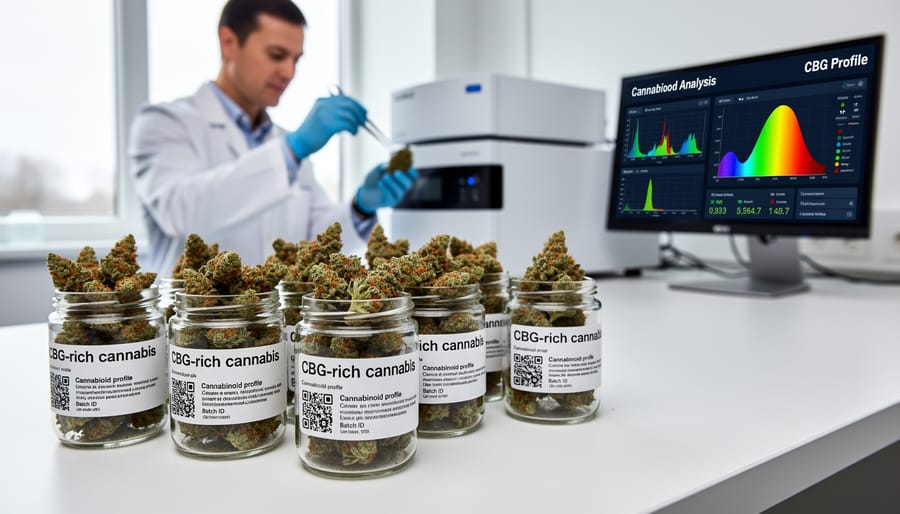
Understanding CBG: CBD’s Lesser-Known Cousin
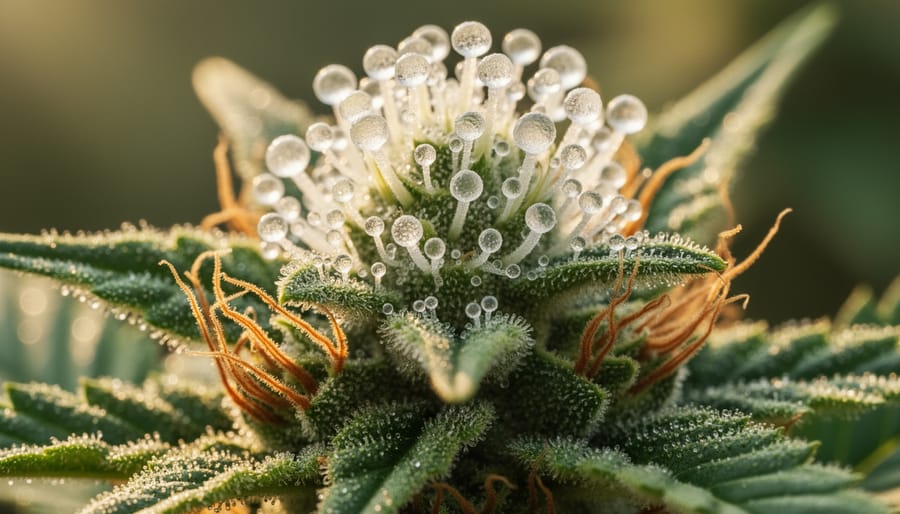
How CBG and CBD Work Together
When CBG and CBD are consumed together, they create what researchers call the “entourage effect”—a phenomenon where cannabinoids work synergistically to enhance each other’s benefits. Think of it like a team where each player brings different strengths, but together they perform better than any individual could alone.
Here’s what happens at a basic level: both CBG and CBD interact with your body’s endocannabinoid system, which helps regulate everything from mood to inflammation. CBD primarily influences this system indirectly, while CBG interacts more directly with cannabinoid receptors. When combined, they can complement each other’s actions, potentially creating more balanced effects.
I’ve personally noticed this difference when trying CBG-rich chemovars compared to CBD-only products. The combination felt more well-rounded—less one-dimensional, if that makes sense. It’s like getting a fuller spectrum of support rather than just one targeted effect.
From a scientific perspective, early research suggests that CBG may enhance CBD’s anti-inflammatory properties while CBD might help moderate some of CBG’s more stimulating effects. This balance is why many Canadians are specifically seeking out chemovars that contain both cannabinoids rather than isolated CBD products.
It’s important to remember that cannabis research is still evolving, especially regarding cannabinoid interactions. What we know suggests promising synergy, but individual experiences vary based on factors like dosage, body chemistry, and the specific chemovar you’re using.
Why CBG-Rich Chemovars Are Trending in Canada Right Now
Canada’s cannabis market has seen a noticeable shift recently, with CBG-rich chemovars appearing more frequently on provincial retailer websites and in discussions among curious consumers. If you’ve been browsing your local cannabis store’s online menu lately, you might have spotted products labeled as “high CBG” alongside the usual CBD and THC options.
So what’s driving this trend? Several factors are at play. First, Canadian licensed producers have been experimenting with breeding programs that emphasize cannabigerol (CBG) content rather than just focusing on THC or CBD. Companies like Divvy, Mission Cannabis, and Organigram have introduced CBG-dominant strains to the market, recognizing that some consumers want to explore cannabinoids beyond the familiar options. These chemovars typically contain anywhere from 5% to 15% CBG, often paired with moderate CBD levels and minimal THC.
From what I’ve observed talking to people in the community, consumers are seeking CBG-rich chemovars for a few key reasons. Some are experienced cannabis users looking to diversify their cannabinoid experience and explore what different compounds might offer. Others appreciate that many CBG products come with balanced cannabinoid profiles that include CBD, creating what some call an “entourage effect” where multiple cannabinoids work together.
The practical appeal matters too. CBG-rich chemovars are available in familiar formats through legal channels: dried flower, pre-rolls, oils, and capsules. This makes them accessible to Canadians who prefer shopping through provincial retailers or licensed online stores, where they can verify product testing and cannabinoid content.
It’s worth noting that CBG products typically cost slightly more than standard CBD options due to the specialized cultivation required and lower production volumes. However, as more licensed producers enter this space and cultivation techniques improve, prices are gradually becoming more competitive. The trend reflects a maturing Canadian market where consumers have moved beyond just THC and CBD, seeking specific chemovars that align with their individual preferences and wellness routines.
Popular CBG-Rich Chemovars Available to Canadians
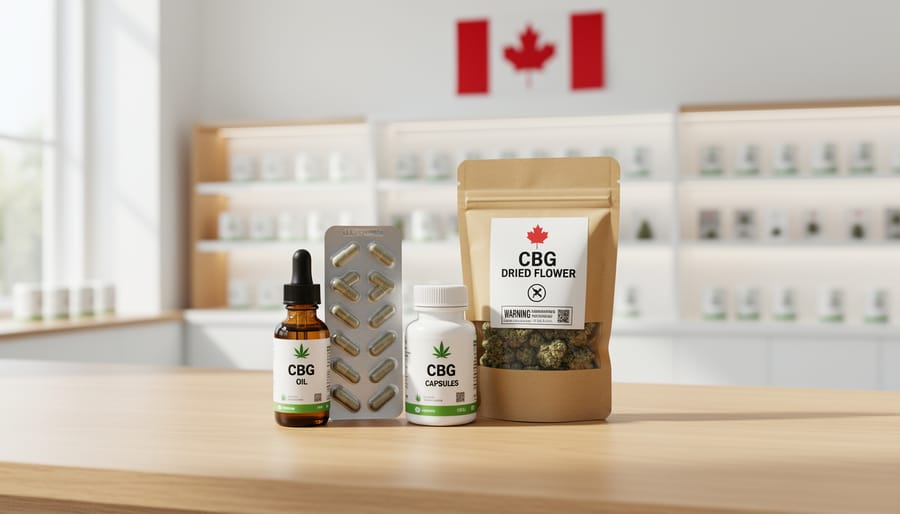
White CBG and Other High-CBG Options
Finding high-CBG chemovars in Canada requires knowing what to look for, as these products are still relatively new to the market. Let me walk you through some specific options that have become available through legal channels.
White CBG has emerged as one of the more recognizable high-CBG chemovars in Canada. This particular strain typically contains 12-15% CBG with minimal THC, making it an appealing choice for those seeking CBG’s potential benefits without significant psychoactive effects. It’s bred specifically to maximize CBG production before the compound converts to other cannabinoids during plant maturation.
Several licensed producers in Canada have started cultivating CBG-dominant plants. Companies like Solei, Edison Cannabis Co., and Pure Sunfarms have introduced products labeled with CBG content on their packaging. When I first noticed CBG percentages appearing on product labels at my local dispensary, I realized the Canadian market was finally catching up to consumer interest in minor cannabinoids.
You’ll find high-CBG options in various formats. Dried flower remains the most common, allowing you to see the actual plant material and verify quality. Some producers also offer CBG-rich oils, which provide consistent dosing and longer shelf life. Pre-rolled joints containing CBG-dominant flower have also started appearing, though availability varies by province.
When shopping, look for lab results showing cannabinoid profiles. Reputable producers provide this information either on packaging or through their websites. A true high-CBG product should show CBG as the dominant cannabinoid, typically above 10%, with CBD and THC present in lower percentages.
Availability fluctuates based on provincial distribution systems and producer harvests. Checking online provincial cannabis retailers regularly or asking your local dispensary staff about incoming CBG products can help you stay informed about new options as they become available.
What to Expect When Using CBG-Rich CBD Products
When you first try a CBG-rich CBD product, you might wonder what makes it feel different from the CBD-only products you’ve used before. Based on conversations I’ve had with users across Canada and my own experiences, here’s what you can reasonably expect.
The onset time typically mirrors standard CBD products. If you’re using a sublingual oil, effects usually begin within 15 to 45 minutes. Capsules and edibles take longer, often 45 minutes to two hours, since they need to pass through your digestive system. Topicals work locally and may provide sensations within 20 to 30 minutes of application.
What many people notice first is a sense of clarity. While CBD alone often promotes relaxation, adding CBG seems to bring what users describe as “alert calmness.” One community member from Ontario told me she felt more focused during her workday without the foggy feeling she sometimes experienced with higher CBD doses. Another user in British Columbia mentioned that his evening CBG-rich tincture helped him unwind without making him feel drowsy before his preferred bedtime.
The duration of effects generally lasts between four to six hours for oils and tinctures, though this varies based on your metabolism, dosage, and whether you’ve eaten recently. Some people find they need slightly lower doses of CBG-rich products compared to CBD-only formulas to achieve their desired results, though this isn’t universal.
It’s worth noting that CBG-rich products don’t produce intoxicating effects. You won’t feel “high” regardless of the ratio. What you might experience is improved mood balance, reduced tension, or physical comfort, depending on why you’re using the product.
Start with the lowest recommended dose, especially if you’re new to CBG. I always suggest keeping a simple journal for your first week—note the time you take it, the amount, and how you feel over the next few hours. This helps you identify your ideal dosage and timing without guessing.
Some users report mild digestive changes when first introducing CBG, similar to what occasionally happens with CBD. These typically resolve within a few days as your body adjusts. If you experience persistent discomfort, reduce your dose or consult with a healthcare provider familiar with cannabinoid therapies.
Remember, everyone’s endocannabinoid system is unique, so your experience may differ from others. Give yourself at least a week of consistent use before deciding whether a CBG-rich product works for your needs.
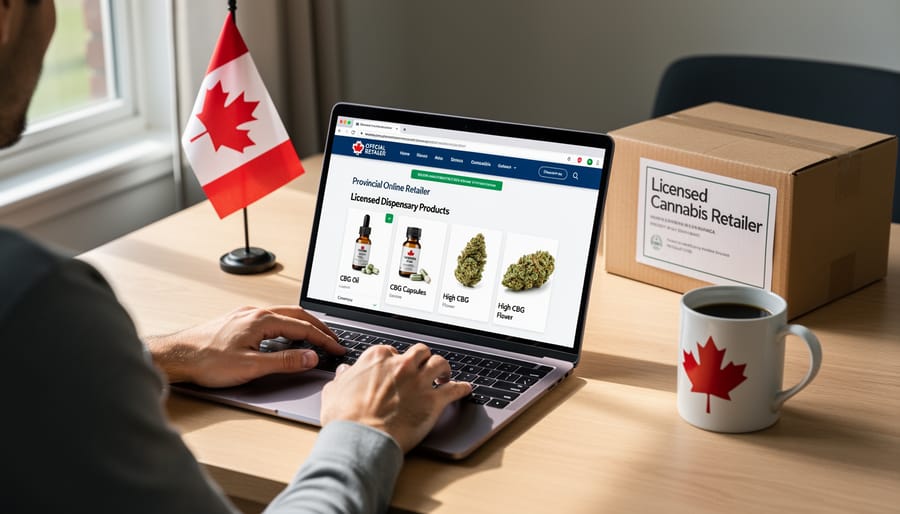
Finding and Purchasing CBG-Rich Chemovars in Canada
Reading Lab Results for CBG Content
When you’re shopping for CBG-rich products in Canada, learning to read lab results becomes incredibly important. I learned this the hard way when I first started exploring different chemovars—I assumed all products labeled as “CBG” contained similar amounts, but the reality was much more varied.
Legitimate Canadian cannabis products, whether from licensed dispensaries or authorized online retailers, should provide access to third-party lab results showing the cannabinoid profile. These certificates of analysis typically list percentages for THC, CBD, CBG, and other cannabinoids present in the product.
For a product to truly be considered CBG-rich, you should see CBG levels of at least 5-10% or higher. Some exceptional chemovars can reach 15-20% CBG. Compare this to the CBD content—in truly CBG-focused chemovars, the CBG percentage may actually exceed the CBD percentage, which is quite different from standard CBD products that might contain only trace amounts of CBG (under 1%).
Pay attention to testing dates too. Cannabinoid content can degrade over time, so fresher results generally indicate you’re getting what’s advertised. The testing lab should also be clearly identified—reputable third-party facilities are essential for accuracy.
In Canada’s regulated market, licensed producers are required to test their products, which gives us a significant advantage over unregulated markets. If a retailer can’t provide lab results or seems hesitant when you ask, that’s a red flag. Authentic CBG-rich products will have transparent testing documentation readily available, either on packaging, company websites, or upon request.
Dosing Considerations for CBG-Rich Products
Finding your optimal dose with CBG-rich products requires patience and careful attention to how your body responds. Because CBG is less studied than CBD and affects people differently, the golden rule is especially important here: start low and go slow.
I learned this lesson myself when I first tried a CBG-dominant tincture. I assumed my usual CBD dose would translate directly, but CBG has its own character. Starting with just 2.5 mg of CBG taught me that less can genuinely be more with this cannabinoid.
For beginners working with CBG-rich chemovars, I recommend starting with 2.5 to 5 mg of total cannabinoids once daily. If you’re trying a product with both CBG and CBD, this might look like a 1:1 ratio at these low doses. Many Canadian licensed producers offer tinctures with clear mg-per-drop measurements, making precise dosing straightforward.
After maintaining your starting dose for three to five days, assess how you feel. Are you noticing the effects you’re looking for? Any unwanted reactions? If you’re tolerating it well but not experiencing benefits, increase by another 2.5 mg and wait another few days before adjusting again.
Some people find that CBG works best at lower doses than CBD, while others discover they need slightly more. The ratio matters too. A 2:1 CBG to CBD ratio might feel quite different from a 1:1, even at the same total cannabinoid amount. Keep a simple journal noting your dose, the ratio, timing, and how you felt throughout the day.
Practical tips: Take CBG products at the same time daily for consistency, preferably with a small amount of healthy fat to improve absorption. Most people find morning works well since CBG tends to be less sedating than CBD. If you’re already taking CBD, don’t stop abruptly when introducing CBG. Instead, gradually shift the ratio while keeping your total cannabinoid intake stable.
Remember that effects can be subtle. Sometimes what you notice most is what doesn’t happen—perhaps less afternoon fatigue or reduced discomfort during activities.
As we’ve explored throughout this article, CBG-rich chemovars represent an exciting and evolving frontier in the Canadian cannabis landscape. While the term “chemo CBD” might have initially seemed confusing, I hope you now understand that we’re talking about specific cannabis varieties—chemovars—that offer unique cannabinoid profiles combining both CBD and CBG in meaningful concentrations.
The research surrounding CBG is still in its early stages, which means we’re learning more about its potential benefits all the time. What we do know is that CBG interacts with our bodies differently than CBD alone, and many Canadians are finding value in exploring these cannabinoid combinations. The entourage effect—where cannabinoids work together synergistically—suggests that CBG-rich chemovars might offer something distinct from traditional CBD-only products.
For me personally, watching this area develop has been fascinating. I’ve spoken with many readers who’ve experimented with CBG-rich options and found them helpful for various wellness goals. However, I always emphasize that everyone’s experience is different, and what works for one person may not work for another.
Canada’s legal framework makes accessing these products straightforward and safe. Whether you choose licensed retailers, provincial online stores, or authorized delivery services, you have legitimate pathways to explore CBG-rich chemovars without legal concerns.
My strongest recommendation is this: consult with your healthcare provider before adding CBG-rich products to your wellness routine, especially if you’re taking other medications or managing specific health conditions. They can help you make informed decisions based on your individual circumstances.
The world of cannabinoids continues to expand and surprise us. Stay curious, stay informed, and remember that responsible exploration—combined with professional guidance—is always the best approach.