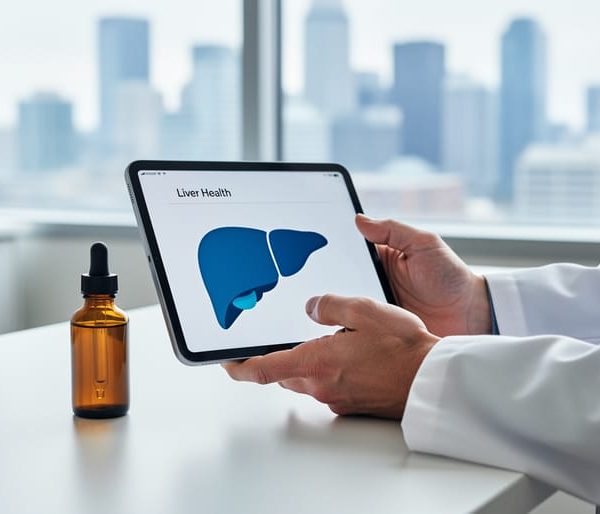

Understand that clinical trials represent the gold standard for evaluating CBD’s safety and effectiveness, particularly when you’re managing multiple medications. Research published in peer-reviewed journals provides the evidence-based foundation necessary to make informed decisions about incorporating CBD into your treatment regimen.
Examine the specific methodology behind CBD clinical trials before trusting their conclusions. Look for randomized, double-blind, placebo-controlled studies with adequate sample sizes—these designs minimize bias and produce reliable results. Canadian researchers at institutions like McGill University and the University of Toronto are actively investigating CBD’s interaction profiles with common medications including blood thinners, antidepressants, and heart medications.
Recognize that current clinical evidence remains limited despite growing interest. Most published trials focus on epilepsy and chronic pain, leaving significant gaps in our understanding of how CBD affects polypharmacy patients specifically. Studies examining CBD with multiple concurrent medications are scarce, meaning you’re navigating territory where scientific consensus hasn’t fully formed.
Consult your healthcare provider with published clinical data in hand rather than relying solely on anecdotal reports. Bring documentation of specific trials relevant to your medication regimen—this transforms the conversation from speculation to evidence-based discussion. Your doctor can interpret trial results within the context of your unique health profile, adjusting dosages or timing to minimize interaction risks.
Apply the same cautious approach researchers use in clinical settings: start with minimal doses, monitor effects systematically, and document any changes in how your existing medications perform.
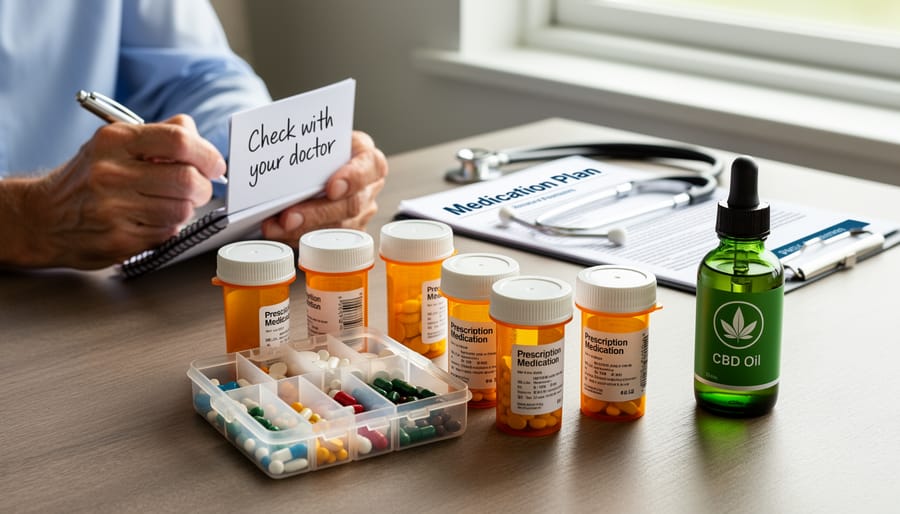
Why Polypharmacy Patients Need Special Consideration for CBD
The Drug Interaction Challenge
When I first learned about CBD’s interaction potential, I’ll admit—I was overwhelmed. The science sounded complicated, but understanding this issue is crucial if you’re taking other medications, and it’s actually simpler than it seems.
Here’s what happens: CBD interacts with your body’s cytochrome P450 enzyme system, a group of liver enzymes responsible for breaking down about 60% of all medications. Think of these enzymes as your liver’s processing team. When CBD enters the picture, it can temporarily slow down this team, meaning other medications stay in your system longer than expected—potentially increasing their effects or side effects.
This matters most for medications with narrow therapeutic windows, where the difference between an effective dose and a harmful one is small. Clinical trials have identified several medication categories that require extra caution when combined with CBD:
Blood thinners like warfarin can become too potent, increasing bleeding risk. Antiepileptic drugs, particularly clobazam, may reach higher-than-intended levels. Heart medications including some beta-blockers and calcium channel blockers may accumulate. Certain antidepressants and anti-anxiety medications can also be affected.
The connection between CBD and liver function becomes especially important for patient safety because these interactions aren’t always immediately obvious. You might not notice anything different right away, but blood tests could reveal medication levels outside the safe range.
Canadian clinical trials addressing polypharmacy specifically monitor these enzyme interactions through regular blood work. Researchers adjust medication doses as needed when participants use CBD, demonstrating that with proper medical oversight, many people can safely use both—but that oversight is essential, not optional.
Who Counts as a Polypharmacy Patient
In the medical community, polypharmacy typically refers to the regular use of five or more medications simultaneously. This threshold isn’t arbitrary—research shows that once someone takes five or more drugs, the risk of adverse interactions and side effects increases significantly.
Here in Canada, polypharmacy is surprisingly common. Conditions like diabetes, cardiovascular disease, arthritis, and mental health disorders often require multiple medications to manage effectively. For instance, someone managing type 2 diabetes might take metformin for blood sugar control, a statin for cholesterol, blood pressure medication, and low-dose aspirin for heart protection—that’s already four medications before addressing any other health concerns.
I’ve spoken with many Canadians who didn’t realize they qualified as polypharmacy patients. One person I met was taking medications for high blood pressure, arthritis pain, anxiety, acid reflux, and a sleep aid. She hadn’t connected the dots that her five-medication routine put her in a category that requires extra caution when considering CBD.
The challenge with CBD clinical trials is that researchers typically exclude polypharmacy patients to minimize variables and potential complications. This creates a significant knowledge gap because the people who might benefit most from CBD’s therapeutic properties—those managing multiple chronic conditions—are precisely the ones with the least clinical evidence supporting its safe use alongside their existing medications. This underrepresentation means we’re left piecing together limited data when these patients need the most comprehensive safety information.
Current State of CBD Clinical Trials in Canada
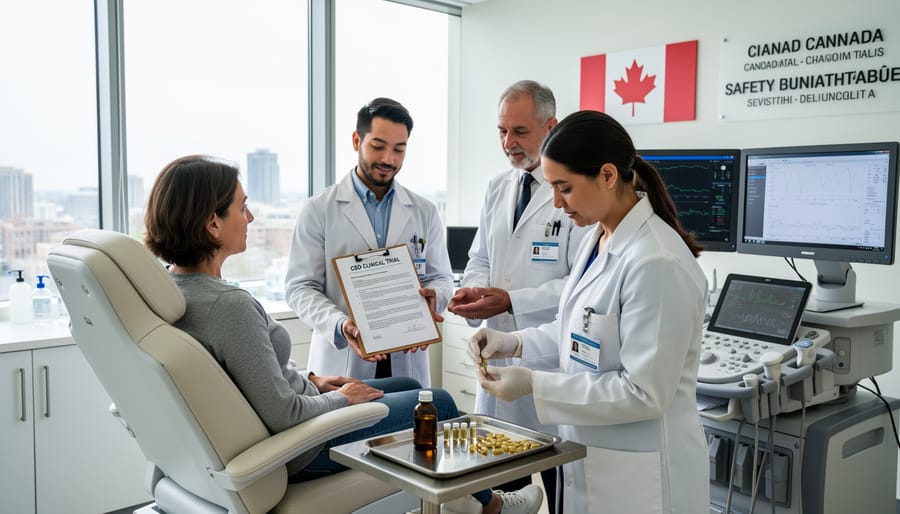
Health Canada’s Clinical Trial Requirements
In Canada, CBD clinical trials require authorization from Health Canada before they can begin enrolling participants. This rigorous process isn’t just red tape—it’s designed to protect people like you, especially if you’re taking multiple medications.
Before researchers can start a CBD trial, they must submit a Clinical Trial Application that includes detailed protocols. These protocols outline exactly what the study will test, who can participate, what doses will be used, and importantly, how the trial will monitor for drug interactions. For polypharmacy patients, this means researchers must explicitly address potential interactions with common medications like blood thinners, antidepressants, or heart medications.
Health Canada reviews these applications to ensure the trial design adequately protects participants. This includes requiring regular blood work to monitor liver function (since CBD can affect how your liver processes other drugs), careful documentation of all medications participants are taking, and clear stopping rules if harmful interactions emerge.
The protocols must also include informed consent documents that explain known and potential risks in plain language. If you’re considering joining a CBD trial while taking multiple medications, you’ll receive detailed information about possible interactions before you decide to participate.
From my conversations with Canadians navigating polypharmacy, this regulatory oversight provides crucial peace of mind. One reader told me she felt comfortable joining a CBD pain trial specifically because Health Canada’s requirements meant researchers were actively monitoring her other medications throughout the study. This systematic approach to safety is what distinguishes clinical research from simply trying CBD on your own.
Notable Canadian CBD Trials Involving Multiple Medications
Canada has been home to several important clinical trials examining CBD use in patients managing multiple medications, though the research landscape is still evolving. Understanding these studies can help you have more informed conversations with your healthcare provider.
One of the most significant Canadian contributions comes from research at the University of Saskatchewan, where scientists studied CBD’s interactions with common medications in epilepsy patients. These individuals were often taking two or more anti-seizure medications alongside CBD, making this a real-world polypharmacy scenario. The findings revealed that CBD could alter blood levels of certain anticonvulsants, particularly clobazam, requiring dosage adjustments in some participants. This study reinforced the importance of therapeutic drug monitoring when combining CBD with other treatments.
Canadian researchers have also contributed to understanding CBD’s role in chronic pain management among patients taking opioids and other pain medications. A study conducted through Health Canada’s Special Access Program examined patients using CBD alongside their existing pain management protocols. While the sample size was smaller than larger international trials, the findings suggested that some participants were able to reduce their opioid consumption, though results varied considerably between individuals.
More recently, Toronto-based research teams have been investigating CBD in patients with anxiety disorders who are already taking antidepressants or anti-anxiety medications. These preliminary studies are exploring whether CBD can serve as an adjunct therapy, though comprehensive results aren’t yet published.
It’s worth noting that many Canadian CBD studies are still in early phases or have limited participant numbers compared to trials for conventional medications. When I speak with readers managing multiple medications, I always emphasize that these studies, while promising, highlight the need for medical supervision rather than suggesting CBD is risk-free in polypharmacy situations. Your doctor can help interpret how these findings might apply to your specific medication combination.
What Clinical Protocols Actually Measure in Polypharmacy Studies
Blood Level Monitoring and Drug Interactions
In Canadian clinical trials, researchers carefully track both CBD concentrations and existing medication levels in participants’ blood to identify potential interactions before they become problematic. This monitoring typically involves regular blood draws at specific intervals—often before starting CBD, then at weeks 1, 2, 4, and 8, though schedules vary by study design.
What are researchers watching for? Primarily, they’re checking whether CBD affects how your body processes other medications. If your blood levels of a prescription drug suddenly increase while taking CBD, that’s a red flag indicating your liver might be metabolizing the medication more slowly. This is especially relevant for medications with narrow therapeutic windows, where small changes can matter significantly. The liver monitoring protocols used in these trials often include liver enzyme tests to ensure CBD isn’t causing stress to this vital organ.
Conversely, if medication levels drop unexpectedly, CBD might be speeding up metabolism or affecting absorption. Researchers also monitor for side effects that might signal interactions—increased drowsiness, dizziness, or changes in blood pressure can all indicate that medications are interacting with CBD in your system.
From my conversations with trial participants, I’ve learned that this level of monitoring provides invaluable peace of mind. One woman told me, “Knowing my doctors were tracking everything made me feel safe exploring CBD alongside my medications.” This careful surveillance allows researchers to establish safe dosing guidelines that Canadian physicians can eventually use when advising patients taking multiple medications.
Adverse Event Tracking Systems
Clinical trials use sophisticated tracking systems to monitor every health change participants experience, no matter how minor it might seem. This systematic approach creates a comprehensive safety profile that’s far more reliable than casual user reports online.
Researchers distinguish between two categories. Adverse events include any unwanted symptom during the trial—headaches, drowsiness, dry mouth—whether or not it’s actually caused by CBD. These are recorded but don’t necessarily indicate danger. Serious adverse events are a different story: hospitalizations, life-threatening reactions, permanent disability, or death. These trigger immediate investigation and regulatory reporting.
For anyone taking multiple medications, this distinction matters. If clinical trials report that 15% of participants experienced mild dizziness (an adverse event), that’s valuable context. But if serious adverse events related to CBD are extremely rare, that’s equally important information. Many trials specifically monitor liver enzyme levels and medication blood concentrations since these are known interaction points.
What does this mean for your real-world use? Clinical trial data gives you a realistic expectation of what side effects might occur and how serious they could be. When I first started researching CBD’s safety profile, I found comfort in seeing how thoroughly researchers track these details. If you’re considering CBD alongside other medications, this tracking methodology is exactly why consulting your doctor matters—they can apply this clinical understanding to your specific situation, watching for the same markers researchers monitor in controlled settings.
Dose Escalation Protocols
When researchers design clinical trials involving CBD and other medications, they follow what’s called a dose escalation protocol—essentially a “start low, go slow” approach. This isn’t just excessive caution; it’s a methodical way to identify the safest effective dose while watching for interactions.
Here’s how it typically works: participants begin with a minimal CBD dose, sometimes as low as 5-10mg daily. Researchers monitor them closely for a specific period (often one to two weeks) before increasing the dose incrementally. Throughout this process, they’re measuring blood levels of both CBD and the person’s other medications, watching for any signs that CBD might be affecting how those drugs are metabolized.
Why does this matter so much? CBD can interact with the same liver enzymes (particularly CYP450) that process many common medications—everything from blood thinners to antidepressants. By increasing doses gradually, researchers can catch potential problems before they become serious. If someone’s medication levels start rising unexpectedly, they can pause the escalation or adjust accordingly.
For Canadians considering CBD alongside their prescriptions, this clinical approach offers valuable guidance. Rather than jumping to the 50mg dose your friend swears by, consider starting with 5-10mg daily and increasing gradually every week or two. Keep your healthcare provider informed throughout this process—they can monitor your existing medication levels and watch for unexpected changes. This patience might feel frustrating, but it’s the same evidence-based strategy that keeps clinical trial participants safe, translated into practical everyday use.
Key Findings from Clinical Trials: What We Know About CBD Safety in Polypharmacy
CBD with Cardiovascular Medications
If you’re taking cardiovascular medications, understanding how CBD might interact with your prescriptions is particularly important. Clinical trials have revealed both potential risks and some reassuring findings about CBD’s effects on heart-related treatments.
Research shows CBD can affect how your body processes certain blood pressure medications. A 2020 study published in the Journal of Clinical Medicine found that CBD may enhance the effects of some antihypertensive drugs, potentially lowering blood pressure more than intended. This interaction happens because CBD affects liver enzymes responsible for metabolizing these medications. For Canadians managing hypertension, this means careful monitoring is essential if you’re considering CBD.
The interaction with anticoagulants like warfarin has received significant attention in clinical settings. Case reports and small trials indicate CBD can increase warfarin levels in your bloodstream, raising bleeding risks. If you’re on blood thinners, your healthcare provider may need to adjust dosages and monitor your INR levels more frequently.
However, not all findings are concerning. Some clinical evidence suggests CBD at lower doses may have minimal impact on certain cardiovascular medications when properly managed. A 2021 systematic review noted that with medical supervision and dose adjustments, some patients successfully incorporated CBD into their treatment plans.
The key takeaway from these clinical trials is that cardiovascular medication users shouldn’t avoid CBD entirely, but they absolutely need medical oversight. Canadian cardiologists and pharmacists are increasingly familiar with these interactions and can help you navigate potential risks while monitoring your response to ensure both your heart medications and CBD work safely together.
CBD with Pain and Anti-Inflammatory Medications
For many Canadians managing chronic pain, combining CBD with existing pain medications is a reality worth examining through clinical evidence. Several trials have explored these combinations, though the research is still developing.
When it comes to NSAIDs like ibuprofen or naproxen, early clinical data suggests potential synergistic effects. A 2021 study published in the Journal of Pain Research found that patients using CBD alongside standard NSAIDs reported improved pain management compared to NSAIDs alone, with some participants able to reduce their NSAID dosage over time. This matters because long-term NSAID use carries cardiovascular and gastrointestinal risks that many Canadians want to minimize.
The opioid interaction picture is more complex and requires careful medical oversight. Clinical trials examining CBD’s role in opioid reduction have shown promising but preliminary results. A notable 2019 trial found that CBD helped reduce cravings and anxiety in individuals with opioid use disorder, suggesting potential as part of a tapering strategy. However, CBD can affect how your liver processes certain opioids, potentially altering their effectiveness or side effects.
I’ve spoken with several Canadians who’ve worked with their doctors to integrate CBD while managing chronic pain conditions. What stands out is that successful combinations weren’t DIY experiments—they involved careful monitoring and dose adjustments under medical supervision.
The anti-inflammatory properties of CBD may complement traditional pain medications, but Health Canada emphasizes that anyone taking prescription pain relievers should consult their healthcare provider before adding CBD. Blood level monitoring may be necessary to ensure therapeutic ranges remain appropriate.
CBD with Psychiatric Medications
Clinical trials examining CBD alongside psychiatric medications have revealed a complex picture that requires careful consideration. Several studies have documented how CBD can influence the metabolism of common mental health medications through interactions with liver enzymes, particularly the cytochrome P450 system.
Research published in epilepsy trials—where participants often take multiple medications—found that CBD can increase blood levels of certain antidepressants and benzodiazepines. A 2019 study showed CBD raised levels of clobazam (an anti-anxiety medication) by affecting how the liver processes it. While this interaction was manageable with dose adjustments, it highlights why monitoring is essential.
For antipsychotics, the picture gets more interesting. Some clinical trials suggest CBD might actually complement these medications rather than interfere. A small 2018 Australian trial found that CBD added to antipsychotic treatment showed promise for schizophrenia symptoms, though researchers emphasized the preliminary nature of these findings.
Here in Canada, I’ve spoken with several readers who work closely with psychiatrists while exploring CBD. One shared how her doctor adjusted her SSRI dose after starting CBD, based on blood work showing elevated medication levels. This kind of medical supervision is exactly what the clinical evidence supports.
The takeaway from these trials isn’t that CBD and psychiatric medications can’t mix—it’s that they require professional oversight. Health Canada doesn’t currently regulate CBD as a psychiatric treatment, which means your doctor needs to rely on emerging clinical trial data to make informed decisions. If you’re taking antidepressants, anti-anxiety medications, or antipsychotics, discussing CBD with your prescribing physician before starting is not just recommended—it’s necessary for your safety.
Gaps in Current Research: What Clinical Trials Haven’t Yet Answered
Here’s the truth: if you’re taking multiple medications and considering CBD, you’re venturing into territory where clinical trials have barely scratched the surface. While we have some solid data on CBD interacting with specific medications like clobazam or warfarin, the vast majority of drug combinations remain unstudied in formal trials.
The research gaps are significant. Most clinical trials exclude patients taking multiple medications—the very people who need this information most. This isn’t because researchers don’t care; it’s about safety protocols and the complexity of isolating variables. When you’re studying CBD’s effects on someone taking five different medications, how do you determine which interactions matter and which don’t?
I’ve spoken with several Canadians managing chronic conditions who feel stuck between wanting CBD’s potential benefits and lacking clear guidance about their specific medication cocktails. One woman managing diabetes, hypertension, and arthritis told me she felt like she was “flying blind” because no studies examined her exact combination of metformin, lisinopril, and naproxen with CBD.
Here’s what we’re still missing: long-term data on CBD use with polypharmacy patients, standardized dosing protocols for those taking enzyme-inhibiting medications, and studies on CBD’s interaction with newer prescription drugs that weren’t available when earlier trials began. We also lack Canadian-specific research reflecting our healthcare system’s prescribing patterns.
What does this mean for you? It reinforces why physician consultation isn’t just recommended—it’s essential. Your doctor knows your complete medication profile and can monitor for interactions that haven’t been formally studied. While the research catches up, your healthcare provider becomes your personalized clinical trial of one, carefully observing how your body responds.
Applying Clinical Trial Protocols to Your Own CBD Use

Having the Conversation with Your Healthcare Provider
Approaching your healthcare provider about CBD when you’re taking multiple medications doesn’t have to feel intimidating. Think of it as building a partnership where you’re both working toward your health goals. I remember when I first started these conversations—having the right preparation made all the difference.
Before your appointment, gather all relevant information: a complete list of your current medications (including over-the-counter products and supplements), dosages, and timing. Document why you’re interested in CBD, whether it’s for sleep, pain management, or another specific concern. If you’ve already researched products, bring that information too, including proposed dosages and administration methods.
In Canada, you have several pathways to access medical cannabis, including CBD. Your family doctor can provide guidance, though not all physicians feel comfortable discussing cannabis therapeutics yet. If your doctor isn’t knowledgeable about CBD, ask for a referral to a healthcare provider experienced in medical cannabis, or consider consulting with a pharmacist who has specialized training in this area.
Questions to ask include: “Are there any known interactions between CBD and my current medications?” “Should we monitor anything specific if I start using CBD?” “What starting dose would you recommend given my medication profile?” and “How long should we wait before assessing whether it’s helping?”
Remember, your healthcare provider might not have all the answers—CBD research is still evolving. What matters is establishing open communication so they can monitor you appropriately and adjust medications if needed. Bring notes from your conversation home, and keep your provider updated on your experience.
Self-Monitoring Strategies Borrowed from Clinical Trials
When I started tracking my own CBD use alongside my regular medications, I borrowed techniques from the clinical trials I’d been reading about. Research teams use structured monitoring protocols for a reason—they catch problems early and identify patterns that might otherwise go unnoticed.
Start by keeping a simple daily log. Record your CBD dose, timing, and the medications you’re taking. Clinical trials typically document symptoms at set intervals, so choose consistent times—perhaps morning and evening—to note how you’re feeling. Pay particular attention to any changes in how your regular medications seem to be working. Are they more or less effective than usual?
Watch for warning signs that warrant immediate medical attention: unusual bruising or bleeding (especially if you take blood thinners), sudden drowsiness or confusion, yellowing of skin or eyes, dark urine, severe stomach pain, or unexpected changes in heart rate. These could indicate serious interactions.
Researchers following clinical liver safety protocols also monitor side effects systematically. Track gastrointestinal issues, changes in sleep patterns, appetite shifts, or mood variations. Even minor changes become significant when they persist beyond a few days.
Share your log with your healthcare provider regularly—ideally within the first month, then quarterly. This mirrors the check-in schedule many Canadian clinical trials use. Your doctor can compare your observations against objective measures like blood work to ensure CBD remains safe alongside your medication regimen.

Starting Low and Going Slow: The Clinical Trial Approach to Dosing
Clinical researchers follow something called dose escalation protocols—essentially a methodical approach that starts with tiny amounts and gradually increases until the desired effect appears. If you’re taking multiple medications, borrowing this strategy just makes sense.
Most clinical trials investigating CBD in patients with existing health conditions begin with surprisingly low doses: typically 2.5 to 5 mg once or twice daily. Here’s where I need to share something from my own experience—when I first tried CBD while managing a few prescriptions, I assumed I’d need the “standard” 25 mg dose everyone seemed to talk about. Starting at just 5 mg felt almost pointless, but that cautious approach helped me notice how my body responded without overwhelming my system.
The clinical trial approach follows a simple pattern: start low, wait a full week at that dose, then increase by small increments—usually 2.5 to 5 mg—only if needed and well-tolerated. This waiting period matters because CBD can take several days to reach steady levels in your body, especially when your system is already processing multiple medications.
For polypharmacy patients specifically, clinical protocols often extend this observation window to two weeks between dose adjustments. This longer timeline allows you and your healthcare provider to distinguish between CBD effects and your existing medication routine.
Think of it like adjusting a recipe—you wouldn’t dump in all the seasoning at once without tasting along the way. The same patience applies here, particularly when medication interactions are a concern.
Finding Reliable CBD Products That Meet Clinical Standards in Canada
When clinical trials test CBD, researchers use pharmaceutical-grade products with verified cannabinoid content and minimal contaminants. Finding similar quality in Canada’s consumer market requires knowing what to look for.
Health Canada licenses all legal CBD products sold in Canada, but licensing alone doesn’t guarantee clinical-grade quality. Licensed producers must meet baseline safety standards, yet cannabinoid concentrations can still vary between batches. When I first started researching CBD products, I was surprised to learn that the label doesn’t always tell the whole story—even with licensed products.
Start by looking for products that include batch-specific certificates of analysis (COAs) from independent, accredited laboratories. These documents should confirm the CBD and THC content matches what’s on the label, typically within a 10-15% margin. The COA should also verify the absence of heavy metals, pesticides, residual solvents, and microbial contamination—the same purity checks required in clinical research.
Canadian licensed producers are required to follow Good Production Practices, similar to pharmaceutical manufacturing standards. Products made under these conditions more closely mirror what’s used in clinical trials. Ask retailers or manufacturers directly about their quality control processes and whether they can provide batch-specific testing results.
Transparency matters significantly. Reputable producers readily share their testing data and provide detailed product information beyond basic label requirements. If a company hesitates to provide COAs or manufacturing details, that’s a red flag.
For individuals taking multiple medications, consistency between doses becomes especially important. Single-source products from established licensed producers tend to offer more reliable batch-to-batch consistency than products that blend CBD from multiple suppliers.
Remember that even the highest-quality CBD product doesn’t replace medical supervision. While finding clinical-grade products helps ensure you’re using what research has actually studied, your healthcare provider still needs to assess how CBD fits with your specific medication regimen. Quality products combined with professional guidance create the safest foundation for incorporating CBD into a polypharmacy context.
If you’re managing multiple medications and considering adding CBD to your routine, the clinical trial evidence makes one thing clear: proceed with caution and medical guidance. While research into CBD’s potential benefits continues to evolve, the studies we’ve explored show that interactions with other medications are real, measurable, and sometimes significant. For polypharmacy patients in Canada, this isn’t about discouraging CBD use altogether—it’s about approaching it intelligently.
The clinical trials consistently point to the same conclusion: CBD affects how your body processes many common medications, particularly through the cytochrome P450 system. This means that what works safely for someone taking one or two medications might create complications when you’re managing five, six, or more prescriptions. The good news? With proper medical oversight, many patients can safely explore CBD as part of their health strategy.
I’ve spoken with countless Canadians juggling complex medication regimens who feel frustrated by the lack of straightforward answers about CBD. I understand that frustration completely. You’re looking for evidence-based solutions, not vague warnings or overhyped promises. That’s why I encourage you to take this research to your healthcare provider. Share the clinical trial findings, discuss your specific medications, and work together to determine whether CBD makes sense for your situation—and if so, what monitoring might be necessary.
Your health deserves informed decisions backed by science, not guesswork. Trust the process, advocate for yourself, and remember that caution today protects your wellbeing tomorrow.