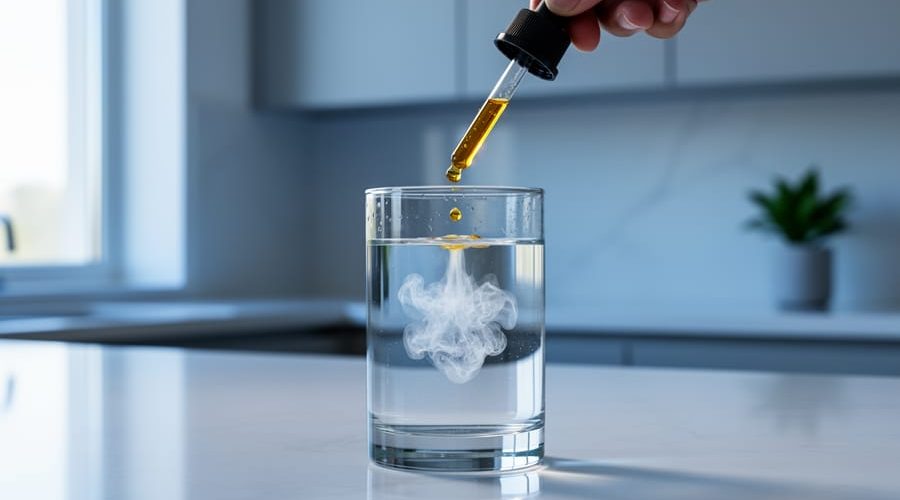
You’ve likely noticed CBD oil separating in your water bottle or sitting uncomfortably in your stomach. That’s because traditional CBD is fat-soluble, meaning it doesn’t mix with water—and since your body is roughly 60% water, absorption becomes a real challenge.
Water-soluble CBD changes this equation entirely through nanoemulsion technology, which breaks CBD particles down to microscopic sizes that blend seamlessly with water-based liquids. This isn’t just a marketing gimmick. When I first tried a water-soluble CBD tincture after years of using regular oils, the difference in onset time was immediately noticeable—effects appeared within 15-20 minutes rather than the usual hour-plus wait.
The science behind this technology addresses a fundamental problem: your body can only absorb 6-12% of the CBD from traditional oils. Water-soluble formulations boost this bioavailability significantly, meaning you need less product to achieve the same effects. For Canadian consumers navigating our legal CBD market, this translates to better value and more predictable experiences.
Understanding whether water-soluble CBD suits your needs requires looking beyond the buzz. This technology offers genuine advantages for specific situations—faster relief, easier dosing, better mixing in beverages—but it’s not automatically superior for everyone. The higher price point and different formulation methods mean you’ll want to weigh the benefits against your particular wellness goals and budget.
Let’s break down exactly how nanoemulsion works, what benefits you’ll actually experience, and whether this innovation deserves a place in your CBD routine.
Why Regular CBD Oil Doesn’t Play Nice With Your Body
Here’s something I wish someone had told me when I first started using CBD oil: your body isn’t exactly designed to absorb it efficiently. And it all comes down to a simple chemistry lesson you might remember from school—oil and water don’t mix.
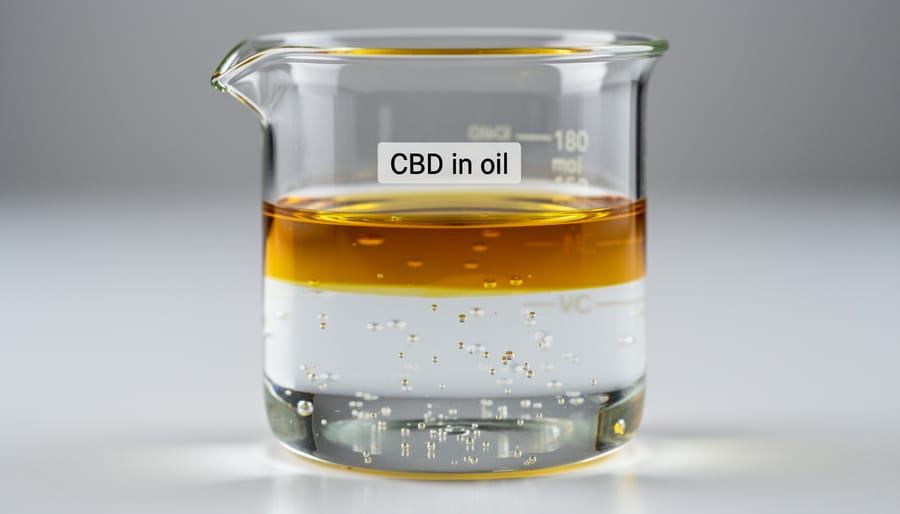
Our bodies are approximately 60% water. Our digestive system? Also water-based. Regular CBD oil, on the other hand, is fat-soluble, meaning it dissolves in fat, not water. When you take a traditional CBD tincture, you’re essentially asking your watery digestive system to absorb something that naturally repels water. It’s like trying to blend olive oil into a glass of water—they just don’t want to cooperate.
This incompatibility creates what experts call a bioavailability problem. Bioavailability simply refers to how much of a substance actually enters your bloodstream and becomes available for your body to use. With regular CBD oil, the bioavailability is surprisingly low—typically around 6-20% when taken orally. That means if you take a 30mg dose of traditional CBD oil, your body might only absorb and utilize somewhere between 2-6mg. The rest? It gets broken down and eliminated before it can do its job.
I remember calculating how much money I was essentially flushing down the drain with my regular CBD routine, and it was honestly frustrating. You’re paying for the full bottle, but only benefiting from a fraction of what you’re consuming.
This absorption challenge also explains why people often need to take larger doses of traditional CBD oil to feel effects, and why those effects can take 45 minutes to 2 hours to kick in. Your body is working overtime trying to process something it’s not naturally equipped to handle efficiently. Understanding this limitation is the first step toward appreciating why water-soluble alternatives have gained so much attention in Canada’s CBD market.
What Makes CBD ‘Water-Soluble’ (Breaking Down the Tech)
The Nanoemulsion Process Explained Simply
Creating water-soluble CBD isn’t as complicated as it sounds, though it does involve some clever science. Here’s how manufacturers transform regular CBD oil into a form your body can actually use efficiently.
The process starts with high-quality CBD extract, typically derived from hemp. Since CBD is naturally oil-based and doesn’t mix with water (think of how oil floats on top of your coffee), manufacturers need to change its structure.
This is where nanoemulsion technology comes in. Using specialized equipment, they break down CBD oil molecules into incredibly tiny particles – we’re talking microscopic here, measured in nanometers. To put that in perspective, these particles are thousands of times smaller than a grain of sand.
But making particles small isn’t enough on its own. The next step involves coating these tiny CBD particles with a surfactant, which acts like a protective bubble. Think of it as giving each CBD particle a water-friendly jacket. This coating allows the oil-based CBD to stay suspended in water without separating.
The result is a stable liquid where CBD particles remain evenly distributed throughout the water base. When I first learned about this process, I was surprised by how simple the concept is, even though the execution requires precision equipment.
Canadian manufacturers producing water-soluble CBD must follow strict quality control measures throughout this process, ensuring consistent particle size and stability. This attention to detail directly affects how well the product works when you use it.
What ‘Nano’ Actually Means for Your Body
Think of nano CBD like the difference between trying to dissolve a sugar cube versus powdered sugar in water. The smaller the particles, the easier they mix and absorb.
Regular CBD oil contains particles around 2,000 nanometers in size. Nano CBD breaks those particles down to less than 100 nanometers—that’s incredibly tiny, smaller than most viruses. To put it in perspective, if a nanometer were a marble, a meter would be the size of Earth.
When I first learned about this, I was skeptical about whether such a small size difference really mattered. But here’s the thing: your digestive system has a much easier time absorbing smaller particles. They can pass through your intestinal walls more efficiently and enter your bloodstream faster.
This is why water-soluble CBD often kicks in within 15-30 minutes, compared to the 1-2 hours typical with regular CBD oil. The nano-sized particles don’t need to go through as much breakdown in your liver first. They’re already small enough for your body to use them almost immediately, which also means you might need less product to achieve the same effects.
The Real Benefits You’ll Actually Notice
Faster Onset: From 60 Minutes to 15
One of the most noticeable differences with water-soluble CBD is how quickly you feel the effects. Traditional CBD oil typically takes 45 to 60 minutes to kick in because your body needs time to break down the oil molecules. With water-soluble formulations using nanoemulsion technology, many users report feeling effects in as little as 15 to 20 minutes.
Here’s why: those tiny nanoparticles we mentioned earlier don’t need the same digestive process. They’re already small enough to pass through your digestive system and into your bloodstream much more efficiently. Think of it like sugar dissolving in your coffee versus trying to dissolve a whole sugar cube—the smaller particles simply work faster.
I remember the first time I tried a water-soluble CBD tincture after years of using regular oils. I was genuinely surprised when I noticed the calming sensation within about 20 minutes. It wasn’t a dramatic difference in effect, but the timing was noticeably quicker.
For Canadians using CBD for situational needs—like managing pre-meeting anxiety or post-workout discomfort—this faster onset can make water-soluble products particularly practical. You can time your dose more precisely rather than planning an hour ahead.
Better Bioavailability Means Less Waste
Here’s where things get really interesting from a value perspective. Traditional CBD oil has a bioavailability rate of around 6-20%, meaning your body only absorbs a small fraction of what you consume. The rest? It’s essentially wasted as it passes through your digestive system.
Water-soluble CBD, thanks to nanoemulsion technology, can achieve bioavailability rates of 80-90% or higher. This dramatic difference means you need significantly less product to achieve the same effects.
Let me put this in practical terms. If you typically take 25mg of regular CBD oil, you might only need 10-15mg of water-soluble CBD to experience similar results. That smaller dose requirement means your bottle lasts considerably longer, which translates directly to cost savings over time.
I’ve noticed this in my own routine. While water-soluble products sometimes carry a slightly higher upfront price tag, I’m actually spending less overall because I’m using smaller amounts per serving. It’s one of those situations where the initial investment pays off through efficiency. You’re getting more of what you’re paying for into your system rather than, well, flushing your money down the toilet.
More Predictable Effects
One of the most frustrating things I’ve heard from friends trying CBD for the first time is that they never quite know what to expect. With traditional CBD oil, the effects can vary significantly from day to day, even when taking the same dose. This inconsistency often comes down to how much CBD actually gets absorbed, which depends on factors like what you’ve eaten, your metabolism at that moment, and even your stress levels.
Water-soluble CBD changes this game entirely. Because nanoemulsion technology ensures consistently high absorption rates, you’re more likely to experience similar effects each time you take the same dose. This predictability makes it so much easier to find your ideal amount and stick with it. Instead of wondering whether you need to take more or less, you can build confidence in your routine and better understand how CBD works for your body specifically.
How to Use Water-Soluble CBD Products
Starting Doses for Water-Soluble Formulations
Because water-soluble CBD absorbs more efficiently than traditional oil-based products, you’ll typically need a lower dose to achieve the same effects. This is actually great news for your wallet and makes dosing more predictable.
If you’re new to CBD entirely, I recommend starting with 5-10 mg of water-soluble CBD and observing how you feel over the next few hours. For context, that’s roughly half of what many people start with when using regular CBD oil. When I first tried a water-soluble formula after years of using traditional tinctures, I made the mistake of taking my usual 20 mg dose and found the effects noticeably stronger than expected.
For those transitioning from regular CBD oil, a good rule of thumb is to start with about 50-60% of your current dose. So if you typically take 20 mg of CBD oil, begin with around 10-12 mg of the water-soluble version. You can always increase gradually if needed, but it’s harder to dial back if you’ve taken too much.
Give each dose at least 2-3 days of consistent use before adjusting, as CBD works best with regular intake. Keep a simple journal noting your dose and effects to help identify your ideal amount.
Mixing and Storage Tips
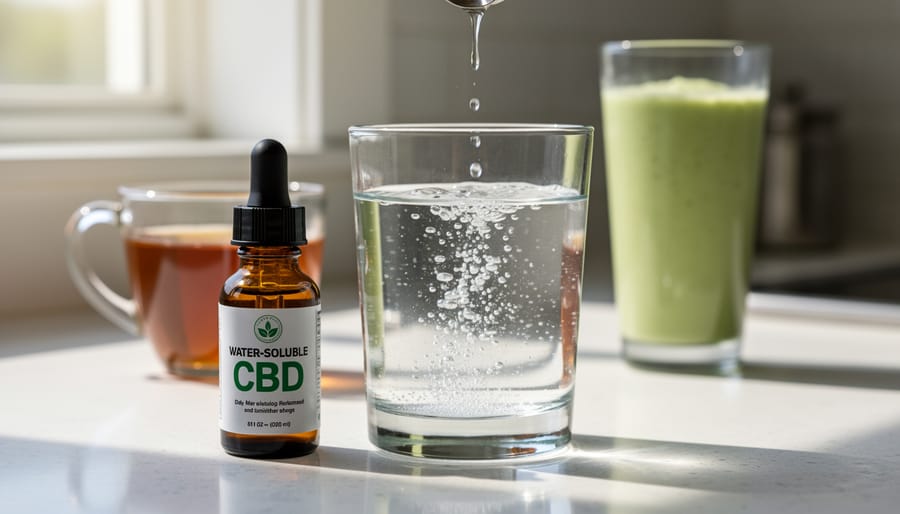
Water-soluble CBD mixes beautifully into almost any beverage without leaving that oily film you get with regular CBD oil. I love adding it to my morning coffee or smoothies—just stir it in and you’re good to go. You can also mix it into juice, tea, or even plain water. For foods, it works well in yogurt, oatmeal, or salad dressings, though it’s best added to cold or room-temperature items rather than heated dishes, as high heat may reduce effectiveness.
Storage is straightforward but important. Keep your water-soluble CBD in a cool, dark place away from direct sunlight—a kitchen cupboard works perfectly. Once opened, most products stay fresh for several months, but always check the expiration date on your specific product. I keep mine in the fridge during summer months to maintain potency. Shake the bottle before each use, as some settling can occur. Because water-soluble CBD is already designed for quick absorption, you don’t need to hold it under your tongue like traditional oils—just mix and enjoy.
What to Look for When Shopping in Canada
Shopping for water-soluble CBD in Canada requires a bit of know-how, but once you understand what to look for, it becomes much easier to find quality products. Here’s what I’ve learned through my own research and conversations with industry experts.
First and foremost, only purchase from licensed retailers. In Canada, CBD products must come from federally licensed producers operating under Health Canada’s regulations. You can verify a company’s license status on Health Canada’s website. This is non-negotiable – licensed retailers ensure you’re getting legal, regulated products rather than something from the grey market.
When examining labels, look for clear information about CBD content measured in milligrams per serving and total milligrams per container. Quality water-soluble CBD products should specify that they use nanoemulsion or liposomal technology. The label should also list all ingredients, ideally with recognizable names rather than a long list of chemicals you can’t pronounce.
Third-party lab testing is absolutely essential. Reputable brands will provide certificates of analysis (COAs) that verify the product contains the stated amount of CBD and is free from contaminants like pesticides, heavy metals, and residual solvents. These COAs should be recent and easily accessible, either on the product packaging via QR code or on the company’s website. Don’t be shy about requesting these – any legitimate company will happily provide them.
I always check whether products are full-spectrum, broad-spectrum, or isolate-based. Each has different benefits, and understanding which type suits your needs helps narrow down choices.
Price can be an indicator of quality, but the most expensive option isn’t always the best. Compare the cost per milligram of CBD across different brands to find good value. Water-soluble CBD typically costs slightly more than regular CBD oil due to the additional processing, but the enhanced bioavailability often means you need less product overall.
Finally, look for brands that provide clear usage instructions and educational resources. Companies invested in customer education tend to produce higher-quality products and offer better customer support if you have questions.
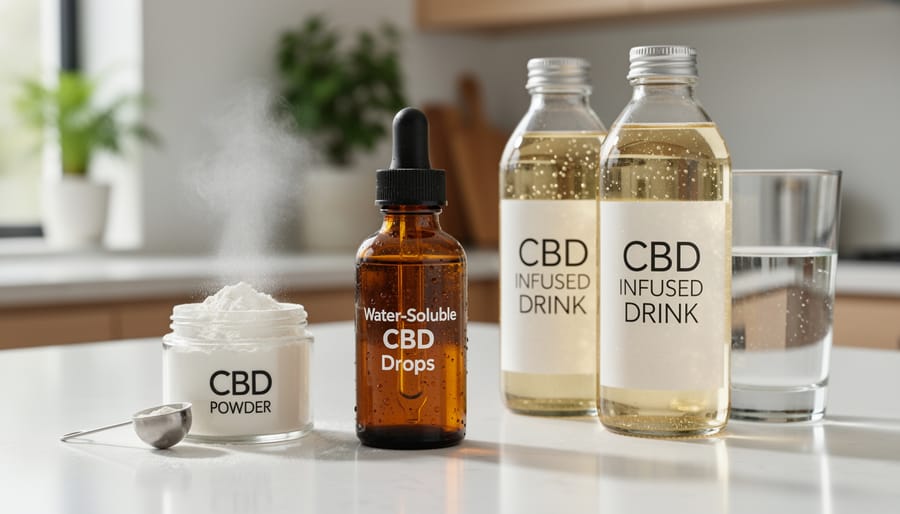
Is Water-Soluble CBD Worth the Extra Cost?
Let’s be honest: water-soluble CBD typically costs 20-40% more than traditional CBD oil. So is it actually worth it?
The answer really depends on your specific situation and priorities. I’ve found that for some people, the extra cost pays off immediately, while others are perfectly happy sticking with regular CBD oil.
Water-soluble CBD makes the most sense if you value fast-acting relief. If you’re using CBD for acute situations like sudden anxiety or post-workout discomfort, the quicker onset time (15-30 minutes versus 45-90 minutes) can genuinely make a difference in your day. You’re essentially paying for convenience and speed.
It’s also worth the investment if bioavailability matters to you. Since you may need a smaller dose to achieve the same effects, the higher upfront cost can balance out over time. For example, if you need 50mg of traditional CBD but only 25mg of water-soluble CBD for the same result, a bottle might last you twice as long.
I think water-soluble CBD particularly shines for people who struggle with the oily texture of traditional tinctures or who want to add CBD to their beverages. If you’ve been avoiding CBD because you dislike the taste and feel of oil under your tongue, the water-soluble version might be the game-changer that helps you stay consistent.
However, if you’re on a tight budget and traditional CBD oil works well for you, there’s absolutely no shame in sticking with what you know. The standard oils are still effective, they’re just absorbed differently. Many Canadians I’ve spoken with use traditional oils for their daily maintenance dose and keep water-soluble products on hand for when they need faster relief.
Water-soluble CBD represents an exciting advancement in how we can experience cannabinoid wellness. By transforming CBD into nano-sized particles that mix seamlessly with water, this technology offers faster absorption, more consistent effects, and greater versatility than traditional oils. It’s particularly beneficial for those who struggle with the taste or texture of regular CBD oil, anyone seeking quicker relief, or people who want to incorporate CBD into their beverages and recipes without separation issues.
That said, it’s not necessarily superior to traditional CBD for everyone. Your ideal format depends on your personal preferences, wellness goals, and how your body responds. Some people love the convenience and speed of water-soluble options, while others prefer the ritual and familiarity of sublingual oils.
As you explore water-soluble CBD in Canada, remember that quality matters significantly. Look for products with third-party lab testing, clear labelling, and reputable manufacturers. Start with lower doses and give yourself time to notice how your body responds.
I encourage you to approach this journey with curiosity and patience. CBD affects everyone differently, and finding what works best for you might require some experimentation. Trust your experience, listen to your body, and don’t hesitate to adjust your approach as needed. Your wellness journey is uniquely yours, and the right CBD format is the one that fits seamlessly into your life and supports your individual needs.