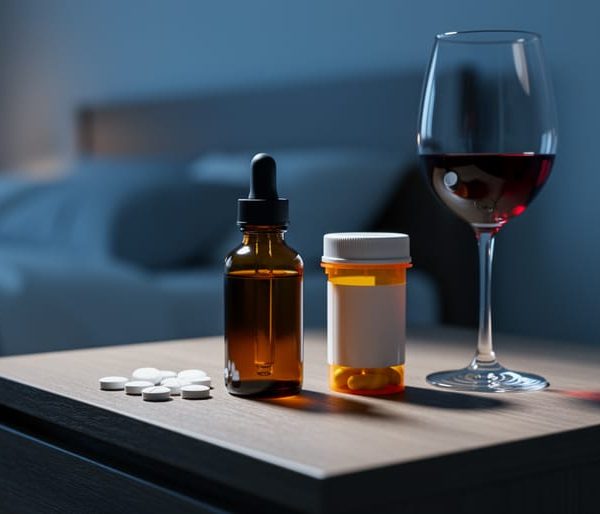
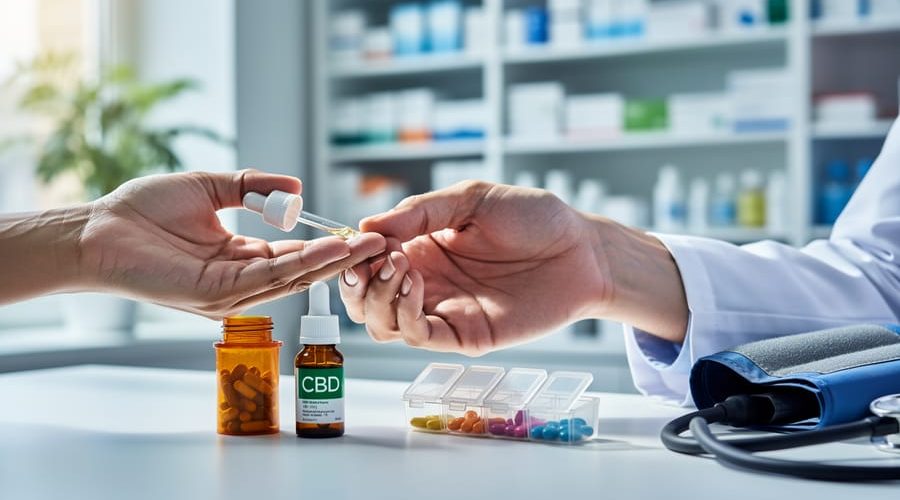
Check your medication list before adding CBD to your routine. If you’re taking warfarin, digoxin, phenytoin, lithium, or theophylline, you need to understand that these drugs have a razor-thin margin between effective and dangerous doses. CBD can alter how your body processes these medications, potentially pushing levels too high or too low without you realizing it until serious symptoms appear.
Talk to your pharmacist or doctor before your first CBD dose if you take any narrow therapeutic index medication. Bring the specific CBD product you plan to use, including its THC content and dosage information. Your healthcare provider may need to monitor your blood levels more frequently during the first few weeks, adjust your medication dosage, or recommend against CBD use entirely depending on your situation.
Watch for warning signs that indicate your medication levels have shifted. Unusual bleeding or bruising with blood thinners, irregular heartbeat with cardiac medications, increased seizures with anti-epileptics, or signs of toxicity like confusion, tremors, or nausea all require immediate medical attention. These symptoms can develop gradually, making them easy to dismiss until they become serious.
The challenge with narrow therapeutic index medications is that the dose that helps you and the dose that harms you sit dangerously close together. In Canada, where CBD products are legal and increasingly popular, many people assume natural means safe. I’ve heard from readers who started CBD for anxiety or pain relief while taking these critical medications, unaware they were creating a potentially life-threatening interaction. The biochemistry is complex, but the practical advice is straightforward: these particular medications demand extra caution, professional guidance, and vigilant monitoring when combined with CBD.
What Makes a Medication ‘Narrow Therapeutic Index’?

The Goldilocks Zone: Understanding Therapeutic Windows
Think of medications like Goldilocks and her porridge. Most drugs have a comfortable range where they work well without causing problems. Too little, and you don’t get the benefit. Too much, and you might experience side effects. But there’s usually a nice, wide “just right” zone in the middle.
Medications with a narrow therapeutic index are different. Their “just right” zone is incredibly small, more like balancing on a tightrope than lounging in a comfortable chair. The difference between a dose that’s effective and one that’s dangerous might be surprisingly tiny, sometimes just a matter of milligrams.
Here’s a real-world comparison I use when explaining this to friends: imagine your car’s gas pedal and brake were only millimeters apart. One small movement in the wrong direction could have serious consequences. That’s what healthcare providers face when prescribing narrow therapeutic index medications.
When you introduce CBD into this delicate balance, it can shift where that narrow zone sits in your body. CBD can affect how quickly your liver processes certain medications, potentially pushing levels from “therapeutic” into “toxic” territory without you changing your prescription dose at all. This is why these particular medications require such careful monitoring.
Why Your Doctor Monitors These Medications So Closely
If you’re taking a medication with a narrow therapeutic index, you’ve probably noticed how often your doctor orders blood tests. This isn’t just extra caution—it’s essential. These regular blood draws measure the exact concentration of medication in your bloodstream to ensure you’re staying within that small safe zone between “not enough” and “too much.”
For medications like warfarin, you might need monitoring weekly at first, then monthly once stabilized. Lithium typically requires blood tests every few months, while certain anti-seizure medications need checking whenever dosages change or if you’re experiencing new symptoms.
Your healthcare team is watching for subtle shifts that could signal trouble before you feel any symptoms. Changes in diet, other medications (including CBD), stress levels, or even minor illnesses can push these medications outside their safe range quickly.
This is exactly why I always emphasize being upfront with your doctor if you’re considering CBD alongside these medications. In Canada, your pharmacist is also an incredible resource—they can coordinate with your doctor to adjust monitoring schedules if needed. Think of these blood tests as your safety net, catching potential problems while they’re still easily manageable rather than waiting for warning signs to appear.
How CBD Affects Your Body’s Medication Processing
The Grapefruit Juice Connection
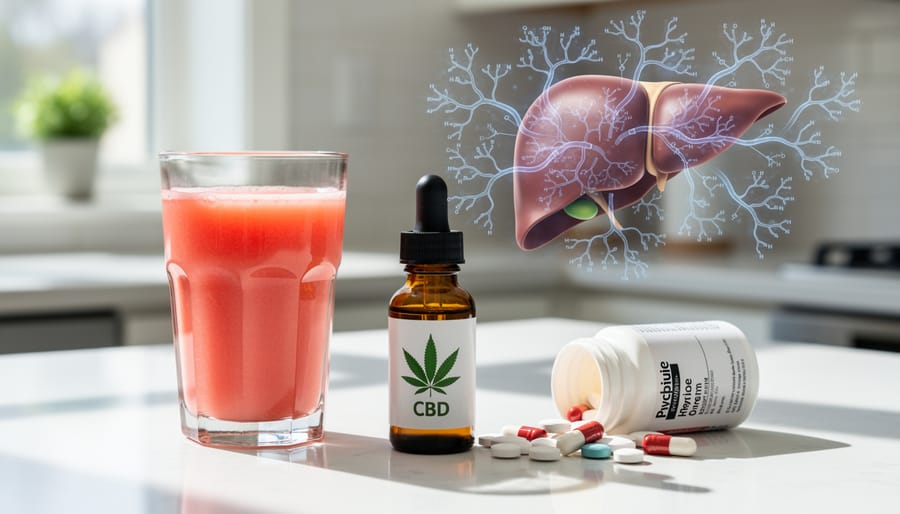
You’ve probably heard that you shouldn’t drink grapefruit juice with certain medications, right? This is actually a perfect comparison for understanding how CBD can interact with your prescriptions. Both grapefruit juice and CBD affect the same group of enzymes in your liver, called cytochrome P450 enzymes, which are responsible for breaking down many medications.
When you drink grapefruit juice, compounds in the fruit can slow down these enzymes, meaning your medication stays in your system longer than intended. The same thing happens with CBD. For most medications, this might just mean slightly different effects. But with narrow therapeutic index drugs, where the difference between a helpful dose and a dangerous dose is small, this slowdown can quickly push medication levels into the danger zone.
Here’s the key difference though: while grapefruit juice effects typically wear off within a day or two, CBD can stay in your system longer, especially if you’re using it regularly. This means the interaction is more sustained and potentially more significant. If your doctor has told you to avoid grapefruit juice with your medication, consider that a red flag that CBD might also pose risks worth discussing with them.
What Happens When Medication Levels Change
When medications with a narrow therapeutic index don’t stay within their safe window, your body responds in specific ways. If levels drop too low because the medication is being processed faster than usual, you might notice your symptoms returning. For someone taking anti-seizure medication, this could mean breakthrough seizures. For those on blood thinners, it might mean increased risk of clotting.
On the flip side, when medication levels build up in your system because they’re being processed more slowly, you’re at risk of toxicity. This doesn’t mean you’ll necessarily experience a dramatic reaction, but you might notice side effects becoming more pronounced. For instance, someone taking digoxin for heart conditions might experience unusual fatigue, nausea, or vision changes. With warfarin, you might bruise more easily or notice bleeding gums.
The tricky part is that these changes can happen gradually. You might not wake up one day feeling dramatically different. Instead, you might notice subtle shifts over days or weeks as medication levels drift outside their therapeutic range. This is why regular monitoring through blood tests is so important when you’re taking these medications, especially if you’re introducing something new like CBD into your routine.
The good news is that with proper medical supervision, healthcare providers can adjust dosages to keep you in that safe zone. It’s about finding the right balance for your unique situation rather than avoiding interactions altogether.
Common Narrow Therapeutic Index Medications That Interact with CBD
Blood Thinners: Warfarin and Others
Warfarin (Coumadin) is probably the best-known medication in this category, used to prevent blood clots in people at risk for stroke or those with certain heart conditions. Other anticoagulants Canadians might be prescribed include rivaroxaban (Xarelto) and apixaban (Eliquis). These medications walk a fine line – too little effect means dangerous clots can form, while too much increases your risk of serious bleeding.
Here’s where CBD creates real concern: studies suggest CBD can increase blood levels of warfarin by interfering with how your liver processes it. This means you could experience stronger anticoagulant effects than intended, raising bleeding risk without any change to your dose. With warfarin, patients need regular blood tests (INR monitoring) to stay in that narrow safe zone, typically between 2.0 and 3.0 for most conditions. Even small fluctuations matter.
If you’re taking blood thinners and considering CBD, this is absolutely a conversation to have with your healthcare provider first. They may want to monitor your INR more frequently if you decide to proceed, adjusting your medication dose as needed. Warning signs of excessive blood thinning include unexplained bruising, nosebleeds, bleeding gums, or unusually heavy periods – symptoms requiring immediate medical attention.
Seizure Medications: A Complex Relationship
Anti-epileptic drugs like phenytoin and carbamazepine sit in a particularly challenging category when it comes to CBD interactions. These medications have incredibly narrow therapeutic windows, meaning the difference between an effective dose and a dangerous one is quite small. What makes this situation more complex is that CBD itself is used to treat certain types of seizures in Canada, with the prescription medication Epidiolex approved for specific epilepsy conditions.
However, when CBD is combined with traditional seizure medications, it can significantly alter how your body processes these drugs. CBD inhibits enzymes in the liver that break down phenytoin and carbamazepine, potentially causing levels to rise into toxic ranges. This can lead to symptoms like severe drowsiness, dizziness, unsteady walking, or even dangerous changes in heart rhythm.
I’ve spoken with several Canadians managing epilepsy who were interested in adding CBD to their treatment plan. The consistent advice from their neurologists was to proceed only with close medical supervision and frequent blood level monitoring. If you’re taking anti-epileptic medications and considering CBD, your doctor will likely need to check your medication levels more frequently and may adjust your doses accordingly. Never stop or reduce seizure medications without medical guidance, as this can trigger breakthrough seizures.
Heart Medications: Digoxin and Rhythm Controllers
Cardiac medications like digoxin require extremely precise dosing because the difference between an effective dose and a toxic one is remarkably small. Digoxin, used to treat heart failure and atrial fibrillation, has a therapeutic range so narrow that even minor fluctuations in blood levels can cause serious problems.
When CBD enters the picture, it can interfere with how your liver processes digoxin, potentially pushing levels into the dangerous zone. Signs of digoxin toxicity include nausea, vision changes (often seeing yellow-green halos), confusion, and irregular heartbeat. These aren’t symptoms to watch and wait on—they require immediate medical attention.
Similarly, anti-arrhythmic drugs like amiodarone and flecainide, which control heart rhythm, also have narrow therapeutic windows. CBD’s interaction with these medications can either reduce their effectiveness (leaving your heart rhythm uncontrolled) or increase their levels (risking serious side effects).
I’ve spoken with Canadians managing heart conditions who were surprised to learn their medications could interact with CBD. The key takeaway? If you’re on any heart medication, your cardiologist needs to be part of the conversation before you try CBD. Some patients successfully use CBD under close medical supervision with adjusted medication doses and regular monitoring, but this absolutely isn’t a DIY situation.
Immunosuppressants and Transplant Medications
If you’ve received a transplant or you’re managing an autoimmune condition with medications like tacrolimus (Prograf) or cyclosporine (Neoral, Sandimmune), you’re working with drugs that require incredibly precise dosing. These immunosuppressants keep your immune system from attacking transplanted organs or your own body, but the difference between an effective dose and a dangerous one is remarkably small.
Here’s what makes this tricky with CBD: these medications are processed through the same liver enzymes that break down cannabidiol. When CBD enters the picture, it can slow down how quickly your body eliminates these drugs, potentially causing levels to climb into toxic territory. We’re talking about medications where even small increases can lead to kidney damage, increased infection risk, or other serious complications.
I spoke with a transplant recipient in Vancouver who was considering CBD for post-surgery pain management. Her transplant team immediately arranged for more frequent blood level monitoring before giving any green light. That’s the level of caution we’re dealing with here.
If you’re on tacrolimus, cyclosporine, sirolimus, or similar medications, never add CBD without your transplant team’s involvement. They’ll likely need to adjust your immunosuppressant doses and monitor your blood levels more closely. Your transplant or the control of your autoimmune condition is too important to risk with uninformed experimentation.
Real Warning Signs: What to Watch For
Recognizing potential problems early can make all the difference when you’re managing medications with a narrow therapeutic index alongside CBD. Think of these warning signs as your body’s way of telling you something isn’t quite right.
For warfarin users, watch for unusual bruising that appears without injury, bleeding gums when brushing your teeth, nosebleeds that happen more frequently than normal, or noticing blood in your urine or stool. These signs might indicate your blood is becoming too thin. On the flip side, if you experience sudden leg pain, chest discomfort, or shortness of breath, your medication might not be working effectively enough.
If you’re taking thyroid medications like levothyroxine, pay attention to symptoms that feel like your dose is off. Feeling unusually anxious, experiencing heart palpitations, unexplained weight changes, or sudden shifts in energy levels could signal that CBD is affecting how your body processes your thyroid medication. These changes can be subtle at first, so keeping a simple daily journal can help you spot patterns.
For those managing seizure disorders with medications like phenytoin or carbamazepine, any increase in seizure frequency or intensity requires immediate medical attention. You might also notice changes in coordination, unusual drowsiness, dizziness, or difficulty concentrating.
People taking digoxin for heart conditions should watch for nausea, unusual fatigue, vision changes (especially seeing halos around lights), or irregular heartbeat. These symptoms can indicate the medication is building up to potentially dangerous levels in your system.
Here’s my practical advice: don’t wait to see if symptoms resolve on their own. When you notice any of these warning signs, contact your healthcare provider within 24 hours. For severe symptoms like significant bleeding, chest pain, or seizures, seek emergency care immediately. Keep your doctor’s contact information easily accessible, and don’t hesitate to visit a walk-in clinic if your regular physician isn’t available. Your safety always comes first, and Canadian healthcare providers would rather address a false alarm than miss something serious.
Talking to Your Healthcare Provider About CBD Use in Canada
Preparing for Your Appointment: What Your Doctor Needs to Know
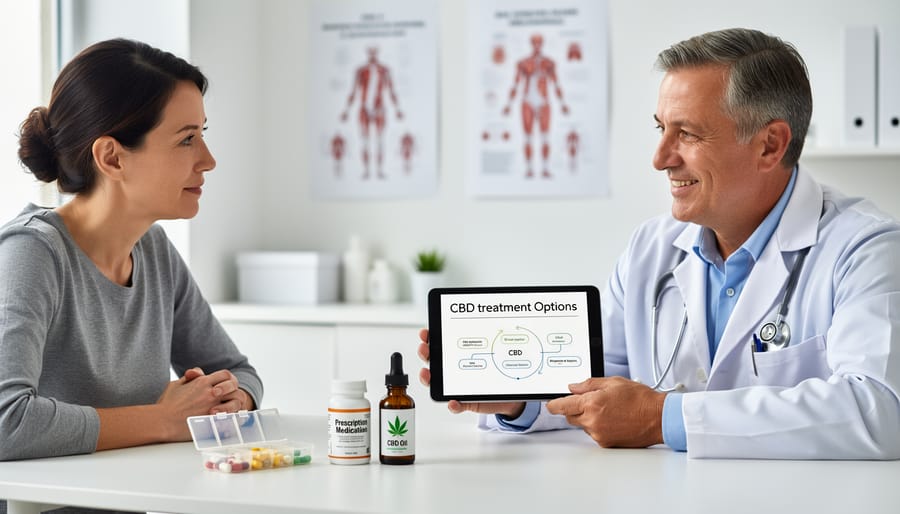
Before your appointment, gather detailed information about your CBD use to help your doctor assess potential risks. Start by documenting the specific CBD product you’re using, including the brand name, whether it’s full-spectrum, broad-spectrum, or isolate, and the CBD concentration in milligrams. Bring the actual product or clear photos of the label if possible.
Track your dosing schedule: how many milligrams you take, how many times daily, and at what times. Note when you take your prescription medications in relation to CBD. This timing information is crucial because it helps determine if spacing doses differently might reduce interaction risks.
Write down any changes you’ve noticed since starting CBD, even if they seem minor: unusual bruising, dizziness, mood changes, or digestive issues. These could be early warning signs of interactions with narrow therapeutic index medications.
List all your current medications, including over-the-counter drugs and supplements. Your doctor needs the complete picture to assess cumulative interaction risks.
Finally, prepare honest questions about your specific situation. When I prepared for my own conversation about CBD, I found that writing everything down beforehand helped me feel more confident and ensured I didn’t forget important details during the appointment. Your healthcare provider appreciates patients who come prepared with accurate information.
Finding Cannabis-Informed Healthcare Providers
Finding a healthcare provider who understands CBD and its potential interactions with narrow therapeutic index medications can feel challenging, but there are several pathways to connect with knowledgeable professionals in Canada.
Start by asking your current physician or pharmacist directly about their familiarity with cannabis therapeutics. You might be surprised to learn they’ve already educated themselves on the topic, especially as CBD use becomes more mainstream. If they’re not comfortable discussing interactions, ask if they can refer you to a colleague who specializes in cannabis medicine.
The College of Family Physicians of Canada maintains resources on medical cannabis, and some provinces have dedicated cannabis clinics. In Ontario, clinics like Apollo Cannabis and Canabo Medical offer consultations specifically focused on cannabis use. British Columbia has similar specialized clinics throughout the Vancouver and Victoria areas. Quebec residents can access cannabis-knowledgeable physicians through the province’s medical cannabis program.
Your local pharmacist can be an invaluable resource. Many pharmacies now employ staff members who’ve completed additional training in cannabis interactions. Don’t hesitate to call ahead and ask if anyone on their team has expertise in this area.
When I started exploring CBD while managing my own health conditions, I found that being direct about my questions helped me find the right support. I’d simply say, “I’m considering CBD and take medication X. Can you help me understand potential interactions?”
Professional organizations like the Canadian Pharmacists Association offer directories that sometimes indicate special interests or training areas. Additionally, patient advocacy groups focused on your specific condition may have recommendations for cannabis-informed practitioners in your region.
Can You Safely Use CBD with These Medications?
Timing and Dosage Strategies
If you’re taking medications with a narrow therapeutic index and want to try CBD, timing and dosage become absolutely critical. Think of it like choreographing a careful dance between your medications and CBD to minimize potential interactions.
The golden rule? Space out your doses. I always recommend taking CBD at least two to four hours away from your critical medications whenever possible. This separation gives your liver time to process each substance independently, reducing the chance of CBD interfering with your medication levels. For example, if you take warfarin in the evening, consider using CBD in the morning or early afternoon instead.
Starting low with CBD is essential when you’re on medications with such tight safety margins. While some people jump in with 25-50mg doses, you might want to begin with just 5-10mg daily when taking narrow therapeutic index drugs. This cautious approach gives you and your healthcare provider the opportunity to monitor any changes in your medication levels through regular blood tests.
From my experience talking with Canadians navigating this situation, gradual adjustments work best. Stay at your initial low dose for at least a week or two while monitoring how you feel and tracking any laboratory results. If everything remains stable and your doctor gives the green light, you can slowly increase by 5mg increments.
Never make these decisions alone. Your healthcare provider should be involved in every step, from your first CBD dose through any subsequent adjustments. They’ll schedule appropriate monitoring, interpret your test results, and may need to adjust your medication dosages to maintain therapeutic levels while you use CBD.
Enhanced Monitoring Protocols
When you’re taking narrow therapeutic index medications alongside CBD, your healthcare provider will likely want to keep a much closer eye on things than usual. This typically means more frequent blood tests to monitor your drug levels—sometimes as often as weekly when you first start CBD, then gradually spacing out as your levels stabilize.
These blood tests measure the concentration of your medication in your bloodstream to ensure it stays within that narrow safe zone. For medications like warfarin, you’ll need regular INR tests to check how quickly your blood clots. For lithium users, serum lithium levels need careful tracking. If you’re on anticonvulsants like phenytoin, your doctor will monitor those specific drug concentrations.
Beyond blood work, expect more frequent check-ins with your healthcare team. These appointments allow your doctor to assess how you’re feeling, watch for any side effects or warning signs, and adjust dosages if needed. Some physicians might ask you to keep a symptom diary, tracking things like mood changes, unusual bleeding, tremors, or seizure activity—basically anything that might signal your medication levels are shifting.
I’ve spoken with Canadians managing epilepsy who’ve worked with their neurologists to create detailed monitoring schedules when introducing CBD. One person told me they had blood tests every two weeks for the first two months, which felt inconvenient but gave them peace of mind knowing their medication levels were being carefully watched.
This enhanced monitoring isn’t permanent. Once your healthcare provider confirms your levels are stable and you’re not experiencing interactions, the frequency typically decreases to a more manageable schedule.

Danielle’s Experience: Navigating CBD and Prescription Medications
I learned about the critical importance of CBD and medication interactions through a conversation that still stays with me. A few years ago, I met Janet at a wellness event in Toronto. She’d been managing epilepsy with medication for over a decade and was curious about adding CBD to help with anxiety. She seemed well-informed and had done her research, but when she mentioned she was already taking her CBD oil alongside her seizure medication, my concern kicked in immediately.
What worried me wasn’t that she was exploring CBD, it was that she hadn’t consulted her doctor first. Her anti-epileptic medication was one of those drugs with a narrow therapeutic index, meaning the difference between an effective dose and a dangerous one is razor-thin. CBD can significantly affect how these medications are metabolized in the body, potentially pushing levels too high or reducing their effectiveness.
I encouraged Janet to speak with her healthcare provider right away, and thankfully, she did. Her doctor adjusted her medication dosage and monitored her blood levels closely during the transition. Everything worked out well, but it could have been a very different story.
This experience taught me that enthusiasm about CBD’s potential benefits shouldn’t override basic safety precautions. It’s not about discouraging people from exploring CBD, it’s about doing it responsibly. I always tell people: if you’re taking any prescription medication, especially ones that require careful dosing like blood thinners, immunosuppressants, or seizure medications, your doctor needs to be part of the conversation from day one.
The lesson? CBD can be wonderful, but respect the science. Your healthcare team isn’t there to judge you, they’re there to keep you safe while you explore what works best for your wellness journey.
Canadian-Specific Considerations and Resources
If you’re taking narrow therapeutic index medications in Canada, understanding our country’s specific regulatory landscape can help you make safer decisions about CBD use.
Health Canada oversees the regulation of both prescription medications and cannabis products, including CBD. While CBD is legal across Canada, Health Canada has not approved specific therapeutic claims for most over-the-counter CBD products. This means you won’t find the same level of clinical guidance that exists for prescription medications. However, Health Canada does require licensed producers to follow strict quality control standards, which helps ensure product consistency when you purchase from legitimate sources.
When I first started researching CBD products available in Canada, I was surprised by how much variability exists between brands. For anyone on narrow therapeutic index medications, consistency in CBD dosing isn’t just about effectiveness—it’s a safety issue. Look for products from licensed producers who provide third-party lab testing results, clearly labeled cannabinoid content, and batch-specific certificates of analysis. This documentation helps you maintain consistent dosing, which is crucial when managing potential drug interactions.
If you experience any adverse reactions while using CBD alongside your medications, you should report them to Health Canada through the MedEffect Canada program. You can submit reports online or by phone at 1-866-234-2345. Your healthcare provider can also file reports on your behalf. These reports help Health Canada monitor safety concerns and issue warnings when necessary.
Province-specific resources can also support your medication safety concerns. Most provinces offer medication review services through community pharmacies, often covered by provincial health plans for eligible individuals. Your provincial poison control centre is another valuable resource—they can provide immediate guidance if you’re concerned about a potential interaction. In Ontario, for example, you can call the Ontario Poison Centre at 1-800-268-9017 anytime.
Remember that your pharmacist is one of your best resources for medication interaction questions. Canadian pharmacists have access to comprehensive drug interaction databases and can review your complete medication list, including any CBD products you’re considering or currently using.
Navigating CBD use while taking narrow therapeutic index medications doesn’t have to feel overwhelming or impossible. The key takeaway here is that with proper medical guidance and careful monitoring, many people can potentially incorporate CBD into their wellness routine safely, even when managing complex medication regimens.
I’ve seen firsthand how anxious people feel when they discover a potential interaction between CBD and their medications. A friend of mine was taking warfarin and felt she had to choose between managing her anxiety with CBD or staying on her blood thinner. After working closely with her doctor and pharmacist, she found a low CBD dose that worked for her, with slightly more frequent INR monitoring. It required patience and communication, but it was absolutely possible.
If you’re taking medications like warfarin, levothyroxine, lithium, digoxin, or anticonvulsants, your first step should always be scheduling a conversation with your healthcare provider before starting CBD. Come prepared with information about the specific CBD product you’re considering, including the type (full-spectrum, broad-spectrum, or isolate), dosage, and brand. This shows you’re taking the interaction seriously and helps your doctor provide more specific guidance.
Ask about monitoring protocols that might be necessary, such as more frequent blood tests or symptom tracking. Request information about warning signs to watch for and establish a clear plan for adjusting either your medication or CBD dosage if needed. Many healthcare providers in Canada are becoming increasingly knowledgeable about CBD interactions and appreciate patients who approach the conversation proactively.
Remember, choosing not to use CBD is also a valid decision if the risks feel too high for your situation. But armed with accurate information and medical support, you can make the choice that genuinely serves your health and wellbeing. Your health journey is yours to navigate, and informed decision-making means considering all the facts, asking questions, and trusting yourself to make the right call.