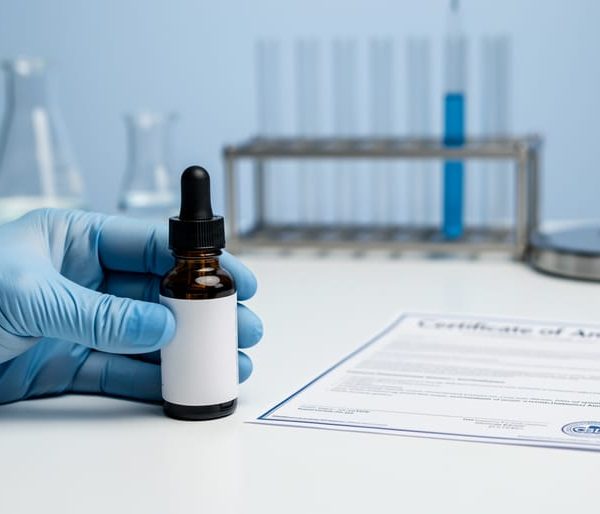

Check the product label for a Natural Product Number (NPN) or Drug Identification Number (DIN), which indicates Health Canada has reviewed the manufacturing processes. Look for third-party laboratory certificates of analysis that verify the CBD content matches what’s on the label and confirm the absence of contaminants like heavy metals, pesticides, and microbial impurities. Contact the manufacturer directly and ask specific questions about their quality control procedures, including whether they follow current Good Manufacturing Practices and if their facilities undergo regular inspections.
Understanding cGMP compliance matters because it’s the difference between purchasing a precisely formulated health product and something that might contain unknown ingredients or inconsistent CBD levels. In Canada’s evolving CBD landscape, where products range from licensed cannabis retailers to natural health products in wellness stores, manufacturing standards vary dramatically. Current Good Manufacturing Practices represent a systematic approach to production that ensures every bottle contains exactly what it claims, free from contamination, and manufactured under controlled, sanitary conditions.
When I first started researching CBD products for family members dealing with chronic pain, the sheer volume of options felt overwhelming. Some brands made bold claims with zero transparency, while others provided detailed documentation about their manufacturing processes. The distinction became clear: cGMP-compliant manufacturers treat their products with pharmaceutical-level seriousness, implementing rigorous testing protocols, maintaining detailed batch records, and creating traceable supply chains. This framework protects consumers from the inconsistencies that plague unregulated markets, where CBD concentrations can vary by up to 50% from labeled amounts. For Canadians navigating legitimate channels to purchase CBD, recognizing these quality markers transforms shopping from guesswork into confident decision-making.
What Exactly Is cGMP Compliance?

The Basics of cGMP Standards
cGMP stands for “current Good Manufacturing Practices,” and think of these standards as quality rules that manufacturers must follow to ensure products are made safely and consistently. When I first learned about cGMP, I was relieved to discover there’s actually an official framework protecting consumers like us.
At their core, cGMP regulations require manufacturers to maintain clean facilities, use proper equipment, train their staff adequately, and keep detailed records of every production batch. This means the CBD oil you purchase today should be identical in quality and potency to the one you bought last month from the same brand.
These standards cover everything from raw material testing to final product packaging. Manufacturers must verify that their CBD ingredients are free from contaminants like pesticides, heavy metals, and harmful bacteria. They’re also required to establish quality control procedures that catch problems before products reach consumers.
In Canada, Health Canada oversees these manufacturing standards, particularly for products making health claims. While not all CBD products currently require cGMP certification, manufacturers who follow these practices demonstrate a serious commitment to your safety. Understanding these basics helps you recognize which companies are going above and beyond to protect their customers.
Who Sets These Standards?
In Canada, Health Canada is the primary regulatory body responsible for overseeing cGMP standards for CBD products. Since CBD falls under cannabis regulations here, it’s governed by the Cannabis Act and its associated regulations, which incorporate Good Production Practices (GPP) that closely mirror cGMP principles used internationally.
Health Canada establishes these standards by drawing on scientific research, international best practices, and input from industry experts. While the FDA in the United States has its own cGMP framework, Canadian regulations are distinct and tailored to our specific legal cannabis framework. However, there’s definitely some cross-pollination of ideas between regulatory bodies worldwide.
When I first started researching CBD quality standards, I was surprised to learn how comprehensive Health Canada’s oversight actually is. Licensed cannabis producers in Canada must follow strict manufacturing protocols covering everything from facility design to quality testing.
Health Canada enforces these standards through regular inspections, licensing requirements, and compliance monitoring. Companies that don’t meet the requirements can face serious consequences, including license suspension or product recalls. This enforcement system is designed to protect you as a consumer, ensuring that the CBD products available in Canada meet consistent safety and quality benchmarks before they reach your hands.
Why cGMP Compliance Protects You as a Consumer
Consistent Product Quality Every Time
When I first started exploring CBD products, I was surprised to learn how much variation can exist between bottles from the same brand. This is exactly what cGMP compliance addresses. These manufacturing standards create a system of checks and balances that ensure every single bottle contains precisely what the label states, whether that’s 500mg or 1500mg of CBD.
Think of it like baking cookies using the exact same recipe, oven temperature, and timing each time. cGMP-compliant facilities follow documented procedures for every production step, from measuring raw materials to filling bottles. They calibrate equipment regularly, train staff consistently, and verify each batch through testing. This means when you buy your second bottle, it will have the same potency and composition as your first.
For Canadian consumers trying to find the right CBD dosage for their needs, this consistency is crucial. If one bottle contains significantly more or less CBD than labeled, you might think a product isn’t working when it’s actually just inconsistent manufacturing. With cGMP compliance, you can confidently adjust your dosage knowing the product itself isn’t the variable. This reliability lets you track what works for your body without second-guessing whether the product changed between purchases.
Protection from Contaminants
When I first started exploring CBD products, I’ll admit I didn’t think much about what might accidentally end up in the bottle along with the CBD. But here’s the thing: hemp plants are what scientists call “bioaccumulators,” meaning they absorb whatever’s in the soil around them, good or bad. That’s where cGMP compliance becomes your safety net.
cGMP manufacturing standards include rigorous testing protocols to keep contaminants out of your CBD products. We’re talking about heavy metals like lead, mercury, and cadmium that can accumulate in soil, pesticides used in conventional farming, residual solvents left over from extraction processes, and microbial contaminants like bacteria, yeast, and mold.
Under cGMP guidelines, manufacturers must test both raw materials and finished products for these specific threats. They establish acceptable limits based on Health Canada guidelines and reject any batches that exceed safety thresholds. The facility itself must maintain sanitary conditions with proper ventilation, temperature controls, and cleaning procedures to prevent microbial growth.
For pesticides specifically, cGMP-compliant Canadian facilities follow strict protocols since many conventional pesticides aren’t approved for cannabis cultivation. They verify that hemp sources either use organic practices or approved pest management methods.
This systematic approach means that when you choose a cGMP-compliant CBD product, you’re getting something that’s been thoroughly screened for the contaminants that could otherwise compromise your health.
Accurate Labeling You Can Trust
You know what really frustrated me when I first started exploring CBD? Picking up a product that claimed to contain 1000mg of CBD, only to wonder if that number meant anything at all. Without proper oversight, companies could essentially write whatever they wanted on their labels. That’s where cGMP compliance makes a real difference for Canadian consumers.
When a CBD manufacturer follows cGMP standards, their labeling process becomes part of their quality control system. This means every bottle is tested to confirm the CBD content matches what’s printed on the label. If a product says it contains 25mg of CBD per serving, cGMP-compliant facilities have documentation proving that amount is accurate within acceptable limits.
The same applies to ingredient lists. cGMP compliance requires manufacturers to list all ingredients truthfully and completely, without hiding additives or making misleading claims about purity. You won’t find surprise ingredients or discover that “full spectrum” actually means something entirely different.
This accuracy extends beyond CBD content to include claims about THC levels, which is particularly important in Canada where legal limits exist. cGMP facilities must verify product safety and potency through independent testing before products reach store shelves.
For consumers, this translates to confidence. When you see cGMP compliance mentioned alongside third-party lab results, you can trust you’re getting exactly what you paid for.
Key Quality Assurance Standards in CBD Manufacturing
Facility and Equipment Standards
Think of cGMP-compliant facilities as operating rooms for CBD production—they maintain hospital-level cleanliness standards. These manufacturing environments must have controlled air quality with proper filtration systems to prevent contamination, along with designated areas that separate raw materials from finished products.
Temperature and humidity levels are continuously monitored and recorded, ensuring CBD products remain stable throughout production. Equipment undergoes regular calibration using documented procedures, much like how your pharmacist’s scale must measure precisely every time. Every piece of machinery, from extraction equipment to bottling lines, follows strict maintenance schedules with detailed logs.
I remember visiting a cGMP facility in Ontario where staff wore protective gear and passed through air showers before entering production areas—it looked more like a pharmaceutical lab than what I’d imagined for CBD manufacturing. The facility maintained spotless surfaces, implemented regular sanitation protocols, and conducted routine testing to verify cleanliness levels.
These stringent standards protect you from contamination risks like bacteria, heavy metals, or cross-contamination from other substances. When Canadian CBD companies invest in proper facilities and equipment maintenance, they’re demonstrating their commitment to producing safe, consistent products you can trust.
Raw Material Testing and Verification
Before a single CBD product comes to life, reputable manufacturers put their raw materials through rigorous testing. Think of it as quality control at the starting gate. For hemp-derived CBD, this means testing the plant material for cannabinoid content (verifying the CBD levels match what’s expected), checking for THC levels to ensure compliance with Canadian regulations, and screening for contaminants like pesticides, heavy metals, and mold.
When I first learned about this process, I was genuinely surprised by how thorough it is. Manufacturers don’t just test their own hemp crops—they also verify certificates of analysis from suppliers, essentially doing a trust-but-verify approach. Any additional ingredients, like carrier oils or flavorings, undergo similar scrutiny.
The key here is that cGMP-compliant facilities won’t move forward with production if raw materials fail testing. It’s a firm checkpoint that protects you, the consumer. In Canada, where CBD products must meet strict Health Canada standards, this initial testing phase helps ensure that what eventually reaches store shelves is both safe and accurately labeled. This upfront diligence might add time to production, but it’s absolutely essential for maintaining product integrity from start to finish.
Batch Testing and Documentation
Every batch of CBD products manufactured under cGMP compliance undergoes extensive testing before it reaches your hands. Think of it as a quality checkpoint system where each production run must pass specific tests for potency, purity, and contaminants. This includes verifying the actual CBD content matches what’s on the label, screening for heavy metals, pesticides, microbial contamination, and residual solvents.
When I first learned about batch testing, I realized why some products cost more than others. Reputable Canadian manufacturers test every single batch, not just occasionally. They conduct shelf-life testing to ensure products remain stable and effective throughout their lifetime.
The documentation trail is equally important. cGMP requires manufacturers to maintain detailed records of everything from raw material sources to testing results and distribution. This paperwork might seem excessive, but it creates accountability. If something goes wrong, manufacturers can trace the issue back to its source and address it quickly. For you as a consumer, this means companies can verify exactly what went into your product and provide certificates of analysis proving their claims.

Third-Party Lab Verification
When I first started researching CBD products, I quickly learned that a company’s internal quality claims aren’t enough. That’s where independent, third-party lab testing comes in. These labs have no financial stake in the product’s success, so they provide unbiased verification of what’s actually in the bottle.
Reputable CBD manufacturers send their products to accredited laboratories for comprehensive testing. These tests check for CBD potency, THC levels (critical in Canada where limits are strictly regulated), and potential contaminants like pesticides, heavy metals, and microbial impurities. The lab then issues Certificates of Analysis (COAs) documenting their findings.
Think of a COA as your product’s report card. It confirms whether the CBD content matches the label claims and verifies the product is safe for consumption. Legitimate companies make these certificates easily accessible, usually through QR codes on packaging or downloadable PDFs on their websites.
In my experience, if a company hesitates to share COAs or makes them difficult to find, that’s a red flag worth heeding.
cGMP Compliance in the Canadian CBD Market
Health Canada’s Role and Requirements
In Canada, CBD manufacturers operate under Health Canada’s Cannabis Regulations, which established the legal framework when cannabis became legal in 2018. Here’s what makes our system unique: Health Canada doesn’t use the term “cGMP” exactly the way pharmaceutical regulators do, but the principles are baked right into their requirements.
Canadian licensed producers must follow Good Production Practices outlined in the Cannabis Regulations. These standards cover many of the same areas as traditional cGMP—quality control, sanitation, record-keeping, and proper facility management. Think of it as Canada’s tailored version of manufacturing excellence specifically designed for cannabis products.
The key difference? Health Canada’s requirements are actually mandatory for any licensed producer, not voluntary guidelines. Every facility undergoes rigorous inspections before receiving their license, and regular compliance checks continue afterward. This means legitimate Canadian CBD products come from facilities that already meet strict manufacturing standards by law.
When I first started researching this, I appreciated how Health Canada’s approach removes some guesswork for consumers. You’re not hunting for a cGMP certification badge—if a company holds a valid Health Canada license, they’ve already cleared significant quality hurdles. That said, some Canadian producers go further by pursuing additional international certifications like ISO standards or registering with the FDA for export purposes, demonstrating extra commitment to quality assurance.
What to Look for in Canadian CBD Brands
When I first started shopping for CBD in Canada, I quickly learned that not all brands are created equal. Here’s what I look for now to identify products from cGMP-compliant manufacturers.
Start by checking the product label and packaging. Reputable Canadian CBD brands will often reference their quality standards or certifications directly on their packaging. Look for mentions of GMP compliance, third-party testing, or quality certifications. While Health Canada doesn’t require cGMP labeling on CBD products specifically, brands that follow these standards are usually proud to mention it.
Request a Certificate of Analysis (COA) for any product you’re considering. This lab report should verify the CBD content, confirm the absence of contaminants like heavy metals and pesticides, and show THC levels. Legitimate brands make these readily available on their websites or will email them upon request. I always feel more confident purchasing from companies that offer this transparency without me having to dig for information.
Check whether the brand provides information about their manufacturing facilities. Do they mention where products are made? Do they discuss their quality control processes? Companies following cGMP protocols typically share details about their commitment to safety and consistency.
Finally, don’t hesitate to contact customer service with questions about their manufacturing standards. How they respond tells you a lot about their commitment to quality and transparency.
Red Flags: When CBD Products Don’t Meet Standards
Missing Documentation and Testing Results
When a CBD company can’t provide a Certificate of Analysis (COA) or won’t share details about their manufacturing process, that’s a significant red flag. These documents aren’t just paperwork—they’re your proof that what’s on the label matches what’s in the bottle.
I remember talking with a friend who bought CBD oil from a brand that had no testing information available. When she asked customer service for a COA, they kept giving her the runaround. That lack of transparency made me wonder what they were hiding.
Companies following cGMP standards should readily share their third-party lab results and manufacturing credentials. If they hesitate or claim this information is “proprietary,” that’s concerning. In Canada’s regulated market, legitimate producers understand that transparency builds trust. Without access to testing results, you can’t verify CBD content, check for contaminants like pesticides or heavy metals, or confirm THC levels stay within legal limits. Reading lab tests becomes impossible when companies won’t provide them, leaving you essentially buying blind and potentially putting your health at risk.
Too-Good-to-Be-True Claims and Pricing
I’ve learned through my own CBD shopping experiences that if something sounds too good to be true, it usually is. When I first started exploring CBD products in Canada, I came across brands promising miraculous results at incredibly low prices. It raised my eyebrows, and for good reason.
Here’s the reality: cGMP compliance costs money. Quality testing, proper equipment, trained staff, and documentation all add up. Companies that charge suspiciously low prices or make outrageous health claims are often cutting corners somewhere, and that somewhere is usually in manufacturing standards and testing.
If you see a CBD product claiming to cure serious medical conditions or priced significantly below competitors, take a step back. Legitimate companies know they cannot make disease claims about CBD products in Canada, and they understand that quality manufacturing has real costs. These red flags often indicate a company isn’t following cGMP guidelines or investing in proper quality control.
This doesn’t mean you need to buy the most expensive product on the shelf, but extremely low pricing combined with miracle promises should make you question what’s being compromised behind the scenes.
How to Verify a CBD Product’s Quality Standards

Questions to Ask CBD Companies
When I first started exploring CBD products, I learned quickly that not all companies are transparent about their manufacturing practices. Don’t be shy about asking direct questions—reputable companies expect them and are happy to provide answers.
Start by asking if their facility is cGMP certified and request documentation or certificates proving compliance. Ask which third-party organization audited them and when the last inspection occurred. Many legitimate companies proudly display this information on their websites, but it’s worth confirming directly.
Next, inquire about their testing protocols. Who conducts their third-party lab testing? How often are batches tested? Can they provide recent Certificates of Analysis for the specific product you’re considering? These COAs should show cannabinoid content, confirm THC levels are within legal Canadian limits, and verify the absence of contaminants like heavy metals, pesticides, and residual solvents.
Ask about their sourcing practices too. Where do they obtain their hemp? What quality control measures exist throughout their supply chain? Companies committed to cGMP compliance typically have detailed answers ready because these standards are integral to their operations.
If a company seems evasive, provides vague responses, or can’t produce documentation, consider that a red flag. Quality manufacturers understand that informed consumers ask these questions and appreciate the opportunity to demonstrate their commitment to safety and transparency.
Reading and Understanding Certificates of Analysis
A Certificate of Analysis (COA) is your window into what’s actually in a CBD product, and knowing how to read one makes all the difference when shopping. Think of it as a report card that shows whether a product passed quality tests from an independent laboratory.
When I first started reviewing CBD products, COAs looked intimidating, but they’re actually straightforward once you know what to focus on. Start by checking the date—it should be recent and match the product batch number. Next, look for cannabinoid content to confirm the CBD levels match what’s advertised on the label. You’ll also want to see test results for contaminants like heavy metals, pesticides, residual solvents, and microbial impurities. A clean COA should show these are either absent or below safe limits.
For cGMP-compliant manufacturers, COAs are more comprehensive and reliable because they’re part of rigorous quality control procedures. The lab conducting the test should be third-party and ISO-accredited, not the manufacturer itself. If you’re new to interpreting lab results, don’t hesitate to reach out to the company with questions—legitimate brands are happy to explain their COAs and demonstrate transparency about their manufacturing standards.
At the end of the day, cGMP compliance isn’t just another confusing acronym in the CBD world—it’s your frontline protection against substandard products. When I first started exploring CBD options for my own wellness routine, I quickly realized that not all products are created equal. The companies investing in cGMP compliance are the ones demonstrating genuine commitment to your safety and the effectiveness of what you’re putting in your body.
I know it’s tempting to grab the cheapest CBD oil on the shelf or online, especially when budgets are tight. But here’s what I’ve learned: quality truly matters when it comes to something you’re consuming for your health. Those few extra dollars you spend on a cGMP-compliant product translate into rigorous testing, proper ingredient verification, and manufacturing practices designed specifically to protect you from contamination and inconsistent dosing.
Think of it this way—you wouldn’t buy expired food just because it’s on sale, right? The same logic applies to CBD products. Your health deserves that investment.
As you navigate the Canadian CBD market, remember that you have the power to make informed choices. Look for those cGMP certifications, ask questions, and don’t settle for vague answers from manufacturers. The companies that prioritize transparency and compliance are the ones that genuinely care about your wellbeing. You’re not being picky by demanding quality—you’re being smart. Trust your instincts, do your research, and choose products that meet the standards your health deserves.