
Look for CBD skin serums that combine cannabidiol with proven actives like hyaluronic acid, vitamin C, or niacinamide—these pairings aren’t marketing gimmicks but strategic formulations where CBD’s anti-inflammatory properties enhance the effectiveness of traditional skincare ingredients. When I first tested CBD serums in Canada, I was skeptical about whether the cannabidiol content actually mattered or if it was just trend-chasing, but after comparing formulations with varying CBD concentrations and carrier ingredients, the difference became clear.
Check the certificate of analysis from third-party labs before purchasing any CBD serum sold in Canada. This document confirms the actual CBD content, verifies the absence of THC above legal limits (0.3% in Canadian regulations), and screens for contaminants like heavy metals or pesticides. Reputable Canadian retailers provide these COAs readily—if you need to hunt for them or they’re unavailable, that’s your signal to shop elsewhere.
Start with serums containing 250-500mg of CBD per bottle for facial application. Higher concentrations aren’t necessarily better and often just increase the price without proportional benefits for most skin concerns. I’ve found that mid-range concentrations paired with complementary ingredients deliver results without the premium price tag of ultra-high-dose formulations that many brands push.
Apply CBD serum to damp skin immediately after cleansing, before heavier moisturizers. This layering sequence maximizes absorption since CBD is lipophilic and penetrates more effectively when your skin barrier is slightly hydrated but not sealed by occlusive creams.
What Makes CBD Skin Serum Different from Regular CBD Oil
I get asked this question constantly, and honestly, I made this mistake myself when I first started exploring CBD skincare. I assumed CBD oil and CBD skin serum were interchangeable—spoiler alert, they’re really not.
The most fundamental difference is formulation. Regular CBD oil (the kind you might take orally) is typically CBD extract suspended in a carrier oil like MCT or hemp seed oil. That’s basically it. CBD skin serums, however, are specifically formulated for topical application with additional skincare ingredients like hyaluronic acid, vitamins, peptides, and botanical extracts. The CBD concentration is often optimized for skin penetration rather than systemic absorption.
Absorption rates tell another important part of the story. When you apply regular CBD oil to your skin, it sits on the surface pretty stubbornly because it’s oil-based and your skin barrier is designed to keep things out. CBD skin serums use delivery systems—emulsifiers, liposomes, or nano-encapsulation technology—that help the active ingredients actually penetrate the skin layers where they can do their job. This means better bioavailability for topical benefits.
Then there’s texture and user experience. I’ve tried using regular CBD oil on my face during a particularly rough winter, and let me tell you, it was greasy, didn’t absorb well, and clogged my pores. CBD serums are lightweight, absorb quickly, and layer beautifully with other skincare products.
Here’s something crucial for Canadian buyers: not all products labeled “CBD serum” are created equal. Some companies simply add a tiny amount of hemp seed oil (which contains no CBD) and slap “CBD” on the label. When shopping in Canada, look for products that clearly state the CBD content in milligrams, provide third-party lab testing, and comply with Health Canada regulations.
The intended benefits differ too. Regular CBD oil taken orally works systemically throughout your body. CBD skin serum targets localized concerns—inflammation, redness, fine lines, acne—directly at the source. You’re not trying to achieve the same outcome with both products, so using one when you need the other just won’t give you the results you’re after.

The Science Behind CBD for Skin Health
How CBD Calms Inflammation and Redness
CBD works by interacting with cannabinoid receptors found throughout your skin, which are part of your body’s endocannabinoid system. When inflammation triggers redness, swelling, or discomfort, CBD helps calm this response by reducing the production of inflammatory compounds called cytokines. Think of it as turning down the volume on your skin’s alarm system rather than silencing it completely.
What makes this particularly useful for everyday skin concerns is CBD’s ability to address multiple inflammation triggers at once. Whether you’re dealing with acne-related redness, sensitivity from harsh weather (trust me, Canadian winters can really do a number on your skin), or irritation from active ingredients like retinol, CBD serums can help restore balance without suppressing your skin’s natural healing process.
I’ve personally noticed the biggest difference when using CBD serum after experiencing windburn or during breakouts. The angry redness that usually lingers for days tends to calm down noticeably faster. For Canadian users, this anti-inflammatory action is especially valuable during seasonal transitions when our skin faces temperature extremes moving between heated indoor spaces and freezing outdoor conditions.
CBD’s Role in Balancing Oil Production
One of the most impressive things about CBD skin serums is their ability to work with your skin rather than against it. I’ve noticed this personally – my combination skin used to go haywire with most products, either leaving my T-zone oily or making my cheeks feel tight and uncomfortable. CBD changed that equation entirely.
Here’s what makes CBD unique: it interacts with sebaceous glands through the endocannabinoid system present in our skin. These glands are responsible for producing sebum, the natural oil that protects and moisturizes our skin. When sebum production goes into overdrive, you get breakouts and shine. When it slows down too much, you’re left with dryness and flaking. CBD acts as a regulator, helping normalize sebum production rather than simply adding or removing oil from the surface.
Research suggests CBD has sebostatic properties, meaning it can reduce excessive oil production in people with oily or acne-prone skin. At the same time, it doesn’t strip the skin or signal glands to shut down completely, which is why people with dry skin can use it too. This balancing act is particularly helpful for Canadian winters when indoor heating can wreak havoc on moisture levels.
What I appreciate most is that CBD serums don’t create that temporary fix feeling. Instead of mattifying oily skin for a few hours or coating dry skin with heavy emollients, CBD works at a deeper level to support your skin’s natural ability to maintain balance. It’s gentle enough for sensitive skin while being effective for those dealing with excess oil.
Why These Three Ingredients Amplify CBD’s Benefits
Here’s what I’ve learned through my own experience and research: CBD doesn’t work in isolation on your skin. It needs the right supporting cast to truly shine, and that’s where ingredient synergy comes into play.
Think of it like making a great meal. CBD is your main ingredient, but niacinamide, peptides, and ceramides are the seasonings and techniques that bring out its full potential. When I first started using CBD serums, I noticed decent results. But when I switched to formulations that included these three powerhouse ingredients, the difference was remarkable.
Let’s break down how this synergy actually works. CBD excels at calming inflammation and supporting your skin’s natural balance. Niacinamide steps in to strengthen your skin barrier and regulate oil production, which means CBD can penetrate more effectively and work longer. Peptides act as messengers, signaling your skin to produce more collagen and repair itself, while CBD reduces the inflammation that can interfere with this repair process.
Ceramides complete the picture by locking in moisture and creating a protective barrier. This is crucial because compromised skin barriers reduce CBD’s effectiveness significantly. When you use niacinamide and ceramides together with CBD, you’re essentially creating an environment where each ingredient can work at its peak performance.
I experienced this firsthand during a particularly harsh Canadian winter. My regular CBD serum wasn’t cutting it until I found one with this complete ingredient profile. The combination addressed my redness while actually maintaining hydration, something CBD alone struggled to achieve in our dry indoor heating season. This isn’t just marketing talk—it’s about understanding that skin health requires a comprehensive approach, not a single miracle ingredient.

Niacinamide + CBD: The Brightening and Barrier Power Duo
What Niacinamide Does for Your Skin
Niacinamide, also known as vitamin B3, has become a skincare superstar for good reason. This versatile ingredient works on multiple fronts to improve your skin’s overall health and appearance. First, it strengthens your skin’s protective barrier by boosting ceramide production, which means better moisture retention and less water loss throughout the day. If you struggle with uneven skin tone or dark spots, niacinamide helps reduce hyperpigmentation by interfering with melanin transfer to skin cells, gradually evening out discoloration over time.
I’ve personally noticed smoother texture after consistently using products with niacinamide. It helps minimize the appearance of pores and fine lines while regulating sebum production, making it suitable for both dry and oily skin types. The ingredient also has anti-inflammatory properties that can calm redness and irritation, which is why it pairs so beautifully with CBD in serums.
What makes niacinamide particularly appealing is its gentle nature. Unlike some active ingredients that require careful introduction, most people tolerate it well at concentrations between 2-10%. When combined with CBD’s soothing properties, you’re getting a powerhouse duo that addresses everything from dullness to dehydration without overwhelming your skin.
Why CBD and Niacinamide Work So Well Together
When I first started exploring CBD with niacinamide, I was skeptical about whether combining ingredients actually made a difference or if it was just marketing talk. Turns out, these two work beautifully together because they tackle skin concerns from different angles.
CBD’s main strength is calming inflammation and soothing irritated skin. It interacts with receptors in your skin to reduce redness and sensitivity, which is why it’s become so popular for conditions like rosacea or acne. Meanwhile, niacinamide focuses on strengthening your skin’s protective barrier and improving overall texture. It boosts ceramide production, regulates oil, and helps fade dark spots.
Here’s why pairing them matters: when CBD reduces the inflammation, it creates a calmer environment where niacinamide can do its repair work more effectively. Think of CBD as putting out the fire while niacinamide rebuilds the structure. Together, they address both immediate concerns and long-term skin health, which is exactly what you want from a quality serum. This combination is particularly helpful for Canadian winters when our skin faces both inflammation from harsh weather and barrier damage from indoor heating.
Peptides + CBD: Fighting Fine Lines and Building Firmness
Understanding Peptides in Skincare (Without the Chemistry Degree)
Think of peptides as little messengers that talk to your skin cells. They’re short chains of amino acids (the building blocks of proteins) that essentially tell your skin to kick into gear and start repairing itself.
When I first heard about peptides in serums, I imagined some complicated lab creation, but they’re actually quite natural. Your skin already produces peptides, but as we age, production slows down. That’s where topical peptides come in.
Here’s the simple version: when peptides penetrate your skin, they signal your cells to produce more collagen and elastin, the proteins responsible for keeping skin firm and bouncy. It’s like sending a wake-up call to sleepy cells that have forgotten their job.
In CBD serums, peptides work alongside cannabidiol to address aging from two angles. While CBD calms inflammation and protects against environmental damage, peptides focus on structural support and repair. The combination is particularly popular in Canadian formulations because it addresses our harsh climate’s impact on skin.
You don’t need to memorize which peptide does what (palmitoyl this, acetyl that), just know they’re communicating with your skin in ways that topical moisturizers alone can’t achieve.
The CBD-Peptide Partnership for Aging Skin
Think of CBD and peptides as complementary construction workers on your skin’s repair crew. CBD acts as the protective foreman, reducing inflammation and shielding your skin cells from oxidative stress that accelerates aging. Meanwhile, peptides function as the builders, signaling your skin to produce more collagen and elastin—the structural proteins that keep skin firm and smooth.
This partnership makes particular sense for aging skin because the challenges are multi-faceted. As we age, we’re not just losing collagen; we’re also experiencing more inflammation and slower cellular turnover. CBD’s anti-inflammatory properties help calm the chronic low-level inflammation that contributes to fine lines and sagging, while peptides actively encourage your skin to rebuild what time has broken down.
I’ve noticed in my own routine that serums containing both ingredients seem to address more concerns than products with just one or the other. My skin looks calmer and firmer simultaneously—something I wasn’t achieving with peptide-only products.
For Canadian shoppers evaluating these combination serums, look for formulas where both ingredients appear in meaningful concentrations rather than trace amounts added for marketing appeal. The synergy only works when both components are present at effective levels.
Ceramides + CBD: Locking in Moisture and Healing Damage
Why Ceramides Matter for Every Skin Type
Think of ceramides as the grout between tiles in your shower. They’re lipid molecules that literally hold your skin cells together, creating a protective barrier that keeps moisture in and irritants out. Without enough ceramides, your skin develops microscopic gaps that lead to dryness, sensitivity, and that tight, uncomfortable feeling many Canadians experience during harsh winters.
Here’s what I’ve learned from years of testing CBD skincare: when ceramides restore the barrier, everything else you apply works better. CBD can calm inflammation beautifully, but if your skin barrier is compromised, you’re fighting an uphill battle. The ceramides create the foundation that allows active ingredients to actually do their job.
What makes ceramides particularly valuable is their universal benefit. Whether you have oily, dry, or combination skin, your barrier needs these essential lipids. They’re not about adding moisture to your skin but rather preventing the moisture you already have from escaping. In CBD serums, this combination means you get both immediate soothing effects from the cannabinoids and long-term barrier strengthening from the ceramides.
How CBD Enhances Ceramide Effectiveness
CBD and ceramides make powerful partners in skin repair because CBD essentially clears the path for ceramides to do their best work. Think of it this way: if your skin barrier is constantly inflamed and irritated, it’s like trying to patch a roof during a windstorm. CBD calms that inflammatory response, creating the ideal conditions for ceramides to rebuild and reinforce your skin’s protective layer.
CBD interacts with cannabinoid receptors in your skin, helping to regulate immune responses and reduce redness and sensitivity. When inflammation decreases, your skin can actually absorb and utilize ceramides more effectively. This means the ceramides aren’t just sitting on the surface—they’re penetrating deeper to restore the lipid matrix between skin cells.
I’ve noticed this combination particularly helpful during Canadian winters when my skin faces both indoor heating and harsh outdoor conditions. The CBD seems to prevent my skin from overreacting to these stressors, while the ceramides maintain moisture levels and barrier integrity.
Research suggests CBD’s antioxidant properties also protect ceramides from oxidative stress, helping them remain stable and functional longer in your skin. This synergy means you’re getting maximum benefit from both ingredients rather than each working in isolation.
What to Look for in a CBD Skin Serum (Canadian Shopping Guide)
CBD Concentration and Quality Indicators
Reading CBD serum labels can feel overwhelming at first, but knowing what to look for protects your investment and your skin. I learned this the hard way after purchasing my first serum that claimed “infused with CBD” but contained barely enough to make a difference.
Start by checking the actual CBD content listed in milligrams, not just percentages. A quality serum typically contains between 100-500mg of CBD per bottle. The ingredient list should specify “cannabidiol” or “CBD isolate” or “full-spectrum hemp extract” rather than vague terms like “hemp oil,” which often means hemp seed oil with no CBD.
Third-party lab testing is non-negotiable. Reputable Canadian brands provide certificates of analysis (COAs) either on their website or by request. These lab reports confirm CBD concentration, verify the absence of harmful contaminants like heavy metals and pesticides, and show THC levels remain within Health Canada’s legal limits.
Source transparency matters too. Look for brands that disclose where their hemp is grown and their extraction methods. Canadian-grown hemp or hemp from reputable sources like Colorado or Oregon tends to ensure higher quality standards. CO2 extraction is considered the gold standard for maintaining CBD purity without chemical residues.
Optimal Percentages for Supporting Ingredients
When evaluating CBD serums with supporting ingredients, concentration matters as much as the ingredient list itself. From my experience testing products available in Canada, I’ve learned that effective formulations require specific percentages to deliver real results.
For niacinamide, look for concentrations between 2-5%. This range provides visible benefits like improved skin texture and reduced redness without causing irritation. Higher percentages aren’t necessarily better and can actually trigger sensitivity in some users. I discovered this the hard way when trying a 10% formula that left my skin feeling uncomfortable.
Peptides work effectively at concentrations around 2-3% in serums. Since peptides are expensive ingredients, lower-quality products might skimp here, so checking third-party lab results becomes important for Canadian shoppers who want transparency.
Ceramides should appear at 1-3% concentrations to support your skin barrier properly. These lipids work synergistically with CBD’s anti-inflammatory properties, making them particularly valuable in our harsh Canadian winters.
Remember that ingredient order matters too. Active ingredients like these should appear in the first five to seven ingredients on the label. If niacinamide or peptides are listed near the bottom, the concentration is likely too low to provide meaningful benefits, regardless of what the marketing claims suggest.
Canadian Legal Considerations When Buying CBD Skincare
In Canada, CBD skincare products are legal when they contain less than 10 parts per million (PPM) of THC and are derived from approved hemp cultivars. When I first started shopping for CBD serums, I learned quickly to look for products with a Natural Product Number (NPN) or a Drug Identification Number (DIN) on the label. These indicate Health Canada approval and proper regulatory compliance.
You can purchase legitimate CBD skincare from licensed retailers, both online and in physical stores across Canada. I’ve found that reputable Canadian companies openly display their third-party lab testing results and clearly list their licensing information on product packaging and websites. Health Canada’s website maintains a searchable database of licensed cannabis companies, which is a helpful resource when verifying brands.
Avoid purchasing CBD skincare from unauthorized sellers or products making therapeutic health claims without proper licensing. Stick with Canadian-based companies that follow federal regulations to ensure you’re getting safe, tested products that meet our country’s quality standards.

How to Use CBD Skin Serum in Your Routine
Morning vs. Evening Application
I’ve learned through trial and error that timing really does matter with CBD serums. Your skin has different needs in the morning versus evening, and understanding this can maximize your results.
Morning application works best with lighter CBD formulations. After cleansing, apply your serum before moisturizer and always follow with CBD sunscreen protection. Morning serums often contain antioxidants alongside CBD to protect against environmental stressors throughout the day. I apply mine right after my coffee, giving it a few minutes to absorb before moving on with my routine.
Evening is when I reach for richer, more treatment-focused CBD serums. Your skin repairs itself overnight, making this the ideal time for products with higher CBD concentrations or additional active ingredients like retinol or peptides. I apply these after cleansing but before heavier night creams, allowing the CBD to work its anti-inflammatory magic while I sleep.
Some Canadians prefer using CBD serums twice daily, which is perfectly fine if your skin tolerates it well. Start with once-daily application and gradually increase frequency based on how your skin responds, watching for any sensitivity or excess oiliness.
What to Layer Before and After Your CBD Serum
Getting the most from your CBD serum means applying it in the right order. Think of skincare layering like building a sandwich—each layer has its place.
Start with a gentle cleanser to remove makeup, dirt, and oils. Clean skin absorbs serums better. Follow with a toner if that’s part of your routine—it preps your skin and balances pH levels. I used to skip toner thinking it was unnecessary, but I noticed my CBD serum absorbed more evenly once I added this step.
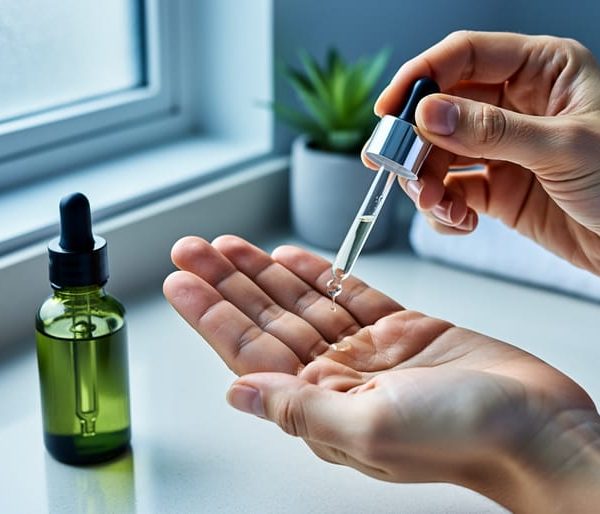
Apply your CBD serum to slightly damp skin. This helps it spread easily and penetrate deeper. Pat it gently into your face and neck, giving it a minute to sink in before moving forward.
Here’s where layering CBD with actives becomes important. If you’re using treatments like retinol or vitamin C, apply them after your CBD serum has absorbed. Wait a few minutes between each product.
Finish with moisturizer to lock everything in. The moisturizer creates a barrier that keeps the CBD serum working longer. Don’t forget SPF during the day—CBD won’t protect you from sun damage.
Keep it simple at first. You can always add more steps as you learn what works for your skin.

Common Questions About CBD Skin Serums (From Someone Who’s Been There)
After years of testing CBD serums and chatting with readers who’ve tried them, I’ve noticed the same questions come up repeatedly. Let me address the ones I hear most often, with honest answers based on real experience.
“How long before I see results?” This is the question I get asked most. In my experience, minor improvements like reduced redness or better hydration can appear within a few days to a week. For deeper concerns like fine lines or persistent inflammation, you’re looking at 4-6 weeks of consistent use. I know that sounds like a long time, but CBD works by supporting your skin’s natural processes rather than forcing dramatic overnight changes. I noticed my own skin texture improving around the three-week mark, and the real “wow” moment came around week six.
“Will CBD serum make me high or show up on a drug test?” Absolutely not. Topical CBD products don’t enter your bloodstream in significant amounts, and they contain negligible THC. I’ve used CBD serums daily for years without any psychoactive effects whatsoever. That said, always check that your product contains less than 0.3% THC, which is the legal limit in Canada.
“Can I use it with retinol or vitamin C?” This was a huge concern for me initially since I wasn’t willing to give up my retinol routine. Good news: CBD is generally compatible with most actives. I use my CBD serum in the morning and retinol at night without issues. If you’re combining it with vitamin C, apply the vitamin C first, let it absorb for a few minutes, then follow with CBD serum. Some people find CBD actually helps buffer potential irritation from stronger actives.
“Is it worth the price?” Here’s my honest take: quality CBD serums are pricey, typically ranging from $60-150 in Canada. Whether it’s worth it depends on your skin concerns and budget. For inflammatory conditions or sensitive skin that hasn’t responded to other treatments, I genuinely think it’s worth trying. If you’re simply curious, start with a smaller size or more affordable brand to test how your skin responds before committing to premium options.
If you’ve made it this far, you’ve discovered that CBD skin serums aren’t working alone. The real magic happens when CBD teams up with proven ingredients like niacinamide, peptides, and ceramides. Together, these ingredients create a skincare powerhouse that addresses inflammation, supports your skin barrier, and promotes long-term skin health in ways that single-ingredient products simply can’t match.
Starting your CBD skincare journey doesn’t need to feel overwhelming. You now understand what to look for on labels, why these specific combinations matter, and how to navigate the Canadian market with confidence. Remember, quality matters more than hype. Look for third-party testing, clear ingredient lists, and companies that are transparent about their sourcing and formulations.
Personally, I’ve been using a CBD serum with niacinamide and ceramides for about eight months now, and the difference in my skin’s texture and resilience has been genuinely noticeable. My redness has calmed significantly, and my skin feels more balanced, especially during those harsh Canadian winters. It took about six weeks to see real results, so patience is key.
Whether you’re dealing with sensitivity, aging concerns, or just want to give your skin extra support, CBD combined with these ingredients offers a science-backed approach worth exploring. Trust the process, start slowly, and pay attention to how your skin responds. You’re now equipped to make informed decisions that work for your unique skin needs.