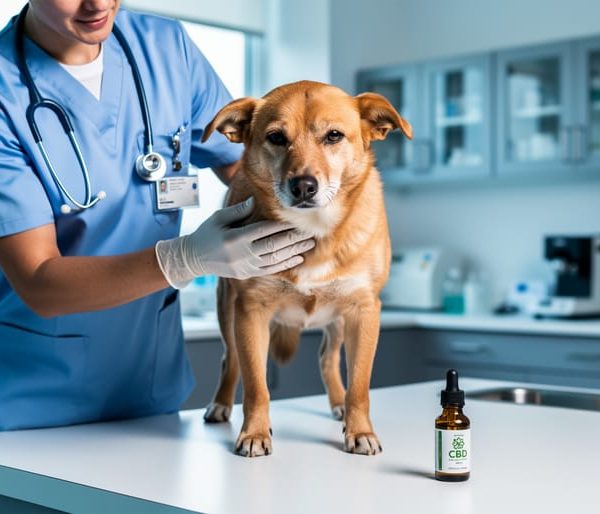

Understand your veterinarian’s silence about CBD isn’t evasiveness—it’s professional self-preservation within Canada’s complex regulatory framework. When you ask about CBD for your pet, your vet faces a minefield: Health Canada prohibits veterinarians from prescribing, recommending, or even discussing cannabis products for animals without risking disciplinary action. This isn’t about your vet being uninformed or unsupportive. Regulatory veterinary medicine—the branch of veterinary practice governed by federal and provincial laws—places strict boundaries on what vets can legally say, even when they might personally believe CBD could help your dog’s arthritis or your cat’s anxiety.
The disconnect between what pet owners hear in online communities and what vets can legally discuss creates frustration on both sides. You’re researching success stories and product options while your veterinarian must maintain careful neutrality, often redirecting conversations to approved treatments. This regulatory gap doesn’t mean CBD is unsafe or that your vet disapproves—it means the legal framework hasn’t caught up with emerging veterinary cannabis science.
Canadian pet owners need to understand this regulatory context to have productive conversations with their veterinarians and make informed decisions. The rules governing veterinary medicine in Canada differ significantly from those affecting human CBD use, creating unique challenges for anyone exploring cannabis wellness options for their pets. Knowing why your vet responds the way they do, what regulations actually restrict, and how to navigate this landscape respectfully helps you advocate for your pet while honoring your veterinarian’s professional constraints. This isn’t about circumventing veterinary advice—it’s about understanding the system so you can work within it effectively.

The Regulatory Tightrope Canadian Vets Walk Every Day
Why Your Vet Can’t Just Recommend CBD Products
Here’s the thing about veterinarians and CBD: it’s not that they don’t want to help you explore options for your pet. They’re actually caught in a regulatory bind that makes it professionally risky to recommend products that haven’t been approved through Health Canada’s rigorous veterinary drug approval process.
In Canada, any product intended to treat, prevent, or cure animal diseases must go through Health Canada’s Veterinary Drugs Directorate for approval. This process involves extensive safety studies, efficacy trials, and quality control measures that can take years and cost millions of dollars. Once approved, these products receive a Drug Identification Number (DIN) and can be legally prescribed by veterinarians.
CBD products for pets, however, exist in regulatory limbo. Most haven’t undergone this formal approval process, which means they technically can’t be recommended for therapeutic use in animals. While some CBD products might be classified as natural health products for humans, there’s no equivalent regulatory framework specifically for pets in Canada.
This creates an awkward situation where your vet might personally believe CBD could help your pet, but professionally cannot recommend an unapproved product. Doing so could put their veterinary license at risk, expose them to liability issues, and potentially violate professional conduct standards set by provincial veterinary regulatory bodies.
It’s similar to how your doctor can prescribe medications but can’t officially recommend unregulated supplements for medical conditions. The regulatory framework is designed to protect animal welfare, even if it sometimes feels frustrating when you’re searching for solutions.
The Professional Risk Vets Face
Veterinarians in Canada operate under strict provincial regulations enforced by their respective College of Veterinarians. These regulatory bodies set clear professional standards, and stepping outside those boundaries carries serious consequences. For vets, discussing unregulated products like CBD isn’t just about being cautious—it’s about protecting their license and livelihood.
Each provincial college has specific rules about what vets can and cannot recommend. Since cannabis and CBD products for pets aren’t approved by Health Canada’s Veterinary Drugs Directorate, veterinarians face a professional dilemma. They can’t legally prescribe or dispense these products, and even offering detailed guidance could be interpreted as endorsing an unapproved treatment.
The professional liability concerns are significant. If a pet experiences an adverse reaction to CBD—particularly involving CBD drug interactions with prescribed medications—the vet could face complaints, investigations, or disciplinary action if they provided specific product recommendations. These risks include fines, mandatory retraining, practice restrictions, or in severe cases, license suspension.
This isn’t about vets being unhelpful. They’re navigating a regulatory landscape where providing the wrong information could end their career, even when they genuinely want to support your pet’s wellbeing.
Current Canadian CBD Regulations That Affect Your Pet
What’s Actually Legal in Canada Right Now
Here’s where things get a bit frustrating for Canadian pet owners: there are currently zero Health Canada-approved CBD or cannabis products specifically formulated for animals. Not one. This means your vet literally has no veterinary-grade CBD product they can legally prescribe or even recommend with confidence.
Under the Cannabis Act, all cannabis and CBD products must be sold through licensed retailers (either physical stores or authorized online platforms), and they’re all designed for human consumption. The Act doesn’t prohibit you from purchasing these products and choosing to give them to your pet, but it creates a regulatory grey zone that makes veterinarians understandably hesitant.
What does this mean practically? You can walk into a licensed cannabis retailer or browse an authorized online store and purchase CBD oil, capsules, or other products that are technically legal in Canada. However, these products come with zero guarantees about their safety or effectiveness for animals. The dosing information is for humans, the flavour profiles might not consider pet preferences, and there’s no regulatory oversight ensuring they’re appropriate for veterinary use.
Some pet owners have been using human-grade CBD products from licensed sources, carefully adjusting doses based on their pet’s weight and observing effects closely. But this is happening without official veterinary guidance in most cases, which is precisely why your vet might seem uncomfortable discussing it. They’re caught between wanting to help you and having no approved products to work with.
This regulatory gap explains much of the confusion you’re encountering. Your veterinarian isn’t being difficult; they’re navigating a system that hasn’t caught up with pet owner interest in CBD options.

The Provincial Variations You Need to Know
Canada’s provincial veterinary colleges operate with surprising independence, which means the guidance your vet can offer about CBD varies significantly depending on where you live.
In Ontario, the College of Veterinarians of Ontario takes a particularly cautious stance. Vets here are advised to avoid recommending cannabis products unless there’s substantial clinical evidence, which currently is limited for veterinary applications. This means your Ontario vet might seem especially hesitant or redirect you toward Health Canada-approved alternatives.
British Columbia’s College of Veterinarians generally mirrors this conservative approach, though some BC vets report feeling slightly more comfortable discussing CBD as harm reduction when clients are already using products. They may focus conversations on safety monitoring rather than endorsement.
Alberta veterinarians operate under similar federal constraints, but the Alberta Veterinary Medical Association has provided somewhat clearer guidance around documentation. Your Alberta vet might be more willing to note CBD use in your pet’s file and discuss potential drug interactions, even if they won’t recommend specific products.
Quebec presents unique complexity due to language requirements and provincial cannabis regulations. Quebec vets must navigate both federal veterinary medicine rules and Quebec’s stricter provincial cannabis framework, which can make conversations even more guarded.
What this means practically: if your vet seems unusually cautious, it’s not necessarily personal reluctance. They’re working within their provincial college’s interpretation of federal regulations. Understanding your province’s specific landscape helps you frame questions more effectively and set realistic expectations for the guidance you’ll receive.
How Vets Actually Counsel Clients About CBD (Behind Closed Doors)

The Informed Consent Conversation
When a pet owner brings up CBD with their veterinarian, the conversation typically focuses on helping you make an informed decision while acknowledging the current regulatory limitations. Your vet will likely start by explaining that CBD products for pets aren’t approved by Health Canada or the Canadian Veterinary Medical Association, which means they can’t officially prescribe or recommend specific products.
Most vets will be upfront about the lack of standardized dosing data. Unlike approved medications with established dosing guidelines based on weight and condition, CBD dosing for pets remains largely anecdotal. Your vet might explain that what works for one dog or cat may not work for another, and finding the right amount often involves trial and error.
The discussion will almost certainly cover potential drug interactions. CBD can affect how the liver processes certain medications, so if your pet takes prescription drugs for conditions like epilepsy, anxiety, or pain management, your vet needs to assess possible interactions.
Documentation is another key point. Many vets will note your interest in CBD and any products you’re using in your pet’s medical record. This protects both of you and ensures they can monitor your pet’s overall health effectively, even if they can’t formally oversee CBD treatment.
The best vets approach this conversation with curiosity rather than judgment, recognizing your desire to help your pet while being honest about the regulatory constraints they face.
What ‘Off-Label’ Really Means for Pet CBD
In veterinary medicine, “off-label” use refers to prescribing a drug in ways not specifically approved by Health Canada’s Veterinary Drugs Directorate. This might mean using a medication formulated for humans in animals, prescribing a dog medication to a cat, adjusting dosages beyond label recommendations, or treating conditions the drug wasn’t originally approved to treat.
Here’s what surprises many pet owners: off-label prescribing is completely normal and legal in veterinary practice. In fact, it’s essential. Unlike human medicine, where pharmaceutical companies can justify extensive clinical trials for medications affecting millions of patients, the veterinary market is much smaller. Running separate approval processes for every dog breed, cat, rabbit, and bird for every possible condition simply isn’t economically viable. Veterinarians regularly prescribe human medications off-label to treat everything from seizures to heart conditions in pets, relying on established safety data, clinical experience, and professional judgment.
So why does CBD feel different? The challenge isn’t the off-label use itself, but that CBD exists in a regulatory grey zone. Most medications prescribed off-label have been rigorously tested and approved for some use, providing veterinarians with safety profiles, known dosing ranges, and documented drug interaction concerns. With pet CBD products, that foundational data often doesn’t exist. Veterinarians are being asked to recommend substances with minimal clinical research, inconsistent quality control, and unverified label claims. It’s not just off-label, it’s off-map.
What This Means for You as a Canadian Pet Owner
Questions to Ask Your Vet (That They Can Actually Answer)
When you visit your veterinarian, focusing on questions they’re trained and legally permitted to answer will create a more productive conversation. Start by asking about your pet’s specific diagnosis and what conventional treatment options exist. Questions like “What symptoms should I monitor at home?” or “What side effects should I watch for with this medication?” help you understand your pet’s baseline health, which is essential if you later decide to explore CBD independently.
Ask your vet about your pet’s overall health status: “Are there any underlying conditions that might make my pet more sensitive to supplements?” This gives you important context without putting them in an uncomfortable position. You can also inquire about medications that interact with CBD by asking generally, “Does this medication have known interactions with supplements or herbal products?”
Request guidance on monitoring: “What changes in behaviour, appetite, or activity level should concern me?” and “How often should we reassess this treatment plan?” These questions establish clear communication channels and create a foundation for reporting any changes you observe.
Instead of asking directly about CBD, you might say, “I’m interested in complementary approaches—what health markers should I track to evaluate if something is helping?” This respects regulatory boundaries while gathering the clinical information you need to make informed decisions about your pet’s wellness journey.
How to Research CBD Products Yourself Safely
Since many Canadian veterinarians cannot recommend specific CBD products due to regulatory constraints, pet owners often need to conduct their own research. While this requires more effort, understanding what to look for can help you make safer choices for your pet.
Start by seeking products specifically formulated for pets, not human CBD products. Pet formulations account for smaller body sizes and different metabolic processes. More importantly, they should never contain THC, which is toxic to animals even in small amounts. Canadian pet CBD products must comply with the Cannabis Act, meaning they should contain less than 0.3% THC.
Third-party lab testing is non-negotiable. Reputable companies provide Certificates of Analysis (COA) from independent laboratories that verify cannabinoid content and check for contaminants like pesticides, heavy metals, and mould. These certificates should be readily available on company websites or provided upon request. If a company hesitates to share lab results, that’s a significant red flag.
Look for Canadian companies familiar with Health Canada regulations. While the market isn’t as regulated as prescription medications, companies operating transparently within Canadian legal frameworks demonstrate more accountability. Check for clear labelling that includes CBD concentration per dose, ingredient lists, and dosing guidelines.
Be cautious of products making medical claims like “cures arthritis” or “eliminates anxiety.” Under Canadian law, only approved veterinary drugs can make therapeutic claims. Responsible companies use careful language about supporting wellness rather than treating diseases.
Before starting any CBD product, discuss it with your veterinarian, especially regarding common medication interactions. Even if they cannot recommend brands, they can help monitor your pet’s response and adjust other medications if needed.
The Research Gap and Where Veterinary CBD Is Heading
Canadian Studies Currently Underway
Several Canadian veterinary institutions are beginning to explore CBD’s effects on companion animals, which is encouraging news for pet owners hoping for clearer guidance. The Ontario Veterinary College at the University of Guelph, for instance, has shown interest in cannabinoid research, though specific pet CBD studies remain limited compared to human research. The Western College of Veterinary Medicine has also expressed interest in understanding how cannabinoids interact with animal physiology.
This research is absolutely crucial because right now, veterinarians are caught in a difficult position. Without Canadian-specific clinical trials demonstrating safety, proper dosing, drug interactions, and efficacy for various conditions, vets simply don’t have the evidence-based information they need to make confident recommendations. Health Canada requires substantial scientific data before approving any veterinary health product, and we’re just not there yet with CBD.
I’ve spoken with several vets who are genuinely frustrated by this gap. They see clients seeking alternatives for conditions like anxiety or chronic pain, but without solid research data, they can’t ethically guide pet owners. These ongoing studies will eventually provide the foundation for regulatory approval, clearer veterinary guidance, and standardized products specifically formulated for pets rather than adapted from human products.

Signs the Regulatory Landscape Might Change
The regulatory landscape around CBD for pets in Canada shows promising signs of evolution, though change happens gradually in veterinary medicine. Health Canada has been increasingly acknowledging the demand for cannabis-based veterinary products, and recent consultations with industry stakeholders suggest they’re exploring frameworks for future regulation. Several provincial veterinary associations have begun developing educational materials about cannabis compounds, indicating they’re preparing for a more active role in this space rather than simply discouraging discussion.
From an industry perspective, Canadian companies are investing heavily in veterinary CBD research and clinical trials, which typically signals anticipated regulatory shifts. These studies are essential building blocks for eventual Health Canada approval pathways. Some veterinary schools have also started incorporating cannabis science into their curricula, training the next generation of vets to understand these compounds better.
I’ve noticed more veterinarians attending CBD-focused continuing education seminars, even though they can’t prescribe these products yet. This professional interest suggests the veterinary community is positioning itself for change. While there’s no official timeline, these indicators point toward a future where vets have clearer guidance and potentially approved products to recommend. For now, staying informed about these developments helps you understand where things are heading and why your vet might be cautiously optimistic about eventual changes.
If you’ve made it this far, you’re clearly a thoughtful pet owner who wants to make informed decisions about your animal’s wellbeing. That dedication is exactly what your pet needs, and exploring CBD as a potential option is a legitimate part of responsible pet care.
I’ve been in your shoes, frustrated when I couldn’t get straight answers about CBD for my own pets. What I’ve learned through researching regulatory veterinary medicine is that the veterinarians who seem hesitant aren’t trying to be difficult. They’re navigating a complicated regulatory landscape where they face real professional consequences for stepping outside the boundaries set by their licensing bodies. In Canada, where veterinary CBD products remain largely unapproved, vets are essentially asked to provide guidance in an evidence vacuum while adhering to strict professional standards.
The key takeaway here is that you and your veterinarian are actually on the same team. You both want the best outcome for your pet. The difference is that you have the freedom to explore emerging options, while your vet has to work within a system that hasn’t caught up with consumer interest yet.
My advice? Stay curious and stay informed. Regulations are evolving, and what’s restricted today might become standard practice tomorrow. Keep the conversation open with your veterinarian, share what you learn, and approach the topic as partners rather than adversaries. Research products thoroughly, look for third-party testing, and don’t hesitate to ask manufacturers the hard questions. Most importantly, monitor your pet closely and maintain that relationship with your vet, because their clinical expertise remains invaluable regardless of regulatory constraints.