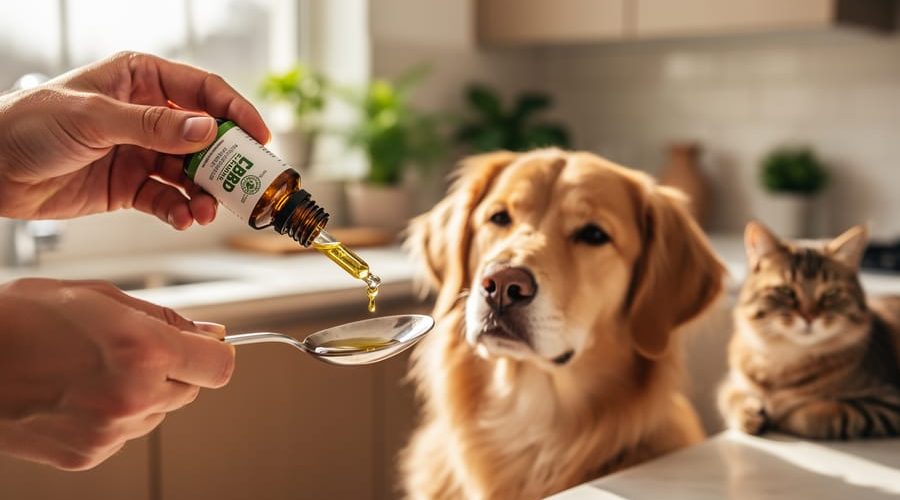
Calculate your pet’s CBD dose using 0.2 mg per kilogram of body weight as your starting point—a 10 kg dog begins with 2 mg of CBD once or twice daily. Multiply your pet’s weight in kilograms by 0.2, then divide the result by your product’s CBD concentration per milliliter to determine how many drops or milliliters to administer.
Increase dosage gradually over 7-10 days if you don’t see improvements, moving from the conservative starting dose (0.2 mg/kg) to a standard dose (0.5 mg/kg) and finally to a stronger dose (1 mg/kg) for severe conditions. A 20 kg dog experiencing chronic pain might start at 4 mg twice daily and increase to 10 mg twice daily if initial results are insufficient.
Choose CBD products specifically formulated for pets with clear labeling showing total CBD content and serving size, as human products often contain ingredients toxic to animals or concentrations that make accurate dosing nearly impossible. Under Canadian law, veterinary CBD products must come from licensed producers, ensuring quality control and accurate labeling that makes dosage calculations reliable.
Monitor your pet’s response daily by tracking specific symptoms—mobility improvements, reduced anxiety behaviors, appetite changes, or pain indicators—rather than relying on general impressions. This documentation helps you identify the minimum effective dose, avoiding unnecessary expenses while ensuring your pet receives adequate relief. When I first dosed my anxious cat, keeping a simple journal revealed that 3 mg twice daily eliminated her stress-related overgrooming within five days, information that proved invaluable during follow-up veterinary consultations.
Why Most CBD Dosing Advice for Pets Falls Short
When I first started researching CBD for my dog Luna’s anxiety issues, I was overwhelmed by the conflicting information out there. One website suggested 1mg per 10 pounds, another recommended 5mg per pound, and my friend swore by a dosing method she’d found on social media. This confusion isn’t just frustrating—it can be genuinely risky for our pets.
Here’s the reality: veterinary CBD research is still in its early stages. While we have promising studies emerging from institutions like Cornell University and Colorado State University, the body of scientific evidence remains relatively small. Most CBD dosing advice you’ll find online is based on anecdotal reports rather than controlled clinical trials. That gap between what pet owners share in Facebook groups and what researchers have actually proven creates a problematic grey area.
The situation gets even murkier when you consider the lack of standardization in Canada’s pet CBD industry. Unlike human CBD products, which face certain regulations under Health Canada, pet CBD products operate in a less defined space. This means wildly inconsistent product potencies, varying quality standards, and label claims that may not always reflect what’s actually in the bottle. When one product’s “10mg” might actually contain 7mg or 13mg, following a generic dosage chart becomes unreliable at best.
In Canada specifically, veterinarians face additional constraints. Most can’t legally prescribe or recommend specific CBD products due to current regulations, leaving pet owners to navigate these waters largely on their own. This is why working with your vet while also educating yourself becomes essential.
The good news? We can still make informed decisions by understanding the emerging research, calculating proper doses based on actual product potency, and starting conservatively. That’s exactly what evidence-based dosing charts should help you accomplish.
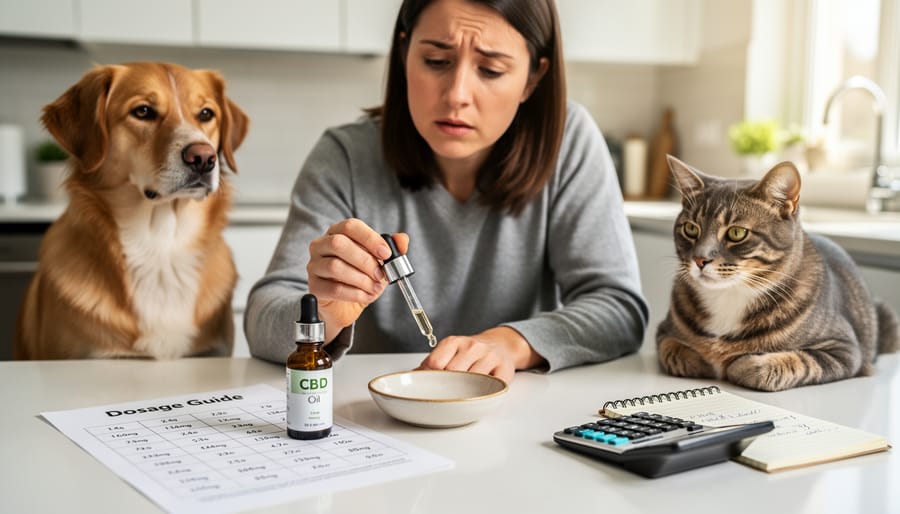
Understanding CBD Dosing Basics for Dogs and Cats
Why Body Weight Matters (But Isn’t Everything)
When I first started researching CBD for my anxious rescue dog, I found myself drowning in conflicting advice. Some sources suggested drops per day, others mentioned milliliters, and I felt completely lost. That’s when I discovered the mg/kg approach, and everything finally made sense.
The milligrams-per-kilogram method is considered the gold standard for pet CBD dosing because it accounts for the most important variable: your pet’s size. A 5 kg Chihuahua and a 40 kg German Shepherd have vastly different needs, and this approach ensures you’re starting with an appropriate baseline. Most veterinarians and researchers recommend beginning with 0.2-0.5 mg of CBD per kilogram of body weight, given twice daily.
Here’s the simple math: multiply your pet’s weight in kilograms by your chosen dose. For example, a 20 kg dog at 0.25 mg/kg would receive 5 mg of CBD per dose.
That said, body weight isn’t the whole story. The severity of your pet’s condition, their individual metabolism, and even their breed can influence how they respond to CBD. In Canada, where pet CBD products are still navigating regulatory frameworks, starting low and adjusting gradually based on your pet’s response remains the safest approach. Think of the dosage chart as your starting point, not your final destination.
The Three Key Factors That Affect Your Pet’s Dose
Finding the right CBD dose for your pet isn’t one-size-fits-all. Think of it like baking – you wouldn’t use the same recipe for a cupcake as you would for a wedding cake. Three main factors determine what dose will work best for your furry friend.
First, there’s the severity of what you’re treating. A dog experiencing mild occasional anxiety will need considerably less CBD than one managing chronic arthritis pain or severe seizures. I learned this firsthand when my neighbour’s cat needed CBD for mild stress versus another friend’s dog who required it for inflammatory bowel disease – the dosing differences were significant.
Second, product potency and bioavailability matter enormously. Not all CBD products deliver the same amount to your pet’s system. A 500mg bottle might sound strong, but if it contains 30ml of oil, that’s only about 16.7mg per milliliter. Meanwhile, bioavailability – how much CBD actually enters your pet’s bloodstream – varies by product type. Oil tinctures typically absorb better than treats because they can be administered directly into the mouth, bypassing some digestive breakdown.
Finally, your pet’s individual metabolism plays a huge role. Just like how some people feel caffeine’s effects for hours while others barely notice it, pets metabolize CBD at different rates. Factors include age, liver function, overall health status, and even genetics. This is why starting low and adjusting gradually based on your pet’s response is essential for finding their personal sweet spot.
Dogs vs. Cats: What You Need to Know
Here’s something I learned the hard way when I first started researching CBD for pets: dogs and cats metabolize CBD very differently, and treating them the same can lead to problems. Cats are significantly more sensitive to CBD than dogs, which means they require much lower doses relative to their body weight.
The standard starting dose for dogs is typically 0.2 mg of CBD per pound of body weight, twice daily. For cats, however, you’ll want to start even lower—around 0.1 to 0.15 mg per pound. This difference isn’t just about size; cats have unique liver metabolism that processes cannabinoids differently than dogs do.
Cats also tend to show sensitivity to certain carrier oils used in CBD products. Many veterinarians I’ve spoken with recommend CBD products specifically formulated for cats, which often use fish oil or other cat-friendly carriers instead of hemp seed oil alone.
Another key difference: cats are more prone to showing adverse effects if the dose is too high, including excessive sedation or changes in appetite. With dogs, you have slightly more flexibility to adjust upward if needed, though you should still proceed cautiously.
My advice? Always choose species-specific products when possible, especially for cats, and never assume a dog-tested dose will work for your feline friend.
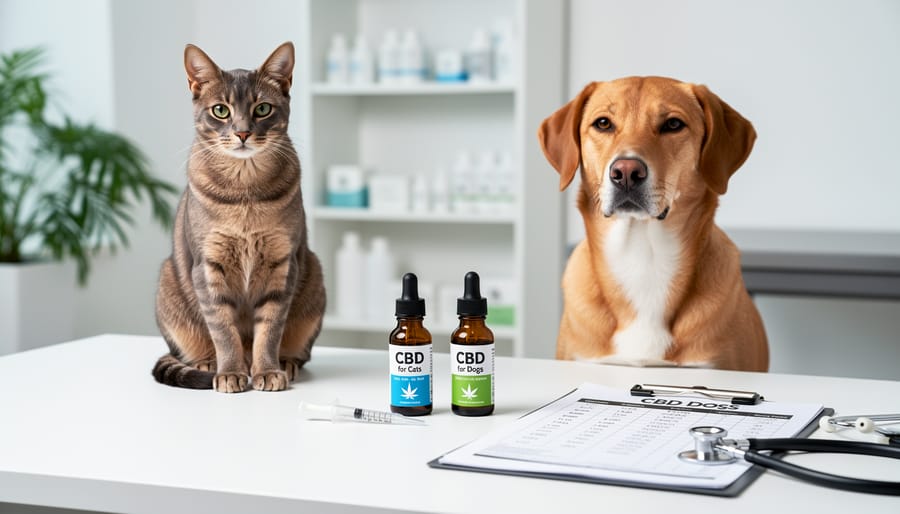
Evidence-Based CBD Dosage Charts for Your Pet
Starting Doses: The Conservative Approach
When I first started researching CBD for my anxious rescue dog, Cooper, the most common advice I found was frustratingly vague: “start low and go slow.” But what does “low” actually mean? After consulting with veterinarians experienced in cannabis therapy and reviewing clinical research, I learned that conservative dosing isn’t just cautious—it’s scientifically sound.
The recommended starting dose for most pets is 0.1 to 0.2 mg of CBD per kilogram of body weight, administered twice daily. This conservative approach allows you to assess your pet’s response while minimizing any potential side effects.
Here’s what this looks like in practice:
For dogs: A 10 kg (22 lb) dog would receive 1-2 mg per dose, twice daily. A 25 kg (55 lb) dog would start with 2.5-5 mg per dose. Larger dogs weighing 40 kg (88 lb) would begin at 4-8 mg per dose.
For cats: A typical 4 kg (9 lb) cat would receive 0.4-0.8 mg per dose, twice daily. A larger 6 kg (13 lb) cat would start with 0.6-1.2 mg per dose.
Why start this low? CBD affects every animal differently based on their unique endocannabinoid system, metabolism, and the condition being treated. Starting conservatively gives you a baseline to observe changes in behaviour, appetite, and symptoms without overwhelming your pet’s system. It also helps you identify the minimum effective dose—which saves money and reduces unnecessary supplementation.
In Canada, where veterinary CBD products aren’t yet regulated under the Cannabis Act, this careful approach is especially important. You’re essentially conducting your own therapeutic trial, so documenting your pet’s response at each dose level becomes crucial for finding their optimal dosage.
Therapeutic Doses by Condition
Finding the right CBD dose for your pet depends primarily on what you’re treating. While veterinary CBD research is still evolving, emerging studies and clinical experience have identified effective dosing ranges for common conditions.
For pain and arthritis, research suggests starting with 0.5 to 2 mg of CBD per kilogram of your pet’s body weight, given twice daily. A 20 kg dog, for example, would receive 10-40 mg per dose. Many pet owners find relief at the lower end of this range, though older pets with severe joint issues may need doses closer to the upper limit. I’ve spoken with Canadian pet owners who’ve seen remarkable improvements in their senior dogs’ mobility within two weeks of consistent dosing.
Anxiety-related conditions typically respond well to 1-2 mg/kg doses. This range applies to separation anxiety, noise phobias, and general nervousness. Some pet parents dose once daily for ongoing anxiety, while others use CBD situationally before stressful events like thunderstorms or fireworks. The key is finding what works for your individual pet’s temperament.
Seizure management requires higher doses, generally 2-3 mg/kg twice daily. This condition demands particularly close veterinary supervision, as CBD may affect blood levels of anti-seizure medications. Understanding CBD drug interactions is essential before adding it to your pet’s seizure protocol.
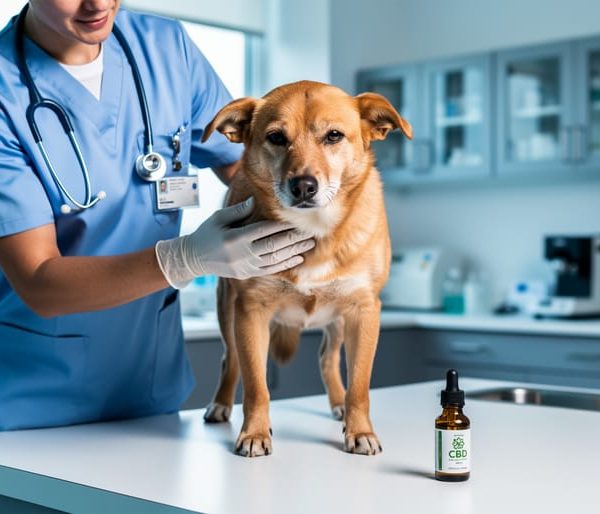
It’s important to understand the Canadian legal context: veterinary CBD products aren’t approved by Health Canada, so veterinarians cannot legally prescribe CBD or provide specific dosing instructions. However, many vets are willing to discuss CBD as part of your pet’s overall wellness plan and can help monitor your pet’s response.
Always start at the lowest suggested dose for your pet’s condition and increase gradually over 7-10 days while monitoring their response. Never exceed recommended ranges without veterinary guidance, and remember that individual pets may respond differently based on their metabolism and health status.
How to Adjust Your Pet’s Dose Safely
Once you’ve established your pet’s starting dose, the key to finding their ideal amount is patient, gradual adjustment. Think of it like tuning an instrument—small changes make all the difference.
Start by maintaining the initial dose for at least 3-5 days. This gives your pet’s body time to adjust and allows you to observe genuine effects rather than temporary responses. Keep a simple journal noting any changes in behavior, mobility, anxiety levels, or appetite. When I first dosed my nervous rescue cat, Max, I thought I saw improvement on day one, but by day three, I realized those early signs were just wishful thinking on my part.
If you’re not seeing the desired results after this initial period, increase the dose by 25%. For example, if your 20-pound dog started at 5 mg twice daily, bump it up to approximately 6.25 mg per dose. This conservative approach minimizes the risk of unwanted effects while steadily moving toward the therapeutic range.
Continue this pattern—hold steady for 3-5 days, assess, then increase by 25% if needed—until you notice meaningful improvement. Signs you’ve found the right dose include reduced anxiety behaviors, improved mobility, better appetite, or decreased inflammation symptoms.
If your pet becomes unusually drowsy, loses appetite, or shows digestive upset, you’ve likely gone too high. Simply return to the previous dose and maintain it there.
Calculating the Right Amount from Your CBD Product
Reading CBD Product Labels Correctly
Understanding CBD product labels is crucial for accurate dosing, but it can feel like reading a foreign language at first. Let me walk you through the key details that matter most when dosing your pet.
The biggest source of confusion I’ve encountered is the difference between total CBD content and CBD per serving. A bottle might advertise “500mg CBD” on the front label, but that’s the total amount in the entire container. What you really need to know is how much CBD is in each milliliter or each dropper full. This information is typically found in smaller print on the back label or product insert.
Here’s a practical example: If a 30mL bottle contains 300mg of total CBD, the concentration is 10mg per mL. If the dropper delivers 1mL per full squeeze, then one full dropper gives your pet 10mg of CBD. Some products list concentration as mg/mL directly, which makes calculations easier.
I learned this the hard way when I first started researching CBD for my own dog. I thought I was giving the recommended dose, but I’d misread the label and was actually giving far less than intended. No wonder I wasn’t seeing results!
Common calculation mistakes include confusing milligrams with milliliters, assuming all droppers deliver the same amount (they don’t), and not accounting for product concentration differences. Always check if the dropper has measurement markings, and when in doubt, contact the manufacturer for clarification. Canadian CBD pet products must list this information clearly, so take your time reading before administering.
Simple Math for Dose Calculation
Calculating the right dose doesn’t require a pharmacy degree—just simple multiplication. Here’s the formula I share with every pet owner who asks:
(Your pet’s weight in kg) × (Recommended mg per kg) = Total daily CBD in mg
Then, to figure out how much product to give:
(Total daily CBD needed) ÷ (CBD concentration per ml or treat) = Amount to administer
Let me walk you through a real example. Say you have a 20 kg dog, and you’re starting with 0.25 mg per kg:
20 kg × 0.25 mg/kg = 5 mg daily
If your tincture contains 10 mg CBD per ml, you’d give:
5 mg ÷ 10 mg/ml = 0.5 ml per day
For treats containing 2.5 mg each:
5 mg ÷ 2.5 mg per treat = 2 treats daily
Here’s a quick reference for a 20 kg dog at different dosing levels:
Low dose (0.25 mg/kg): 5 mg daily
Medium dose (0.5 mg/kg): 10 mg daily
Higher dose (1 mg/kg): 20 mg daily
Most droppers have measurement marks, but if you’re unsure, a standard dropper holds approximately 1 ml when full. When I first started giving CBD to my own pets, I kept these calculations taped to my fridge until they became second nature.
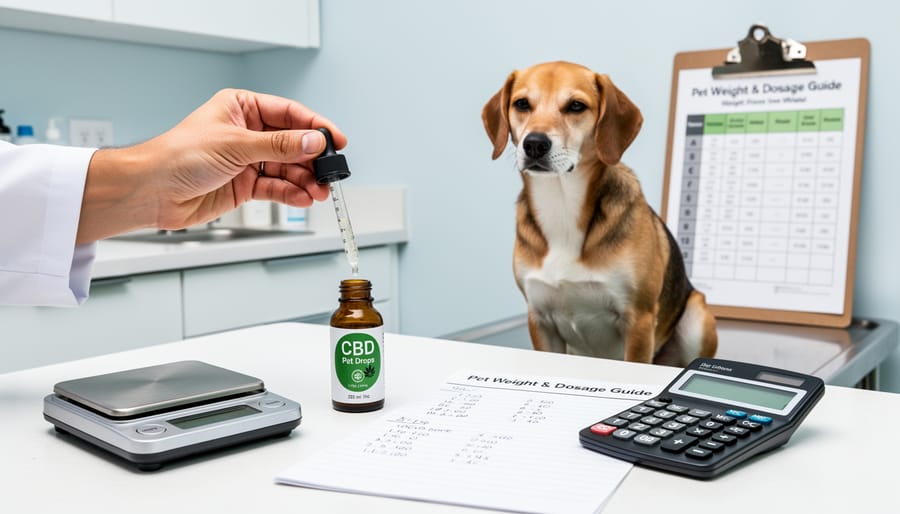
What Danielle Learned About Pet CBD Dosing the Hard Way
I’ll be honest with you—I made a rookie mistake when I first started giving CBD to my anxious rescue dog, Bailey. I thought “natural equals safe in any amount,” so I eyeballed the dosage, figuring a little extra wouldn’t hurt. Within hours, Bailey was noticeably lethargier than usual, stumbling slightly and looking utterly confused. I panicked and called my vet immediately.
Thankfully, Bailey was fine after sleeping it off, but my vet gave me a reality check I needed. She explained that while CBD has a good safety profile, dosing still matters tremendously. Too much can cause sedation, digestive upset, and unnecessary stress on your pet’s system. Too little just wastes your money without providing relief.
That experience taught me three critical lessons. First, always start with the lowest recommended dose based on your pet’s weight, even if you think they need more. Bailey weighed 18 kilograms, and I should have started with just 9 milligrams twice daily, not the generous squeeze I gave her. Second, keep a detailed journal. I now track every dose, the time given, and any changes in Bailey’s behavior or symptoms. This helped me identify the sweet spot where her anxiety improved without side effects.
Third, product consistency matters more than I realized. When I switched CBD brands without adjusting for different concentrations, I accidentally doubled Bailey’s dose. Now I always recalculate when trying new products, checking the milligrams per milliliter carefully.
The biggest takeaway? Patience pays off. It took three weeks of careful adjustments to find Bailey’s ideal dose. Rushing that process by guessing or overdoing it would have caused more problems than it solved.
Red Flags: When Dosing Goes Wrong
While CBD has an excellent safety profile for pets, knowing what to watch for helps you act quickly if something seems off. The good news? Serious adverse reactions are extremely rare when following proper dosing guidelines.
The most common signs that your pet may have received too much CBD include excessive lethargy (more than just relaxation), loss of balance or wobbly movements (called ataxia), vomiting, diarrhea, or increased drooling. Some pets may also become unusually quiet or show changes in appetite. These symptoms typically appear within 1-3 hours of administration.
If you notice any of these signs, stay calm. CBD overdoses in pets are rarely dangerous, but they’re uncomfortable. Stop giving CBD immediately and ensure your pet has access to fresh water. Monitor them closely and keep them in a safe, comfortable space where they can’t injure themselves if they’re unsteady. Most symptoms resolve within 12-24 hours as the CBD metabolizes naturally.
Contact your veterinarian right away if your pet shows severe symptoms like inability to stand, continuous vomiting, extreme disorientation, or seizures. Also reach out if milder symptoms persist beyond 24 hours or if your pet is on other medications where medication interactions could be a concern.
Keep the CBD product bottle handy so you can tell your vet exactly what your pet received, including the concentration and amount. This information helps them provide the most appropriate care.
Navigating Veterinary CBD in Canada: What’s Legal and What’s Not
Here’s the reality of CBD for pets in Canada: it exists in a legal grey zone that can feel frustrating when you’re just trying to help your furry friend. While CBD products are widely available for humans, Health Canada hasn’t approved any CBD products specifically for veterinary use. This means your vet legally cannot prescribe or even officially recommend CBD for your pet, regardless of their personal opinion on its benefits.
This doesn’t mean CBD products for pets don’t exist in Canada—they absolutely do. However, they’re sold as supplements or wellness products, not as veterinary medicines. You’ll find them in pet stores, online retailers, and health shops, but they exist outside the regulated veterinary pharmaceutical system.
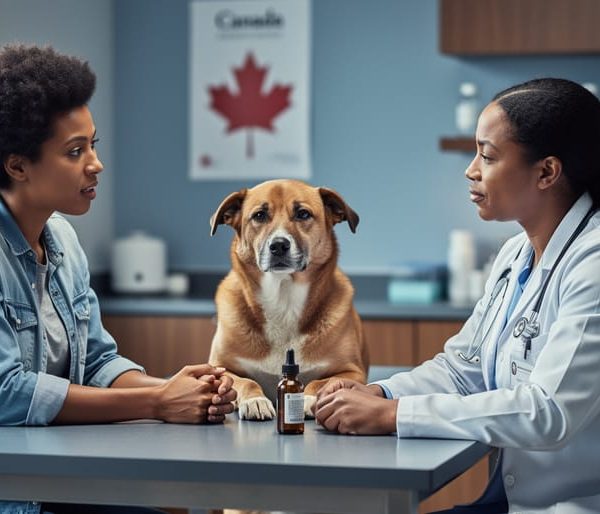
So how do you navigate this? First, understand that even though your vet can’t prescribe CBD, many are willing to have a veterinary CBD consultation with you. They can discuss your pet’s health conditions, review potential drug interactions, and help monitor your pet’s response—they just can’t hand you a prescription or product recommendation.
When shopping for pet CBD in Canada, look for products with third-party lab testing certificates, clear ingredient lists, and transparent sourcing. Reputable companies will provide batch-specific certificates of analysis showing CBD content and confirming the absence of THC above legal limits (0.3 percent). Since these products aren’t regulated as medicines, quality varies significantly between brands.
My advice? Be upfront with your vet about considering CBD. Most appreciate being kept in the loop and can help you watch for side effects or interactions with existing medications. Keep detailed records of the product you’re using, the dosage, and your pet’s response. This documentation helps your vet provide better overall care, even if they can’t officially guide the CBD aspect. Think of it as a collaborative approach where you’re the informed decision-maker and your vet remains your pet’s primary healthcare provider.
Beyond the Chart: Making CBD Work for Your Pet
Getting the dose right is only half the battle—how you administer CBD matters just as much. I learned this the hard way when I first tried giving my cat Whiskers CBD oil. Let’s just say she made her feelings very clear about the dropper!
Start by choosing the right time. Give CBD with food to improve absorption and mask the earthy taste. Morning doses work well for anxiety-related issues, while evening administration helps with pain that worsens overnight. Whatever timing you choose, stick with it—consistency is key for building CBD levels in your pet’s system.
For picky eaters, mix CBD oil into wet food, peanut butter (xylitol-free for dogs), or even a bit of tuna juice for cats. Some pets take treats more readily than tinctures. If your cat refuses everything, consider CBD capsules hidden in pill pockets or ask your vet about transdermal application on the inner ear.
Keep a simple tracking log for the first month. Note the dose, time given, and any changes you observe in symptoms, behavior, appetite, or energy levels. This documentation proves invaluable during vet check-ins and helps you identify the optimal dose faster.
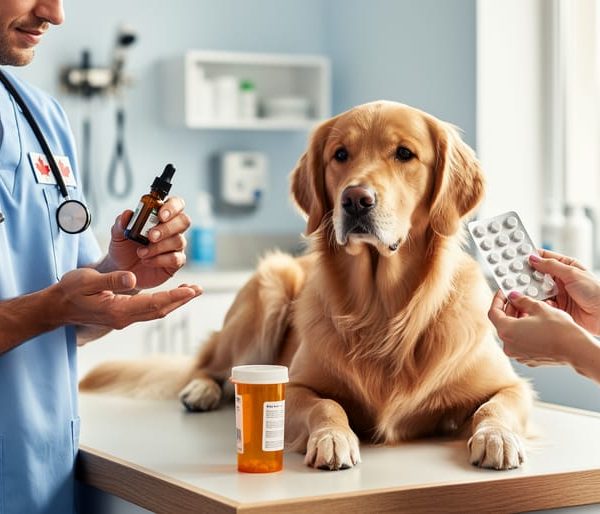
Always inform your veterinarian about CBD use, especially if your pet takes other medications. CBD can interact with certain drugs, affecting how they’re metabolized.
Remember that CBD works best as part of a comprehensive care plan. It shouldn’t replace prescribed medications or veterinary treatment, but rather complement them. In Canada, veterinarians cannot legally prescribe CBD, but they can monitor your pet’s overall health while you incorporate it into their routine. Give it time—most pets need 2-4 weeks of consistent dosing before you’ll see full benefits.
Finding the right CBD dosage for your pet doesn’t have to be overwhelming. By following the start-low-go-slow approach outlined in this guide, you’re already setting your furry companion up for success. Remember, the charts provided are starting points, not rigid rules. Every pet is unique, and what works perfectly for one dog or cat may need adjustment for yours.
I’ve personally watched friends navigate this process with their pets here in Canada, and the patience they showed during the adjustment period always paid off. One friend’s anxious rescue dog needed three weeks of gradual increases before they found the sweet spot that truly helped with thunderstorm anxiety. That’s completely normal.
Before starting your pet on CBD, consulting with a veterinarian familiar with cannabinoid therapy is your best first step. They can help you consider any medications your pet takes and monitor their progress. Keep detailed notes about dosing and your pet’s responses, and don’t hesitate to adjust as needed.
You’ve got this. Armed with the dosage calculations, charts, and principles from this guide, you’re well-equipped to begin your pet’s CBD journey safely and confidently. Trust the process, observe carefully, and give it time. Your pet’s individual needs will guide you to their optimal dose.