
Check your CBD product’s label right now for an expiration date or “best before” marking—this simple stamp tells you when potency and safety begin to decline, yet most Canadians overlook it entirely. That bottle of CBD oil sitting in your bathroom cabinet for eight months? It’s likely lost 10-20% of its cannabinoid content, potentially more if exposed to heat or light.
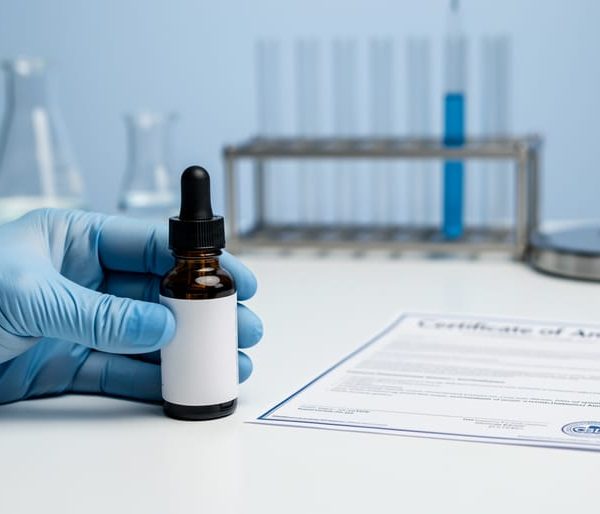
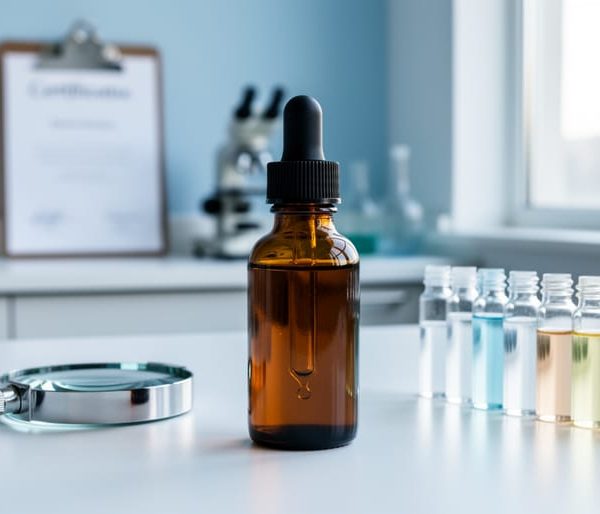
Shelf-life testing determines exactly how long CBD products maintain their labeled potency, purity, and safety under specific storage conditions. Manufacturers conduct accelerated aging studies and real-time stability testing to establish accurate expiration dates, measuring cannabinoid degradation, microbial growth, and changes in pH or texture over weeks or months. Without this testing, you’re essentially gambling on whether your CBD contains what the label promises.
In Canada, while Health Canada doesn’t mandate shelf-life testing for all CBD products the way it does for cannabis, reputable manufacturers voluntarily conduct these studies to ensure quality and build consumer trust. The difference matters significantly: products with validated shelf-life data give you confidence that the 25mg of CBD per serving listed on the label actually exists in your product today, not just the day it was manufactured.
Understanding shelf-life testing transforms you from a passive consumer into an informed buyer who can evaluate product quality, storage recommendations, and whether that discounted CBD cream is genuinely a deal or simply approaching expiration. This knowledge protects both your wallet and your wellness goals.
What Shelf-Life Testing Actually Means for Your CBD Products

The Science Behind CBD Degradation (Explained Simply)
Let me explain what’s actually happening to your CBD product as it sits on your shelf. Think of CBD molecules like tiny building blocks that gradually break apart when exposed to certain conditions—it’s a completely natural process called degradation.
CBD is what scientists call a “cannabinoid,” and these compounds are surprisingly sensitive to their environment. When CBD degrades, it doesn’t become harmful or toxic—this is important to understand. Instead, it simply transforms into other compounds that don’t provide the same benefits you’re looking for. The main breakdown product is called CBN (cannabinol), which has different effects than CBD.
The biggest culprits accelerating this breakdown are light, heat, air, and time. UV light from sunshine is particularly harsh on CBD molecules, which is why quality products come in dark amber or opaque bottles. Heat speeds up chemical reactions—leaving your CBD oil in a hot car, even for an afternoon, can damage months’ worth of potency. Oxygen exposure causes oxidation, similar to how a cut apple turns brown.
When I first started using CBD, I kept my tincture on a sunny windowsill because it looked pretty there. Big mistake! Within weeks, the oil had changed color and seemed less effective. Now I know better—cool, dark storage is essential.
As CBD degrades, the most noticeable change is reduced potency. That 1000mg bottle might only deliver 800mg or less after extended storage. The product typically remains safe to use, but you’re simply not getting what you paid for. This is exactly why shelf-life testing matters—it tells you how long manufacturers guarantee their products will maintain the CBD concentration listed on the label, giving you confidence in what you’re actually consuming.
What Canadian Regulations Require
In Canada, Health Canada regulates CBD products under the Cannabis Act and its accompanying regulations, which means shelf-life testing isn’t just a nice-to-have—it’s actually required for licensed producers. When I first learned about this, I was honestly relieved. It means the products we’re buying have undergone legitimate stability testing before reaching store shelves.
Health Canada requires licensed producers to establish expiry dates based on actual stability data. This isn’t guesswork. Companies must conduct tests that demonstrate their products maintain potency, safety, and quality throughout the claimed shelf life. These tests typically examine factors like cannabinoid content (ensuring your CBD levels stay consistent), microbial stability (no unwanted bacteria growth), and physical characteristics like colour and smell.
When you’re shopping for CBD products, here’s what to look for on Canadian packaging. You should always see a clearly printed expiry date or “best before” date. This isn’t optional—it’s legally required. You’ll also find a lot number, which allows for traceability if there’s ever a recall or quality concern. The packaging should list the CBD content in milligrams, and this amount should remain accurate until the expiry date passes.
If a product doesn’t have an expiry date, that’s a red flag. It likely means it wasn’t produced by a licensed facility or hasn’t undergone proper testing. While it might be tempting to save money on cheaper options, products without proper shelf-life testing could lose effectiveness or even become unsafe over time.
The Key Factors That Determine How Long Your CBD Stays Fresh
Light, Heat, and Air: The Triple Threat
Think of your CBD products like fresh produce—they don’t last forever, especially when exposed to the wrong conditions. Light, heat, and air are the three main culprits that can break down the beneficial compounds in your CBD, reducing its effectiveness over time.
Light is particularly harsh on cannabinoids. UV rays trigger a chemical reaction called photodegradation, which breaks down CBD molecules and can turn your product less potent or even rancid. This is why reputable brands package their CBD in dark or opaque containers—those amber glass bottles aren’t just for aesthetics.
Heat accelerates this degradation process. When I first started using CBD oils in my Toronto apartment, I made the rookie mistake of storing my bottle near the windowsill. After a few weeks in direct sunlight during summer, the oil developed an off taste and seemed less effective. Canadian summers might not be as intense as some places, but that heat still matters.
Air exposure, or oxidation, is the third threat. Every time you open your CBD product, oxygen sneaks in and slowly degrades the cannabinoids and other beneficial compounds.
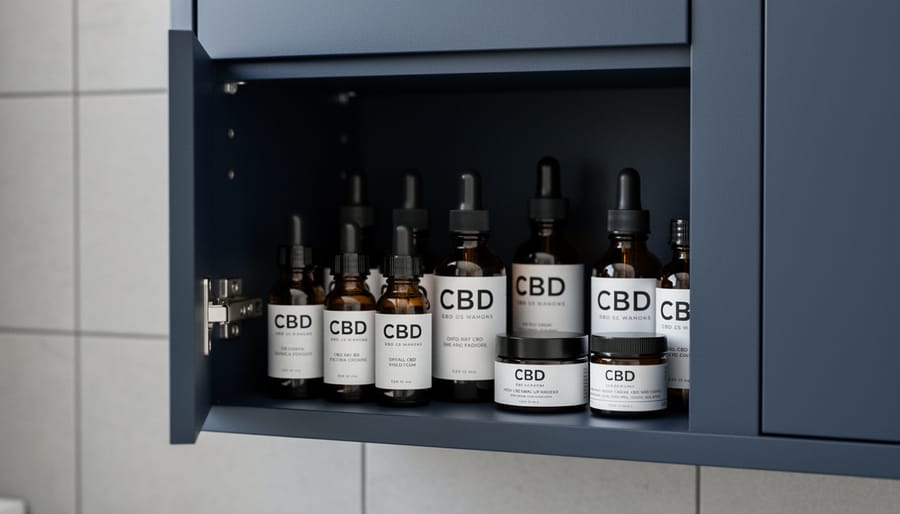
Here’s how to fight back: store your CBD products in a cool, dark place like a kitchen cupboard or drawer—not your bathroom cabinet where humidity fluctuates. Keep containers tightly sealed when not in use. Some people even refrigerate their CBD oils, though this can make the oil thicker. Most importantly, buy products in appropriate sizes so you use them before degradation becomes an issue. A two-year supply might seem economical, but not if half of it loses potency before you finish it.

Why Product Format Matters
Not all CBD products are created equal when it comes to longevity, and understanding these differences can save you money and ensure you’re getting the most from your purchase.
CBD oils and tinctures typically last between one to two years when stored properly. Their alcohol or oil-based formulations act as natural preservatives, helping maintain potency over time. I’ve personally found that my CBD oils stay fresh much longer than I initially expected, especially when I keep them in a cool, dark cupboard away from my kitchen stove. The key is protecting them from heat and light exposure, which can break down cannabinoids faster.
Edibles like gummies and baked goods have shorter shelf lives, usually ranging from six months to one year. This makes sense when you think about it—they contain ingredients like sugars, fats, and flavourings that naturally degrade over time, just like regular food products. The CBD itself might remain stable, but the carrier ingredients determine overall freshness.
Topicals such as creams and balms fall somewhere in the middle, typically lasting around one year. Their shelf life depends heavily on the other ingredients in the formula. Products with natural ingredients and fewer preservatives may expire sooner, while those with stabilizing agents can last longer. Always check for changes in smell, texture, or colour, which signal it’s time to replace them.
Capsules often have the longest shelf life, sometimes up to two years, because they’re protected from air and light exposure by their outer coating. This encapsulation shields the CBD from environmental factors that cause degradation, making them an excellent choice if you’re someone who uses CBD occasionally rather than daily.
The bottom line? Water-based and food-based products expire faster, while oil-based and encapsulated formats offer better longevity.
How Manufacturers Actually Test CBD Stability
Real-Time vs. Accelerated Testing
When you’re looking at CBD products, you’ll notice manufacturers use two main approaches to figure out how long their products stay fresh and effective.
Real-time testing is exactly what it sounds like: companies store their CBD products under normal conditions and test them at regular intervals over months or even years. Think of it like leaving a jar of CBD oil in your pantry and checking it every few months to see if it’s still good. This method gives the most accurate picture of shelf life, but it’s incredibly time-consuming. If a product has a two-year shelf life, real-time testing takes two full years to complete. For new products trying to get to market quickly, that’s a significant challenge.
That’s where accelerated testing comes in. This method speeds things up by storing products in harsher conditions—higher temperatures and humidity levels than you’d normally encounter. The idea is that stress-testing the product helps predict what would happen over a longer period under normal conditions. It’s like fast-forwarding through time. A few weeks or months of accelerated testing can estimate what might take a year or more in real-time testing.
Most reputable Canadian CBD manufacturers use both approaches. They’ll run accelerated tests to get products on shelves faster, then continue real-time testing in the background to confirm their predictions were accurate. When I first learned about this dual approach, it made me appreciate why quality CBD products cost what they do—there’s serious science backing those expiration dates you see on labels.
What Gets Tested (And Why It Matters to You)
When companies conduct shelf-life testing on CBD products, they’re checking three critical things that directly affect what you’re putting in your body.
First up is potency testing. This measures whether the CBD content listed on your bottle’s label stays accurate over time. If your tincture claims 1000mg of CBD, you want to know it still contains that amount six months from now, not just on manufacturing day. Health Canada requires accurate labeling, so this testing protects both you and the company.
Second, labs test for microbial contamination—basically, checking that nothing nasty like bacteria, mold, or yeast is growing in your product. This is especially important for products with natural ingredients or those exposed to moisture. I once kept a CBD cream in my humid bathroom and learned this lesson the hard way when it developed an off smell well before its expiry date.
Finally, there’s cannabinoid profile stability. CBD can degrade into other compounds over time, particularly when exposed to light or heat. This testing ensures your product’s overall composition remains consistent, so you’re getting the same therapeutic benefits throughout its shelf life. These tests aren’t just paperwork—they’re your assurance that what you bought last month is still effective today.
Red Flags: Signs Your CBD Has Gone Bad
Knowing when your CBD has passed its prime is essential for both safety and effectiveness. I learned this lesson the hard way when I discovered an old CBD tincture at the back of my cabinet—the off smell immediately told me something was wrong.
Start with a visual inspection. Fresh CBD oil should have a clear, golden to amber colour. If you notice cloudiness, separation that doesn’t resolve after shaking, or any dark particles floating in the liquid, these are warning signs. Colour changes can also indicate oxidation—if your previously golden oil has turned murky brown or developed an unusual hue, it’s time to toss it.
Your nose knows best when it comes to CBD products. Quality CBD oil has an earthy, slightly nutty aroma. If you detect a rancid smell, something resembling old cooking oil, or any sour notes, the product has likely oxidized. This is particularly common with carrier oils like hemp seed or coconut oil, which can go bad over time.
Taste is another telltale indicator. While CBD naturally has a bitter, plant-like flavour, expired products develop an unpleasant, harsh taste that’s noticeably different. If your regular product suddenly tastes off or causes an unpleasant burning sensation, don’t continue using it.
For topicals and edibles, watch for changes in texture, consistency, or the appearance of mold. Gummies that become excessively sticky or hard, or creams that separate permanently, should be discarded.
In Canada, proper storage matters significantly given our temperature fluctuations. When in doubt, err on the side of caution—expired CBD won’t necessarily harm you, but it won’t deliver the benefits you’re seeking either. If your product shows multiple red flags or is well past its expiration date, it’s time to replace it.
How to Read Shelf-Life Information on Canadian CBD Products
Reading the shelf-life information on your Canadian CBD product doesn’t have to feel like decoding a secret message. Once you know what to look for, those labels become your roadmap to understanding exactly what you’ve purchased and how long it’ll stay fresh.
In Canada, Health Canada requires licensed producers to include specific information on cannabis and CBD product labels. You’ll always find a manufacturing date, which tells you when the product was actually made. This is usually formatted as year-month-day, so 2024-03-15 means March 15, 2024. Right beside it, you should see a “best before” or expiration date using the same format.
The batch number or lot number is another crucial piece of information. This alphanumeric code lets manufacturers track specific production runs, which becomes important if there’s ever a recall or quality concern. I actually keep a photo of my batch numbers on my phone until I finish a product, just in case I need to reference it later.
Canadian regulations also require a standardized cannabis symbol, the exact cannabinoid content in milligrams, and a product identifier number. All of this information works together to give you a complete picture of what you’re buying.
Here’s something many people don’t realize: the expiration date on CBD products isn’t arbitrary. It’s based on the stability testing we discussed earlier, where manufacturers actually tested their product over time to determine when potency drops below acceptable levels or when degradation begins.
If you’re having trouble locating this information, it’s typically printed on the bottom or back of the container. For oils and tinctures, check the box and the bottle itself. Edibles will have dates printed directly on the packaging, though smaller items might use abbreviated formats.
One helpful tip I’ve learned: if a product lacks clear dating information or the label seems incomplete, that’s a red flag. Legitimate Canadian CBD products from licensed producers will always have complete, easy-to-read labeling. When in doubt, contact the manufacturer directly to clarify any questions about their shelf-life information.
Making Your CBD Last: Storage Tips That Actually Work
Proper storage can mean the difference between CBD that works and an expensive bottle of useless oil. I learned this the hard way when I left a tincture in my car during a Manitoba winter – let’s just say the freeze-thaw cycle didn’t do it any favors.
Start with the basics: keep your CBD products in a cool, dark place. Heat and light are CBD’s biggest enemies, breaking down cannabinoids faster than you’d expect. A kitchen cupboard away from the stove works well, or even your fridge for oils and tinctures. Just remember that refrigerated CBD oil will thicken – completely normal, just let it warm to room temperature before use.
Canada’s dramatic climate variations require different approaches depending on where you live. If you’re in humid Vancouver, moisture control matters more. Consider storing products in airtight containers with silica gel packets. In dry Calgary or Winnipeg, you’ve got less humidity to worry about, but temperature swings between seasons mean consistency is key. Don’t move products between drastically different temperatures repeatedly.
Different product types need different care. Oils and tinctures should always be upright with caps tightly sealed to minimize air exposure. Edibles fare best in their original packaging in cool storage. Topicals can handle room temperature but keep them away from bathroom humidity.
Here’s what not to do: never store CBD near windows, on bathroom counters, in cars, or anywhere that gets direct sunlight. Don’t transfer products to different containers unless they’re opaque and airtight. And avoid the freezer – while it seems logical, ice crystals can affect product consistency.
The payoff for good storage habits? Your CBD maintains potency right up to that expiration date, giving you full value for your investment.
Should You Buy CBD Products Without Shelf-Life Testing?
Honestly? I’ve been there—standing in a store, holding a CBD product with no expiration date, wondering if I’m making a smart choice or just gambling with my money. It’s a real dilemma, especially when you’re trying to stretch your budget.
Here’s my take: while you shouldn’t automatically dismiss products without visible shelf-life testing information, you need to be a savvy shopper. The reality is that some smaller Canadian producers might conduct testing but not prominently display it, while others might skip this step entirely to cut costs.
Before purchasing any CBD product without clear testing details, ask the retailer these essential questions: Does this product have a certificate of analysis? When was it manufactured? What storage conditions does it require? Has the company conducted stability testing? A reputable retailer should be able to provide answers or direct you to the manufacturer’s website for documentation.
In the Canadian market, you can verify product quality through Health Canada’s licensed cannabis database. Check if the producer holds proper licensing and look for third-party lab results on the company’s website. Many legitimate brands maintain transparency portals where you can enter batch numbers to access testing information.
The cost-quality balance is real. Budget-friendly options without extensive testing might work fine if you’re experimenting or using CBD occasionally. However, if you’re managing chronic pain or relying on CBD therapeutically, investing in products with documented shelf-life testing provides peace of mind about potency and safety.
My advice? Start with tested products to understand what quality feels like, then make informed decisions based on your needs and budget. Your health deserves that baseline assurance.
Understanding shelf-life testing doesn’t just make you a more informed consumer—it helps you get real value from your CBD purchases. When I first started paying attention to expiration dates and storage recommendations, I noticed my products actually worked better and lasted longer. That’s money saved and better results, which is exactly what we all want.
The key takeaways are straightforward: look for clear expiration dates on packaging, store your CBD properly in cool, dark places, and don’t assume older products are automatically bad—they just might be less potent. Canadian regulations ensure products are tested before they reach you, but it’s up to you to maintain that quality once they’re in your hands.
I encourage you to check the products you already own. Look at those dates, assess your storage situation, and make adjustments where needed. You might find that simple changes—like moving your CBD oil from the bathroom cabinet to a kitchen cupboard—can extend its effectiveness significantly.
Shelf-life testing exists to protect you and ensure consistency. By understanding what it means and how to apply that knowledge, you’re taking control of your CBD experience and making choices that truly serve your wellness goals.