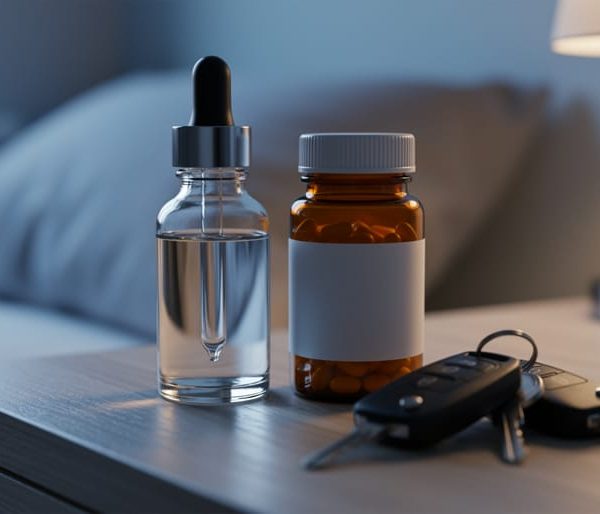

Consult your physician before adding CBD to any depression treatment plan, especially if you’re currently taking antidepressants, as CBD can interact with medications metabolized by liver enzymes. Request a copy of your most recent lab work and mental health assessment to share with any healthcare provider you’re considering for CBD guidance.
Review randomized controlled trials through PubMed or Google Scholar using search terms like “cannabidiol depression clinical trial” to understand the current research landscape. As of 2024, most human studies remain preliminary, with animal research showing more promise than large-scale clinical evidence.
Distinguish between correlation and causation when evaluating CBD studies. Many existing depression studies examine cannabis users broadly rather than isolated CBD compounds, making it difficult to attribute specific benefits to CBD alone versus other cannabinoids or lifestyle factors.
Set realistic expectations based on current evidence. While preliminary research suggests CBD may influence serotonin receptors and reduce anxiety (a common depression symptom), Health Canada has not approved CBD as a depression treatment. Existing antidepressants like SSRIs and SNRIs have decades of clinical trials demonstrating efficacy, whereas CBD’s antidepressant potential remains largely theoretical in humans.
Consider CBD as a potential complementary approach rather than a replacement for evidence-based treatments like cognitive behavioral therapy, medication, exercise, and sleep hygiene. Depression is a serious medical condition requiring comprehensive care, and delaying proven treatments while experimenting with unproven alternatives can worsen outcomes.
Document your symptoms, CBD dosage, and any changes using a mood tracking app or journal if you proceed with CBD under medical supervision, creating objective data to evaluate whether this approach benefits your specific situation.
Understanding Depression and Why People Turn to CBD

What Makes Treatment ‘Evidence-Based’?
When you’re exploring treatment options for depression, you’ll often hear the term “evidence-based.” But what does this actually mean, especially when it comes to something like CBD?
Evidence-based medicine simply means that treatment recommendations are built on solid scientific research rather than guesswork, tradition, or marketing claims. It’s about looking at what studies actually show works, not just what sounds promising.
Medical evidence exists on a hierarchy. At the bottom, we have anecdotal evidence—individual stories and personal experiences. While these can be valuable and shouldn’t be dismissed, they don’t prove that a treatment works for most people. Moving up, we find animal studies and lab research, which help scientists understand potential mechanisms but can’t tell us how humans will respond. Higher still are observational studies that track real-world patterns. At the top of the pyramid sit randomized controlled trials (RCTs) and systematic reviews—the gold standard. These studies compare a treatment directly against a placebo or existing treatments in carefully controlled conditions.
When I first started researching CBD for my own wellness journey, I quickly realized that sorting through claims required understanding this hierarchy. A friend’s success story with CBD isn’t the same as clinical trial data, even though both types of information have their place.
For CBD and depression specifically, most current evidence sits in the lower-to-middle range of this hierarchy. We have promising animal studies and some smaller human trials, but we’re still lacking the large-scale RCTs that would establish CBD as a proven depression treatment. This doesn’t mean CBD doesn’t work—it means the research is still evolving.
The Current State of CBD Research for Depression
What Animal Studies Tell Us (And What They Don’t)
Before we look at human research, it’s helpful to understand what scientists have learned from animal studies—and just as importantly, what those studies can’t tell us.
Animal research has provided some intriguing clues about how CBD might influence mood-related brain chemistry. Studies on rodents have shown that CBD interacts with serotonin receptors, particularly the 5-HT1A receptor, which plays a key role in regulating mood and anxiety. In these experiments, CBD appeared to produce effects similar to antidepressants in behavioral tests designed to measure depressive-like symptoms.
Other animal studies have examined CBD’s impact on stress response systems. Researchers found that CBD administration helped normalize cortisol levels and appeared to promote neurogenesis—the growth of new neurons—in the hippocampus, a brain region often affected in depression. These are genuinely interesting findings that help scientists understand potential biological mechanisms.
However, here’s the crucial limitation: mice and rats aren’t simply small humans. Depression in humans is an incredibly complex condition involving thoughts, emotions, life circumstances, and intricate brain chemistry that can’t be fully replicated in animals. A rat showing less immobility in a forced swim test isn’t experiencing clinical depression the way a person does.
Think of animal studies as helpful starting points that suggest possibilities worth investigating further. They help researchers decide which questions to ask in human trials, but they can’t answer whether CBD actually works for human depression. The dosages used in animal studies are often much higher than what people typically take, and the way CBD is metabolized differs significantly between species.
That’s why, despite promising animal research, we need robust human clinical trials before drawing conclusions about CBD’s effectiveness for depression in people.

Human Studies: The Evidence Gap
Here’s where we need to have an honest conversation: the research specifically examining CBD for depression in humans is surprisingly limited. While the preliminary science looks promising, we’re still in the early stages of understanding whether CBD truly works as a depression treatment.
As of now, there are very few large-scale, randomized controlled trials—the gold standard in medical research—that specifically investigate CBD for depression. Most existing studies have focused on animal models or have been small pilot studies with limited participants. This doesn’t mean CBD doesn’t work for depression; it simply means we don’t yet have the robust clinical evidence that researchers and healthcare providers need to make definitive recommendations.
That said, there is more substantial research on CBD for anxiety, which is relevant because anxiety and depression frequently occur together. Several studies have shown CBD’s potential in reducing anxiety symptoms, and some researchers believe these anti-anxiety effects might contribute to improved mood in people experiencing depression. However, anxiety and depression are distinct conditions with different underlying mechanisms, so we can’t simply assume results will transfer directly.
A few small human trials have examined CBD’s effects on mood and quality of life, with some participants reporting improvements. But these studies often lack placebo controls, have small sample sizes, or don’t isolate depression as the primary outcome measure. The research is encouraging enough to warrant further investigation, but not conclusive enough for medical guidelines to recommend CBD as a first-line depression treatment.
I want to be transparent with you: if you’re considering CBD for depression based on clinical evidence alone, you’ll find the cupboard somewhat bare. This is precisely why working with a healthcare provider familiar with your complete medical picture is so important. They can help you weigh the limited evidence against your individual circumstances and ensure you’re not forgoing proven treatments while exploring CBD as a complementary option.
How CBD Might Work in the Brain
Scientists are still piecing together exactly how CBD affects the brain, but several promising mechanisms have emerged from laboratory research.
First, CBD appears to interact with serotonin receptors, particularly the 5-HT1A receptor. Since many traditional antidepressants work by affecting serotonin levels, this connection is intriguing. However, CBD doesn’t work exactly like SSRIs—it may influence how receptors respond to serotonin already in your system.
Second, CBD works with your endocannabinoid system, a network of receptors throughout your body that helps regulate mood, stress response, and emotional processing. Some researchers believe depression might involve dysfunction in this system, and CBD may help restore balance.
Third, CBD shows anti-inflammatory properties in laboratory settings. Growing evidence suggests inflammation may play a role in depression for some people, so reducing brain inflammation could theoretically help mood symptoms.
It’s important to emphasize that most of this research comes from animal studies or test tubes, not human trials. While these mechanisms sound promising, we can’t yet say with certainty that they translate into real-world benefits for people experiencing depression. The gap between understanding how something might work and proving it actually helps patients is significant.
What This Means for Canadians Considering CBD
The Honest Assessment: Where CBD Stands Today
Here’s where we need to be really honest with each other. As someone who’s followed CBD research closely and spoken with countless Canadians exploring it for mental health support, I can tell you that the science simply isn’t there yet to call CBD an evidence-based depression treatment.
The reality is this: while early research shows promise and the biological mechanisms make theoretical sense, we don’t have the large-scale, long-term clinical trials needed to confirm CBD works for depression or to establish proper dosing protocols. Most existing studies are small, short-term, or conducted on animals. That’s not enough to meet the standard of evidence-based medicine.
Does this mean CBD has no place in your mental wellness toolkit? Not necessarily. What it means is that CBD shouldn’t be viewed as a replacement for established depression treatments like therapy, antidepressants, or other interventions your healthcare provider recommends. Think of it more as a potential complementary approach, something you might explore alongside conventional treatment, not instead of it.
I’ve heard from people who feel CBD helps them manage anxiety or sleep better, which can indirectly support their mental health. But I’ve also heard from those who experienced no benefit at all. Both experiences are valid and reflect what the inconsistent research suggests.
If you’re considering CBD for depression in Canada, the most important step is discussing it openly with your doctor or mental health professional. They can help you weigh the potential benefits against the unknowns, check for medication interactions, and ensure you’re not delaying treatments with stronger evidence behind them. Managing depression requires proven strategies, and right now, CBD remains in the “interesting possibility” category rather than the “established treatment” one.
Canadian Legal and Medical Landscape
Here’s something I wish I’d understood earlier in my CBD journey: in Canada, CBD is not approved by Health Canada as a treatment for depression. This is really important to know because it affects everything from how you can access CBD to whether your insurance might cover it.
Health Canada regulates CBD as a cannabis product, which means it’s legal to purchase from licensed retailers or through the medical cannabis access system. However, the agency hasn’t authorized any CBD products specifically for treating depression because there simply isn’t enough clinical evidence yet to meet their approval standards. This doesn’t mean CBD is unsafe or that research isn’t promising—it just means we’re still in the early stages of understanding how it works for mental health conditions.
This regulatory position has practical implications. Most extended health insurance plans won’t cover CBD for depression since it’s not an approved indication. If you’re accessing CBD through a licensed cannabis retailer, you’re essentially purchasing it as a wellness product rather than a prescription medication. Some Canadians do access CBD through Healthcare Practitioners who can authorize medical cannabis, but even then, coverage varies significantly between insurance providers.
The key takeaway? CBD remains in a grey area for depression treatment in Canada. It’s legal and accessible, but it’s not recognized as an evidence-based medical treatment yet.
Clinical Considerations If You’re Thinking About Trying CBD

Talk to Your Healthcare Provider First
Before considering CBD for depression, having an open conversation with your healthcare provider is absolutely essential. This is especially critical if you’re currently taking antidepressants or any other medications. I learned this lesson myself when I first explored CBD for anxiety—my doctor helped me understand potential interactions I hadn’t even considered.
If you’re on medication, the interaction risks are real. CBD can affect how your liver processes certain drugs, potentially making them more or less effective. This is particularly important with antidepressants like SSRIs. Before mixing CBD with medications, you need professional guidance to ensure your safety.
I know some doctors in Canada may be skeptical about CBD, and that can feel discouraging. Here’s my advice for having a productive conversation: come prepared with questions rather than demands. Ask specifically about potential interactions with your current medications. Bring information about the products you’re considering, including CBD content and third-party testing results. Frame it as seeking their expertise, not asking for permission.
If your doctor dismisses CBD entirely without discussion, consider why. Are they concerned about interactions, lack of evidence, or just unfamiliar with it? You might ask if they’d be willing to monitor you if you decide to try CBD, or if they can refer you to a colleague more knowledgeable about cannabinoid medicine.
Never stop taking prescribed antidepressants without medical supervision, even if you’re trying CBD. Depression is serious, and your current treatment plan exists for important reasons.
Potential Drug Interactions and Side Effects
If you’re considering CBD for depression, understanding potential drug interactions is essential—especially if you’re already taking antidepressants. This is something I’ve seen people overlook, and it’s too important to ignore.
CBD is metabolized by the same liver enzymes (specifically CYP450) that process many common antidepressants, including SSRIs like sertraline, fluoxetine, and escitalopram. When CBD and these medications compete for the same enzymes, it can affect how your body processes either substance. This might increase medication levels in your bloodstream, potentially intensifying side effects, or decrease effectiveness. The CBD and medication interactions with psychiatric medications are particularly concerning because these drugs require careful dosing for optimal effect.
Other antidepressant interactions include SNRIs, tricyclic antidepressants, and MAO inhibitors. Each class carries unique interaction risks.
CBD itself can cause side effects including fatigue, changes in appetite, diarrhea, and drowsiness. While generally considered well-tolerated, these effects can overlap with depression symptoms or antidepressant side effects, making it difficult to identify the source of any problems.
For people with depression, medical supervision becomes even more critical. Depression is a serious condition requiring consistent, effective treatment. Making changes to your treatment plan without professional guidance could worsen symptoms or create dangerous complications. Your doctor can monitor for interactions, adjust dosages appropriately, and ensure your depression receives the comprehensive care it deserves. In Canada, having open conversations with healthcare providers about CBD use is becoming increasingly common and accepted.
If You Decide to Try CBD: A Safe Approach
If you’ve weighed the evidence and decided to explore CBD as a complementary approach to managing depression, doing so thoughtfully and safely is essential. Here’s how to start cautiously.
First, have an honest conversation with your healthcare provider before beginning CBD, especially if you’re already taking antidepressants or other medications. CBD can interact with certain drugs, and your doctor needs to know what you’re considering.
When choosing products in Canada, look for licensed producers with Health Canada approval. Quality matters tremendously—seek out products with third-party lab testing that confirms cannabinoid content and screens for contaminants. Check for clear labeling that shows exact CBD and THC amounts. I’ve learned through experience that transparent companies willing to share these test results are worth trusting.
Start with a low dose, typically 5-10mg of CBD daily, and increase gradually over several weeks if needed. There’s no established therapeutic dose for depression specifically, so patience is key. Keep a simple mood journal tracking your symptoms, sleep quality, energy levels, and any side effects. This record helps you notice patterns and provides valuable information for your healthcare provider.
Be prepared to stop if you experience worsening depression, increased anxiety, or concerning side effects like excessive fatigue or digestive issues. CBD isn’t right for everyone, and that’s perfectly okay.
Remember, CBD should complement, not replace, evidence-based treatments like therapy and prescribed medications. If your depression symptoms persist or worsen despite trying CBD, reconnecting with your mental health provider is crucial. Your wellbeing deserves comprehensive, professional care.

Evidence-Based Alternatives and Complementary Approaches
If you’re exploring options for depression treatment in Canada, it’s important to know what approaches have the strongest scientific backing. Cognitive Behavioral Therapy (CBT) and other evidence-based psychotherapies consistently show robust results in clinical trials. CBT helps you identify and change negative thought patterns, and it’s widely available across Canada through psychologists, counsellors, and even online platforms. Interpersonal therapy is another proven option that focuses on improving your relationships and communication patterns.
When it comes to medication, selective serotonin reuptake inhibitors (SSRIs) and other antidepressants have decades of research supporting their effectiveness for moderate to severe depression. While they’re not perfect and don’t work for everyone, they have a much larger evidence base than CBD currently does.
Lifestyle interventions shouldn’t be overlooked either. Regular exercise has been shown in numerous studies to reduce depressive symptoms, sometimes as effectively as medication for mild to moderate depression. Sleep hygiene, structured routines, nutrition, and social connection all play significant roles in mental health recovery.
So where does CBD fit into all this? Rather than viewing it as a sole solution, it might be more realistic to consider CBD as a potential complementary approach alongside these proven treatments. Some Canadians report that CBD helps them manage anxiety or sleep issues that accompany their depression, which could indirectly support their overall treatment plan.
I’ve spoken with people who use CBD as part of a broader wellness strategy that includes therapy, medication, exercise, and stress management. The key is working with your healthcare provider to ensure any approach you take, including CBD, is safe and doesn’t interfere with your primary treatment. Depression is too serious to rely on treatments without solid evidence behind them.
If you’re reading this article, you’re likely searching for real solutions to depression, and I want to acknowledge how difficult that journey can be. The honest answer is that while CBD shows some promise in early research, the current scientific evidence isn’t strong enough to recommend it as a depression treatment. Clinical trials specifically examining CBD for depression are limited, and we need more rigorous studies before we can say with confidence that it works.
That doesn’t mean the research is closed. Scientists are actively studying CBD’s potential effects on mood disorders, and future findings may provide clearer answers. What matters most right now is making informed decisions about your mental health.
I’ve spoken with many Canadians who feel frustrated by the limited options available for depression, and I understand the desire to explore alternatives. It’s completely valid to want something that might help. However, your safety has to come first. CBD isn’t a replacement for proven treatments like therapy, antidepressant medications, or other evidence-based interventions your doctor might recommend.
In my own experience navigating health challenges, I’ve learned that hope and realism don’t have to be opposites. You can remain open to emerging treatments while also prioritizing what’s been proven to work. If you’re considering CBD, please talk to your healthcare provider first. They can help you understand potential interactions with any medications you’re taking and ensure you’re getting the comprehensive care you deserve. Depression is treatable, and you don’t have to figure this out alone.