
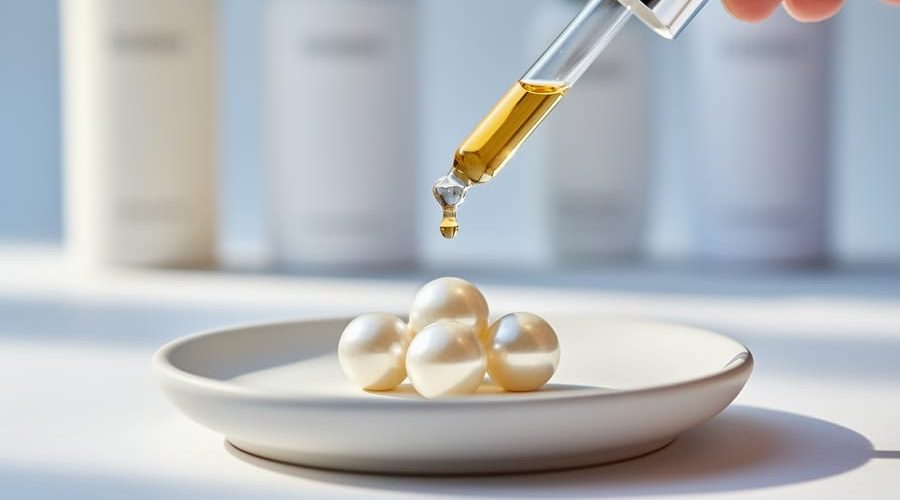
A tri ceramide complex is a targeted blend of three ceramide types formulated to repair and strengthen your skin’s protective barrier. These lipid molecules work together to lock in moisture, defend against irritants, and restore the skin’s natural resilience, making them particularly valuable for anyone dealing with dryness, sensitivity, or compromised skin health.
I first learned about ceramide complexes when my own skin started rebelling against Canada’s harsh winters. Living in Edmonton, I’d watch my carefully curated skincare routine fail every December, leaving my face tight and flaky no matter how much moisturizer I slathered on. A dermatologist friend explained that I wasn’t just lacking hydration, I was missing the structural components that actually hold moisture in place. That’s where ceramides come in.
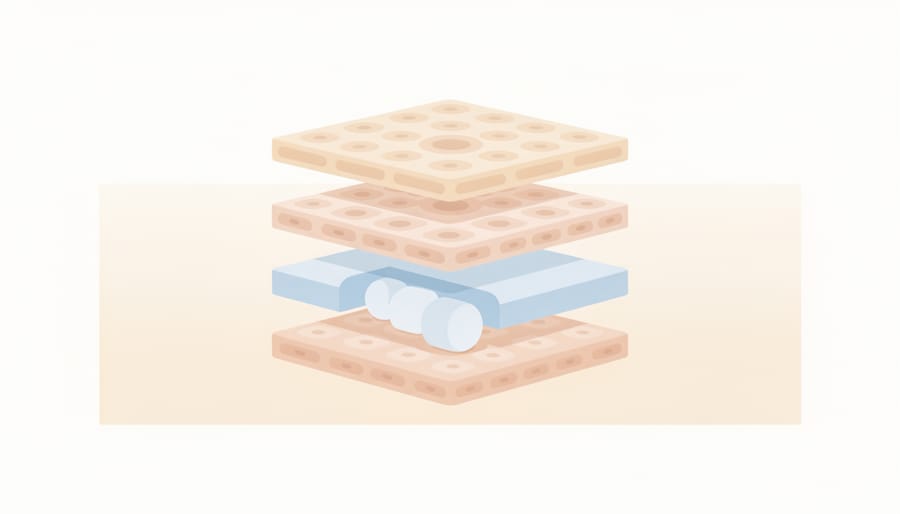
Your skin naturally produces ceramides as part of its outermost layer, where they act like mortar between the bricks of your skin cells. But environmental stress, aging, and even over-cleansing can deplete these essential lipids. A tri ceramide complex typically combines ceramides 1, 3, and 6-II because this specific trio mirrors your skin’s natural composition most closely. The result is faster barrier repair than single-ceramide products can deliver.
In this guide, I’ll walk you through exactly how tri ceramide complexes work at the cellular level, the specific skin concerns they address, and why you’re seeing them pop up in CBD skincare formulations across Canada. You’ll also learn how to spot quality products, layer them effectively with your existing routine, and determine whether this ingredient combination makes sense for your particular skin type and goals.
What a Tri Ceramide Complex Actually Is
A tri ceramide complex is a skincare ingredient that combines three specific types of ceramides in one formula to mimic and reinforce your skin’s natural protective barrier. Think of it as a more complete repair toolkit rather than a single tool.
Before diving into the “tri” part, let’s start with ceramides themselves. Ceramides are lipid molecules, a type of fat, that exist naturally in the outermost layer of your skin. They make up roughly 50% of your skin’s composition and act as the glue holding your skin cells together. Without enough of them, your skin barrier weakens, leading to moisture loss, irritation, and that tight, uncomfortable feeling many Canadians know well during winter.
Here’s where the terminology can get confusing:
- Ceramide
- A waxy lipid molecule naturally found in high concentrations in the outermost layer of skin, essential for maintaining the barrier that keeps moisture in and irritants out.
- Lipid Barrier
- The protective layer of fats and oils on your skin’s surface that prevents water loss and shields against environmental stressors.
- Skin Barrier Function
- The skin’s ability to retain moisture, regulate itself, and protect against bacteria, pollution, and other external threats.
- Tri Ceramide Formula
- A skincare formulation containing three distinct ceramide types working together to restore and strengthen the skin’s natural barrier more effectively than single ceramides alone.
Your skin naturally produces several different ceramide types, each playing a slightly different role in barrier health. A tri ceramide complex typically includes Ceramide 1, 3, and 6-II (though you might also see them labeled as Ceramide EOP, NP, and AP under newer naming systems). Combining these three creates a formula that more closely matches what your skin would produce on its own if it were functioning optimally.
Why does using three matter? A single ceramide type addresses only part of your barrier needs. But when you combine three, you’re giving your skin a more complete set of building blocks to repair and maintain that protective layer. It’s the difference between patching a wall with one material versus using everything the wall is actually made of.
How Tri Ceramide Complexes Work in Your Skin
The Three Ceramide Types and What Each Does
The three ceramides you’ll typically find in a tri ceramide complex each play a distinct role in keeping your skin healthy and protected. Think of them as specialized workers on a construction crew, each with their own job that contributes to the overall structure.
- Ceramide NP (also called Ceramide 3): Acts as your skin’s moisture magnet, pulling water into cells and preventing it from evaporating throughout the day
- Ceramide AP (Ceramide 6-II): Focuses on repairing damaged areas of your barrier, particularly useful after sun exposure or when your skin feels irritated
- Ceramide EOP (Ceramide 1): Provides long-term structural support by creating stable bonds between skin cells, helping your barrier stay resilient over time
What makes this combination powerful is that they work together rather than competing for the same role. While Ceramide NP is busy holding onto moisture, Ceramide AP is patching up weak spots, and Ceramide EOP is reinforcing the entire structure. This is why you’ll see better results from a tri ceramide complex than from products containing just one type.
In my experience reviewing CBD skincare products here in Canada, formulas that list all three ceramide types tend to show noticeable improvements in skin texture and comfort within two to three weeks. Your skin won’t just feel more hydrated temporarily, it’ll actually become better at maintaining that hydration on its own.
Six Key Benefits of Tri Ceramide Complexes
Tri ceramide complexes deliver six distinct benefits that address both immediate concerns and long-term skin health. Understanding each advantage helps you determine whether these formulations match your skincare goals.
Strengthened Skin Barrier
Your skin barrier is your first line of defense against everything the environment throws at it. Tri ceramide complexes reinforce this protective layer by replenishing the specific lipids your skin needs to function properly. When your barrier is strong, you’ll notice less redness, fewer reactions to products, and an overall healthier appearance. I’ve seen this benefit play out dramatically in Canadian winters, when indoor heating and harsh outdoor conditions constantly challenge our skin’s defenses.
Improved Moisture Retention
Ceramides don’t just sit on your skin’s surface. They work between your skin cells to prevent water loss, which means your hydration lasts longer throughout the day. This isn’t about adding moisture temporarily like a basic moisturizer does. It’s about stopping your skin from losing the moisture it already has. The result is plumper, more hydrated skin that doesn’t feel tight by mid-afternoon.
Reduced Sensitivity and Irritation
A compromised barrier means irritants, allergens, and inflammatory triggers can penetrate more easily. By restoring your barrier integrity, tri ceramide complexes help calm reactive skin and reduce the frequency of irritation episodes. If you’ve noticed your skin reacting to products that never bothered you before, or if you experience stinging with basic skincare, this benefit addresses the root cause rather than just masking symptoms.
Protection Against Environmental Damage
Environmental stressors, from pollution particles to UV radiation, cause damage when they penetrate your skin. A healthy barrier fortified with ceramides acts as a physical shield, limiting how much of this damage reaches the deeper layers of your skin. This protection is particularly relevant in urban Canadian areas where pollution levels fluctuate seasonally.
Enhanced Appearance of Fine Lines
When your skin maintains proper hydration, fine lines become less visible. Ceramides support this by preventing trans-epidermal water loss, which keeps skin cells plump and full. This isn’t about treating deep wrinkles, but rather addressing the dehydration lines that make skin look older and more textured than it actually is. The effect is subtle but consistent with regular use.
Support for Compromised or Aging Skin
As we age, our natural ceramide production decreases, and our barrier becomes less effective at its job. Topical tri ceramide complexes help compensate for this decline, giving mature skin the building blocks it needs to maintain function. Similarly, if you’ve over-exfoliated, used harsh treatments, or damaged your barrier through aggressive skincare, ceramides provide the raw materials your skin needs to repair itself. This makes them valuable both for prevention and for active repair work.
How Tri Ceramide Complexes Fit Into CBD Skincare
When I first started exploring CBD skincare options here in Canada, I noticed something interesting: the products getting the most buzz weren’t just CBD on its own. The formulas that truly impressed people combined CBD with niacinamide peptides ceramides creating what I now think of as a complete skin support system. There’s solid science behind why this combination works so well together.
CBD brings powerful anti-inflammatory properties to the table. It calms redness, soothes irritation, and helps manage reactive skin. But here’s where the magic happens: while CBD is reducing inflammation and creating a calmer environment, tri ceramide complexes are simultaneously rebuilding and strengthening your skin barrier. They’re addressing different aspects of skin health at the same time. CBD quiets the fire, ceramides repair the walls. One handles the acute problem, the other tackles the structural damage.
The partnership between niacinamide and ceramides adds another layer of effectiveness. Niacinamide doesn’t just sit passively in the formula. It actually stimulates your skin to produce more of its own natural ceramides over time, making the topical ceramides you’re applying work even better. Think of it as teaching your skin to help itself while providing immediate support.
Peptides complete the picture by supporting the deeper structural proteins in your skin, collagen and elastin. While ceramides protect the outer barrier and keep moisture locked in, peptides are signaling your skin to maintain its firmness and resilience from within. CBD’s anti-inflammatory action ensures this rebuilding happens in an optimal environment, without constant irritation interfering with the process.
This synergy explains why Canadian brands have embraced these combination formulas so enthusiastically. Our climate is tough on skin. Cold winters strip moisture, indoor heating dries everything out, and the seasonal swings create constant challenges. A product that addresses barrier repair, inflammation, hydration, and structural support all at once simply makes more practical sense than juggling multiple single-ingredient products. It’s comprehensive care in one step, which matters when you’re trying to maintain healthy skin through a prairie winter or coastal damp.
Who Should Use Products With Tri Ceramide Complexes
If you’re wondering whether tri ceramide complexes are right for you, the short answer is: they’re beneficial for most people, but absolutely essential for certain skin types and conditions.
Tri ceramide complexes deliver the most dramatic benefits for:
- Dry, dehydrated skin that struggles to retain moisture throughout the day
- Sensitive skin prone to redness, stinging, or reactions to new products
- Eczema-prone or atopic skin needing barrier support between flare-ups
- Aging skin showing increased dryness, roughness, or loss of firmness
- Compromised barriers from over-exfoliation, retinoid use, or aggressive treatments
- Post-procedure skin recovering from peels, laser treatments, or microneedling
Living in Canada adds another compelling reason to consider ceramide products. Our harsh winters strip moisture from skin relentlessly, and the constant transition between frigid outdoor air and dry indoor heating creates the perfect storm for barrier damage. I’ve noticed that products containing tri ceramide complexes make a tangible difference during those brutal January and February months when my skin would otherwise feel tight and uncomfortable.
That said, if you have very oily skin with no signs of dehydration, sensitivity, or barrier issues, ceramide-focused products might not be your top priority. An intact, well-functioning barrier naturally produces adequate ceramides on its own. You’ll likely see better results investing in products that target oil control or congestion instead.
However, even oily-skinned folks can benefit from ceramides if they’re using strong actives like acids or retinoids, or if they live in climates with extreme seasonal variations. The key is honestly assessing your skin’s actual barrier health rather than making assumptions based on oil production alone.

How to Use Tri Ceramide Complex Products Effectively
Getting the most from tri ceramide complex products comes down to proper placement in your routine and avoiding anything that undermines the barrier you’re rebuilding. These complexes work best when applied to damp skin after your lighter, water-based treatments but before heavier occlusives.
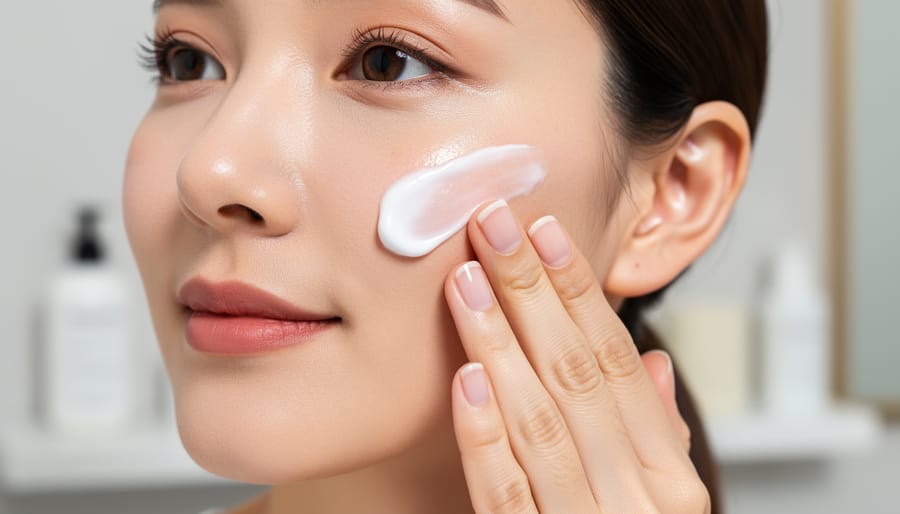
Start by cleansing gently, then apply any toners or essences. Next comes your ceramide serum or treatment. If you’re using CBD, niacinamide, or peptide serums, layer the ceramide product after them, or look for an all-in-one formula that combines these ingredients (which is where you’ll see how this combo helps strengthen your barrier more efficiently). You can also mix a few drops of ceramide serum directly into your moisturizer if your skin tolerates combined application.
Use ceramide products twice daily for compromised or very dry skin, once daily for maintenance. A pea-sized amount typically covers your face, though winter weather here in Canada might call for slightly more. The key is consistency over quantity.
These complexes play well with most actives. CBD’s anti-inflammatory properties complement ceramides’ repair work. Niacinamide actually boosts your skin’s natural ceramide production, creating a reinforcing loop. Peptides support the structural proteins while ceramides protect the lipid barrier. If you’re new to combining these ingredients, start with one product that includes all four and gradually build a routine as you see how your skin responds.
What to avoid: strong acids, high-percentage retinoids, and physical scrubs can all compromise your barrier, especially in the first few weeks of ceramide therapy. If you use these actives, apply your ceramide product on alternate nights, or wait 20 minutes after acids before layering ceramides on top. Skip harsh, stripping cleansers that undo the barrier repair you’re working toward.
The biggest mistake I see is expecting overnight transformation. Give it three to four weeks of consistent use before evaluating results.
Common Questions About Tri Ceramide Complexes
How long does it take to see results from tri ceramide complex products? Most users notice initial improvements in skin texture and hydration within one to two weeks of consistent use. The skin barrier takes time to rebuild, though, so you’ll see the most dramatic changes in sensitivity, dryness, and overall resilience after four to six weeks. If you’re dealing with severely compromised skin from over-exfoliation or eczema flares, give it at least eight weeks before evaluating whether the product works for you.
Can you combine tri ceramide complexes with retinoids or acids? Yes, and the combination can actually be beneficial. Ceramides help repair and strengthen the barrier that retinoids and exfoliating acids can compromise. The trick is timing: apply acids or retinoids first, wait 20-30 minutes for them to work, then follow with your ceramide product to support barrier repair. If you’re new to actives or have sensitive skin, start slow and monitor how your skin responds.
Are tri ceramide complexes safe for all skin types?
Yes, ceramides are naturally present in all skin types and are generally well-tolerated. They’re particularly beneficial for dry, sensitive, or compromised skin, though even oily skin types can use them without concerns about breakouts since ceramides don’t clog pores.
Do plant-based ceramides work as well as synthetic ones?
Both can be effective, but synthetic ceramides (often called pseudoceramides) are designed to match human skin ceramides more precisely. Plant-derived ceramides from wheat, rice, or other sources offer similar benefits but may require higher concentrations to achieve the same results.
Are there any side effects from using tri ceramide complex products?
Side effects are rare because ceramides mimic what’s already in your skin. Occasionally, people experience mild irritation from other ingredients in the formula rather than the ceramides themselves. If you notice redness or stinging, check the full ingredient list for potential irritants.
Where can Canadians buy CBD skincare with tri ceramide complexes?
Health Canada regulates CBD cosmetics, so look for products from licensed retailers, provincial cannabis stores, or authorized online sellers. Many Canadian brands now offer formulations combining ceramides with CBD, and understanding CBD serum benefits can help you choose products with complementary ingredients.
One question I get often is whether you need a prescription for CBD skincare containing ceramides in Canada. You don’t. Topical CBD products fall under cosmetic regulations here, not pharmaceutical ones, provided they contain less than 0.3% THC and make no therapeutic disease claims. This makes them widely accessible compared to ingestible CBD products, which have stricter rules.
The combination of ceramides with CBD is particularly smart for Canadian winters. Our harsh climate strips the skin barrier relentlessly, and pairing CBD’s soothing properties with ceramides’ repair capabilities addresses both inflammation and structural damage. I’ve watched this become one of the most popular ingredient pairings in Canadian skincare over the past few years, and the science backs up why it works.
Understanding how tri ceramide complexes work to strengthen your skin barrier gives you a real advantage when choosing CBD skincare products. These three ceramides working together don’t just moisturize, they rebuild the foundation your skin needs to stay healthy, calm, and resilient against everything from Canadian winter winds to environmental stressors.
When I talk to readers across Canada about their skincare frustrations, barrier damage comes up constantly. They’re dealing with redness, sensitivity, and products that suddenly irritate when they never did before. A quality tri ceramide complex, especially when paired with CBD’s anti-inflammatory benefits, niacinamide’s barrier-supporting properties, and peptides for structure, addresses these issues at their root rather than masking symptoms.
Your skin barrier is the foundation everything else builds on. Strengthen it first, and your other skincare goals become easier to reach. Whether you’re managing dryness, sensitivity, or just want your skin to function better, ceramides give you that solid base.
Take your time exploring formulations that work for your needs and budget. You’ve got the knowledge now to make informed choices that truly support your skin’s health.