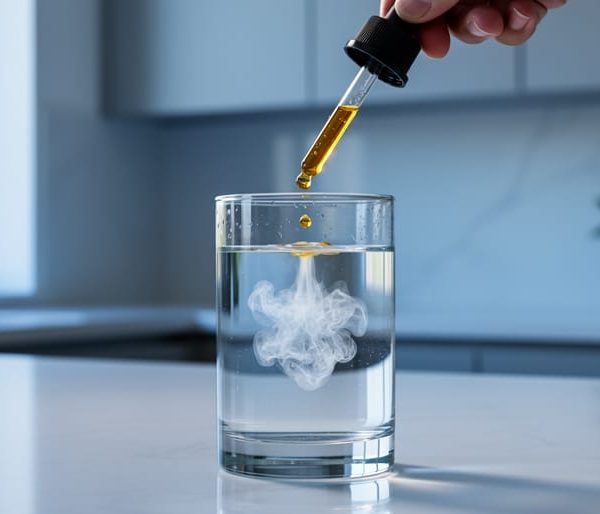
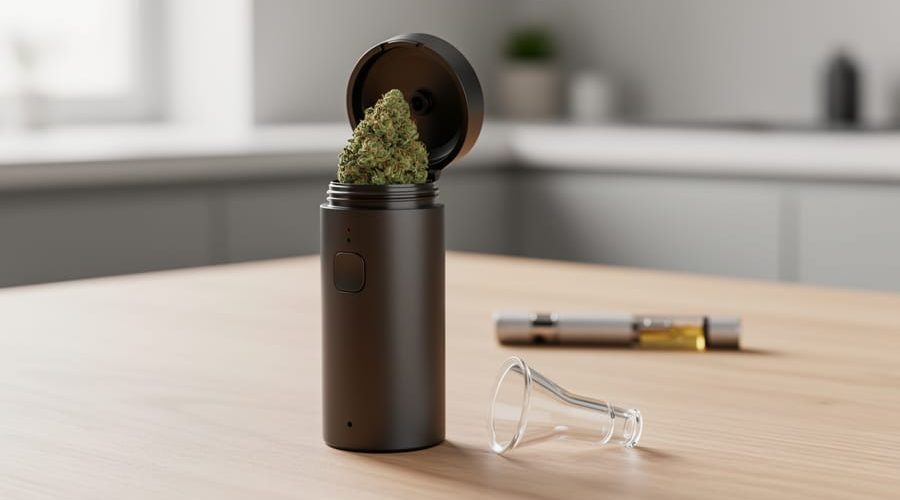
Choose dry herb vaporizers over oil cartridges if safety is your primary concern. Recent vaping-related lung injuries in North America have been primarily linked to vitamin E acetate and other additives found in unregulated THC oil cartridges, not dry herb devices. When you vaporize ground cannabis flower directly, you’re heating the plant material itself without any intermediary processing, carrier oils, or mysterious additives that could compromise your respiratory health.
Understand that both methods carry risks compared to abstaining entirely, but the safety profile differs significantly. Dry herb vaping allows you to see exactly what you’re consuming—the actual plant material—while oil cartridges require you to trust the manufacturer’s extraction process, ingredient list, and quality control standards. In Canada’s regulated market, licensed producers must meet strict quality standards for both formats, but contamination scandals and recalls have affected oil products more frequently than flower.
Consider that temperature control matters equally to format. Whether you choose dry herb or oils, keeping temperatures below 200°C reduces harmful byproduct formation. Dry herb vaporizers typically offer more precise temperature control than many oil pen batteries, giving you greater ability to minimize potential respiratory irritants.
Recognize that your individual health status, usage frequency, and product source all influence safety outcomes more than the delivery method alone. Making an informed choice requires understanding both the inherent differences between these formats and the specific quality standards of products available through Canada’s legal cannabis framework.
Understanding the Two Methods: What Makes Them Different
How Dry Herb Vaporizers Work
Dry herb vaporizers work by heating cannabis flower to specific temperatures that release cannabinoids and terpenes without actually burning the plant material. Think of it like the difference between roasting vegetables and charring them – you’re extracting what you want without turning everything to ash.
Most dry herb vaporizers use either conduction (direct contact with a heated surface) or convection (hot air passing through the flower). You’ll typically grind your cannabis, load it into a chamber, and select your temperature – usually somewhere between 160°C and 220°C. Different compounds vaporize at different temperatures, which is why temperature control matters.
When I first tried dry herb vaping, I was surprised by how much the temperature setting affected my experience. Lower temps gave me more flavor and clarity, while higher temps produced more visible vapor and stronger effects.
During vaporization, the heat causes cannabinoids like THC and CBD to transform from solid crystals into vapor you can inhale. The flower itself turns brown but doesn’t combust, which is key to understanding why many consider this method potentially safer. You’re left with what’s called “already vaped bud” or AVB – brownish material that still contains some cannabinoids.
Under Canadian regulations, Health Canada doesn’t currently authorize vaporizer devices themselves, but legal cannabis flower used in these devices must meet strict testing standards.
How Oil Vape Cartridges Work
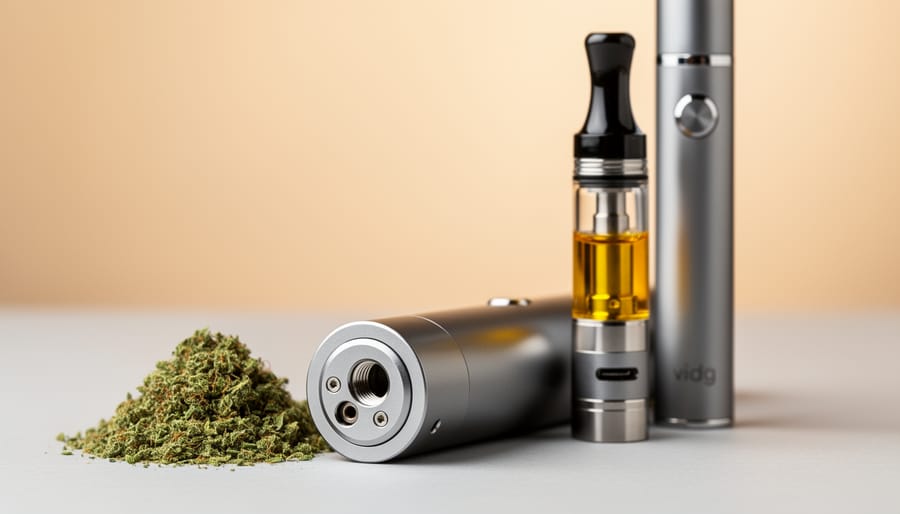
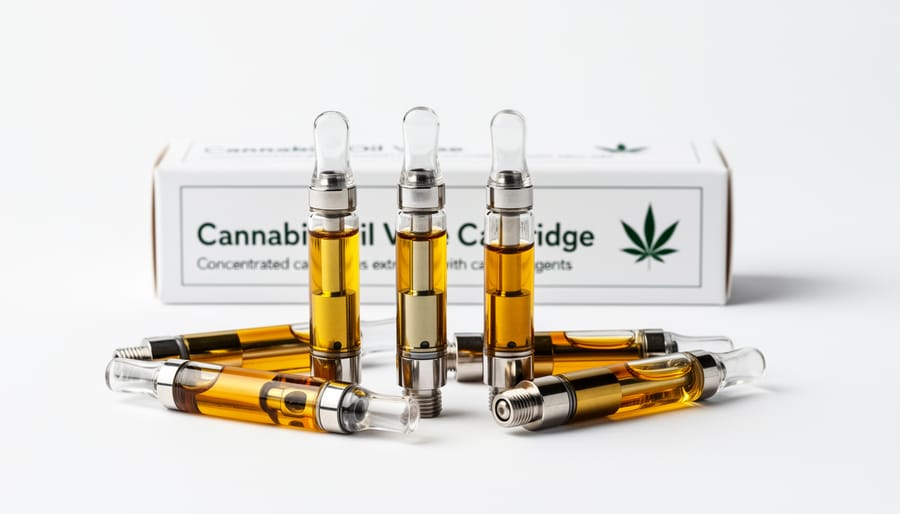
Oil vape cartridges have become incredibly popular in Canada, but understanding how they work helps you make safer choices. These cartridges contain concentrated cannabis or CBD oil that’s been extracted from the plant using methods like CO2 extraction or solvent-based processes. The extraction concentrates cannabinoids while removing plant material, creating a thick oil that’s then mixed with thinning agents to make it vapeable.
A typical cartridge has three main components: a mouthpiece, a chamber holding the oil, and a heating element (usually a ceramic or metal coil). When you inhale, the battery activates the heating coil, which warms the oil to a temperature that turns it into vapor without combustion. This process affects how cannabinoids are absorbed into your system.
The key concern with oil cartridges involves what else gets vaporized alongside the cannabinoids. Some manufacturers add cutting agents like propylene glycol or vitamin E acetate to thin the oil, and these additives can break down into potentially harmful substances when heated. In Canada, Health Canada regulates these products, but the cartridge quality and ingredients can vary significantly between licensed producers and black market options.
The Safety Concerns You Need to Know About
What We Inhale: The Ingredient List Matters
When you vape dry herb, you’re inhaling the natural compounds found in the cannabis flower—primarily cannabinoids like THC and CBD, terpenes that give cannabis its aroma and potential therapeutic benefits, and plant matter. It’s essentially the plant in its most straightforward form, heated to release its active ingredients without combustion.
Oil vaping, on the other hand, involves a more processed product. Cannabis oils used in vape cartridges contain extracted cannabinoids, but they often require additional ingredients to function properly in vaping devices. These can include carrier oils like MCT oil or propylene glycol (PG) and vegetable glycerin (VG), which help create vapor. Some products also contain thinning agents, flavoring additives, and preservatives.
Here’s where it gets concerning: the quality and safety of oil cartridges can vary dramatically. In Canada’s regulated market, licensed producers must follow strict guidelines about what can be added to vape products. However, illicit market products may contain cutting agents like vitamin E acetate, which has been linked to serious lung injuries in the United States.
The advantage of dry herb vaping is transparency—what you see is what you get. You can visually inspect the flower quality and know you’re not inhaling mystery additives. With oils, you’re relying entirely on the manufacturer’s integrity and testing protocols.
This difference in ingredient complexity directly impacts bioavailability and absorption, but more importantly, it affects your exposure to potentially harmful substances beyond the cannabis itself.
The Cartridge Crisis: Additives and Contaminants
The 2019 EVALI outbreak was a wake-up call for the vaping community. Over 2,800 hospitalizations and 68 deaths in the United States were linked primarily to vitamin E acetate, an additive found in illicit THC vaping products. While Canada saw fewer cases—largely because our regulated cannabis market was already established—the crisis highlighted serious concerns about what goes into oil cartridges.
Vitamin E acetate was used as a thickening agent in black-market THC cartridges, making low-quality oil appear more premium. When heated and inhaled, it caused severe lung damage. Health Canada responded quickly, prohibiting this additive in all vaping products, but the incident revealed a broader issue: oil cartridges rely on carrier agents and additives that dry herb simply doesn’t need.
Propylene glycol and vegetable glycerin are common thinning agents in legal vaping oils. While generally recognized as safe for ingestion, research on their long-term inhalation effects remains limited. Some users report throat irritation or allergic reactions to these compounds.
Then there’s the hardware issue. Oil cartridges contain heating coils and metal components that can leach heavy metals like lead and nickel into the vapor, especially in cheaper or poorly manufactured products. A 2018 Johns Hopkins study found significant metal contamination in e-cigarette aerosols, raising questions about cartridge safety even when the oil itself is clean.
Pesticide contamination is another concern. Cannabis concentrates used in vaping oils can contain concentrated pesticide residues if the source material wasn’t grown properly. Health Canada requires pesticide testing for licensed producers, but standards vary, and some compounds can become more harmful when heated.
I remember speaking with a budtender in Vancouver who said their store stopped carrying certain cartridge brands after EVALI, even though they were legal products. The crisis made everyone more cautious about what they were recommending.
Dry herb vaping sidesteps many of these issues entirely—no additives, no carrier liquids, no metal coils in direct contact with concentrated oils. You’re simply heating plant material, which feels more straightforward and, for many Canadians, more trustworthy.
Temperature Control and What It Means for Your Lungs
Temperature plays a bigger role in vaping safety than most people realize. When you heat cannabis too hot, you can create potentially harmful compounds. This is where dry herb vaporizers really shine compared to oil cartridges.
With dry herb devices, you typically get precise temperature control. Most quality vaporizers let you set specific temperatures between 160°C and 220°C. This matters because different compounds vaporize at different temperatures. Cannabinoids like CBD start releasing around 160°C, while combustion (actual burning) doesn’t happen until around 230°C. Staying in that sweet spot means you get the benefits without creating the harmful byproducts that come with smoking.
I remember when I first started experimenting with temperature settings on my dry herb vape. At lower temperatures around 170°C, the vapour was lighter and the flavour was incredible. Bump it up to 200°C and you get fuller effects but slightly harsher vapour. Having that control helped me find what worked best for my throat sensitivity.
Oil cartridges, unfortunately, don’t always give you this control. Many operate at fixed temperatures, and some cheaper cartridges can overheat, especially if the battery voltage is too high. When oil gets too hot, it can degrade the cannabinoids and potentially create harmful compounds. There’s less transparency about what temperature your cartridge is actually reaching, which makes it harder to ensure you’re vaping safely.
In Canada, where product testing is mandatory, this temperature concern becomes part of the broader safety conversation around vaping methods.
What Canadian Regulations Tell Us About Safety
Health Canada takes a pretty thorough approach to regulating cannabis vape products, and understanding these rules can help you make safer choices. Unlike the unregulated vape market that caused health scares in the U.S. a few years back, legal cannabis products in Canada must meet specific standards before they hit store shelves.
When you purchase a legal cannabis vape product in Canada, whether it’s dry herb or oil-based, it must come from a licensed producer who follows Good Production Practices. This means mandatory testing for contaminants like pesticides, heavy metals, and microbial impurities. For vape oils specifically, Health Canada requires testing to ensure there are no harmful cutting agents like vitamin E acetate, which was linked to serious lung injuries in unregulated products.
The packaging itself tells you a lot about whether you’re getting a regulated product. Legal vapes must display a standardized cannabis symbol, THC and CBD content, health warnings, and a production lot number. If you don’t see these elements, you’re likely looking at an illegal product that hasn’t undergone safety testing.
I remember when a friend showed me a vape cartridge she’d bought from an unlicensed source because it was cheaper. The packaging looked professional, but it had none of the required Health Canada markings. When I explained what could be lurking in untested products, she immediately switched to purchasing from legal retailers. It’s just not worth the risk.
For dry herb vaporizers, the regulations focus more on the cannabis itself rather than the device. The flower must still meet all testing requirements, but you’re avoiding the additional ingredients that go into creating vape oils. This means fewer variables and potentially fewer unknowns.
The key takeaway? Always purchase from legal, licensed retailers in Canada. Check for proper labelling, verify the producer is licensed through Health Canada’s database if you’re unsure, and don’t be swayed by deals that seem too good to be true. Regulated products cost more for a reason—that price includes rigorous safety testing designed to protect your health.
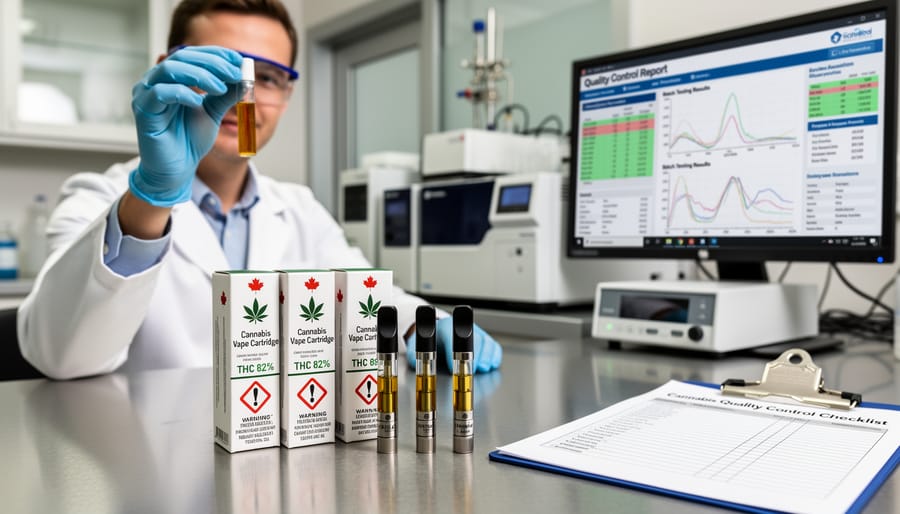
The Research: What Science Actually Says
Here’s what the scientific research currently tells us about dry herb versus oil vaping safety, though I’ll be honest with you: we’re still in the early stages of understanding the long-term effects of either method.
The 2019 EVALI outbreak in the United States, which resulted in thousands of lung injuries and deaths, fundamentally changed the conversation around vaping safety. Health Canada’s investigation revealed that most cases involved vaping THC oil products containing vitamin E acetate, a thickening agent that should never be inhaled. This finding pointed a spotlight at oil vaping safety, particularly with unregulated products. Importantly, dry herb vaping wasn’t implicated in these cases.
Current evidence suggests that dry herb vaping produces fewer harmful byproducts than smoking when kept at lower temperatures (below 200°C). A 2007 study published in the Journal of Pharmaceutical Sciences found that vaporizers could deliver cannabinoids while significantly reducing toxic compounds compared to smoking. However, research specifically comparing dry herb vaping to oil vaping remains limited.
Oil vaping introduces different considerations. Health Canada emphasizes that legal cannabis vape products in Canada must meet strict safety standards, including testing for contaminants and limits on certain additives. The concern with oils isn’t necessarily the cannabinoids themselves, but rather the carrier oils, thinning agents, and flavouring compounds used in formulations. When heated and inhaled, some of these substances may break down into potentially harmful compounds.
Dr. Michael Verbora, a Canadian physician specializing in cannabinoid medicine, has noted that while both methods avoid combustion-related toxins, the complexity of oil formulations means more variables affecting safety. With dry herb, what you see is essentially what you get: plant material without additives.
The challenge is that most vaping studies focus on nicotine products, not cannabis. Research specific to CBD and THC vaping is still emerging. Health Canada continues to monitor adverse event reports and advises consumers to purchase only from legal, regulated sources regardless of method chosen.
The bottom line? We know more about what makes oil vaping risky (certain additives, unregulated products) than we know about long-term effects of either method. Canadian health professionals generally agree that if you choose to vape, stick with regulated products and remain aware that we’re still learning about long-term impacts.
Real-World Considerations: Beyond Just Safety
Quality Control: Knowing What You’re Actually Getting
Here’s the tricky reality: when you buy a vape cartridge, you’re trusting what’s on the label. When you purchase dry herb, what you see is genuinely what you get.
I learned this lesson firsthand a few years ago when a friend showed me two nearly identical cartridges – one purchased from a licensed retailer, one from an unlicensed source. Without lab testing, there was absolutely no way to tell them apart. The packaging looked professional on both. That’s when it really hit me how vulnerable oil vape users are to counterfeit products.
With dry herb, you can visually inspect the flower. You can smell it, examine the trichomes, check for mould or contaminants. It’s transparent in a way that a sealed cartridge simply cannot be. Yes, dried cannabis can still contain pesticides or other issues if grown improperly, but at least you have some ability to assess quality with your own senses.
The counterfeit cartridge problem is particularly concerning because fake products have been directly linked to serious lung injuries. These knockoffs may contain vitamin E acetate, heavy metals, or pesticides at dangerous levels.
In Canada, purchasing from legal sources through provincial retailers significantly reduces these risks for both formats. Licensed producers must follow Health Canada’s strict testing requirements for pesticides, heavy metals, and microbial contaminants. However, the illegal market still thrives, and cartridges remain the easier product to convincingly counterfeit.
If you choose oil vaping, buying exclusively from legal Canadian retailers isn’t just recommended – it’s essential for your safety.
Device Maintenance and Hygiene
Let me be honest with you—how often you clean your device really does impact safety, and this is where I’ve noticed significant differences between dry herb and oil vaping.
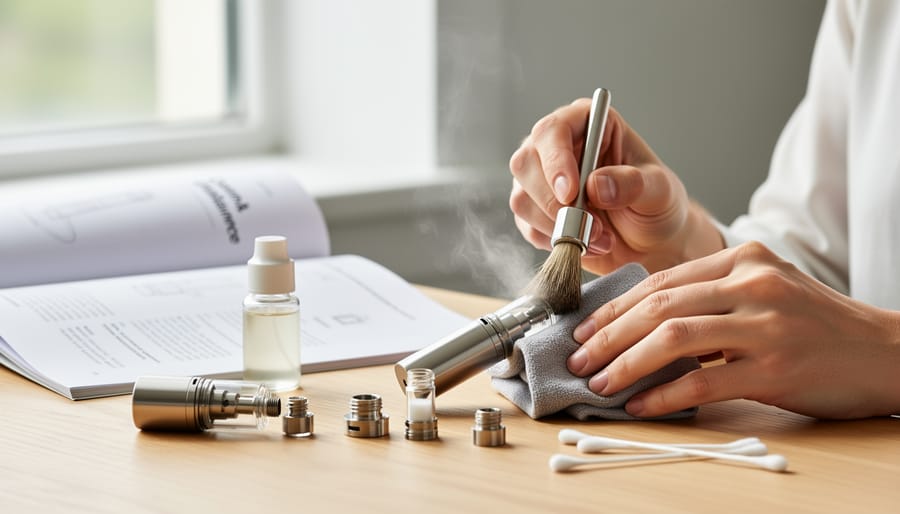
Dry herb vaporizers require more frequent cleaning. After every few sessions, you’ll need to brush out the chamber and occasionally clean the heating element and vapor path. If you skip this step, residue builds up, which can affect flavour and potentially create a breeding ground for mold and bacteria, especially if any moisture gets trapped. I learned this the hard way when I neglected my device for a week during a busy period—the taste was awful, and I knew I was probably inhaling things I shouldn’t be.
Oil vape pens are generally lower maintenance. Many use disposable cartridges, which eliminates cleaning concerns entirely since you’re discarding the entire unit. Refillable oil systems need occasional cleaning of the mouthpiece and connections, but it’s less involved than dry herb maintenance.
The key safety consideration here is consistency. Dry herb vaping demands discipline—you need to establish a regular cleaning routine. Oil systems are more forgiving but come with their own caveat: ensure you’re using properly manufactured cartridges that won’t leak or contaminate your oil.
In Canada’s humid climate, particularly in coastal regions, proper storage and regular cleaning of dry herb devices becomes even more critical to prevent moisture-related contamination.
Cost and Accessibility in the Canadian Market
When I first started exploring vaping options, I quickly noticed that dry herb vaporizers typically require a higher upfront investment than oil vape pens. In Canada, a quality dry herb device usually starts around $100-$150, while basic oil vape pen kits can be found for $30-$50. This price difference matters because it might push some people toward cheaper options that could compromise their safety.
Here’s the thing though: with vaping products, you really do get what you pay for. Budget oil cartridges, especially those from unlicensed sources, have been linked to the health concerns we discussed earlier. While they seem economical initially, the potential health risks aren’t worth the savings. Licensed cannabis retailers across Canada must meet strict safety standards, so purchasing from these authorized sources adds a safety layer regardless of which method you choose.
Dry herb vaporizers, despite their higher initial cost, can actually be more economical long-term since you’re using the flower directly without processing fees. Plus, accessibility has improved significantly—most provincial cannabis stores now stock both options, and online retailers ship nationwide.
My advice? Don’t let budget constraints push you toward questionable products. If cost is a concern, save up for a mid-range device from a reputable source rather than risking your health with the cheapest option available.
Making the Safer Choice for Your Situation
Choosing between dry herb and oil vaping isn’t about finding a universally “safer” option—it’s about identifying what works best for your specific situation and priorities.
If you have respiratory sensitivities or existing lung conditions, start with a conversation with your healthcare provider before choosing either method. While both methods are generally considered less harmful than smoking, any form of inhalation carries some risk for people with asthma, COPD, or other breathing concerns. Your doctor can help you weigh whether vaping is appropriate at all, or whether other cannabis delivery methods might be safer for your circumstances.
For those prioritizing product transparency and control, dry herb vaping offers a clear advantage. You can see exactly what you’re consuming, and there’s no question about additives or cutting agents. Danielle shares her perspective: “When I first started exploring vaping, I gravitated toward dry herb simply because I could recognize what I was putting in the device. There’s something reassuring about that direct connection to the plant material, especially when you’re still learning what works for your body.”
If convenience and discretion matter more to you, oils might be the practical choice despite their regulatory complexities. Just commit to purchasing only from licensed Canadian retailers and checking for third-party lab testing results. Never buy vape cartridges from unlicensed sources, regardless of price or convenience.
Consider your experience level too. Beginners often find dry herb vaping more forgiving because it’s harder to accidentally overconsume, and the effects tend to come on more gradually. Oil vaping can deliver more concentrated doses quickly, which experienced users might prefer but newcomers might find overwhelming.
Ultimately, your health comes first. Whichever method you choose, start with lower temperatures, take breaks between sessions, and pay attention to how your body responds. If you experience any persistent coughing, chest discomfort, or breathing difficulties, stop immediately and consult a healthcare professional.
After weighing the evidence, dry herb vaping generally presents fewer safety concerns than oil vaping, primarily because it eliminates the risk of harmful additives and cutting agents that have been linked to serious lung injuries. When you vape dry herb, you’re working with a single, identifiable ingredient rather than processed oils that may contain unknown substances.
That said, safety isn’t guaranteed with either method. Quality matters tremendously. Whether you choose dry herb or oils, always prioritize legal, regulated products purchased from licensed retailers in Canada. These products undergo testing for contaminants, pesticides, and quality standards that black market alternatives simply don’t meet.
I’ve spoken with many Canadians who initially worried they were making the wrong choice with their vaping method. What I’ve learned is that informed decisions matter more than perfect decisions. If you’re considering vaping for CBD or cannabis use, take time to research your options, understand what you’re consuming, and don’t hesitate to ask questions at dispensaries.
Most importantly, consult with your healthcare provider, especially if you have pre-existing respiratory conditions or concerns. They can offer personalized guidance based on your health history.
Remember, the cannabis landscape in Canada continues to evolve, with ongoing research and improved regulations. You’re not alone in navigating these choices, and prioritizing safety-tested, legal products puts you on the right path. Trust yourself to make informed decisions that align with your health goals and comfort level.