
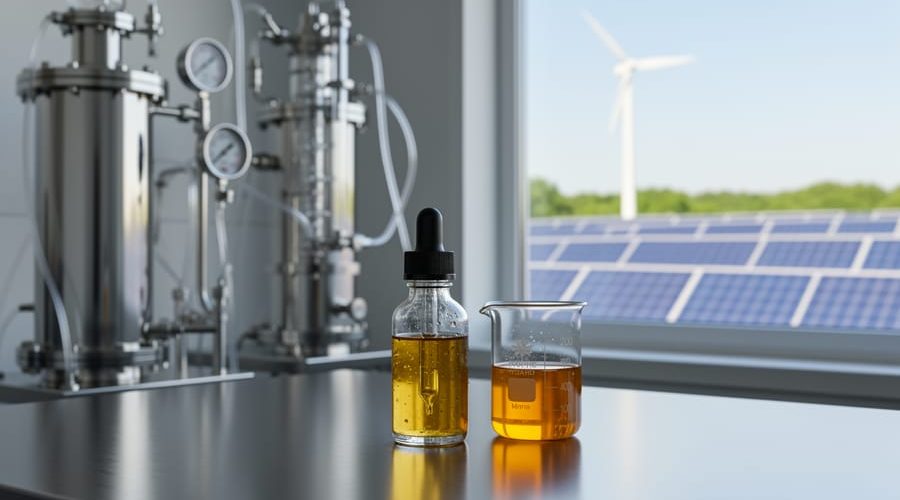
Look for CBD products labeled with CO2 extraction or ethanol extraction methods—these represent the cleanest, most environmentally responsible approaches currently available in Canada’s cannabis industry. CO2 extraction uses pressurized carbon dioxide instead of harsh chemical solvents, leaving zero toxic residue in your product or the environment, while ethanol extraction relies on food-grade alcohol that’s both effective and biodegradable.
Check product labels and company websites for transparency about their extraction processes, energy sources, and waste management practices. Reputable Canadian CBD producers who prioritize green extraction will openly share this information, often highlighting their use of renewable energy, closed-loop systems that recycle solvents, and organic hemp sources. If a company stays vague about their methods, that’s your signal to keep shopping.
Understand that green extraction directly impacts what ends up in your body. Sustainable methods preserve beneficial cannabinoids and terpenes without introducing petroleum-based solvents, heavy metals, or chemical residues that cheaper extraction shortcuts can leave behind. When I first started researching CBD for my own use, I discovered that extraction method matters as much as hemp quality—you can start with premium organic plants but ruin them with dirty extraction.
Recognize the premium you might pay for sustainably extracted CBD as an investment in both environmental health and product purity. Canadian regulations under the Cannabis Act ensure basic safety standards, but green extraction goes beyond minimum requirements, delivering cleaner products while reducing the industry’s carbon footprint. The environmental cost of conventional extraction includes contaminated water supplies, chemical waste, and significant energy consumption—factors that genuinely eco-conscious companies work hard to minimize.
What Green Extraction Actually Means (And Why It Matters to You)
When I first started researching CBD products, I kept seeing the term “green extraction” pop up on labels and websites. Honestly, I had no idea what it meant or whether I should even care. After digging deeper, I realized this seemingly technical detail actually matters quite a bit for both our health and the environment.
Green extraction simply refers to methods of pulling CBD and other beneficial compounds from hemp plants using environmentally-friendly processes. Instead of relying on harsh chemical solvents like butane or propane that can leave residues and create harmful waste, green extraction uses safer alternatives. The most common green method is supercritical CO2 extraction, which uses carbon dioxide under specific pressure and temperature conditions to extract CBD. Once the process is complete, the CO2 evaporates cleanly, leaving no chemical residue behind.
Think of it like making coffee. You could use a complex chemical process to extract caffeine, or you could use simple hot water. Green extraction is choosing the cleaner, simpler route that doesn’t compromise quality.
So why should you care about how your CBD was extracted? There are three compelling reasons. First, extraction methods directly affect product purity. Green extraction tends to produce cleaner CBD without chemical residues that might end up in your final product. Second, these methods are gentler on the beneficial compounds in hemp, helping preserve the full spectrum of cannabinoids and terpenes that work together to enhance CBD’s effects. Third, it aligns with the values many of us hold about reducing our environmental footprint.
For Canadians specifically, understanding extraction methods helps you make informed choices in our well-regulated market. While Health Canada sets safety standards for all CBD products, choosing green extraction methods gives you an extra layer of confidence that what you’re putting in your body was produced responsibly from start to finish.
The Problem With Traditional CBD Extraction Methods
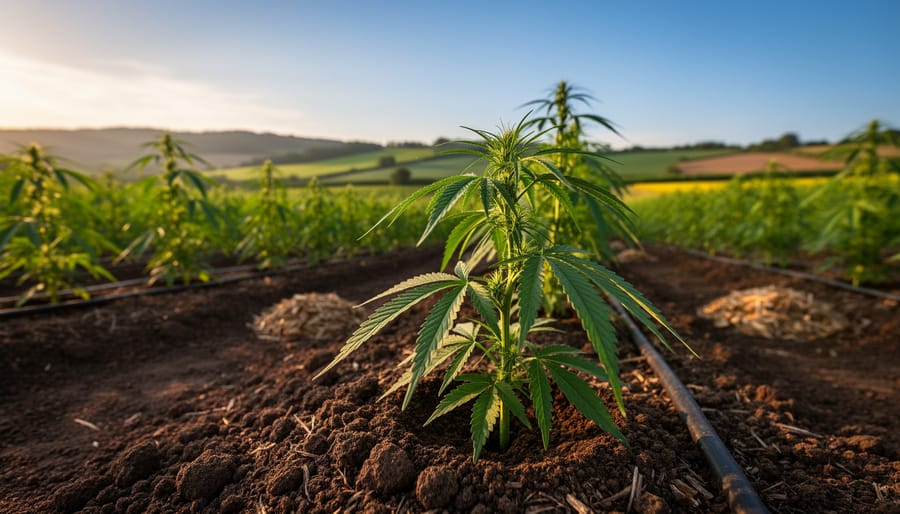
For decades, the CBD industry has relied heavily on solvent-based extraction methods to pull cannabinoids from hemp plants. The most common traditional approaches involve chemical solvents like butane, propane, and hexane. While these methods are certainly effective at extracting CBD, they come with a collection of concerns that have many Canadian consumers asking whether there’s a better way.
When I first started researching CBD production methods, I was honestly surprised to learn how many chemical solvents were involved in creating products that people consider “natural.” These petroleum-based solvents are great at separating CBD from plant material, but here’s the catch: they don’t always leave completely. Even after extensive purification processes, trace amounts of these chemicals can remain in the final product. Health Canada does set limits on residual solvents in cannabis products, but for health-conscious consumers, even trace amounts can be concerning.
Beyond what ends up in your bottle, there’s the environmental side of things. Traditional solvent extraction generates chemical waste that requires proper disposal. These solvents are often flammable and volatile, meaning production facilities need extensive safety measures and ventilation systems. The manufacturing process itself can release volatile organic compounds into the atmosphere, contributing to air pollution.
There are also workplace safety considerations. Butane and propane are highly flammable, and several extraction facility explosions in North America have made headlines over the years. While Canadian facilities must meet strict safety standards, the inherent risks of working with these substances remain.
For environmentally-conscious consumers, these drawbacks add up. You might be choosing CBD for its natural wellness benefits, but if the extraction process involves harsh chemicals and environmental concerns, it seems to contradict the whole point. This growing awareness among Canadian consumers has pushed producers to explore extraction methods that align better with both personal health values and environmental responsibility. That’s exactly where green extraction methods enter the picture.
The Main Green Extraction Methods Used for CBD Today
Supercritical CO2 Extraction: The Gold Standard
If you’ve ever wondered how CBD companies extract those beneficial compounds from hemp plants without leaving behind a chemical footprint, supercritical CO2 extraction is probably the answer you’re looking for. It’s become the preferred method for premium Canadian CBD brands, and once you understand how it works, you’ll see why it’s earned its reputation as the gold standard.
Here’s the basic idea: carbon dioxide, the same gas we exhale, can behave like a liquid under specific conditions of high pressure and temperature. In this supercritical state, CO2 acts like a powerful but incredibly selective solvent, pulling cannabinoids, terpenes, and other beneficial compounds from the hemp plant while leaving unwanted materials behind. Think of it like a precision tool that can target exactly what you want.
What makes this method so green? First, CO2 is non-toxic and naturally occurring, so there’s no risk of harmful chemical residues in your final product. Unlike ethanol or hydrocarbon extraction, you’re not introducing substances that require careful removal later. Second, the CO2 used in extraction is completely recyclable. Companies capture and reuse it repeatedly, creating virtually no waste. When I first learned this, I was genuinely impressed by how circular the process could be.
The quality difference is noticeable too. Because CO2 extraction operates at lower temperatures than some other methods, it preserves delicate terpenes and cannabinoids that might otherwise degrade. This means fuller flavour profiles and potentially more effective products. You’re getting CBD that’s closer to what nature intended.
Many premium Canadian brands specifically highlight their use of CO2 extraction on product labels, and there’s good reason for that pride. The equipment is expensive and requires skilled operators, which is why budget brands often skip it. When you see a Canadian company investing in supercritical CO2 technology, it signals a commitment to both environmental responsibility and product excellence. For environmentally-conscious consumers, it’s one of the clearest indicators that a brand takes sustainability seriously.
Ethanol Extraction: The Organic Alternative
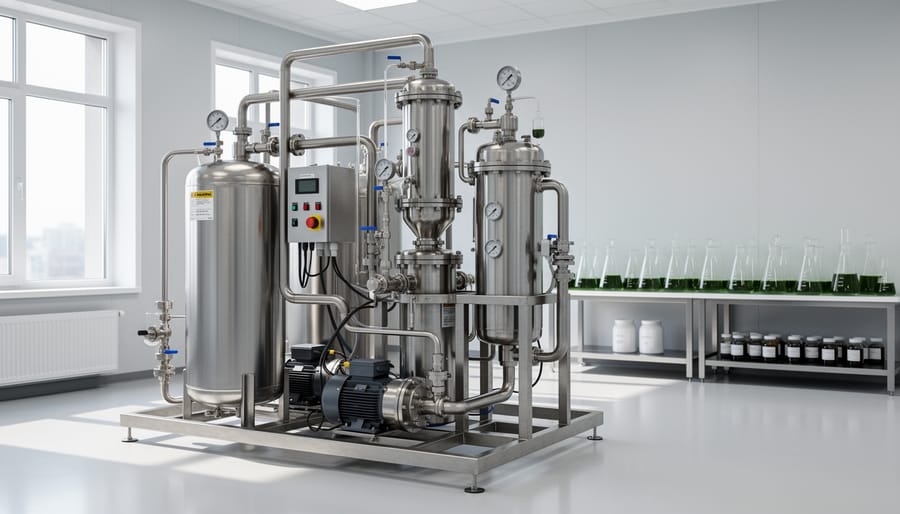
Food-grade ethanol extraction has become increasingly popular among organic CBD producers in Canada, and for good reason. This method uses organic, plant-derived alcohol to pull cannabinoids and other beneficial compounds from hemp material. Think of it like making a vanilla extract in your kitchen, but on an industrial scale with much more precision.
Here’s what makes ethanol extraction appealing from a sustainability perspective: the ethanol itself can be sourced from organic crops like sugarcane or corn, and it’s fully recoverable. Reputable producers recycle up to 95% of the ethanol used in each batch, dramatically reducing waste. The process operates at room temperature or with gentle warming, consuming significantly less energy than CO2 extraction’s high-pressure requirements.
When I spoke with a producer in British Columbia last year, they explained how their organic certification required them to use only organic ethanol. This distinction matters more than you might think. Conventional ethanol might be derived from genetically modified crops or processed with synthetic chemicals, while organic ethanol must meet strict agricultural standards. For consumers seeking truly organic CBD products, this detail ensures consistency from seed to bottle.
Ethanol extraction is particularly effective at producing full-spectrum oils because alcohol naturally dissolves both oil-soluble and water-soluble plant compounds. This creates products with a rich cannabinoid and terpene profile. The main consideration is that ethanol can also extract chlorophyll, which gives the oil a darker color and slightly bitter taste, though additional filtering steps can address this.
Many small-scale Canadian producers choose ethanol extraction because the equipment costs less than CO2 systems, making sustainable practices more accessible to craft producers who prioritize quality and environmental responsibility.
Cold-Press and Solventless Methods
If you’re looking for the absolute greenest CBD extraction methods, cold-press and solventless techniques represent the gold standard. These approaches use zero chemical solvents, relying instead on mechanical pressure and temperature manipulation to extract cannabinoids from hemp plants.
The most common solventless methods include rosin pressing, which applies heat and pressure to squeeze out cannabinoid-rich oils, and ice water extraction (also called bubble hash), which uses ice-cold water and agitation to separate trichomes from plant material. Both techniques preserve the plant’s natural terpene profile beautifully and leave no solvent residue whatsoever.
So why aren’t these methods dominating the Canadian CBD market? The honest answer is scalability and cost. These techniques typically yield smaller quantities of extract compared to CO2 or ethanol extraction, making them expensive for large-scale production. They also require significant manual labor and specialized equipment that many producers can’t justify financially.
You’ll most commonly find solventless extracts in artisan or craft CBD products, where small-batch quality trumps mass production. Some Canadian cannabis enthusiasts prefer these methods for making their own concentrates at home, particularly rosin pressing, which has become popular in DIY circles.
While solventless extraction deserves recognition as the most environmentally pure option available, it remains a niche approach. For most commercially available CBD products in Canada, CO2 extraction offers the best balance between environmental responsibility, product quality, and affordability. That said, if you find a trusted Canadian brand offering solventless CBD products within your budget, you’re getting extraction at its greenest.
How to Spot Green Extraction on Canadian CBD Labels
When I’m shopping for CBD products, I always flip the packaging over to read the fine print – and you should too! Look for clear statements about extraction methods in the product description. Reputable brands will proudly mention “CO2 extraction” or “supercritical CO2” if they’re using this green method. If the label is vague or doesn’t mention extraction at all, that’s a red flag.
Check for third-party lab reports, often called Certificates of Analysis (COA). Canadian consumers can usually access these through QR codes on packaging or company websites. These reports should confirm the product is free from residual solvents, which is a good indicator of clean extraction practices.
While Canada doesn’t have a specific “green extraction” certification yet, look for broader environmental certifications like organic growing practices or sustainable packaging claims. These often indicate a company’s overall commitment to environmental responsibility.
Don’t hesitate to contact brands directly with questions about their extraction methods. Companies using sustainable practices are typically eager to share details. If they can’t clearly explain their process, consider it a warning sign. Remember, transparency is key – brands invested in green extraction want you to know about it.
Does Green Extraction Make CBD Products Better?
The short answer is: it depends on what matters most to you. Green extraction methods offer distinct advantages, but “better” is subjective based on your priorities.
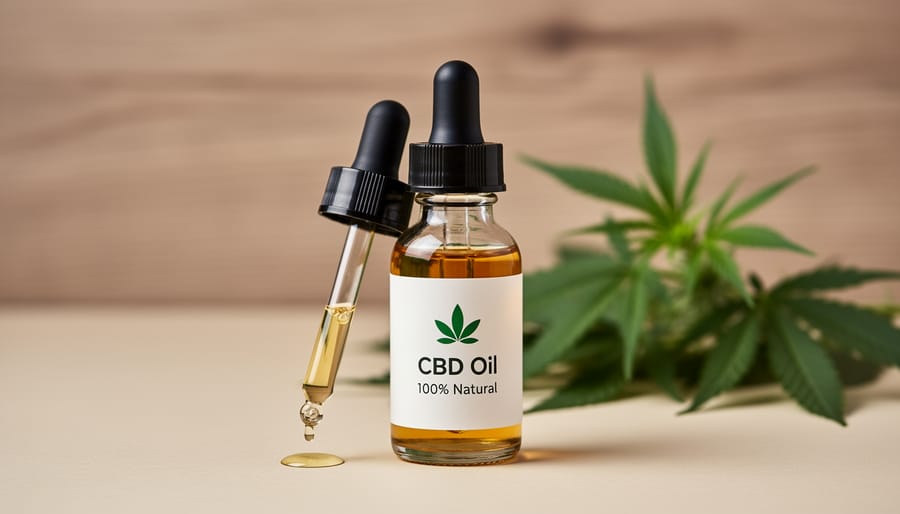
From a purity standpoint, green extraction methods like CO2 extraction have a clear edge. Because they don’t rely on harsh chemical solvents like butane or hexane, there’s zero risk of residual solvents ending up in your final product. Health Canada has strict limits on solvent residues in cannabis products, but if you’re someone who prefers to avoid those chemicals entirely, green extraction delivers peace of mind.
When it comes to cannabinoid preservation, CO2 extraction shines again. The process operates at lower temperatures compared to some traditional methods, which helps preserve heat-sensitive compounds. This means you’re getting the full spectrum of cannabinoids that the plant originally contained, potentially making products more effective through what researchers call the entourage effect.
Terpene retention is where things get interesting. Terpenes are the aromatic compounds that give cannabis its distinctive flavours and may contribute to therapeutic effects. Advanced CO2 extraction systems can selectively preserve these delicate compounds, though some traditional methods also do this well. I’ve personally noticed that CBD oils extracted using greener methods often have a more robust, natural flavour profile.
However, it’s worth noting that extraction method alone doesn’t guarantee quality. The cannabis source material, post-extraction processing, and storage all play crucial roles. I’ve tested products made with both green and conventional extraction methods, and ultimately, third-party lab testing tells the real story. A Certificate of Analysis showing cannabinoid content, terpene profiles, and absence of contaminants matters more than extraction method marketing claims alone.
For environmentally-conscious Canadians, green extraction offers the dual benefit of potentially higher purity alongside reduced environmental impact.
The Real Environmental Impact of Your CBD Choice
Every time you choose a CBD product, you’re casting a vote for the kind of world you want to live in. I learned this firsthand when I started researching the carbon footprint behind my favourite CBD oil, and honestly, the differences were staggering.
Here’s what matters when we talk about environmental impact. CO2 extraction, while considered green, requires significant energy to pressurize and cool the system. Think of it like running a massive refrigerator 24/7. However, this upfront energy cost pays off through efficiency and zero chemical waste. Compare that to solvent-based methods, which might use less energy initially but generate chemical waste that needs treatment and disposal.
Water usage is another crucial factor. Some extraction methods require substantial water for cleaning and processing, while CO2 systems are largely closed-loop, recycling the same CO2 repeatedly. In Canada, where water conservation matters even in resource-rich provinces, this distinction carries weight.
The real kicker? Waste reduction. Green extraction produces cleaner byproducts that companies can often repurpose rather than send to landfills. When you purchase sustainably extracted CBD, you’re supporting companies that invest in renewable energy sources, implement waste-reduction programs, and prioritize resource conservation.
Your choice ripples outward. Canadian producers using green methods often apply that same environmental consciousness across their entire operation, from organic farming practices to biodegradable packaging. It’s about supporting a complete ecosystem of responsible choices.
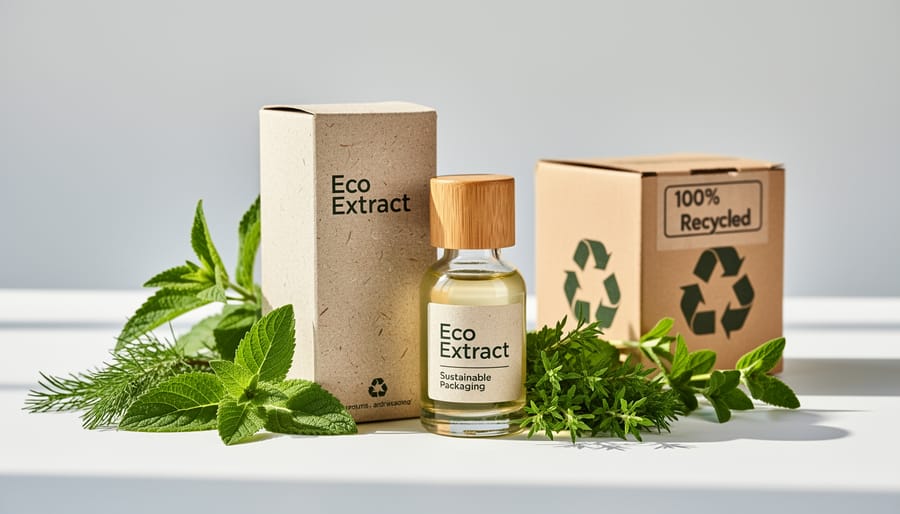
Green extraction isn’t just a buzzword—it represents a meaningful shift toward more responsible CBD production that benefits both you and the planet. When companies choose sustainable extraction methods like supercritical CO2 or cold pressing, they’re making a commitment to reducing environmental harm while delivering cleaner, safer products. As a consumer in Canada, you have the power to support these practices with every purchase you make.
Throughout my years covering the CBD industry, I’ve watched sustainability evolve from a niche concern to a central consideration for many Canadian producers. It’s been inspiring to see how innovation and environmental responsibility can work hand-in-hand. The companies that invest in green extraction often demonstrate a broader commitment to quality and transparency—values that should matter to anyone putting CBD into their body.
Making informed choices doesn’t require becoming an expert chemist. Start by looking at product labels and company websites for information about extraction methods. Don’t hesitate to reach out directly to brands with questions—reputable companies are usually proud to share their production processes. Check for third-party lab testing, which often indicates a higher standard of quality control overall.
The next time you’re shopping for CBD products, take a moment to investigate how they were made. Your purchasing decisions send a clear message about what matters to Canadian consumers, encouraging more companies to adopt sustainable practices. By prioritizing green extraction methods, you’re not just choosing better CBD—you’re contributing to a healthier industry and a healthier planet.