
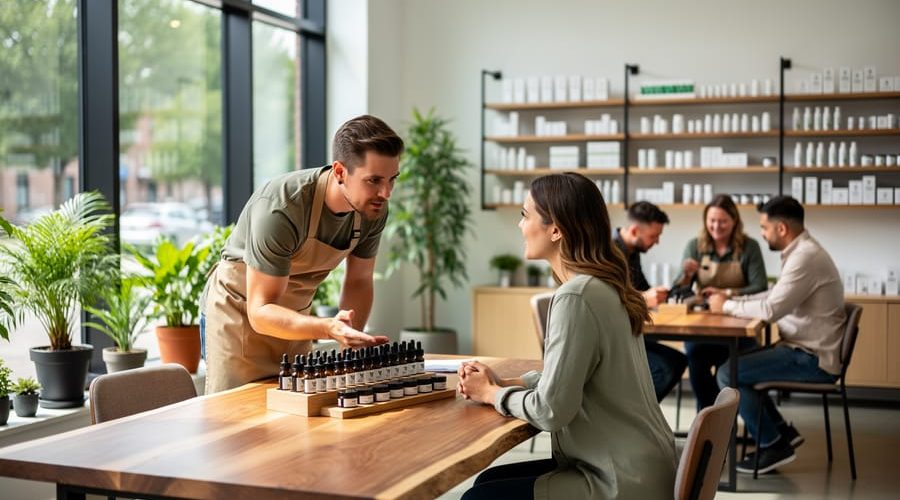
Walk into a CBD shop today and you’ll notice something different: knowledgeable staff offering personalized consultations, testing stations where you can sample product textures, educational workshops about terpene profiles, and carefully curated environments that feel more like wellness studios than traditional dispensaries. This is experience retail, and it’s transforming how Canadians discover and purchase CBD products.
The shift responds to a fundamental challenge in our industry. Unlike buying a sweater or a book, choosing the right CBD product requires understanding your body’s endocannabinoid system, navigating Health Canada’s regulations, deciphering dosage guidelines, and identifying quality markers most consumers have never encountered. Traditional retail—grab a product off the shelf, pay, and leave—simply doesn’t serve customers well in this complex landscape.
Experience retail bridges this knowledge gap by making the shopping journey itself educational and engaging. Instead of feeling overwhelmed by rows of similar-looking bottles, customers receive guided support that helps them make informed decisions. For retailers, this approach builds trust and loyalty in a market where product differentiation can feel impossible. For consumers, it transforms an intimidating purchase into an empowering experience where you leave not just with a product, but with genuine understanding of how to use it effectively.
Whether you’re considering opening a CBD retail space or simply want to identify shops that will truly serve your needs, understanding experience retail’s principles will change how you approach this evolving marketplace.
What Makes CBD Retail ‘Experiential’?
Beyond the Counter: Interactive Product Discovery
The beauty of experience retail in the CBD space is that you get to try before you buy—something I wish was standard everywhere. Walk into a quality CBD store in Canada, and you’ll likely find testing stations where you can feel the difference between topical creams and salves, or smell various terpene profiles to understand what appeals to you. Some retailers offer scent jars featuring different cannabis strains and CBD products, helping you identify preferences without making a purchase commitment.
Texture samples matter more than you might think. The consistency of a CBD oil, the absorption rate of a cream, or the feel of a bath bomb can influence your entire experience with the product. I remember touching my first CBD-infused lotion at a consultation counter and being surprised by how quickly it absorbed—that hands-on moment sealed the deal for me.
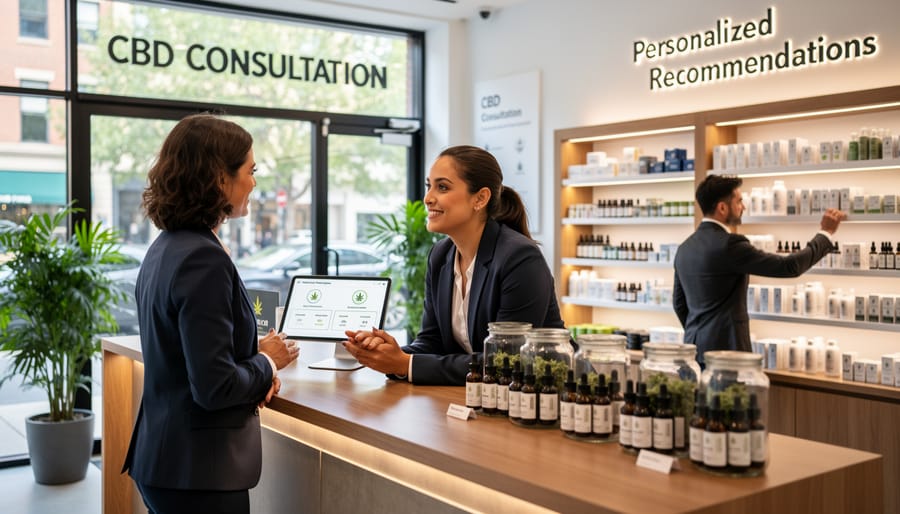
Many Canadian CBD retailers now dedicate space for one-on-one consultations where staff can discuss your specific needs, whether that’s managing sleep issues or post-workout recovery. These aren’t high-pressure sales environments; they’re educational opportunities where you can ask questions about dosing, product formats, and what might work best for your lifestyle. This personalized guidance transforms shopping from guesswork into informed decision-making.
Education as Entertainment
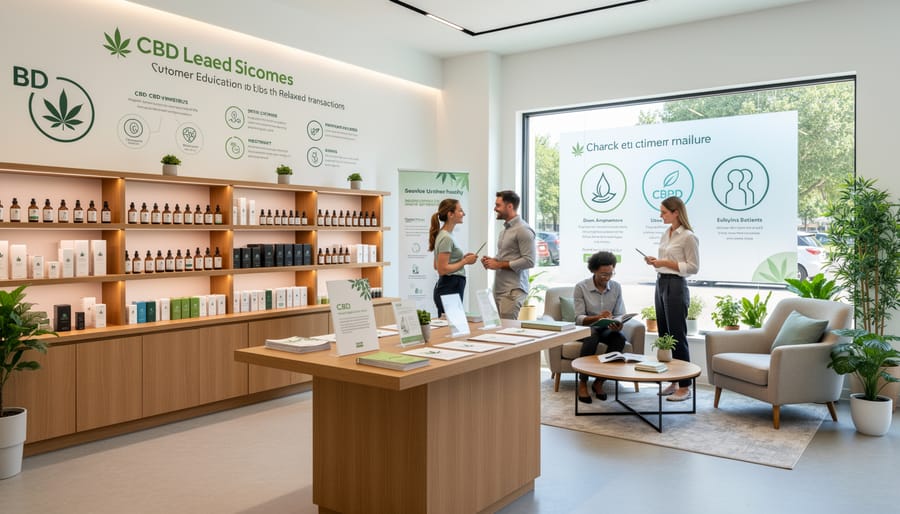
The best CBD shops in Canada have transformed education from intimidating to inviting. Rather than overwhelming customers with scientific jargon, progressive retailers are hosting hands-on workshops where you can learn at your own pace. I recently attended a session on understanding product labels, and the relaxed atmosphere made asking questions feel natural rather than embarrassing.
Dosage consultations have become interactive experiences where knowledgeable staff guide you through personalized recommendations using visual aids and sample products. Some stores feature endocannabinoid system displays with simple diagrams that finally make this complex biological system understandable. You might find touchscreen kiosks explaining terpene profiles or consumption methods, allowing you to explore topics that interest you most.
What makes this approach successful is the emphasis on conversation over lecture. Staff members share real experiences alongside research-backed information, creating a judgment-free space for learning. These educational moments don’t feel like sitting in a classroom; they feel like chatting with a knowledgeable friend who genuinely wants to help you find what works for your needs within Canada’s legal framework.
The Canadian CBD Retail Landscape
What Canadian Retailers Can (and Can’t) Do
If you’re considering starting a CBD retail business in Canada, understanding what you can and can’t do is essential to creating memorable customer experiences while staying compliant.
Health Canada’s Cannabis Act places specific restrictions on retail environments that significantly shape the customer journey. Unlike beauty stores or wellness shops, Canadian CBD retailers cannot make therapeutic health claims about products. You won’t see signage promising to cure anxiety or eliminate pain—even if customers share these experiences anecdotally.
Product sampling presents another limitation. While some jurisdictions allow tasting experiences, Canadian regulations prohibit in-store consumption of cannabis products, including CBD items. This means retailers must get creative with education rather than direct sampling. Many successful stores use visual displays, smell jars for cannabis flower, and detailed product information cards to help customers understand products before purchase.
Marketing restrictions also apply. Cannabis retailers cannot use testimonials or endorsements, and packaging must follow strict plain-packaging rules with prominent health warnings. Social media promotion faces limitations too, restricting how retailers can showcase their in-store experiences online.
However, there’s plenty retailers can do. Educational workshops, one-on-one consultations with trained staff, sensory displays, and community events remain powerful tools. The key is focusing on information and environment rather than consumption or health promises. These boundaries actually encourage creativity—I’ve visited stores that excel at creating welcoming, informative spaces within these parameters, proving that regulation and exceptional customer experience can coexist.
Pioneering Stores Across Canada
Several CBD retailers across Canada are setting excellent examples of experience retail in action. Tokyo Smoke, for instance, transformed the cannabis shopping experience with sleek, minimalist spaces that feel more like curated lifestyle boutiques than traditional dispensaries. Their knowledgeable staff engage customers in meaningful conversations about wellness goals rather than simply processing transactions.
In British Columbia, dispensaries like Burb Cannabis have created community hubs where customers can attend educational workshops, sample different product formats in consultation areas, and access one-on-one guidance from certified budtenders. These spaces feel welcoming rather than clinical.
I’ve personally visited several Ontario locations that excel at sensory experiences. One memorable Toronto shop featured aroma stations where you could smell different terpene profiles, alongside comfortable seating areas and tablets displaying detailed strain information. The staff took genuine time to understand my specific needs around sleep support.
What these pioneering stores share is their commitment to education, atmosphere, and personalized service. They recognize that many Canadians are still learning about CBD and cannabis products, creating environments where questions are encouraged and exploration feels safe and judgment-free.
Why Experience Matters More for CBD Than Other Products
Breaking Down the Knowledge Barrier
Walking into your first CBD store can feel overwhelming. With shelves full of oils, capsules, topicals, edibles, and vapes, how do you know where to start? I remember my own early confusion trying to understand the difference between full-spectrum and isolate products, or figuring out what dosage might work for my needs.
This knowledge gap is exactly what experience retail addresses. Instead of leaving customers to decipher labels on their own, experiential stores offer hands-on guidance. Staff trained in CBD education can walk you through the differences between delivery methods, explain how terpenes influence effects, and help you calculate appropriate starting doses based on your specific goals.
Many stores now offer sampling stations where you can smell different strains, test topical textures on your skin, or see product viscosity firsthand. Some even provide educational workshops covering topics like reading lab reports or understanding Health Canada’s regulations around CBD products. This interactive approach transforms shopping from a guessing game into an informed decision-making process, giving newcomers the confidence to find products that genuinely suit their needs rather than simply grabbing whatever’s on sale.
Building Trust Through Transparency
In an industry still battling stigma and misinformation, experiential retail offers CBD brands a powerful way to build consumer confidence through radical transparency. Rather than hiding production processes behind closed doors, forward-thinking Canadian retailers are inviting customers to see exactly what goes into their products.
Many experiential stores now display third-party lab results prominently, often with QR codes linking to batch-specific testing data. This openness addresses a common concern I hear from beginners: “How do I know what’s actually in this product?” When you can scan a bottle and instantly see cannabinoid profiles and contaminant testing, it removes the guesswork.
Meet-the-supplier events take transparency even further. I’ve attended gatherings where hemp farmers and extraction specialists share their stories directly with consumers. These face-to-face interactions humanize the supply chain and demonstrate a retailer’s commitment to quality partnerships. Understanding transparent sourcing becomes more meaningful when you’ve shaken hands with the people involved.
Some retailers even offer behind-the-scenes tours of their facilities or livestream production processes online. This level of openness isn’t just good marketing—it’s essential education that helps Canadians make informed decisions in a market where quality varies dramatically. When retailers have nothing to hide, trust naturally follows.
Key Elements of Effective CBD Experience Retail
Knowledgeable Staff Who Actually Listen
The difference between a transactional purchase and a transformative experience often comes down to the person helping you. In experience retail, staff aren’t commission-driven salespeople rushing to meet quotas. They’re trained consultants who genuinely want to understand your needs before making suggestions.
When I first visited an experiential CBD store in Toronto, I was struck by how the consultant asked about my sleep patterns, stress levels, and previous experiences with wellness products before showing me anything. She wasn’t following a script or pushing the newest arrival. Instead, she listened carefully and explained why certain CBD products might work better for my specific situation than others.
This personalized approach matters especially in Canada’s CBD market, where product variety can feel overwhelming for newcomers. Knowledgeable staff should understand terpene profiles, carrier oils, and dosing guidelines, but more importantly, they should know how to translate that information into practical recommendations that fit your lifestyle and budget. They’re educators first, creating an environment where questions are welcomed and no concern feels too basic.
Comfortable Spaces That Invite Exploration
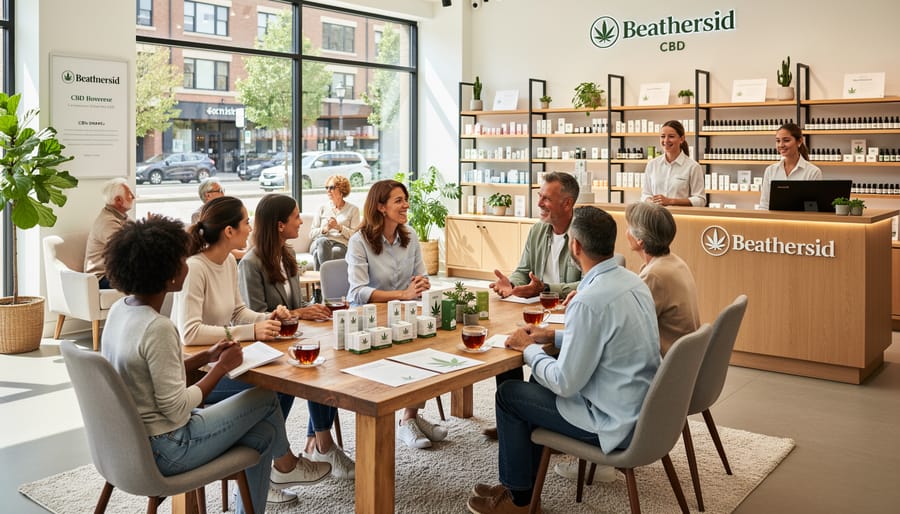
The physical environment of a CBD retail space plays a huge role in how comfortable customers feel exploring products. Unlike traditional retail where you might feel rushed or watched, quality experience retail creates breathing room. Think cozy consultation nooks where you can have private conversations with knowledgeable staff about your wellness goals without other shoppers overhearing. Comfortable seating areas invite you to slow down, browse product information at your own pace, and really consider what might work for you.
From my experience visiting CBD retailers across Canada, the best spaces use calming aesthetics like natural wood, soft lighting, and plant-filled corners that immediately put you at ease. The layout matters too. When products are organized intuitively and there’s enough space to move around freely, you naturally feel more inclined to explore without pressure. Some stores even include educational displays or sample stations positioned throughout, turning your shopping journey into a self-guided discovery process. These thoughtful design choices signal that the retailer respects your time and wants you to make informed decisions rather than quick purchases.
Technology That Enhances (Not Replaces) Human Connection
The best CBD retailers use technology as a helpful assistant, not the main attraction. When I visit shops that get this balance right, I notice QR codes positioned beside products that link to detailed lab reports, terpene profiles, and growing information—there when you want to dig deeper, but never mandatory for the shopping experience.
Digital dosage calculators can be particularly helpful for newcomers navigating CBD for the first time. A budtender might walk you through an interactive tool on a tablet together, using your weight and intended use to suggest starting points. It feels collaborative rather than impersonal.
Some retailers maintain digital catalogs that customers can browse on their phones while staff members remain available for questions. This hybrid approach means you’re never waiting for someone to finish explaining extraction methods when you simply want to compare prices quickly.
The key difference? Technology serves the conversation. Staff still greet you warmly, answer questions face-to-face, and provide that human expertise that makes experience retail valuable. The screens and codes simply fill in gaps—offering data-heavy details that would bog down a natural conversation, or providing consistency in information across different staff members and shifts.
Community-Building Events and Workshops
Modern CBD retailers are transforming their spaces into community hubs by hosting regular events that bring people together around shared wellness goals. You’ll find stores offering yoga classes, meditation sessions, and wellness workshops that teach customers how to incorporate CBD into their self-care routines. These aren’t just one-off promotions – they’re designed to create lasting connections.
Product launches have evolved beyond simple announcements. Retailers now host interactive events where you can meet product creators, learn about extraction methods specific to Canadian regulations, and sample new offerings in a relaxed setting. I’ve attended several of these events myself, and the educational component really helps demystify the products.
What makes these experiences valuable is the ongoing relationship they foster. Instead of simply purchasing a product and leaving, you’re joining a community of like-minded individuals exploring wellness together. Many retailers offer loyalty programs tied to workshop attendance, creating incentives to return and deepen your knowledge. This approach particularly benefits newcomers who need guidance navigating CBD options while ensuring experienced users stay informed about innovations in this rapidly evolving Canadian market.
What This Means for You as a CBD Consumer
Red Flags vs. Green Lights
When you walk into a CBD store, how do you know if you’re getting genuine experiential retail or just clever marketing? Here’s what I’ve learned to look for.
Green lights include knowledgeable staff who ask about your needs before recommending products, not just pushing bestsellers. You’ll find educational materials that explain dosing, product types, and effects without making health claims that violate Health Canada regulations. The space feels welcoming with comfortable areas to ask questions, and they offer samples or testers when possible. Bonus points if they host educational workshops or have relationships with local wellness practitioners.
Red flags are easier to spot than you’d think. Be wary of stores making bold medical claims about CBD curing specific conditions, as this violates Canadian advertising laws. Staff who can’t explain basic differences between CBD isolate and full-spectrum products likely aren’t properly trained. Pushy sales tactics, limited product information, or an overwhelming focus on aesthetics over education suggest style over substance. If the “experience” feels more like a nightclub than a place to learn about wellness, they’ve missed the point entirely.
Trust your instincts. Genuine experiential retail should leave you feeling informed and confident, not confused or pressured into purchasing products you don’t understand.
Making the Most of Your In-Store Visit
Before visiting an experiential CBD retail store, prepare a few key questions to maximize your consultation. Write down what you’re hoping to achieve with CBD—whether that’s managing discomfort, improving sleep, or general wellness—along with any concerns about product types or consumption methods. Canadian retailers are knowledgeable about both products and legal requirements, so don’t hesitate to ask about certificate of analysis reports, THC content limits, or how Health Canada regulations affect what’s available.
During your visit, expect staff to spend time understanding your needs rather than pushing specific products. Quality experiential retailers will ask about your experience level, lifestyle, and preferences before making recommendations. I’ve found that being honest about your budget and any hesitations helps staff tailor suggestions appropriately.
Remember, you’re the expert on your own body and needs. A good retail experience means staff respect your pace and comfort level. If something feels rushed or overly sales-focused, that’s a sign the store may not be truly experiential. Take advantage of product samples when offered, and don’t feel pressured to purchase on your first visit—gathering information is valuable too.
The Future of CBD Shopping in Canada
The CBD retail landscape in Canada is evolving rapidly, and the experiential approach is just getting started. Based on conversations I’ve had with forward-thinking retailers across the country, we’re about to see some exciting shifts in how Canadians shop for CBD products.
Virtual reality product education is already being piloted in select stores. Imagine putting on a VR headset and taking a guided tour through a hemp farm, learning about extraction methods, or visualizing how CBD interacts with your endocannabinoid system. This technology makes complex information accessible and memorable, particularly for newcomers who feel overwhelmed by all the options.
Personalized wellness profiles represent another emerging trend. Some retailers are developing systems where your preferences, wellness goals, and product responses are tracked over time. Think of it like a loyalty program that actually helps you find what works best for your body. You might share that CBD oil helps your sleep but topicals work better for your sore muscles, and the store can use that information to recommend new products tailored specifically to you.
Subscription models tied to in-store experiences are gaining traction too. Rather than just delivering products to your door, these services include quarterly consultations, exclusive workshops, or early access to new product launches at your local store. It bridges the convenience of online shopping with the educational value of in-person experiences.
As the Canadian market matures and regulations potentially evolve, we’ll likely see experience retail become more sophisticated. The stores that succeed will be those that continue prioritizing education and community building over simple transactions, creating spaces where customers feel genuinely supported in their wellness journeys.
Looking back on my own CBD journey, I can honestly say that experience retail has been transformative. When I first walked into a proper CBD boutique after years of ordering online, I realized how much I’d been missing. Having someone walk me through the differences between full-spectrum and isolate products, or explaining why certain terpene profiles might work better for my needs, gave me confidence I’d never felt before. It wasn’t just about buying a product anymore—it was about understanding what I was putting in my body and why.
This shift toward experiential shopping has genuinely changed how Canadians approach CBD. When you have knowledgeable staff who take time to answer questions without judgment, when you can see and sometimes sample products before committing, and when you’re given honest guidance rather than just a sales pitch, you make better decisions. You become an informed consumer rather than someone hoping for the best.
I encourage you to seek out these experiences in your own community. Visit local CBD retailers that prioritize education. Ask questions, even if they seem basic. Notice how staff respond to your concerns and whether they’re truly listening to your needs. And once you find a great experience retail environment, share it with others. Tell friends, leave reviews, and support businesses that are elevating this industry through quality service and genuine care for their customers. Your CBD journey deserves that level of attention.