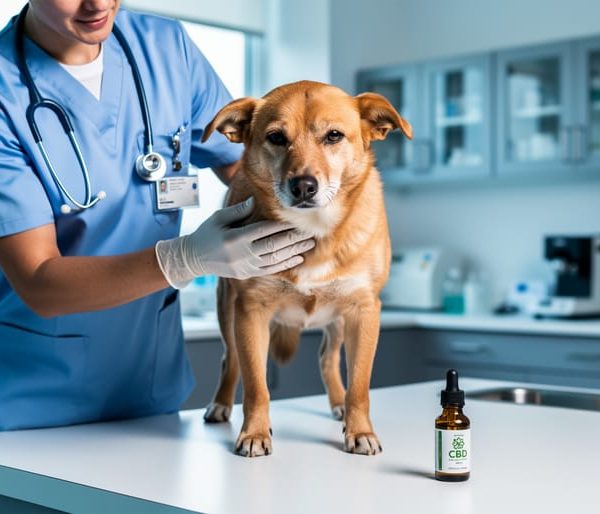

Examine every medication your pet currently takes before introducing CBD, including prescription drugs, over-the-counter supplements, and herbal remedies. CBD affects how the liver processes medications through the cytochrome P450 enzyme system, potentially increasing or decreasing drug levels in your pet’s bloodstream. This interaction matters most with blood thinners, seizure medications, anxiety drugs, NSAIDs, and immunosuppressants.
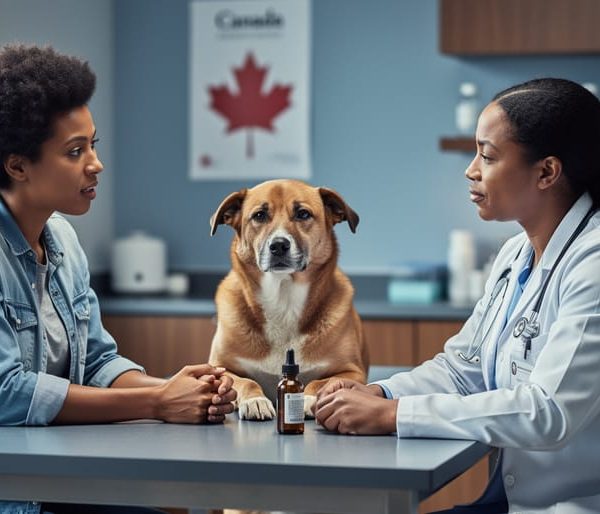
Schedule a veterinary consultation specifically to discuss CBD interactions, bringing a complete list of your pet’s current medications with dosages and timing. Many Canadian veterinarians now understand CBD’s role in pet wellness, though regulatory frameworks limit what they can officially prescribe. Ask direct questions about timing between medications and CBD administration, as spacing doses by several hours can sometimes minimize interaction risks.
Start with the lowest possible CBD dose, typically 0.2 mg per kilogram of body weight, and monitor your pet closely for unusual symptoms. Watch for excessive sedation, loss of coordination, changes in appetite, vomiting, or behavioral shifts during the first two weeks. These signs may indicate problematic drug interactions requiring immediate dose adjustment or discontinuation.
Document your pet’s response in a simple journal, noting CBD timing, dosage, any existing medications given, and observed effects. This record becomes invaluable for veterinary appointments and helps identify patterns that might suggest interactions. Canadian pet owners have limited official guidance on veterinary CBD use, making personal observation and professional oversight your primary safety tools when combining CBD with conventional medications.
Why Veterinary CBD Drug Interactions Matter More Than You Think
When I first started researching CBD for my senior dog’s arthritis, I assumed that because it was natural, it would be safe to combine with her existing medications. That assumption nearly led to a serious mistake, and it’s one I see pet owners make repeatedly.
Here’s what I wish I’d understood from day one: CBD significantly affects how your pet’s body processes medications through something called the cytochrome P450 enzyme system. Think of this system as your pet’s internal pharmacy – it’s a group of liver enzymes responsible for breaking down roughly 60% of all medications. When CBD enters the picture, it temporarily occupies these enzymes, meaning other drugs can’t be metabolized as quickly or efficiently as they should be.
This matters tremendously because when medications aren’t broken down properly, they can accumulate to dangerous levels in your pet’s bloodstream. Even if your vet prescribed a safe dosage of a medication, adding CBD can essentially turn that safe dose into an overdose without you changing anything else.
What makes this particularly tricky with pets is that dogs, cats, and other animals process substances very differently than humans do. Their liver enzyme activity varies by species, breed, and even individual genetics. A Chihuahua and a Great Dane won’t metabolize CBD or medications the same way, and cats are especially sensitive due to their unique liver function.
The “natural equals safe” mindset is genuinely one of the most dangerous misconceptions in pet wellness today. Plenty of natural substances are toxic to animals – think chocolate, grapes, or certain essential oils. CBD falls into a gray zone where it offers legitimate benefits for many pets, but it absolutely demands the same caution and professional oversight as any pharmaceutical drug.
In Canada, where CBD products for pets exist in a complex legal landscape, this becomes even more critical. Many pet owners are navigating these decisions without adequate veterinary guidance, which is why understanding these fundamental interactions isn’t just helpful – it’s essential for your pet’s safety.

The Most Common Veterinary Medications That Interact With CBD
NSAIDs and Pain Medications
Non-steroidal anti-inflammatory drugs like carprofen (commonly known as Rimadyl) and meloxicam are frequently prescribed for arthritis and post-surgical pain in pets. When combined with CBD, there’s potential for increased liver enzyme activity since both are metabolized through similar pathways. I spoke with a veterinarian in Ontario who monitors liver values more closely in pets taking both NSAIDs and CBD together. If your pet is on these medications, ask your vet about baseline bloodwork before starting CBD.
Gabapentin and tramadol, both used for chronic pain management, present different concerns. These medications can cause drowsiness on their own, and CBD may amplify this sedative effect. Your pet might seem extra sleepy or uncoordinated when these are combined. One pet owner I know in Vancouver noticed her senior dog became unusually lethargic when she added CBD to his existing gabapentin regimen. She worked with her vet to adjust timing and dosages, which helped tremendously.
The key with pain medications is communication. Keep a journal noting when you give each medication and any behavioral changes you observe. This information becomes invaluable during veterinary check-ups, helping your vet make informed decisions about whether dose adjustments are needed to keep your pet comfortable and safe.
Anti-Seizure Medications
If your pet takes anti-seizure medications, here’s where things get a bit tricky. CBD itself actually has anti-seizure properties, which sounds like a win-win situation, right? Not so fast. While CBD can potentially help manage seizures, it also interacts significantly with common anti-seizure medications like phenobarbital, potassium bromide, and levetiracetam.
The concern centers on how these medications are processed in your pet’s liver. Phenobarbital, one of the most commonly prescribed anti-seizure drugs for pets, is metabolized by the same liver enzymes that process CBD. When given together, CBD can slow down how quickly phenobarbital is broken down and eliminated from the body. This means phenobarbital levels can increase in your pet’s bloodstream, potentially leading to excessive sedation, wobbly gait, or even liver toxicity.
This doesn’t mean CBD is off-limits for pets with epilepsy. In fact, some veterinarians are exploring CBD as an additional therapy for seizure management. However, it requires close veterinary supervision, regular blood work to monitor medication levels, and potentially adjusting doses of existing anti-seizure medications. Your vet will likely want to check liver enzymes and drug concentrations more frequently when introducing CBD to ensure everything stays within safe therapeutic ranges.
Heart and Blood Pressure Medications
If your pet takes heart or blood pressure medications, extra caution is essential when considering CBD. These drugs often have narrow therapeutic windows, meaning even small changes in blood levels can cause serious problems.
Enalapril, a common ACE inhibitor for heart disease and high blood pressure, can interact with CBD through liver enzyme competition. This may increase enalapril levels in your pet’s system, potentially causing dangerously low blood pressure or kidney issues. Furosemide, a diuretic often prescribed alongside heart medications, also requires careful monitoring when combined with CBD.
I spoke with my veterinarian friend in Vancouver who emphasized that cardiac patients are some of the most sensitive to drug interactions. She’s seen cases where well-meaning owners added CBD without consulting their vet, resulting in emergency visits due to sudden weakness or collapse.
If you’re considering CBD for a pet on heart medications, schedule a thorough discussion with your veterinarian first. They may want to adjust dosages, increase monitoring frequency, or check blood work more often. Never adjust cardiac medications on your own, and watch closely for signs like lethargy, stumbling, or decreased appetite.
Sedatives and Anti-Anxiety Medications
If your pet takes sedatives or anti-anxiety medications, you need to be extra cautious with CBD. These drugs work by calming the nervous system, and CBD can amplify those effects significantly.
Medications like trazodone, acepromazine, and benzodiazepines (such as diazepam or alprazolam) are commonly prescribed for anxiety, noise phobias, or pre-surgical sedation. When combined with CBD, the sedative effects can become much stronger than intended. Your pet might become excessively drowsy, uncoordinated, or even difficult to rouse.
I’ve spoken with veterinarians who’ve seen pets become dangerously over-sedated because owners didn’t realize CBD would interact with their dog’s trazodone. One friend’s retriever became so lethargic after mixing CBD with his anxiety medication that they rushed to the emergency vet, thinking something was seriously wrong.
This doesn’t mean you can’t use both, but timing and dosage matter tremendously. Always discuss this combination with your veterinarian first. They may recommend spacing doses several hours apart or adjusting the medication dosage when introducing CBD. Never combine these medications without professional guidance, and watch closely for excessive sedation, stumbling, or unusual lethargy if you do use them together.
Antibiotics and Antifungals
Certain antibiotics and antifungal medications metabolize through the same liver pathways as CBD, specifically the cytochrome P450 enzyme system. This overlap can slow down how your pet’s body processes these drugs, potentially increasing their concentration in the bloodstream.
Ketoconazole and fluconazole, common antifungals used in veterinary medicine, are particularly prone to interactions. I learned this firsthand when my friend’s cat was on fluconazole for a stubborn ear infection while also taking CBD for anxiety. Her vet adjusted the CBD timing to minimize overlap.
Antibiotics like erythromycin and certain fluoroquinolones may also interact with CBD. The concern isn’t that these combinations are automatically dangerous, but rather that they might make the medications more potent or last longer in your pet’s system than intended. This could lead to increased side effects from the antibiotic or antifungal rather than the CBD itself.
If your pet needs antibiotics or antifungals while using CBD, don’t panic and stop everything immediately. Instead, contact your veterinarian to discuss timing adjustments or temporary CBD discontinuation during treatment. Many short-term antibiotic courses only last 7-14 days, making a brief CBD pause manageable for most pets.
Immunosuppressants and Steroids
If your pet takes prednisone, cyclosporine, or other immunosuppressants, extra caution is needed with CBD. These medications are metabolized through the same liver pathways as cannabidiol, which can lead to elevated drug levels in your pet’s system. This is particularly important because immune-modulating drugs require precise dosing to balance effectiveness with side effects.
When I spoke with veterinarians about this interaction, they emphasized that pets on long-term steroid therapy often experience increased thirst, appetite changes, and potential liver stress. Adding CBD without professional guidance could complicate these effects. The combination may require dosage adjustments of either the immunosuppressant or CBD—never something to determine on your own.
Canadian pet owners should work closely with their veterinarian to monitor liver enzyme levels if using both therapies. Your vet may recommend spacing out administration times or adjusting doses based on your pet’s response and bloodwork results. This collaborative approach ensures your pet receives the anti-inflammatory benefits they need while minimizing interaction risks.
When CBD Is Contraindicated for Your Pet

Liver Disease and Dysfunction
The liver acts as your pet’s primary processing center for medications and supplements, including CBD. When liver function is compromised through disease, age-related decline, or damage from toxins, this processing ability becomes significantly impaired. This means CBD can accumulate in your pet’s system at potentially dangerous levels, even at standard doses.
Pets with conditions like hepatitis, cirrhosis, liver shunts, or elevated liver enzymes face particular risks. Their bodies struggle to metabolize CBD efficiently, which can lead to prolonged effects and increased likelihood of adverse reactions. Additionally, CBD itself can temporarily affect liver enzyme levels in some animals, creating a concerning cycle for pets with existing liver dysfunction.
If your pet has been diagnosed with any liver condition, it’s essential to discuss CBD use with your veterinarian before starting. Your vet may recommend avoiding CBD entirely, or they might suggest significantly reduced doses with frequent monitoring through blood work. In Canada, veterinarians can legally discuss CBD with you, though prescribing remains limited. Never assume that “natural” means safe for compromised organs. What works for healthy pets may overwhelm a struggling liver, so professional guidance isn’t just recommended – it’s critical for your pet’s safety.
Pregnancy and Nursing
Research on CBD use during pregnancy and nursing in pets remains limited, which means we need to err on the side of caution. Most veterinarians recommend avoiding CBD entirely for pregnant or nursing animals until we have more definitive safety data. The concern is that cannabinoids may cross the placental barrier or pass through milk to developing offspring, potentially affecting neurological development. If your pet becomes pregnant while using CBD, consult your vet immediately about discontinuing use. While some pet owners report using CBD during these periods without obvious issues, the lack of controlled studies means we simply don’t know enough about long-term effects on puppies or kittens to make informed risk assessments confidently.
Pre-Surgery Considerations
If your pet has upcoming surgery, talk to your veterinarian about stopping CBD at least 48 to 72 hours beforehand. This timeline matters because CBD can affect how the liver processes anesthetic drugs, potentially leading to unexpected reactions during the procedure. CBD may also influence blood pressure and heart rate under anesthesia, creating additional risks your veterinary team needs to anticipate.
I learned this the hard way when a friend’s dog had a routine dental cleaning scheduled. She’d been giving her Labrador CBD for joint pain but didn’t think to mention it during the pre-surgery appointment. Fortunately, her vet asked directly about supplements, and they postponed the procedure to allow the CBD to clear her dog’s system. While it meant rescheduling, it was the safer choice.
Be completely transparent with your veterinarian about CBD use, including dosage and how recently you gave it. They might request bloodwork or adjust anesthetic protocols based on this information. Canadian veterinarians are becoming increasingly familiar with CBD considerations, so don’t hesitate to have this conversation openly.
Severe Hypotension or Heart Conditions
If your pet has been diagnosed with severe hypotension (dangerously low blood pressure) or certain heart conditions, CBD requires extra caution. Because CBD can lower blood pressure, pets already struggling with cardiovascular issues may experience worsening symptoms like weakness, collapse, or fainting. This is particularly concerning for dogs with congestive heart failure or those taking cardiac medications like ACE inhibitors or beta-blockers, which also affect blood pressure. I’ve heard from pet owners who didn’t realize their pet’s heart medication could interact with CBD until their dog became unusually lethargic. Always discuss your pet’s complete cardiac history with your veterinarian before introducing CBD, and monitor closely for any signs of lethargy or instability during the initial dosing period.
How to Safely Use CBD With Your Pet’s Current Medications

Talk to Your Vet First (And How to Approach the Conversation)
Before adding CBD to your pet’s routine, having an honest conversation with your veterinarian is essential, especially if your pet takes any medications. I learned this the hard way when I casually mentioned CBD to my vet after already starting my cat on it—her concerned expression told me I should have asked first.
Here’s the challenge: in Canada, veterinarians face regulatory restrictions around recommending CBD products since they’re not approved as veterinary medicines. Some vets may seem hesitant or unable to provide specific guidance, which can feel frustrating when you’re just trying to help your pet.
When approaching this conversation, come prepared. Bring a complete list of your pet’s current medications, including dosages and frequency. If you’ve already purchased a CBD product, bring the label or take clear photos showing the cannabinoid profile and ingredients. Ask specific questions like: “Are there any known interactions between CBD and these medications?” and “What symptoms should I watch for that might indicate a problem?”
If your vet can’t discuss CBD directly, ask them to explain how your pet’s liver processes their current medications. This information helps you understand potential interaction risks. You might also ask if they can refer you to a veterinarian with integrative medicine experience who may be more familiar with cannabinoid therapies.
Remember, your vet’s primary concern is your pet’s safety, even if they can’t explicitly endorse CBD use.
Start Low and Go Slow
When introducing CBD to a pet already taking medications, veterinarians typically recommend starting with the lowest possible dose and increasing gradually over several weeks. This approach helps you monitor how your pet responds and gives you time to spot any concerning interactions before they become serious.
I learned this lesson with my own dog when we first tried CBD. Instead of jumping straight to the recommended dose, we started at about 25% of the target amount and waited three days before making any changes. This patience paid off because we noticed some mild drowsiness initially, which resolved as her body adjusted.
Keep a daily journal during the first month, noting your pet’s behaviour, appetite, energy levels, and any unusual symptoms. Take photos or videos if you notice anything different. This documentation becomes invaluable during follow-up vet appointments and helps identify subtle changes you might otherwise miss.
Plan to increase the dose by small increments, typically 10-25%, waiting at least 3-5 days between adjustments. If you notice any adverse effects like excessive sedation, digestive upset, or changes in coordination, pause the increase and consult your veterinarian before proceeding further.
Monitor These Warning Signs
Knowing what to watch for can make all the difference in keeping your pet safe. If your pet is taking CBD alongside other medications, stay alert for these warning signs: excessive drowsiness or difficulty waking, loss of coordination or stumbling, vomiting or diarrhea that persists, unusual behavior changes like aggression or severe anxiety, rapid or slowed heart rate, and changes in appetite lasting more than 24 hours.
I learned from a Canadian veterinarian that pets experiencing adverse interactions might also show dilated pupils, excessive drooling, or tremors. Any combination of these symptoms warrants immediate attention.
Seek emergency veterinary care right away if your pet experiences seizures, collapse or inability to stand, difficulty breathing, pale or blue-tinged gums, or loss of consciousness. These could indicate a serious interaction requiring prompt intervention.
Keep your vet’s after-hours contact information handy, and don’t hesitate to call if something feels off. In Canada, many veterinary clinics offer telehealth consultations, which can help you quickly assess whether your pet needs immediate in-person care. Trust your instincts as a pet parent—it’s always better to err on the side of caution.

Timing Your Doses Strategically
One of the simplest ways to reduce interaction risks is strategically spacing out when you give your pet CBD and their medications. Think of it like taking vitamins away from certain foods that might interfere with absorption—timing matters.
The general rule I’ve learned from veterinarians is to leave at least two hours between CBD and other medications whenever possible. This gives each substance time to be absorbed without directly competing or interfering with the other in your pet’s system. For medications that heavily rely on liver metabolism, some vets recommend even longer gaps of three to four hours.
Here’s a practical example: If your dog takes a seizure medication every morning at 8 AM, consider giving CBD around noon or later. For pets on twice-daily medications, you might give their prescription at breakfast and dinner, with CBD administered in the mid-afternoon when there’s maximum separation.
I’ll be honest—this scheduling can feel overwhelming at first, especially with multiple medications. Creating a simple chart on your fridge or setting phone reminders has been a lifesaver for many pet owners I’ve spoken with. And remember, this approach isn’t foolproof for all interactions, which is why veterinary guidance remains essential, but it’s a practical harm-reduction strategy that gives you more control over your pet’s care routine.
What Canadian Pet Owners Need to Know About Veterinary CBD Legality
Navigating the legal landscape of veterinary CBD in Canada can feel like trying to solve a puzzle with missing pieces. Here’s what you need to know: technically, CBD products for pets aren’t approved by Health Canada or the Canadian Veterinary Medical Association. This puts veterinarians in a tricky position.
Most vets can’t directly prescribe CBD products for your pet, even if they believe it might help. The reason? Without official approval, recommending CBD could put their license at risk. This doesn’t mean your vet thinks CBD is dangerous or ineffective, it’s simply that the regulatory framework hasn’t caught up with the research and anecdotal evidence many pet owners are experiencing.
What does exist in Canada are veterinary hemp supplements, which contain minimal THC and varying amounts of CBD. These products occupy a gray area, sometimes marketed as supplements rather than medications. You’ll find them at pet stores, online retailers, and occasionally through veterinary clinics that carry them as over-the-counter options rather than prescription medications.
I learned this the hard way when I first approached my vet about CBD for my anxious rescue dog. She was supportive and knowledgeable but couldn’t officially prescribe anything. Instead, she provided general guidance about what to look for in quality products and emphasized the importance of discussing any supplements alongside his existing medications. That conversation opened my eyes to how crucial it is to keep your vet informed, even when they can’t be the one handing you the product.
If you’re considering CBD for your pet, transparency with your veterinarian remains essential. They can help you understand potential interactions with current medications, even if they can’t write a prescription.
Questions to Ask Before Giving Your Pet CBD
Before you add CBD to your pet’s routine, especially if they’re taking other medications, take a moment to work through these important questions. I learned the hard way with my first attempt at giving my cat CBD—I didn’t ask enough questions upfront and ended up causing more stress than relief.
Start with the basics: What medications is your pet currently taking? Make a complete list, including prescription drugs, over-the-counter supplements, and any herbal remedies. Don’t forget about topical treatments or occasional medications like flea and tick preventatives.
Next, ask yourself: Have I discussed CBD with my veterinarian? This conversation is essential, even if your vet isn’t familiar with CBD. They know your pet’s medical history and can identify potential red flags. In Canada, veterinarians are becoming more open to these discussions, though they may not be able to prescribe CBD directly.
Consider: What am I hoping CBD will achieve? Being clear about your goals helps you evaluate whether the potential benefits outweigh any interaction risks. If your pet is on critical medications for conditions like seizures, heart disease, or immune disorders, the stakes are higher.
Ask: Is my pet’s current condition stable? Starting CBD when your pet is already managing well on existing medications requires extra caution. You’ll need to monitor closely for any changes in symptoms or behaviour.
Finally: Do I have a plan for monitoring my pet? Know what signs to watch for, how to document changes, and when to seek immediate veterinary care. Keep a journal during the first few weeks of CBD use.
Navigating CBD for your pet doesn’t have to feel overwhelming. As we’ve explored throughout this article, while CBD offers genuine therapeutic potential for many animals, it’s not a supplement you can approach casually when your pet is taking other medications. The interactions are real, and the consequences of mixing CBD with certain drugs without professional guidance can range from mild discomfort to serious health complications.
I’ve learned through my own journey with CBD that being informed is empowering, not frightening. Understanding how CBD works in your pet’s system and which medications require extra caution means you’re equipped to have meaningful conversations with your veterinarian. You’re not just another pet owner googling symptoms at midnight—you’re a proactive advocate for your animal’s wellbeing.
Remember, your vet isn’t there to dismiss CBD out of hand. Most Canadian veterinarians recognize the growing body of research supporting CBD’s benefits, but they need to ensure it fits safely within your pet’s complete healthcare picture. Before starting CBD or if your pet is already using it, schedule that conversation. Bring your questions, share what medications your pet currently takes, and work together to create a safe, effective plan. Your pet deserves that collaborative care, and you deserve the peace of mind that comes from making fully informed decisions.