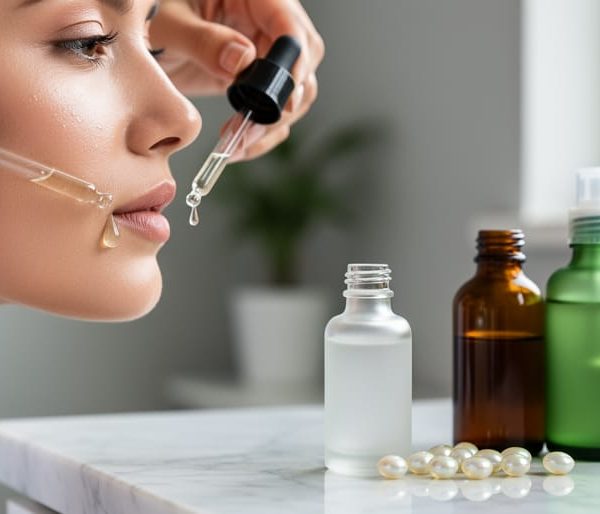

Apply retinol on completely dry skin 20-30 minutes after cleansing to prevent irritation and maximize its effectiveness. This waiting period allows your skin’s pH to normalize, reducing the risk of sensitivity that many Canadians experience during our harsh winter months.
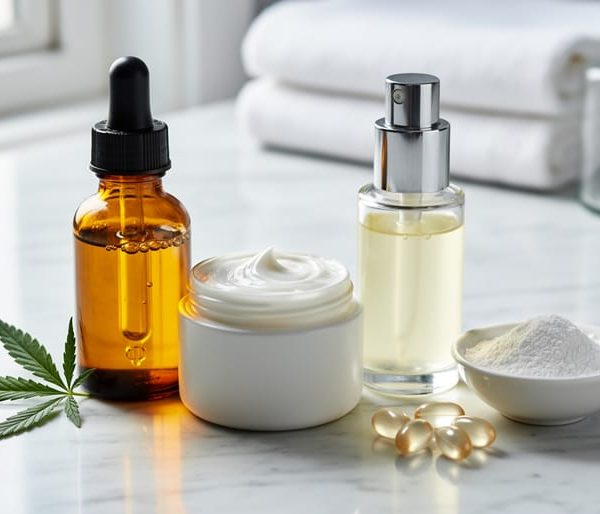
Layer CBD oil or serum after your retinol has fully absorbed, typically 10-15 minutes later. CBD’s anti-inflammatory properties can actually help counteract retinol’s potential irritation without diminishing its anti-aging benefits. I learned this through trial and error when my skin became too sensitive using retinol alone during a particularly dry Calgary winter.
Start with retinol only twice weekly if you’re new to layering these ingredients, gradually increasing frequency as your skin builds tolerance. The combination of retinol and CBD works synergistically, but your skin needs time to adapt. Most people can eventually work up to four times weekly, though some maintain a three-night rotation indefinitely.
Never apply acids and retinol in the same routine unless you have extremely resilient skin. Instead, alternate nights: use your AHA or BHA products on Monday and Thursday, then apply your retinol-CBD combination on Tuesday and Friday. This prevents over-exfoliation while still giving you the benefits of both ingredient categories.
Understanding proper layering technique matters more than having expensive products. The right order and timing can mean the difference between glowing, youthful skin and a compromised moisture barrier that takes weeks to repair.
Why CBD and Retinol Actually Work Better Together

The Anti-Inflammatory Advantage
If you’ve ever used retinol, you know the struggle: that telltale redness, flaking skin, and sensitivity that comes with introducing this powerful ingredient. It’s one of the reasons many people give up on retinol before seeing its benefits. This is where CBD becomes your skincare ally.
CBD’s anti-inflammatory properties work to calm irritated skin and reduce the redness that often accompanies retinol use. When I first started using retinol, my cheeks looked perpetually sunburned for weeks. Adding CBD into my routine made a noticeable difference in how my skin tolerated the adjustment period.
The science backs this up too. CBD interacts with receptors in your skin that regulate inflammation and immune response. This means it can help soothe the irritation while your skin builds tolerance to retinol. Think of it as having a buffer that allows retinol to do its job without the uncomfortable side effects overwhelming your complexion.
For Canadians dealing with harsh winter conditions that already stress our skin, this combination can be particularly beneficial. The CBD helps maintain your skin barrier while retinol works its magic underneath.
What Canadian Dermatologists Are Saying
Canadian dermatologists are becoming increasingly curious about CBD-retinol combinations, though research is still in its early stages. Dr. Jennifer Beecker, a board-certified dermatologist in Ottawa, notes that while robust clinical trials are limited, the theoretical benefits align with what we know about both ingredients individually. CBD’s anti-inflammatory properties may help buffer some of retinol’s initial irritation, which could make this powerful ingredient more tolerable for sensitive skin types.
The Canadian Dermatology Association hasn’t issued formal guidelines on CBD skincare yet, but dermatologists across the country are observing patient experiences firsthand. Many report that patients who introduce CBD products alongside retinol seem to experience less redness and flaking during the adjustment period, though they emphasize this is anecdotal rather than scientifically proven.
What professionals consistently agree on is the importance of proper layering technique and product quality. They recommend starting slowly, watching for reactions, and choosing products from reputable Canadian companies that provide third-party testing. As one Toronto-based dermatologist told me during a consultation, the key isn’t whether these ingredients can work together, but rather ensuring you’re introducing them thoughtfully to your unique skin.
The Right Order: When to Apply What

The Evening Routine That Changed My Skin
After months of trial and error, I finally landed on an evening routine that transformed my skin without the irritation I’d experienced before. I’ll be honest—I was skeptical about layering retinol with anything, let alone CBD products, but the results speak for themselves.
I start by cleansing with a gentle, pH-balanced cleanser and patting my face completely dry. This is crucial because I wait a full five minutes before applying anything else. It sounds excessive, but this wait time prevents retinol from penetrating too aggressively on damp skin.
Next comes my retinol serum. I use a pea-sized amount for my entire face, avoiding the eye area. Then I set a timer for twenty minutes. During this window, the retinol does its thing without interference from other products. I usually catch up on emails or tidy the kitchen—it passes quickly.
After twenty minutes, I apply my CBD face oil. This is where the magic happens. The CBD helps calm any potential irritation from the retinol while providing its own skin-balancing benefits. I gently press three to four drops into my skin, focusing on areas that tend to get red.
Finally, I seal everything with a rich moisturizer. This creates a protective barrier that locks in all the active ingredients while preventing transepidermal water loss overnight.
This sequence works because each product has time to absorb properly without competing for penetration. The wait times felt tedious at first, but they became non-negotiable once I saw the difference in my skin’s texture and tone.
Morning Layering: A Different Approach
Your morning routine should look quite different from your nighttime approach, and there’s a good reason why retinol doesn’t make an appearance during daylight hours. Retinol increases your skin’s sensitivity to UV rays, which means applying it in the morning puts you at greater risk for sun damage, even with sunscreen on. This is why dermatologists consistently recommend keeping retinol products for evening use only.
This is where CBD really shines in your CBD skincare routine. While retinol works its magic overnight, CBD takes the lead during the day by targeting inflammation and environmental stressors. I learned this the hard way when I first started combining active ingredients. I was so excited about my results that I wanted to use retinol twice daily, but within a week, my skin became irritated and noticeably more reactive to sun exposure, even though I religiously applied SPF 50.
For morning application, focus on CBD serums or moisturizers that contain antioxidants. CBD’s anti-inflammatory properties help calm any residual irritation from your previous night’s retinol application while protecting your skin throughout the day. Layer your CBD product after cleansing and toning, follow with a moisturizer if needed, and always finish with broad-spectrum sunscreen. This approach gives you the benefit of both powerful ingredients without compromising your skin’s health or increasing photosensitivity. In Canada’s varying climate conditions, this protective daytime routine becomes especially important during our intense summer sun and harsh winter conditions.
Adding Acids to the Mix Without Starting a Chemical Fire
The Safest Acid Combinations with CBD and Retinol
When I first started layering acids with my CBD and retinol routine, I quickly learned that not all acids play nicely together. The key is understanding which ones offer benefits without overwhelming your skin.
Lactic acid is genuinely your best friend here. As an alpha hydroxy acid (AHA), it gently exfoliates while being significantly less irritating than its stronger cousin, glycolic acid. I use a 5% lactic acid product a few times weekly on non-retinol nights, and it complements my CBD-retinol routine beautifully. The gentle exfoliation helps the other ingredients penetrate better without causing that dreaded redness.
Hyaluronic acid deserves a special mention because, despite its name, it’s not an exfoliating acid at all. It’s a hydrating powerhouse that you can safely use every single day with both CBD and retinol. Think of it as the peacekeeper in your routine, helping to maintain moisture levels while the active ingredients do their work.
Polyhydroxy acids (PHAs) like gluconolactone are another gentle option. They work similarly to AHAs but have larger molecules, meaning they penetrate more slowly and cause less irritation. Perfect for sensitive Canadian skin dealing with harsh winter conditions.
Now, the ones requiring serious caution: glycolic acid at higher concentrations (above 10%), salicylic acid, and mandelic acid should generally be used on alternate nights from retinol, especially when you’re incorporating CBD into the mix. Using them together can compromise your skin barrier, leading to increased sensitivity and inflammation that counteracts the calming benefits you’re seeking from CBD in the first place.
Scheduling Your Actives Throughout the Week
Creating a balanced skincare routine doesn’t have to feel like solving a puzzle. Here’s a sample weekly schedule I’ve personally found helpful for incorporating retinol, acids, and CBD without overwhelming your skin.
Monday and Thursday evenings are ideal for retinol application. Apply it after cleansing and before your moisturizer, giving your skin 48 hours between treatments initially. Tuesday nights, try a gentle AHA or BHA acid treatment instead, which helps with exfoliation and complements retinol’s benefits without overlapping. Wednesday and Saturday evenings are perfect for your CBD serum, which provides soothing anti-inflammatory benefits without competing with active ingredients.
Friday nights, I recommend skipping all actives entirely and focusing on hydration with a simple CBD moisturizer and gentle routine. Your skin needs recovery time. Sunday mornings are great for a nourishing CBD face oil to prep for the week ahead.
Remember, this schedule assumes your skin has already adjusted to retinol. Beginners should start with just once-weekly retinol application for the first month. If you experience irritation, increase your CBD application days since it helps calm inflammation. Canadian winters can be particularly harsh, so don’t hesitate to add extra recovery days when your skin feels sensitive.

Reading Your Skin’s Warning Signs
Normal vs. ‘Stop Everything Right Now’
When you first start layering retinol with other active ingredients, some adjustment is completely normal. You might experience mild dryness, slight flaking, or a bit of redness that calms down within a few days. This is your skin getting used to the new routine, and it typically improves within one to two weeks. I remember when I first introduced retinol alongside my CBD serum—my skin felt a little tight for about four days before it adjusted beautifully.
However, some signs mean you need to stop immediately. If you develop intense burning that doesn’t subside, widespread red patches that look almost like a rash, persistent stinging even when you’re not applying products, or swelling around your eyes or cheeks, pause everything. These symptoms suggest over-exfoliation or a potential allergic reaction. Similarly, if your skin becomes so sensitive that even lukewarm water hurts, or if you notice oozing or broken skin, take a break. Your skin barrier is compromised and needs time to heal.
The difference? Normal adjustment is mild and improves quickly. Serious reactions are intense, painful, and worsen with each application. Trust your instincts—if something feels genuinely wrong rather than just unfamiliar, listen to your skin.
My Week-Long Disaster (And What I Learned)
I’ll be honest with you—I learned about proper retinol layering the hard way. About two years ago, I got overly enthusiastic about my new skincare routine. I was using a CBD facial oil in the morning, then decided to add retinol at night, along with a vitamin C serum and an AHA toner. Within three days, my skin was angry. I’m talking red, flaky patches around my nose and cheeks that made me look like I’d spent a week skiing without sunscreen.
The mistake? I didn’t give my skin time to adjust, and I was layering active ingredients without understanding how they interact. I had to strip everything back to just a gentle cleanser and moisturizer for nearly two weeks while my skin barrier recovered. It was frustrating, especially since I’d invested in quality products.
What I learned changed everything: start slow, introduce one active ingredient at a time, and always prioritize your skin barrier health over quick results.
CBD Products That Actually Layer Well with Retinoids

What to Look for on Canadian CBD Skincare Labels
When you’re selecting CBD skincare products to layer with retinol, Canadian labels should tell you everything you need to know about compatibility and quality. Start by checking the ingredient list for the CBD concentration, typically listed as cannabidiol. Look for products containing at least 100-300mg of CBD per container for therapeutic benefits, though remember that higher isn’t always better when layering with active ingredients.
Pay attention to the formulation base. Water-based CBD serums or gels work beautifully under retinol because they absorb quickly without leaving residue that might cause pilling. Oil-based CBD products are better applied after retinol since they create a protective barrier. I’ve personally found that CBD products with lightweight textures prevent that frustrating pill-up effect when you’re layering multiple products.
Check for complementary soothing ingredients like hyaluronic acid, niacinamide, or centella asiatica, which enhance both CBD and retinol’s benefits while minimizing irritation. Avoid CBD products containing harsh exfoliants like glycolic acid or salicylic acid in high concentrations, as combining these with retinol can overwhelm sensitive skin.
Canadian CBD skincare must meet Health Canada regulations, so look for a Natural Product Number (NPN) or proper licensing information on the label. This ensures you’re purchasing quality CBD products that meet safety standards. Third-party testing certificates, either on the label or available online, provide additional confidence that CBD content matches what’s advertised and that the product is free from contaminants.
Product Textures That Play Nice Together
Understanding product textures makes a huge difference in avoiding that frustrating pilling effect where your skincare balls up on your face. The basic rule I’ve learned through trial and error is to layer from thinnest to thickest consistency. Water-based serums go first because they absorb quickly and create a smooth base. Then come lightweight oils or CBD oils, which can penetrate before heavier barriers form. Finally, apply your thicker creams and moisturizers to seal everything in.
If you’re combining retinol with CBD products, texture matters even more. A lightweight CBD serum pairs beautifully under retinol cream, but switching that order often leads to pilling. Give each layer about 60 seconds to absorb before adding the next product. When I first started layering my CBD oil with retinol, I was too impatient and everything would bunch up. Now I use that minute to brush my teeth or put away products, and my skincare glides on smoothly every time.
Starting Slow: The Beginner’s Layering Timeline
Your First Month: Building Tolerance
When I first started combining CBD and retinol, I learned quickly that patience is everything. Rushing this process can lead to irritation that sets you back weeks, so here’s the gradual approach that worked for me.
Week 1-2: Start with CBD alone. Apply your CBD serum or moisturizer every evening to clean, dry skin. This establishes your baseline and lets you see how your skin responds to CBD independently. Many Canadians notice CBD’s calming effects within the first week, which is exactly what you want before introducing retinol.
Week 3-4: Introduce retinol on alternate nights. Monday, Wednesday, and Friday evenings, apply a pea-sized amount of retinol to dry skin, wait 20 minutes, then layer your CBD product on top. On Tuesday, Thursday, Saturday, and Sunday, use only CBD. This gives your skin recovery time between retinol applications.
Week 5-6: If you’re tolerating this well with no significant flaking or redness, increase to every other night with retinol, continuing to layer CBD on top. On off nights, use CBD alone.
Week 7-8: Progress to nightly retinol if desired, always followed by CBD. Some people find their sweet spot is every other night long-term, and that’s perfectly fine.
Throughout this process, watch for persistent redness, burning, or excessive peeling. A little dryness is normal, but discomfort isn’t. If irritation occurs, drop back to the previous frequency and stay there longer before advancing.
When to Level Up Your Routine
Your skin will tell you when it’s ready for more. After consistently using retinol for 4-6 weeks without irritation, you might notice your skin tolerating the routine easily with no flaking or redness the next day. That’s your green light to gradually increase frequency from twice weekly to three times, then eventually more often as tolerated.
When I first started layering CBD oil with retinol, I stayed at twice weekly for nearly three months before bumping up. There’s no prize for rushing this process, especially during Canadian winters when our skin faces extra environmental stress.
If you’ve been using a 0.25% or 0.5% retinol successfully for several months, you might consider moving to a stronger concentration. The key word is gradually. Introduce the new strength at your original frequency, like you’re starting over. Your skin has built tolerance, but stronger formulations still require respect and adjustment time.
Signs you’re not ready: any lingering sensitivity, seasonal changes happening soon, or upcoming events where you need your skin camera-ready. When in doubt, maintain your current routine a bit longer.
Navigating the Legal and Quality Landscape in Canada
What Makes CBD Skincare Legal in Canada
In Canada, CBD skincare products are legal as long as they contain less than 0.3% THC and comply with Health Canada’s regulations. When shopping for CBD topicals to layer with retinol, you’ll want to verify a few key things before purchasing.
First, check that the product is derived from hemp rather than marijuana, as this distinction matters legally. Look for products from licensed producers or retailers who can provide third-party lab testing results. These certificates of analysis confirm the CBD content and ensure there aren’t harmful contaminants or excessive THC levels.
I learned this the hard way when I first started exploring CBD skincare. I bought a beautiful-looking serum online without checking the source, only to realize later it came from an unlicensed seller with no lab testing available. Now I always verify credentials first.
It’s also worth noting that while CBD topicals don’t require a prescription in Canada, making health claims about them is restricted. Reputable brands will describe their products’ ingredients and properties without promising to cure or treat specific conditions.
For a deeper dive into what’s permitted and what to watch for, check out our comprehensive guide on Canadian CBD regulations. Understanding these rules helps you shop confidently and safely.
Red Flags When Shopping for CBD Skincare
When I first started exploring CBD skincare, I quickly learned that not all products are created equal. Watch out for brands that don’t provide third-party lab testing results, as these certificates of analysis confirm CBD content and rule out contaminants like heavy metals or pesticides. In Canada, skincare products containing CBD must comply with Health Canada regulations, so avoid anything making medical claims about treating acne or wrinkles, which is actually illegal here.
Be wary of products listing “hemp seed oil” as the main ingredient instead of actual CBD extract, as these are very different. Similarly, vague ingredient lists or products that don’t specify CBD concentration in milligrams are red flags. Check expiration dates carefully, since CBD can degrade over time, reducing effectiveness. Finally, if a price seems too good to be true, it probably is. Quality CBD extraction and formulation costs money, so extremely cheap products often cut corners on purity or potency.
Looking back at my own journey with retinol and CBD, I can’t stress enough how important it is to start slow and really listen to what your skin is telling you. I know it’s tempting to dive in headfirst, especially when you’re excited about the potential results, but patience is truly your best friend here. When I first began experimenting with this combination, I had to remind myself constantly that skin transformation doesn’t happen overnight.
The CBD-retinol pairing absolutely has a learning curve, but it’s one worth navigating. Think of those first few weeks as an investment in understanding your skin’s unique needs and tolerance levels. Some people adapt quickly, while others need more time, and both paths are completely normal.
My biggest piece of advice? Don’t compare your progress to anyone else’s timeline. Your skin is as individual as you are, and what works for your friend or favourite skincare influencer might look different for you. Pay attention to how your skin responds after each application, adjust your frequency accordingly, and celebrate the small wins along the way.
Trust the process, give yourself grace during the adjustment period, and remember that the results are building even when you can’t see them yet. Your future skin will thank you for taking the time to do this right.